Why are Sports Good for Kids: Top Benefits Unveiled
Have you ever wondered why so many parents encourage their kids to play sports? It’s not just about having fun or staying busy.
Sports can change your child’s life in powerful ways you might not expect. From building confidence to improving focus, the benefits go far beyond the game. If you want to give your child a strong foundation for the future, keep reading.
You’ll discover why sports are one of the best choices you can make for your kid’s growth and happiness.

Credit: www.bigdillpickleballcompany.com
Physical Health Benefits
Sports play a key role in improving children’s physical health. Active play helps build a strong body and boosts energy. Regular sports activities encourage kids to move often, which supports overall fitness. Physical health benefits from sports go beyond just fun. They help children grow stronger, maintain a healthy weight, and improve their flexibility. These benefits set a foundation for a healthy life.
Improved Fitness
Sports increase heart rate and breathing. This strengthens the heart and lungs. Kids gain better endurance and stamina. Playing sports regularly helps children run, jump, and play longer without getting tired quickly. Fitness improves, making daily activities easier and more enjoyable.
Healthy Weight Management
Sports help burn calories and control body weight. Active kids are less likely to become overweight. Playing sports teaches healthy habits early in life. Balanced activity and good nutrition go hand in hand. This reduces the risk of health problems related to weight.
Strength And Flexibility
Sports build muscle strength through repeated movements. Strong muscles support growing bones and joints. Flexibility improves with stretching and varied motions. This lowers the chance of injuries. Kids gain better balance and coordination, helping them in sports and everyday tasks.
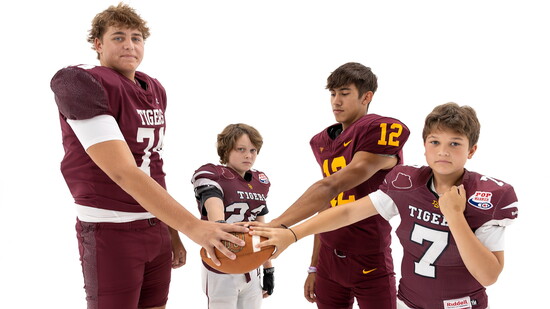
Credit: citylifestyle.com
Mental Health Boost
Sports offer more than physical benefits for children. They play a key role in improving mental health. Being active helps kids feel better inside and face daily challenges with strength.
Regular participation in sports supports emotional balance and mental clarity. It creates a positive mindset that benefits kids both in school and at home. The following sections explain how sports help boost mental health in children.
Stress Reduction
Playing sports helps lower stress levels naturally. Physical activity releases chemicals that calm the mind. Kids feel less anxious and tense after exercise.
Sports provide a healthy way to handle pressure. Kids learn to focus on the game, forgetting worries for a while. This break from stress improves overall mental well-being.
Enhanced Mood
Exercise in sports triggers the release of mood-boosting hormones. These hormones reduce feelings of sadness and increase happiness. Children often feel more cheerful and energetic after playing.
Being part of a team also builds friendships. Social connections help kids feel supported and valued, lifting their spirits further.
Improved Focus And Concentration
Sports demand attention and quick thinking. Kids sharpen their focus by learning game rules and strategies. This skill transfers to better concentration in schoolwork.
Regular physical activity improves brain function. It helps children stay alert and process information faster, aiding learning and memory.
Social Skills Development
Playing sports offers more than just physical benefits for kids; it plays a crucial role in shaping their social skills. Through sports, children learn how to interact, collaborate, and communicate effectively with others. These experiences build a strong foundation for healthy relationships and social confidence that last a lifetime.
Teamwork And Cooperation
Sports teach kids how to work as part of a team. They quickly learn that winning or losing depends on everyone doing their part. This encourages them to listen to others, share responsibilities, and support teammates.
Have you noticed how kids adjust their roles during a game? One moment they might lead, the next they follow. This flexibility in teamwork helps them understand the value of cooperation beyond the playing field.
Building Friendships
Sports create natural opportunities for kids to make friends. Sharing goals and challenges helps them bond over common experiences. These friendships often extend beyond practice and games, offering emotional support and a sense of belonging.
Think about your own childhood friendships. Many probably started around shared activities. Sports provide a similar platform for your child to connect with peers in a meaningful way.
Communication Skills
Good communication is essential in sports. Kids learn to express their ideas clearly and listen carefully to others. This develops their ability to negotiate, resolve conflicts, and give constructive feedback.
Imagine a child calling out plays or encouraging teammates during a game. These moments boost confidence in speaking up and help practice respectful listening. How often do you find such real-time communication training outside of sports?
Character Building
Sports play a vital role in shaping a child’s character. They teach more than just physical skills. Kids learn important life values that help them grow into strong, confident adults. The lessons from sports build a solid foundation for their future.
Discipline And Responsibility
Sports require regular practice and effort. Kids learn to follow rules and listen to coaches. This builds discipline. They understand the value of showing up on time and working hard. Responsibility comes from taking care of equipment and being part of a team. These habits help kids in school and life.
Leadership Qualities
Playing sports gives kids a chance to lead. They learn how to motivate teammates and make quick decisions. Leadership grows as they handle wins and losses. Kids discover how to communicate clearly and support others. These skills prepare them for future roles in school and work.
Resilience And Perseverance
Sports teach kids to keep trying after failure. They face challenges and setbacks but learn to bounce back. This builds resilience. Perseverance helps kids push through tough moments. They see the value of effort and patience. These qualities help them face challenges beyond sports.
Academic Improvement
Sports do more than keep kids active—they can boost their academic growth in meaningful ways. Engaging in sports helps children develop skills that directly impact their performance in school. Let’s look at how sports contribute to academic improvement and why you might want to encourage your child to get involved.
Better Academic Performance
Kids who play sports often see improvements in their grades. Physical activity increases blood flow to the brain, which helps with concentration and memory. This means your child can absorb information faster and recall it more easily during tests or class discussions.
Think about a student who struggled with focus but found that after joining a soccer team, their attention span improved. Their coaches pushed them to set goals and stay disciplined, which translated to better study habits. Could sports be the key to unlocking your child’s academic potential?
Time Management Skills
Balancing practice schedules, homework, and social time teaches kids how to manage their time wisely. Sports demand a routine, and this structure helps children learn to prioritize tasks effectively. You might notice your child planning their day more carefully, finishing assignments on time, and still making it to practice.
These time management skills don’t just help in school; they prepare kids for future responsibilities too. When your child learns to juggle different activities, they gain confidence in handling multiple demands. How might better time management change the way your child approaches schoolwork?
Enhanced Learning Abilities
Physical activity has been shown to improve brain function, which supports better learning. Sports encourage quick decision-making, problem-solving, and strategic thinking. These mental exercises sharpen the mind, making it easier for your child to grasp new concepts in class.
For example, a child who plays basketball learns to anticipate opponents’ moves and react swiftly. This kind of thinking boosts cognitive flexibility, which is helpful when faced with challenging subjects like math or science. What if your child’s sports experience could make difficult lessons easier to understand?

Credit: www.success.com
Long-term Lifestyle Impact
Playing sports helps kids build healthy habits that last a lifetime. These activities teach children to enjoy moving their bodies. They learn the value of staying active and feeling good every day. Such early experiences shape how they live as adults.
Sports also protect children’s health. They lower chances of many illnesses later in life. Kids who play sports often grow into adults with stronger hearts and bodies. These benefits help them live longer and feel better.
Finally, sports create a love for physical activity. Kids who enjoy sports tend to keep playing or exercising as they grow up. This love keeps them active and happy for many years.
Active Lifestyle Habits
Sports teach kids to move regularly and enjoy exercise. This habit makes them more likely to stay active as adults. Active kids often become active adults. They choose walking, biking, or sports over sitting. These habits help keep their bodies healthy and strong.
Reduced Risk Of Chronic Diseases
Children who play sports reduce their risk of many diseases. These include heart disease, diabetes, and obesity. Regular physical activity keeps the heart strong and controls weight. Sports also improve blood flow and reduce stress. Healthy kids grow into healthier adults with fewer health problems.
Lifelong Love For Sports
Playing sports creates joy and excitement around physical activity. Kids who have fun playing sports want to keep doing it. This love often lasts into adulthood. They join clubs, run races, or play with friends. A lifelong love for sports helps maintain health and happiness.
Frequently Asked Questions
Why Are Sports Important For Kids’ Development?
Sports teach kids teamwork, discipline, and leadership. They boost physical health and improve social skills. Playing sports also enhances focus and self-confidence, supporting overall growth and success.
How Do Sports Benefit Kids’ Physical Health?
Sports promote regular exercise, improving strength, coordination, and cardiovascular health. They help prevent childhood obesity and build healthy habits. Active kids tend to stay healthier into adulthood.
Can Sports Improve Kids’ Mental Well-being?
Yes, sports reduce stress and anxiety by releasing endorphins. They build self-esteem and teach resilience. Regular physical activity also improves concentration and mood in children.
What Social Skills Do Kids Gain From Sports?
Kids learn communication, cooperation, and conflict resolution through sports. They make friends and develop empathy by working in teams. These skills benefit their school and personal lives.
Conclusion
Sports help kids grow strong and healthy every day. They teach teamwork and build good friendships too. Playing sports improves focus and helps kids handle challenges better. Kids also learn to set goals and work hard to reach them. Regular activity keeps their minds sharp and bodies active.
Sports offer fun ways to stay fit and happy. Encouraging kids to join sports brings many positive changes in life. A simple choice with big benefits.

Similar Posts