
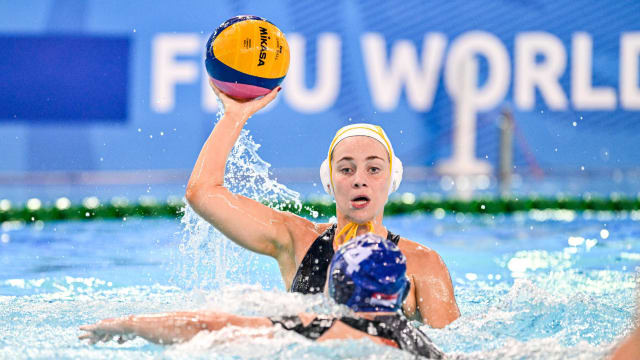
Have you ever watched a game where players swim, pass, and score goals all while battling the water? You might wonder, is water polo really a sport?
It’s more than just a pool game—it’s a test of strength, skill, and teamwork. If you want to understand what makes water polo unique and why it deserves your attention, keep reading. By the end, you’ll see why this intense water battle could be your next favorite sport.
History Of Water Polo
Water polo is a sport with roots dating back to the late 19th century. It combines swimming, ball skills, and teamwork in a fast-paced water-based game. This sport has grown internationally and is now part of the Olympic Games.
Origins And Early Development
Water polo began in the late 19th century in Britain. It started as a form of rugby played in water. Players used a ball similar to a soccer ball. The game was rough and physical, with few rules. Early matches took place in rivers and lakes. The sport quickly gained popularity across Europe. The name “water polo” comes from the English pronunciation of the Balti word “pulu,” meaning ball.
Evolution Through The Decades
Rules became clearer and safer in the early 1900s. The game developed standardized regulations and team sizes. Water polo joined the Olympic Games in 1900. This boosted its global recognition. Over time, techniques and strategies improved. Players became more skilled in swimming and ball handling. Today, water polo combines speed, strength, and teamwork. It remains a popular aquatic sport worldwide.

Credit: www.telegraph.co.uk
Rules And Gameplay
Understanding the rules and gameplay of water polo helps you appreciate the skill and strategy behind this fast-paced sport. The game combines swimming, teamwork, and ball handling in a way that keeps both players and spectators engaged. Let’s break down the key aspects that define how water polo is played.
Basic Rules
Water polo is played in a pool with two teams aiming to score goals by throwing the ball into the opponent’s net. Each match is divided into four quarters, usually lasting 7-8 minutes each. Players must tread water throughout the game, as touching the pool bottom is not allowed.
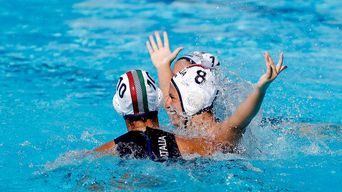
Physical contact is part of the game but limited; actions like holding, sinking, or pulling an opponent without the ball lead to fouls. If a player commits a major foul, they may be excluded for 20 seconds, giving the opposing team a temporary advantage. Have you ever wondered how athletes keep their stamina high while constantly swimming and defending?
Team Structure
Each water polo team consists of seven players in the pool at one time: six field players and one goalkeeper. The goalkeeper’s role is crucial—they can use both hands to block shots and are the last line of defense. The field players specialize in offense or defense, with positions like drivers, wings, and centers.
Substitutions happen frequently during the game, often “on the fly” without stopping play. This keeps the energy levels high and allows fresh players to maintain pressure. Do you think managing your team’s stamina is as challenging as the physical gameplay itself?
Scoring System
Each goal in water polo counts as one point. Teams aim to outscore their opponents within the four quarters. Shots must be taken from outside the 2-meter line unless the player is behind the opponent’s goal.
After a goal, the game restarts with a swim-off from the center of the pool. Penalty shots are awarded for major fouls inside the 5-meter area, offering a high chance to score. Have you considered how quick decision-making during these moments can change the outcome of the game?
Skills And Techniques
Mastering water polo requires a blend of physical strength and precise techniques. The skills you develop in the pool directly impact your performance during intense matches. Let’s dive into the core skills and techniques that make water polo both challenging and exciting.
Swimming And Stamina
Swimming fast and efficiently is a must in water polo. You need to sprint across the pool repeatedly without losing energy. Building stamina is equally important because matches last for several quarters, demanding continuous movement and quick recovery.
Have you ever felt completely drained after a swim? Water polo players train to avoid that fatigue while staying sharp. Practicing different swimming strokes and interval training helps you maintain speed and endurance throughout the game.
Ball Handling Skills
Controlling the ball in water is not easy. You must catch, pass, and shoot accurately while treading water. Developing strong hand-eye coordination and a firm grip on the ball changes the game in your favor.
Try practicing passing drills with a partner or against a wall to improve your precision. Adding variety, like one-handed catches or quick releases, makes your moves unpredictable. How confident do you feel handling the ball under pressure?
Defensive Strategies
Defending in water polo is about positioning, timing, and reading your opponent. You must anticipate their moves to block shots or intercept passes. Physical strength helps, but smart positioning often wins the battle.
Working on your reaction time and learning to stay between the attacker and the goal can shut down scoring opportunities. Have you noticed how great defenders rarely rely on brute force alone? They use their minds and movement to control the game.
Training And Fitness
Training and fitness form the foundation of water polo. Players must develop strong bodies and sharp minds to compete effectively. The sport demands endurance, strength, and quick thinking. Training routines focus on building these key areas.
Physical Conditioning
Water polo players need excellent stamina. Swimming long distances builds cardiovascular health. Strength training improves muscle power for treading water and shooting. Core exercises help maintain balance in the pool. Speed drills enhance quick movements and reactions. Flexibility reduces injury risk and increases reach. Regular practice in the water builds skill and fitness simultaneously.
Mental Preparation
Mental toughness is vital in water polo. Players must stay calm under pressure. Focus improves decision-making during fast-paced play. Visualization techniques help players anticipate opponents’ moves. Team communication boosts confidence and coordination. Coaches often use video analysis to train players’ awareness. Mental training prepares athletes for challenges beyond physical strength.
Competitive Landscape
The competitive landscape of water polo is as dynamic and intense as the sport itself. Whether you are an aspiring player or a fan, understanding where the sport thrives and the events that define it will give you a clearer picture of its global appeal.
Water polo’s competitive scene is built around major tournaments and international competitions that showcase top talent and strategic play. These events often set the stage for memorable moments and rivalries that keep you coming back for more.
Major Tournaments
Major water polo tournaments often serve as the ultimate test for teams and athletes. The National Championships in countries like the USA, Hungary, and Italy are fiercely contested, attracting the best players at the domestic level.
- National Leagues:These leagues run throughout the year and are crucial for player development and team tactics.
- Continental Championships:Events such as the European Water Polo Championship bring together elite teams from across Europe, known for their high skill level.
- Club Competitions:The LEN Champions League is a notable example where top clubs compete for European supremacy.
Have you ever wondered how club-level competition shapes the skills of players who later become international stars? Watching these tournaments can reveal the tactical depth and physical endurance required in water polo.
International Competitions
International competitions elevate water polo to a global stage, highlighting its status as a true sport with worldwide followers. The Olympics remain the pinnacle, drawing the best national teams every four years.
- Olympic Games:Water polo has been part of the modern Olympics since 1900 for men and 2000 for women, making it one of the oldest team sports in the event.
- World Championships:Organized by FINA, the World Aquatics Championships include water polo and offer a platform for fierce international rivalry.
- World Cup and World League:These competitions provide regular international play, keeping teams sharp and fans engaged between Olympic cycles.
Have you noticed how the intensity and style of play differ between international matches and local tournaments? It’s a reminder that water polo demands adaptability and resilience at every level.

Credit: mg.co.za
Water Polo Culture
Water polo culture is more than just the sport itself; it’s a vibrant community that thrives on passion, competition, and shared experiences. The culture reflects how players, fans, and local communities come together, creating a unique atmosphere around this intense water sport. Understanding this culture helps you appreciate why water polo continues to grow and inspire people worldwide.
Popularity Around The World
Water polo has strong roots in Europe, especially in countries like Hungary, Italy, and Croatia, where it enjoys massive followings. In these places, it’s common to see packed arenas and dedicated youth programs that nurture talent from an early age.
Outside Europe, places like the United States and Australia are rapidly growing their water polo scenes. College leagues and regional clubs offer opportunities for new players to jump in and compete seriously.
Have you ever wondered why some sports catch on faster in certain regions? Water polo’s growth often depends on access to pools, coaching quality, and cultural interest in water sports.
Community And Fan Engagement
The water polo community is tight-knit and incredibly supportive, both on and off the pool deck. Players often form lifelong friendships, bonded by shared struggles and victories.
Fans engage actively through social media, local events, and live matches, creating a lively atmosphere that fuels players’ motivation. Many clubs organize outreach programs, encouraging younger generations to discover the sport.
Imagine being part of a community where your cheers and support directly impact the team’s energy. This connection is what makes water polo culture special—you’re not just watching a game; you’re part of a collective experience.
Challenges And Opportunities
Water polo is a sport filled with both unique challenges and exciting opportunities that shape the experience of players and fans alike. Understanding these aspects can help you appreciate the game beyond the surface and recognize its potential for growth and improvement. Let’s dive into some key challenges and opportunities that water polo presents.
Safety Concerns
Water polo is a physically demanding sport played in a pool, which brings safety issues that you need to be aware of. Players often face risks like collisions, muscle strains, and even accidental drowning if proper precautions aren’t taken.
One common concern is the rough physical contact during matches, which can lead to injuries such as cuts, bruises, or shoulder problems. Coaches and players must focus on proper techniques and use protective gear whenever possible to reduce harm.
Have you ever thought about how water polo players maintain their stamina and safety at the same time? Training programs now often include swimming drills and strength exercises tailored to prevent injuries while boosting performance.
Growth Potential
Water polo holds significant potential to grow worldwide, especially as more people discover its fast-paced and strategic nature. The sport is gaining traction in countries where swimming is popular but water polo hasn’t yet become mainstream.
Technology and social media play a huge role in spreading awareness. Live streaming of matches and sharing highlights can attract younger audiences and encourage them to try the sport.
Imagine your local community pool hosting water polo clinics or friendly matches to introduce new players. This grassroots approach can build a strong foundation for water polo’s growth and help create a vibrant, supportive community around the sport.
Credit: www.worldaquatics.com
Frequently Asked Questions
Is Water Polo Recognized As A Sport Worldwide?
Yes, water polo is recognized globally as a competitive team sport. It is governed by international bodies like FINA and played in the Olympics.
What Physical Skills Are Needed For Water Polo?
Water polo requires swimming endurance, strength, agility, and hand-eye coordination. Players must tread water continuously and perform quick passes and shots.
How Long Is A Standard Water Polo Match?
A standard water polo match consists of four periods, each lasting eight minutes. The clock stops frequently, so games often last around an hour.
Is Water Polo An Olympic Sport?
Yes, water polo has been an Olympic sport since 1900 for men and 2000 for women. It is one of the oldest aquatic team sports.
Conclusion
Water polo is definitely a sport that challenges both body and mind. It requires skill, strength, and teamwork in the water. Players swim, pass, and score goals while staying active. This sport offers great exercise and fun competition. Many people around the world enjoy watching and playing it.
Its unique blend of swimming and ball skills makes it special. Water polo proves that sports come in many exciting forms. Try watching a match to see the action live!


