

Are you curious about how to keep track of your daily activity and improve your health? A Fit Bit might be just what you need.
It’s a small device that fits on your wrist and helps you monitor your steps, heart rate, sleep, and more. Imagine having a personal coach with you all day, encouraging you to move more and feel better. You’ll discover exactly what a Fit Bit is, how it works, and why it could make a real difference in your life.
Keep reading to unlock the secret to staying motivated and reaching your fitness goals.
Fitbit Basics
Fitbit Basics introduce a popular tool for tracking health and fitness. Fitbit devices help users monitor daily activities, exercise, sleep, and more. These gadgets motivate people to stay active and reach their wellness goals. Understanding Fitbit’s history and key features shows why it remains a top choice worldwide.
History Of Fitbit
Fitbit started in 2007 as a small company focused on wearable technology. The first Fitbit device launched in 2009, tracking steps and calories. Over the years, Fitbit added features like heart rate monitoring and sleep tracking. The brand grew fast and became a leader in fitness wearables. Fitbit now offers many models for different needs and budgets.
Key Features
- Step Counting: Tracks daily steps to encourage movement.
- Heart Rate Monitoring: Measures heartbeats during rest and exercise.
- Sleep Tracking: Records sleep quality and duration.
- Exercise Recognition: Automatically detects activities like running or cycling.
- Smart Notifications: Displays calls, texts, and calendar alerts.
- Water Resistance: Suitable for swimming and showering.
- Long Battery Life: Lasts several days on one charge.
Types Of Fitbit Devices
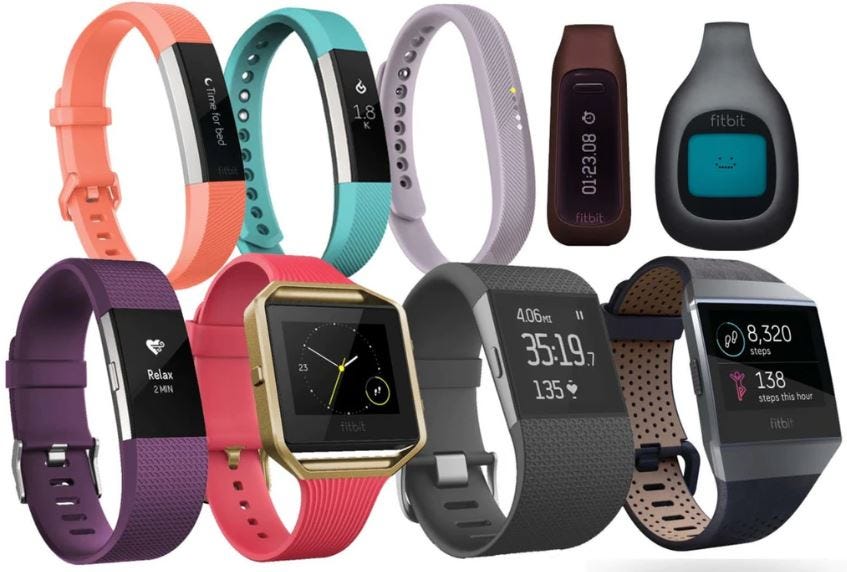
Fitbit offers a variety of devices to suit different lifestyles and fitness goals. Whether you’re just starting to track your activity or want a device that does much more, there’s a Fitbit designed for you. Understanding the types of Fitbit devices can help you pick the one that fits your daily routine best.
Fitness Trackers
Fitness trackers are the core of Fitbit’s lineup, focusing mainly on tracking your physical activity. They monitor steps, distance, calories burned, and often your heart rate throughout the day. If you want a simple device that motivates you to move more and sleep better, a fitness tracker is a solid choice.
Some popular models include the Fitbit Inspire and Fitbit Charge series. These devices are lightweight and have long battery life, making them easy to wear all day and night. Have you ever noticed how just seeing your step count can push you to take the stairs instead of the elevator?
Smartwatches
Fitbit smartwatches combine fitness tracking with smart features like notifications, apps, and music control. They offer a more comprehensive experience, suitable if you want your watch to do more than count steps. The Fitbit Versa and Sense series are great examples that blend health monitoring with daily convenience.
These smartwatches can track your workouts, monitor your heart rate, and even measure your stress levels. They also let you respond to texts or calls right from your wrist. Imagine not needing to pull out your phone during a busy day but still staying connected and informed.
Tracking Capabilities
Fitbit devices offer a range of tracking capabilities that help you understand your daily habits and health better. These features provide detailed insights into your physical activity, heart health, and sleep patterns. Knowing how these trackers work can help you make smarter choices to improve your wellbeing.
Activity Tracking
Fitbit tracks your steps, distance, and calories burned throughout the day. It automatically recognizes activities like walking, running, and even cycling. You can set daily goals and watch your progress in real-time, which keeps you motivated to move more.
Have you ever noticed how seeing your step count rise encourages you to take the stairs instead of the elevator? That’s the power of activity tracking—it turns small moments into healthier habits.
Heart Rate Monitoring
Continuous heart rate monitoring lets you see how your heart responds to different activities. Fitbit measures your resting heart rate and tracks variations during exercise or stress. This data helps you understand your cardiovascular fitness and detect unusual patterns early.
For example, I once realized my heart rate was unusually high during light activities. Adjusting my routine based on this insight helped me avoid burnout. Could tracking your heart rate reveal hidden stress in your daily life?
Sleep Analysis
Fitbit analyzes your sleep stages, including light, deep, and REM sleep. It provides a sleep score and tips to improve your rest quality. Understanding your sleep patterns can highlight issues like frequent wake-ups or insufficient deep sleep.
Tracking my sleep made me realize that late-night screen time was hurting my rest. By changing my habits, I started waking up feeling more refreshed. What changes could better sleep tracking inspire in your routine?

Credit: www.pcmag.com
Integration With Apps
Fitbit devices do more than just track your steps and heart rate—they connect seamlessly with a variety of apps to give you a fuller picture of your health and fitness. This integration allows you to sync data, set goals, and even compete with friends, making your fitness journey more interactive and motivating.
Health Apps
Fitbit syncs effortlessly with popular health apps like Apple Health, Google Fit, and MyFitnessPal. This means your activity, sleep, and nutrition data all come together in one place, so you can see how different aspects of your lifestyle affect your overall well-being.
By connecting Fitbit with these apps, you can track calories consumed versus burned more accurately. It also helps you identify patterns—for instance, how your sleep quality impacts your daily energy levels. Have you noticed changes in your workout performance after a poor night’s sleep? These integrations can help you understand why.
Social Features
Fitbit’s social features turn fitness into a shared experience. You can join challenges, share achievements, and cheer on friends directly through the Fitbit app. This community aspect can boost your motivation, especially on days when you’re tempted to skip a workout.
Sharing your progress isn’t just about competition; it’s about accountability. When you post your milestones or see others hitting theirs, it creates a supportive environment that encourages consistency. What would it feel like to have a group of friends pushing you to take one more step every day?
Benefits Of Using Fitbit
Fitbit devices offer many benefits that help users live healthier lives. They track daily activities and provide useful data. This helps people understand their habits and improve them. Using Fitbit can make fitness routines easier and more fun. It supports better health by giving clear insights and simple goals.
Enhancing Physical Activity
Fitbit tracks steps, distance, and calories burned. It shows progress throughout the day. Users can set activity goals and get reminders to move. This encourages more walking and exercise. Small changes add up to better fitness and energy.
Boosting Motivation
Seeing daily progress motivates users to keep going. Fitbit sends notifications and celebrates milestones. Friendly challenges with friends create fun competition. Rewards and badges make exercise feel rewarding. Staying active becomes a habit, not a chore.
Improving Health Awareness
Fitbit monitors heart rate, sleep, and stress levels. It helps users understand their body better. Data can show patterns and areas to improve. Users learn how rest affects energy and mood. This awareness leads to smarter health choices every day.

Credit: www.amazon.com
Challenges And Limitations
Fitbits offer many benefits for tracking fitness and health. Yet, they come with certain challenges and limits. Understanding these issues helps users set realistic expectations.
Accuracy Concerns
Fitbits use sensors to track steps, heart rate, and sleep. These sensors can sometimes give incorrect data. For example, wrist movements not related to exercise may count as steps. Heart rate readings might vary during intense workouts. Sleep tracking may not always distinguish between light and deep sleep well. Small errors can affect overall health insights.
Privacy Issues
Fitbits collect personal health information. This data is stored on company servers and apps. Users may worry about who can access this sensitive information. Data breaches or unauthorized sharing pose risks. Users should review privacy settings carefully. Understanding data use policies is important for safety.
Future Of Wearable Tech
The future of wearable technology holds exciting possibilities. Devices like Fitbit continue to evolve, blending style with advanced health tools. These wearables will not only track steps but also provide deeper health insights. They offer constant support for a healthier lifestyle.
Innovations In Fitness Tracking
Fitness tracking will become more precise and personalized. Sensors will monitor heart rate, sleep quality, and even stress levels. Advanced algorithms will analyze data to suggest better workouts. Users will receive real-time feedback during exercises. Wearables will also track new activities like swimming and yoga more accurately. Integration with other smart devices will create a complete health ecosystem.
Impact On Health And Lifestyle
Wearable tech will change how people manage their health daily. Early detection of health issues will become easier. Users will get reminders for medication and hydration. Mental health tracking will also improve with mood and mindfulness features. These devices encourage consistent healthy habits. They empower users to make informed choices about diet and activity. Overall, wearables will help people live longer, healthier lives.
Credit: beautyeliteproducts.medium.com
Frequently Asked Questions
What Is A Fitbit Used For?
A Fitbit tracks daily activities like steps, heart rate, and sleep. It helps monitor fitness progress and encourages a healthier lifestyle.
How Does Fitbit Track My Health Data?
Fitbit uses sensors to measure movement, heart rate, and sleep patterns. It syncs data to an app for detailed health insights and trends.
Can Fitbit Improve My Fitness Routine?
Yes, Fitbit motivates users with goals and reminders. It provides personalized insights to help improve workouts and overall health.
Is Fitbit Compatible With Smartphones?
Fitbit connects to most iOS and Android devices via Bluetooth. The app allows easy access to your health data anytime.
Conclusion
A Fit Bit helps track daily activities and health easily. It shows steps, heart rate, and sleep patterns. Many people use it to stay active and healthy. The device fits well in everyday life. It motivates users to move more and rest better.
Choosing the right Fit Bit depends on personal needs. Simple, smart, and useful. A helpful tool for better health habits.


