How Do I Sell My Sports Cards: Proven Tips for Maximum Profit
Are you wondering how to turn your sports card collection into cash? Selling your sports cards can feel confusing if you don’t know where to start.
But don’t worry—you’re closer than you think to making a great sale. Whether you have a few valuable cards or a whole stack, knowing the right steps can help you get the best price. You’ll discover simple, clear tips that make selling your sports cards easy and rewarding.
Ready to unlock the true value of your collection? Let’s dive in.
Assessing Your Collection
Before selling sports cards, understanding your collection is key. Assessing your cards helps you know their worth. It guides you on which cards to sell first. Sorting through your collection also prepares you for buyers’ questions.
Focus on two main areas: card condition and value. Both affect how much money you can get. Taking time here can increase your selling success.
Evaluating Card Condition
Card condition is the main factor in pricing. Check the card’s corners for sharpness. Look for bends, creases, or any surface scratches. The card’s edges should be clean without fraying.
Color and print quality matter. Faded colors lower the card’s value. Make sure the card is not dirty or stained. Consider using a magnifying glass for a close look.
Grading services can help. They give an official score to your card’s condition. A higher grade means a better price. But grading can cost money and take time.
Identifying Valuable Cards
Not all cards have the same value. Some players and editions are more sought after. Look for rookie cards, limited editions, and autographed cards. These often fetch higher prices.
Check the card’s year and brand. Older cards from top brands can be worth more. Cards from major sports leagues have better demand.
Research recent sales of similar cards. This shows the current market price. Use online platforms and sports card forums. This helps you spot trends and rare finds.

Credit: www.facebook.com
Researching Market Trends
Researching market trends is essential before selling your sports cards. It helps you understand the current demand and value, so you can make smart decisions. Without this knowledge, you might miss out on the best opportunities or sell your cards for less than they’re worth.
Popular Sports Cards
Some cards always attract more buyers. Cards featuring top athletes like Michael Jordan, Tom Brady, or LeBron James tend to hold or increase their value. However, popularity can shift quickly—rookie cards from rising stars often become hot items.
Look at recent sales data on platforms like eBay or sports card marketplaces to spot which cards are trending. Notice how certain sports gain attention during their seasons, influencing card popularity. Ask yourself: Which players or teams are getting the most buzz right now?
Timing Your Sale
The timing of your sale can make a big difference in how much you earn. Prices can spike during major events such as playoffs, championships, or after a player breaks a record. Selling during these moments can give your cards extra value.
On the other hand, avoid selling when interest is low, like off-season periods or during player slumps. Track news and social media for clues about when demand might rise. Have you noticed how card prices jump after a big game or announcement?
Choosing The Right Platform
Choosing the right platform to sell your sports cards can make a huge difference in how quickly and profitably you close the deal. You want a place that matches your goals, whether it’s reaching a wide audience or getting a fair price locally. Think about your priorities: speed, convenience, or maximizing value.
Online Marketplaces
Online marketplaces like eBay or specialized sports card sites open your cards to a global audience. This can increase your chances of finding buyers willing to pay top dollar. But keep in mind, competition is fierce, and fees can eat into your profits.
Listing your cards here means you control the price and presentation. You can add detailed descriptions and photos, helping buyers understand exactly what they’re getting. Have you ever noticed how some cards sell for hundreds while others linger unsold? Presentation and timing often play a big role.
One tip is to research completed listings to see what similar cards sold for. This helps you set realistic prices and avoid frustration. Also, be ready to handle shipping and customer questions, which requires time but builds buyer trust.
Local Card Shops
Local card shops offer a hands-on experience you won’t get online. Walking in with your cards, you can get immediate feedback and sometimes quick cash. It’s a great option if you want to avoid shipping hassles and meet other collectors face-to-face.
But remember, shops usually buy at wholesale prices to resell at a profit. This means you might get less money than on an auction site. Still, the convenience and instant sale can be worth it, especially if you’re selling common cards or small lots.
Visiting a few shops to compare offers is smart. You might find one that specializes in the type of cards you have and values them higher. Have you checked your local shops lately? They might surprise you with better deals than you expect.

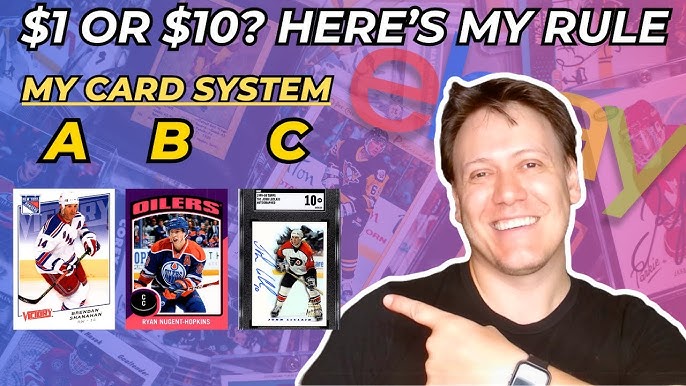
Credit: www.youtube.com
Setting Competitive Prices
Setting competitive prices is crucial when you want to sell your sports cards quickly and at a fair value. Pricing too high might scare off potential buyers, while pricing too low could mean leaving money on the table. Finding the sweet spot requires a mix of research, strategy, and a clear understanding of your card’s condition and rarity.
Pricing Strategies
Start by deciding if you want to sell fast or get the highest price possible. If speed is your priority, consider pricing slightly below the average market value to attract immediate attention.
Another approach is to use tiered pricing:
- Set a base price:The minimum you are willing to accept.
- Target price:A realistic market value based on research.
- Aspirational price:A higher price for collectors who might pay a premium.
This method gives you flexibility during negotiations. You can start at the aspirational price and be ready to lower it toward your base price if needed.
Comparing Similar Listings
Look at listings of cards that match yours in player, year, and condition. Pay attention not just to asking prices, but also to recently sold prices.
Websites like eBay’s completed sales or dedicated sports card marketplaces show what buyers are actually paying. This data helps you avoid pricing your card too high or too low compared to the current market.
Don’t forget to factor in the card’s condition—minor flaws can significantly reduce value. Ask yourself: Would you pay this price for a card in this exact state? If your answer is no, adjust your price accordingly.
Creating Attractive Listings
Creating attractive listings is key to catching the eye of potential buyers and getting the best price for your sports cards. It’s not just about throwing up a quick post; the details you provide and the way you present your cards can make all the difference.
High-quality Photos
Pictures speak louder than words, especially online. Clear, well-lit photos help buyers see exactly what they’re getting and build trust in your listing.
Use natural light or a bright lamp to avoid shadows and glare. Take multiple shots from different angles—front, back, and close-ups of any special features or flaws.
Think about how you frame your card. A clean, simple background keeps the focus on the card. Have you noticed how listings with blurry or dark photos often get ignored? Don’t let your cards fall into that trap.
Detailed Descriptions
Your description should give buyers all the info they need without overwhelming them. Include the card’s year, brand, player name, condition, and any unique attributes like autographs or limited editions.
Be honest about any damage or wear. This transparency builds trust and reduces the chances of returns or disputes.
Consider adding a short story about the card’s significance or why it’s special to you. This personal touch can help buyers connect with your listing on a deeper level.
Negotiation Tactics
Negotiation tactics play a key role in selling sports cards. They help you get fair offers and better deals. Knowing how to handle offers and maximize profit leads to successful sales. Simple strategies can make a big difference in the final price.
Handling Offers
Listen carefully to each offer you receive. Don’t accept the first number right away. Take time to think about the value of your card. Ask questions about the buyer’s interest and budget. Be polite but firm in your replies.
Keep these tips in mind:
- Respond quickly to show you are serious.
- Counteroffer with a price slightly higher than your goal.
- Stay calm and avoid rushing decisions.
- Don’t hesitate to walk away from low offers.
Maximizing Profit
Maximize profit by knowing your card’s real worth. Research recent sales of similar cards online. Highlight any unique features or rare editions. Present your card with clear photos and honest details.
Consider these tactics to get the best price:
- Set a minimum price before negotiations begin.
- Bundle multiple cards for a higher total sale.
- Offer flexible payment or shipping options.
- Build a good relationship with buyers for repeat sales.
Shipping And Handling
Shipping and handling are crucial when selling your sports cards. The way you package and send your cards can make or break the sale experience. You want to ensure your cards arrive safely, maintaining their condition and value.
Protecting Your Cards
Start with sturdy card sleeves to shield each card from scratches. Then, place them in top loaders or semi-rigid holders to prevent bending during transit. Wrap the entire package in bubble wrap for extra cushioning.
Use a rigid mailer or small box that fits snugly around your wrapped cards. Avoid envelopes that can easily bend or get crushed. Double-check that your packaging is sealed tightly to keep moisture and dirt out.
Choosing Reliable Carriers
Pick a carrier known for careful handling and timely delivery. Services that offer tracking and insurance give you peace of mind. You don’t want your valuable cards lost or damaged without a way to recover your costs.
Compare carriers like USPS, FedEx, and UPS based on their rates, delivery times, and customer reviews. Have you ever received a package in poor condition and wished you had chosen a different shipping option? Your choice here can save you that frustration.

Credit: www.tiktok.com
Avoiding Common Pitfalls
Selling sports cards can be exciting, but it also comes with challenges that can cost you money or damage your reputation. Avoiding common pitfalls is key to making smart sales and building trust with buyers. Understanding the risks and managing your selling process carefully will help you get the most from your collection.
Recognizing Scams
Scams are everywhere, especially online. If a buyer offers to pay more than your card’s market value or pushes for quick, unusual payment methods, that’s a big red flag. Always verify the buyer’s profile and read reviews if you’re using a platform like eBay or Facebook Marketplace.
Watch out for fake payment confirmations too. Scammers often send bogus emails that look like payment receipts. Double-check your account before sending the card to be safe.
Have you ever felt rushed by a buyer? That pressure is often a trick to make you skip important checks. Take your time and trust your instincts.
Maintaining Seller Reputation
Your reputation as a seller affects future sales more than you might think. Honest communication and accurate descriptions build trust. If you describe your cards clearly and disclose any flaws, buyers will appreciate your transparency.
Respond promptly to questions and handle disputes calmly. A good track record of positive feedback encourages repeat buyers and referrals.
Consider packaging your cards securely to avoid damage during shipping. This small step can prevent complaints and boost your ratings.
Frequently Asked Questions
How Do I Determine My Sports Card’s Value?
Check recent sales of similar cards online. Use grading services like PSA or Beckett for accuracy. Rarity, condition, and player popularity also affect value. Research helps you set a fair price before selling.
Where Can I Sell My Sports Cards Safely?
Sell through reputable platforms like eBay, COMC, or sports card shops. Local card shows and online marketplaces are good options. Choose trusted venues to avoid scams and get the best price.
Should I Get My Sports Cards Professionally Graded?
Yes, grading increases buyer confidence and can raise card value. Professional grades assess condition, authenticity, and rarity. This step is crucial for high-value or rare cards to maximize selling price.
How Do I Package Sports Cards For Shipping?
Use rigid sleeves and top loaders to protect cards. Place cards in bubble mailers or sturdy boxes. Proper packaging prevents damage during transit and ensures cards arrive safely to buyers.
Conclusion
Selling sports cards takes some research and patience. Start by knowing your cards’ value. Choose a trusted place to sell, like online marketplaces or local shops. Take clear photos and write honest descriptions. Be ready to answer buyer questions. Keep track of your sales and stay safe during transactions.
With care and effort, you can sell your sports cards successfully. It’s a simple process once you learn the steps. Ready to turn your collection into cash? Give it a try!

Similar Posts