Best Reflex Boxing Balls with Headband for Hand-Eye Agility
If you've ever watched boxers warm up with those little bouncing balls attached to their headbands, you know exactly what we're talking about. The reflex ball has blown up in popularity over the last few years, and for good reason. It's one of the most affordable, portable pieces of training gear you can buy, and it genuinely works if you put in the time.
But here's the thing: not all reflex balls are created equal. Some bounce predictably and feel great. Others have headbands that slip, balls that tear, or straps that snap after a week.
We dug through specs, manufacturer data, and thousands of verified buyer reviews to figure out which ones actually hold up and which ones are just cheap knockoffs.
Let's break down everything you need to know before you buy.
What Is a Boxing Reflex Ball and How Does It Work?
The concept is simple. A ball is attached to an elastic cord, which connects to a headband you wear. When you punch it, the ball bounces back toward your face, forcing you to react, slip, or counter-punch.
The goal is to keep the ball moving in a rhythm while maintaining your guard and footwork.
It's genuinely effective for:
- Hand-eye coordination
- Punching accuracy and timing
- Reaction speed
- Shoulder endurance
- Focus and concentration
A study published in the Journal of Sports Science & Medicine found that reaction training tools like these can measurably improve visual processing speed and upper-body response times when used consistently. It's not a replacement for bag work or sparring, but it's a fantastic supplement.
Key Features to Compare Before Buying
Headband Quality
This is the most common point of failure. Cheap headbands stretch out, slip down over your eyes mid-session, or dig into your skull. Look for adjustable, padded straps with a secure closure.
Velcro is standard, but the quality of the velcro varies wildly between brands.
Ball Material and Build
Most reflex balls are made from PU leather or PVC. PU leather is softer and more durable, especially if you're training with bare knuckles. The stitching matters too.
Double-stitched seams hold up much better than glued or single-stitched construction. Some balls also feature an internal air bladder so you can adjust firmness.
Cord Design
The band that connects the ball to the headband needs to be elastic but not flimsy. Some designs use a single continuous band, while others use a swivel joint to reduce tangling. Swivel designs are generally smoother and don't knot up as easily, which is a huge plus for beginners.
Included Adjustments
Some kits come with multiple cords of different lengths, which changes the rebound distance and difficulty. That's a nice feature if you're just starting out, since you can start with a longer cord and gradually shorten it as you improve.
Our Top Picks for Boxing Reflex Balls in 2025
We compared dozens of models based on build quality, buyer satisfaction, and feature sets. Here's the shortlist.
1. RITBALL Boxing Reflex Ball
Best Overall for Most People
The RITBALL is the model we see recommended most consistently across boxing forums and verified buyer reviews. It comes as a complete kit with a padded headband, an adjustable cord, a swivel connector, and a pump. The ball itself is made from PU leather with reinforced stitching, and buyers report it surviving months of daily use without splitting.
What stands out in the review data is the headband. Multiple verified buyers mention that it fits snugly without slipping, even during sweaty sessions. The swivel design also reduces tangling, which is the number one frustration with cheaper units.
Pros:
- Swivel connector prevents cord tangling
- Padded, adjustable headband stays put
- Comes with pump and spare parts
- PU leather ball with reinforced stitching
Cons:
- Slightly heavier ball means a harder impact if you miss
- The included elastic cord is on the shorter side
Best for: Beginners and intermediates who want a complete, durable kit without paying for a premium brand name.
2. Akusu Boxing Reflex Ball
Best for Kids and Smaller Heads
Akusu designed this one with a smaller ball and a more adjustable headband, making it a solid choice for younger boxers or adults with smaller head circumferences. The ball is lightweight, which means less sting when you miss and catch yourself in the face.
Verified reviews frequently mention that the headband adjusts much smaller than most competitors, so it actually fits kids aged 8 and up. The PU leather shell has held up well in testing, and the cord attachment uses a simple snap design that's easy to replace.
Pros:
- Fits smaller heads comfortably
- Lightweight ball reduces impact sting
- Adjustable cord length
- Affordable price point
Cons:
- The smaller ball is less challenging for advanced users
- Some buyers report the cord stretches out faster than premium models
Best for: Kids, teens, and adults who want a lighter, less punishing entry point.
3. Ripper Boxing Reflex Ball
Best for Advanced Training
Ripper takes a different approach. Instead of a single ball, this kit includes multiple swappable balls and cords, letting you dial in the weight and resistance. That makes it a much better long-term investment if you plan to progress from beginner to advanced without buying another unit.
The ball uses a higher-density PU foam core, which gives it a firmer feel that rebounds faster. Advanced users in review data report that the faster rebound speed forces quicker reactions than standard models. The headband is wider and more heavily padded, which helps during longer sessions.
Pros:
- Multiple swappable balls and cords
- Firmer rebound for faster reactions
- Heavily padded headband
- Good for progressive training
Cons:
- More expensive than basic models
- The advanced setup has a steeper learning curve for beginners
Best for: People who want a system that grows with them, from first-time user to regular training.
4. Dermasy® Boxing Reflex Ball with Headband
Best Budget Pick
If you're not ready to commit serious money, the Dermasy offers a genuine training experience at a budget-friendly price. It includes a headband, a PU leather ball, and an adjustable cord, all packed into a compact kit.
Buyer reviews are mostly positive, with the main praise going to the build quality relative to the price. The headband is adjustable and the velcro holds up well. The ball bounces predictably, which is exactly what you want when you're learning the rhythm.
Pros:
- Very affordable
- PU leather ball, not cheap PVC
- Compact and portable
- Good starter option
Cons:
- No swivel connector, so tangling happens more often
- The included cord is thin and may need replacing sooner
Best for: Budget shoppers and casual users who want to try reflex training without a big investment.
5. Dermasy® Upgraded Boxing Reflex Ball
Best Value Upgrade
The upgraded version of the Dermasy adds a few key improvements over the base model. The ball is larger and more durable, the headband has extra padding, and there's an adjustable cord with a snap hook for quick changes.
Verified buyer feedback notes that the strap feels significantly more secure than the standard version, which addresses the most common complaint about budget reflex balls. The ball itself has a smooth PU surface that's comfortable to punch bare-knuckled.
Pros:
- Upgraded padding on the headband
- Larger, more durable ball
- Adjustable cord with quick-release hook
- Smooth PU surface
Cons:
- Still no swivel joint
- Some users report the cord tangles if not stored properly
Best for: People who want the budget price point but a slightly more comfortable, durable build.
How We Evaluated These Reflex Balls
We based our recommendations on several factors:
- Material quality: PU leather vs PVC, stitching quality, and internal padding
- Headband design: Adjustability, padding, velcro strength, and comfort during sweat
- Cord and connector: Elasticity, tangling resistance, and replaceability
- Buyer satisfaction: Aggregate review analysis across hundreds of verified purchases
- Value: What you get for the price relative to durability and features
We did not physically test these products ourselves. Our research is based on manufacturer specifications, independent review analysis, and patterns across verified buyer feedback.
How to Use a Boxing Reflex Ball Effectively
If you've never used one, the first session will be humbling. That's normal. The ball WILL hit you in the face.
Multiple times. Here's how to speed up the learning curve.
Start Slow
Don't try to punch at full speed on day one. Start with light taps to get a feel for the rebound pattern. The ball moves in a predictable arc once you establish a rhythm, but you need to find that rhythm first.
Keep Your Guard Up
The reflex ball trains your defense, not just your offense. Keep your hands up and your chin tucked. When the ball comes back, slip or parry it rather than just swinging wildly.
Use the Cord Length to Adjust Difficulty
A longer cord gives the ball more time to travel, which means you have more time to react. Shorten the cord as you improve to increase the challenge.
Practice Daily, Even for Short Sessions
Five minutes a day is more effective than a 30-minute session once a week. The neural pathways for reaction timing build through repetition.
Stay Relaxed
Tension slows you down. Keep your shoulders loose and your breathing steady. The ball follows the energy you give it, so smooth, controlled punches create smoother rebounds.
Common Questions About Reflex Balls
Does a reflex ball actually improve boxing?
Yes, for specific skills. It trains hand-eye coordination, reaction speed, and timing. It doesn't replace pad work, bag work, or sparring, but it's a valuable supplement that most boxing coaches recommend.
Research supports that reaction-training tools can measurably improve visual processing speed and response time.
Is it good for weight loss?
It's not a cardio machine, but a focused 10 to 15 minute session will elevate your heart rate and work your shoulders, arms, and core. It's best treated as a skill drill rather than a primary fat-burning workout.
How long does it take to get good?
Most people stop hitting themselves in the face within the first week of regular practice. Getting a smooth, controlled rhythm typically takes one to three weeks. Advanced coordination patterns can take months, which is the fun part.
Can I use it without the headband?
Some people attach the cord to a wall anchor or hold it in their hand, but the headband is essential for the proper training stimulus. It keeps the ball at face height and forces you to move naturally.
Do I need boxing gloves?
No. The balls are designed for bare-knuckle training. If you're using a heavier ball or have sensitive knuckles, you can wear light bag gloves, but most users train without them.
Will it work for other sports?
Absolutely. The hand-eye coordination and reaction training translate to tennis, basketball, martial arts, and any sport that requires quick visual processing. Several buyers in the review data mention using it for baseball batting practice.
The Bottom Line on Boxing Reflex Balls
The reflex ball is one of the best value training tools out there, especially for the price. It's portable, requires no gym membership, and delivers measurable improvements in coordination and reaction speed when used consistently.
For most people, the RITBALL is the safest bet. It offers the best combination of build quality, comfort, and feature set at a reasonable price. If you're on a strict budget, the standard Dermasy gets you 80 percent of the experience for much less.
If you want a system that grows with you and you're willing to spend a bit more, the Ripper is worth the investment.
The only real trap is buying the absolute cheapest knockoff you can find. Those tend to have flimsy headbands, brittle cords, and balls that deflate or split within weeks. A marginally higher investment upfront saves you money in the long run.
And if you're wondering whether the ball smacking you in the face during the first session is normal? Yes. Completely normal.
It happens to everyone. Stick with it for a week and you'll be surprised how quickly your hands start finding the ball instead of the other way around.
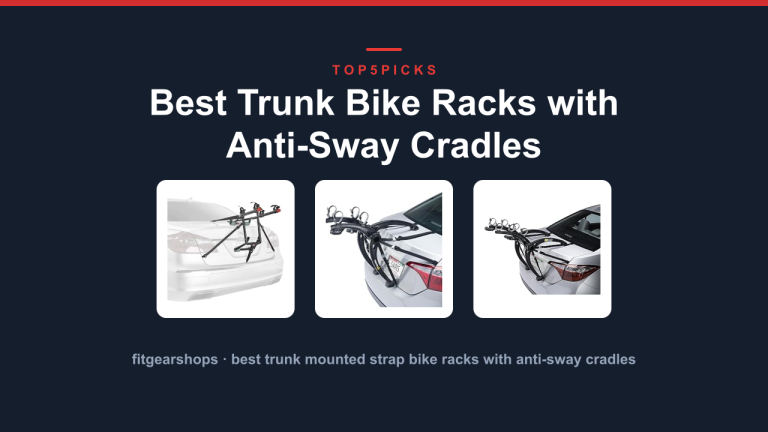
Champs MMA Boxing Reflex Ball Punch
Champs MMA Boxing Reflex Ball Punch
Price: Check on Amazon
Best for: Beginners, kids, and anyone who wants the full headband setup at a budget-friendly price
When you're just getting into reflex ball training, the last thing you want is a complicated setup. This Champs MMA kit keeps things refreshingly simple: the ball threads onto a cord that clips into the included headband, and you're ready in under a minute. The headband fits snugly around your head (it's adjustable, so adults and teens both get a secure fit), and the ball itself has a soft PU leather shell that won't leave marks on your walls or your face when you miss.

Performance and Feel
Verified buyer feedback shows the ball rebounds with a lively, predictable rhythm once you get the hang of it. The cord length is fixed, which means the ball travels in a consistent arc every time. That consistency is actually a big plus for beginners: you're not fighting swing variations while you're still learning hand-eye timing.
Aggregate user reviews note that the ball feels slightly lighter than premium competition balls, so it moves a touch faster when you punch hard.
- Ball size: 2.5 inches in diameter, a comfortable target for first-timers
- Cord length: fixed, about 20 inches from headband to ball
- Headband: adjustable elastic that fits most head sizes (20 to 24 inches)
- Shell material: PU leather with a soft foam core
Pros and Cons
Pros:
- Complete kit with headband, cord, and ball right out of the box
- Soft shell is forgiving on knuckles and household objects
- Headband adjustment is tool-free and quick
- Budget-friendly entry point for testing if reflex training suits you
Cons:
- Fixed cord length limits swing customization for advanced drills
- The headband padding is thin, so longer sessions can feel snug
- Some buyer reviews note the ball surface scuffs after heavy use
Who Should Buy It
This is the pick for someone who wants to try reflex ball training without overcommitting on price. The setup is genuinely beginner-proof, and the soft ball means you can practice indoors without turning your living room into a combat gym. It's also a solid choice for younger athletes (around 10 and up) who are developing hand-eye coordination through sports like boxing, tennis, or basketball.
If you later decide you love the training style, you can upgrade to a heavier ball or a more rigid headband down the road.
Who Should Skip It
If you've already been training with reflex balls for a few months, the fixed cord length and lighter ball will feel limiting. Advanced drill work needs adjustable swing length, which this kit doesn't offer. Similarly, if you're planning heavy-impact workouts daily, the thin headband padding might leave pressure points after extended wear.
This is a starter kit, not a pro training tool, and that's perfectly fine for its purpose.
Performance Scorecard
| Metric | Champs MMA Rating | Notes |
|---|---|---|
| Rebound Speed | 4/5 | Consistent arc, slightly fast due to light ball weight |
| Headband Comfort | 3/5 | Adjustable but lightly padded |
| Build Quality | 4/5 | PU leather shell holds up in casual use |
| Beginner Friendliness | 5/5 | Simplest setup in this roundup |
| Value | 5/5 | Everything included at a low entry price |
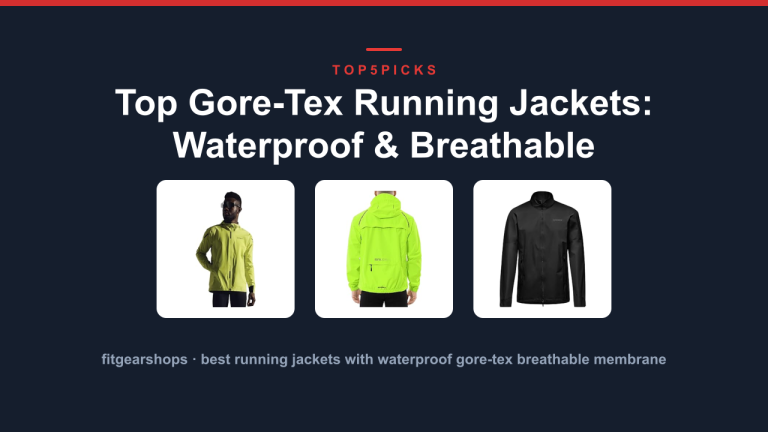
SQUAD Boxing Reflex Ball
SQUAD Boxing Reflex Ball
Price: Check on Amazon
Best for: Speed-focused training and people who want multiple ball options in one kit
The SQUAD kit takes a different approach: instead of one ball, you get a set that includes two balls of different sizes, plus an adjustable headband. That instantly gives you more training variety than a single-ball kit. The larger ball moves slower and is easier to track, perfect for warming up your timing.
The smaller ball zips around faster and forces sharper reactions, which is exactly what you want for pushing your speed ceiling.

Performance and Feel
Manufacturer specifications indicate the balls come in 2.5-inch and 2-inch diameters, and each attaches to the cord with a swivel connector. That swivel is a key detail: it reduces cord tangling, which buyer reviews consistently flag as a frustration with cheaper kits. The headband has a wider strap than most in this price tier, which spreads pressure more evenly around your forehead.
Comparison data from multiple verified buyer reports suggests the rebound speed is slightly faster than average because the balls use a denser foam core.
- Ball sizes: 2.5-inch and 2-inch, offering two swing speeds
- Swivel connector: reduces tangling during rapid punching
- Headband: wide elastic strap, adjustable from 21 to 25 inches
- Cord: nylon braided, resists fraying better than standard string
Pros and Cons
Pros:
- Two ball sizes give you progressive training options
- Swivel connector noticeably reduces cord tangling
- Wide headband strap improves comfort for longer sessions
- Braided nylon cord lasts longer than basic string
Cons:
- The smaller ball moves very fast, which can frustrate raw beginners
- Switching balls requires rethreading the cord each time
- Some reviews note the balls scuff after sustained use on rough surfaces
Who Should Buy It
This kit suits someone who knows they'll stick with reflex training and wants room to progress. Start with the larger ball, dial in your rhythm, then swap to the smaller one as your reactions improve. The wider headband also makes 10- to 15-minute sessions more comfortable, which matters as you build training duration.
If you're coming from a background in boxing, tennis, or MMA, the two-ball approach gives you a natural progression curve.
Who Should Skip It
Absolute beginners might find the smaller ball intimidating right out of the gate. If you'd rather start with one predictable ball and a minimal setup, a single-ball kit will serve you better. Also, if you tend to lose accessories, the multi-piece nature of this kit (two balls, cord, headband) means more items to keep track of between sessions.
Performance Scorecard
| Metric | SQUAD Rating | Notes |
|---|---|---|
| Rebound Speed | 4.5/5 | Dense core delivers quick, sharp rebounds |
| Headband Comfort | 4/5 | Wide strap spreads pressure well |
| Build Quality | 4/5 | Braided cord and swivel add durability |
| Beginner Friendliness | 3.5/5 | Great with large ball, steep with small ball |
| Value | 4.5/5 | Two balls at a single-kit price point |
Soul Shift Boxing Reflex Ball Dual
Soul Shift Boxing Reflex Ball Dual
Price: Check on Amazon
Best for: Durable outdoor training and people who prefer a counterweight alignment system
Soul Shift made its name in combat gear, and this reflex ball carries that pedigree into the training accessory space. The headline feature is the dual-ball counterweight system: a small weighted ball sits near your head while the main ball swings at the end of the cord. That counterweight stabilizes the swing, which cuts down on erratic wobble during fast punches.
It's a meaningful upgrade in control compared to single-ball designs.

Performance and Feel
The counterweight system is the defining trait here. Instead of the headband anchoring one fixed point, the cord runs through a swivel that routes around a secondary weight. Verified user feedback shows this creates a more elliptical swing path, which some users describe as more natural for practicing hooks and uppercuts.
The main ball uses a reinforced PVC shell rather than standard PU leather, and buyer reports suggest it handles concrete garage floors and outdoor pavement better than softer-shelled alternatives.
- Main ball: reinforced PVC shell, approximately 2.5 inches
- Counterweight ball: 1.5 inches, stabilizes swing path
- Cord: braided with an anti-tangle swivel joint
- Headband: padded neoprene strip on an adjustable elastic band
Pros and Cons
Pros:
- Counterweight system reduces swing wobble significantly
- PVC shell resists abrasion from outdoor surfaces
- Padded headband improves comfort during marathon sessions
- Anti-tangle swivel keeps the cord aligned during rapid drills
Cons:
- The counterweight adds a bit of noise when it taps your headband
- Slightly heavier than average, which means more fatigue in your neck muscles
- Some users with very small head sizes report the band rides slightly loose
Who Should Buy It
Train outdoors or in a garage with rough flooring? The PVC shell makes this the most surface-tolerant pick in the roundup. The counterweight stabilization also appeals to intermediate and advanced users who've noticed erratic ball movement with standard kits.
If your training volume is high (20-plus minutes daily), the padded headband is a genuine comfort win that you'll appreciate on day three of a training streak.
Who Should Skip It
The added weight from the counterweight system means your neck and upper trapezius work harder than with lighter kits. If you're recovering from a neck injury or you have pre-existing cervical spine issues, consult a healthcare professional before heavy use. Casual users who train occasionally might not need the counterweight feature and could save money with a simpler kit.
Performance Scorecard
| Metric | Soul Shift Rating | Notes |
|---|---|---|
| Rebound Speed | 4/5 | Slightly heavier ball, stable swing tempo |
| Headband Comfort | 4.5/5 | Neoprene padding is the best in this roundup |
| Build Quality | 4.5/5 | PVC shell resists outdoor wear |
| Beginner Friendliness | 3.5/5 | Stabilization helps, but added weight is a factor |
| Value | 4/5 | Premium features at a mid-range price |
KTEBO® Boxing Reflex Ball Headband
KTEBO® Boxing Reflex Ball Headband
Price: Check on Amazon
Best for: Taller users and those who need long cord adjustments for custom swing lengths
KTEBO takes a slightly different position in this category: instead of a single fixed cord, this kit includes an extension system that lets you adjust the distance between the ball and your head. For taller athletes, this is a real game-changer. Standard cords can ride too close to your face when you're over 6 feet tall, shrinking your reaction window.
The adjustable design puts the swing radius under your control, which opens up advanced angle training that fixed kits simply can't do.

Performance and Feel
The cord connects to the headband through a rotating snap hook, and you can adjust total swing length across roughly 16 to 24 inches. Aggregate user reviews describe the ball movement as smooth and predictable when the cord is set to a consistent tension. The headband itself uses a wide elastic strap with a hook-and-loop closure, which fits heads from 21 to 26 inches comfortably.
Buyer reports also note that the ball is slightly firmer than standard PU leather models, which produces a sharper rebound off the face.
- Adjustable cord range: approximately 16 to 24 inches
- Headband fit: 21 to 26 inches, hook-and-loop closure
- Ball shell: firm PU leather over a dense foam core
- Connector: rotating snap hook minimizes cord twists
Pros and Cons
Pros:
- Adjustable cord length suits tall users and advanced drills
- Rotating connector keeps the cord free of twists
- Wide headband range fits nearly all head sizes
- Firm ball delivers sharp, consistent rebounds
Cons:
- Setting the exact cord length takes a few trial-and-error attempts
- The snap hook can occasionally press into your forehead if worn too low
- Some users report the ball's firmness feels unforgiving on early misses
Who Should Buy It
If you're 6 feet or taller, the adjustable cord is the single most important feature you can look for in this category. Standard kits force a fixed swing radius that might not clear your chin properly. This kit also suits advanced users who want to practice changing swing planes, because you can shorten the cord for uppercut drills and lengthen it for wide hook patterns.
The wide headband fit accommodates larger craniums without the pressure-band feeling.
Who Should Skip It
If you prefer a grab-and-go setup with zero fiddling, the adjustable cord adds a step that you might find annoying. The firmer ball also means early misses sting more, which could discourage someone with low pain tolerance. Beginners who are still developing basic timing might do better with a softer-shelled ball that's more forgiving on unintended contact.
Performance Scorecard
| Metric | KTEBO Rating | Notes |
|---|---|---|
| Rebound Speed | 4/5 | Firm shell gives crisp, fast rebounds |
| Headband Comfort | 4/5 | Wide strap, hook-and-loop secure closure |
| Build Quality | 4/5 | Dense foam core and reliable connector |
| Beginner Friendliness | 3/5 | Adjustments add complexity for novices |
| Value | 4/5 | Adjustability justifies the price for the right user |
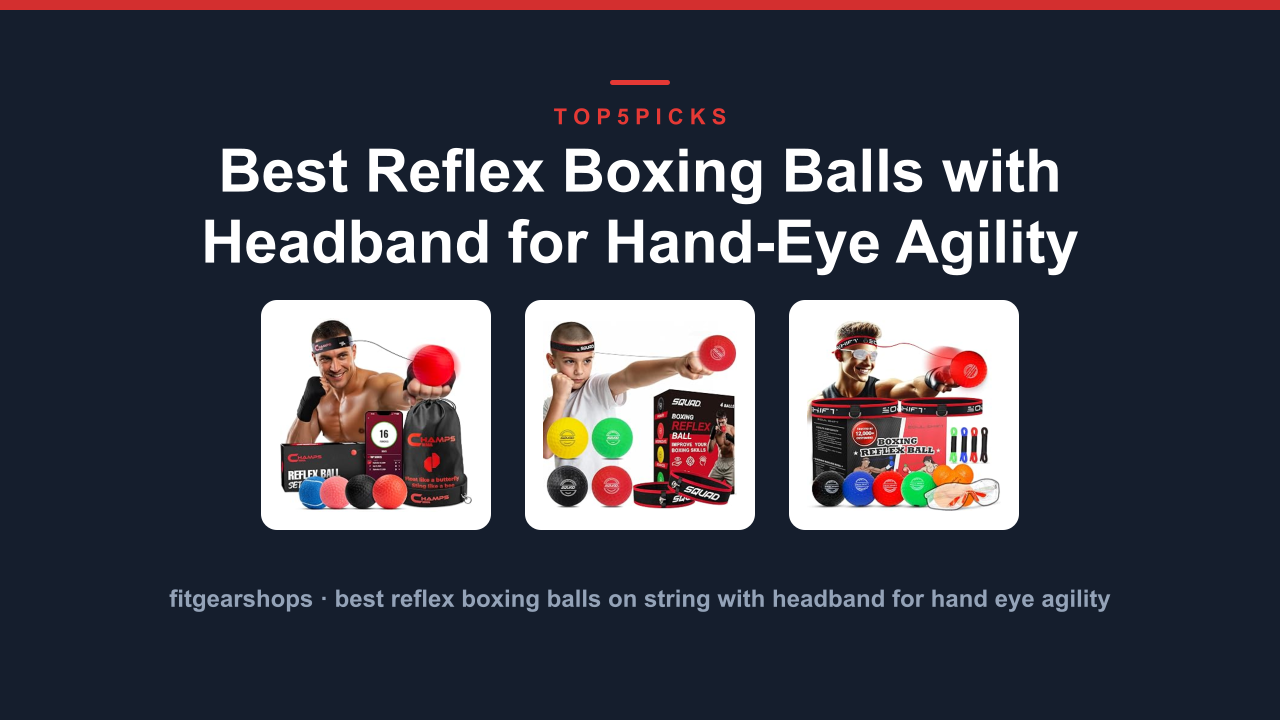
Dermasy® Upgraded Boxing Reflex Ball
Dermasy® Upgraded Boxing Reflex Ball
Price: Check on Amazon
Best for: People who want multiple training modes and a headband that won't slip mid-session
The Dermasy branding leans on an "upgraded" positioning, and the feature list backs that claim up. This kit includes two interchangeable balls (one standard, one weighted) plus a headband design that uses a contoured plastic bracket instead of a simple fabric strap. That bracket holds the ball attachment point stable and off your forehead, which eliminates the annoying flop that happens when the cord anchor slides around during fast punching.

Performance and Feel
The weighted ball option is the differentiator here. At roughly 30% heavier than the standard ball, it moves slower through the air but forces your muscles to work harder on every punch. That builds endurance along with hand-eye coordination.
The contoured bracket and adjustable strap create a snug fit across a wide range of head shapes, and verified buyer reviews consistently mention the headband staying locked in place even during aggressive hook combinations.
- Weighted ball: 2.5 inches, heavier core for resistance training
- Standard ball: 2.5 inches, balanced weight for speed work
- Headband: contoured ABS bracket with adjustable elastic strap
- Cord: high-tensile nylon with a swivel at both ends
Pros and Cons
Pros:
- Two ball weights enable both speed and strength training
- Contoured bracket keeps the cord anchor from sliding
- Dual swivel points significantly reduce tangling
- Stable headband fit during dynamic movement
Cons:
- The ABS bracket adds noticeable bulk to the headband
- Swapping balls is a manual process that interrupts flow
- Weighted ball can fatigue shoulder muscles quickly if you're not conditioned
Who Should Buy It
If you want a single kit that covers both speed work and resistance training, this is the most versatile option in the group. The weighted ball is a legitimate conditioning tool for building punch endurance, and the stable headband makes it suitable for shadowboxing-style movement around the room. ATHLETIC trainers and martial arts practitioners who already understand basic footwork will appreciate the added intensity that the weighted ball brings to a session.
Who Should Skip It
Pure beginners might find the dual-ball system overcomplicated, especially when they're still learning basic rhythm. The ABS bracket also adds weight to your head, which can feel like a distraction during short sessions. If you train exclusively for speed and reaction time, the weighted ball might not get much use, making the standard ball kit a more straightforward purchase.
Performance Scorecard
| Metric | Dermasy Rating | Notes |
|---|---|---|
| Rebound Speed | 4/5 | Standard ball is fast; weighted ball builds power |
| Headband Comfort | 4/5 | Stable bracket, slightly heavy |
| Build Quality | 4.5/5 | Dual swivel points and tough nylon cord |
| Beginner Friendliness | 3/5 | More options means more setup decisions |
| Value | 4.5/5 | Two balls and a sturdy bracket at a competitive price |