Is Track a Sport: Unveiling the Truth Behind the Track Events
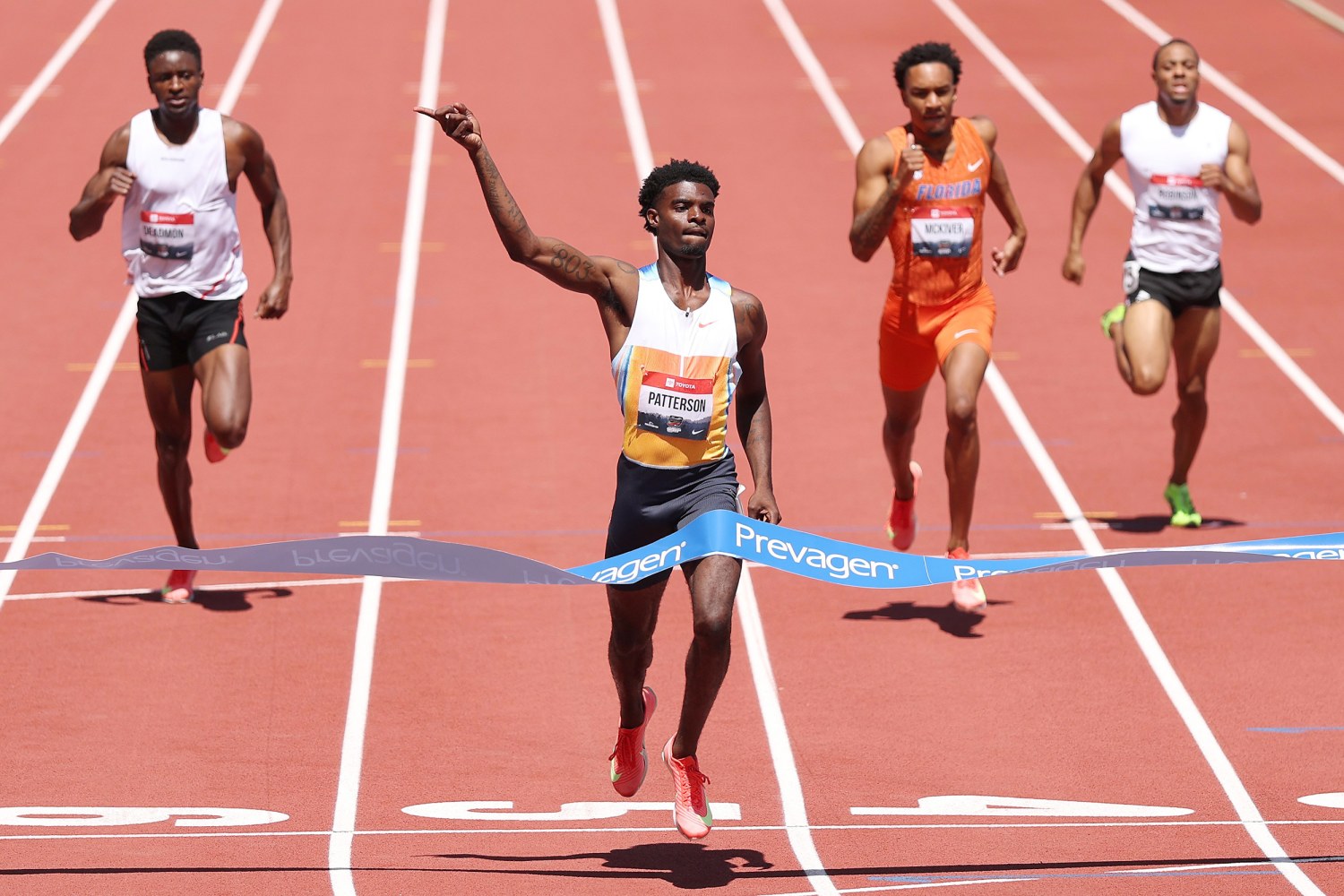
Have you ever wondered if track is really a sport? You might think of sports as games with balls, teams, or goals.
But track is different—it’s all about speed, endurance, and pushing your body to its limits. If you’re curious about what makes track unique and whether it fits into the world of sports, this article is for you. Keep reading to discover why track deserves your attention and how it challenges both your mind and body in ways you might not expect.
Track And Field Basics
Track and field is often seen as a straightforward sport, but it holds layers of excitement and variety that can surprise you. Understanding the basics can change how you view each race, jump, or throw. Knowing the roots and the way competitions have changed helps you appreciate the skills and strategy behind every event.
History Of Track Events
Track events began thousands of years ago, with evidence from ancient civilizations like Greece. The Olympic Games in 776 BC featured foot races that tested speed and endurance. These early races were simple but laid the foundation for modern track events.
Over time, different cultures added their own styles and distances. For example, the ancient Egyptians and Romans introduced chariot races and various footraces. You might find it interesting that some events today, like the marathon, trace back to specific historical stories and battles.
Evolution Of Track Competitions
Track competitions have changed a lot since those ancient beginnings. Today, they include a wide range of events such as sprints, middle-distance, long-distance, hurdles, and relays. This variety tests different athlete skills, from pure speed to stamina and coordination.
The structure of competitions also evolved. Modern meets use precise timing systems and standardized tracks to ensure fairness. Have you ever wondered how electronic timing improved race accuracy compared to old manual stopwatches?
Track and field has also become more inclusive. Women’s events were added much later, reflecting changes in society’s view on sports participation. This evolution shows how the sport adapts and grows with the people who love it.

Credit: www.theguardian.com
Defining Sport
Understanding what makes an activity a sport is more complex than it seems. The term “sport” often brings to mind images of competition, physical exertion, and skill. But what exactly defines a sport? Let’s break down the key elements that help us decide if track qualifies as one.
Criteria For A Sport
To classify an activity as a sport, certain criteria are usually met. These include:
- Structured Rules:There must be clear, established rules that all participants follow.
- Competition:The activity involves competing against others or oneself to achieve a goal.
- Skill and Training:Success depends on developed skills and consistent practice.
- Physical Effort:The activity requires bodily movement and exertion.
Think about your own experiences. Have you noticed how these aspects come into play when you run or watch track events?
Physical And Mental Components
Sports demand more than just physical strength or speed. Mental focus, strategy, and resilience are equally important. Track athletes often push through pain, maintain concentration, and strategize pacing.
Physical endurance and speed get a lot of attention, but mental toughness can make the difference between winning and losing. Have you ever felt your mind giving up before your body during intense exercise?
This blend of body and mind effort highlights why track is not just a casual activity but a true sport that challenges you on multiple levels.
Track Events Explained
Track events form the core of many athletic competitions. They test speed, endurance, and teamwork. Each event has unique rules and challenges. Understanding these helps appreciate the sport better.
Types Of Track Races
Track races vary by distance and style. They include sprints, middle-distance, and long-distance races. Sprints are short and fast, like the 100 meters. Middle-distance races cover 800 to 1500 meters. Long-distance races range from 3000 meters to 10,000 meters. Hurdle races add barriers to jump over. Steeplechase combines distance running with obstacles and water jumps.
Field Events Overview
Field events focus on jumping and throwing skills. Common jumping events include long jump, high jump, and triple jump. Each measures how far or high an athlete can jump. Throwing events include shot put, discus, javelin, and hammer throw. These test strength and technique. Field events often run alongside track races in meets.
Relay And Team Competitions
Relay races involve teams passing a baton in sequence. Common relays include 4×100 and 4×400 meters. Success relies on speed and smooth baton exchanges. Team scoring in track meets adds points from various events. This encourages athletes to perform well individually and for their team.
Athletic Skills In Track
Track demands a unique blend of athletic skills. Athletes must combine speed, endurance, technique, and discipline. Each skill plays a vital role in performance and success. Understanding these skills helps appreciate why track is a true sport.
Speed And Endurance
Speed is crucial for short distances like sprints. Athletes must explode off the blocks quickly. Endurance matters in longer events such as middle and long-distance runs. Runners need stamina to maintain a fast pace over time. Both skills require strong muscles and cardiovascular fitness.
Technique And Precision
Good technique improves efficiency and reduces injury risk. Proper running form saves energy and increases speed. Precision is key in events like hurdles and relays. Athletes must time their movements perfectly. Even small errors can cost precious seconds.
Training Regimens
Training combines various exercises to build all skills. Workouts include sprint drills, long runs, and strength training. Coaches design plans to improve speed, stamina, and technique. Rest and recovery also play a vital role in training success.
Competitive Aspect
The competitive aspect of track highlights the intense drive athletes bring to the sport. It’s not just about running or jumping; it’s about pushing limits, beating personal bests, and outpacing rivals. This fierce competition sharpens skills and builds character.
Track Meets And Championships
Track meets are the heart of competition where athletes test their speed, endurance, and technique against others. These events range from local school meets to national championships, each offering a chance to prove your abilities.
At championships, the stakes are higher. Athletes face top competitors, and every second counts. The thrill of standing on the starting line, knowing you’re about to compete against the best, can be both nerve-wracking and motivating.
Have you ever experienced the rush of a close finish? That split-second moment can define your athletic journey and inspire you to train harder.
Role Of Coaches And Support Staff
Coaches play a crucial role in an athlete’s competitive success. They don’t just teach technique; they strategize race plans and build mental toughness. A good coach helps you see your potential and pushes you beyond what you thought possible.
Support staff, including trainers and nutritionists, ensure your body is in peak condition. Their guidance on recovery, injury prevention, and diet often makes the difference between winning and losing.
Think about the last time you felt fully prepared for a competition. That confidence often comes from the teamwork behind the scenes, not just your own efforts on the track.
Track In The Olympic Movement
Track is a core part of the Olympic Movement. It has showcased athletic talent since the first modern Olympics. Track events test speed, endurance, and skill. They draw huge crowds and inspire many worldwide. The Olympic Games have helped track grow into a global sport.
Historical Olympic Track Events
Track events have been part of the Olympics since 1896. Early events included the 100 meters, 400 meters, and marathon. Over time, new races like hurdles and relays were added. Events now cover sprints, middle-distance, and long-distance runs. The variety tests different athlete strengths and techniques.
- 100 meters sprint
- 400 meters sprint
- 800 meters middle distance
- 1500 meters middle distance
- Marathon (42.195 km)
- 4×100 meters relay
- 110 meters hurdles
Prominent Olympians
Many track stars have become Olympic legends. Usain Bolt, known as the fastest man, won multiple golds. Carl Lewis dominated sprints and long jump across four Olympics. Florence Griffith-Joyner set world records in the 1980s. These athletes inspire new generations to compete in track.
- Usain Bolt – Jamaica
- Carl Lewis – USA
- Florence Griffith-Joyner – USA
- Jesse Owens – USA
- Allyson Felix – USA
Popularity And Cultural Impact
Track as a sport has steadily grown in popularity and has deeply influenced cultures around the world. It’s more than just running laps; it shapes communities and inspires countless individuals. Understanding its cultural impact helps you see why it holds such a special place in sports history and modern life.
Track In Popular Media
Track events often steal the spotlight in movies, documentaries, and TV shows. Think of iconic films like “Chariots of Fire” or “Race,” which capture the intensity and passion of athletes striving for greatness.
These stories do more than entertain—they motivate viewers to appreciate the discipline and grit behind every race. When you watch these portrayals, you get a glimpse of the personal struggles and victories that define track athletes.
Have you noticed how track scenes often symbolize perseverance and triumph in popular culture? This makes the sport relatable beyond the stadium.
Community And Youth Engagement
Track programs often serve as vital community hubs, especially for young people. They provide a safe space to build friendships, learn teamwork, and develop healthy habits.
Many schools and local clubs offer track opportunities that help youth stay active and focused. Through these programs, young athletes gain confidence and a sense of accomplishment that extends beyond the sport.
Have you ever considered how participating in track could shape your own or your child’s future? The life skills gained here—discipline, goal-setting, resilience—are valuable in any path you take.
Debate: Is Track A Sport?
The question “Is track a sport?” sparks many opinions. Some see track as a pure test of speed and skill. Others view it differently due to its unique format. This debate explores the reasons behind both views.
Arguments Supporting Track As A Sport
- Track requires physical skill and intense training.
- It involves competition with clear rules and objectives.
- Athletes must demonstrate endurance, speed, and strength.
- Track events are part of major sports competitions worldwide.
- It demands mental focus and strategy during races.
- Track athletes follow strict diets and training schedules.
- It provides measurable results, like times and distances.
Counterarguments And Critiques
- Some argue track lacks continuous play like team sports.
- There is less direct interaction between competitors.
- It focuses mostly on individual performance, not teamwork.
- Some believe it is more of a physical test than a sport.
- Track events are often brief compared to other sports.
- Certain critics see it as an exercise or hobby instead.
Track’s Future
Track has always been a classic sport loved worldwide. Its future shows exciting changes ahead. New ideas and technology are shaping how athletes train and compete. The sport adapts to keep fans interested and athletes at their best. Let’s explore what lies ahead for track and field events.
Innovations In Track Events
Technology is changing how races are run and judged. New timing systems give exact results in seconds. Wearable devices help athletes track their speed and heart rate. Track surfaces improve to reduce injuries and boost performance.
Virtual reality and simulations offer fresh training methods. Coaches use data to create better plans for runners. Even race formats evolve to make events more exciting for viewers. These changes keep the sport modern and engaging.
Challenges And Opportunities
Track faces challenges like funding and global competition. Not all countries have equal access to training facilities. This creates gaps in athlete development and exposure.
Still, opportunities grow with wider media coverage and new events. Women’s participation rises, adding diversity and strength to the sport. Youth programs help discover fresh talent early on.
Track’s future depends on balancing tradition with innovation. Supporting athletes and expanding access will keep it strong. The sport continues to inspire millions worldwide to run faster and aim higher.

Credit: worldathletics.org

Credit: usctrojans.com
Frequently Asked Questions
What Defines Track As A Sport?
Track is a sport because it involves physical competition and skill. Athletes run, jump, or throw in timed or measured events. It requires training, rules, and official competitions globally, making it a recognized athletic sport.
Is Track Considered An Olympic Sport?
Yes, track is a core Olympic sport. It features various running, jumping, and throwing events. Track and field have been part of the modern Olympics since 1896. It attracts worldwide athletes competing for medals.
How Does Track Differ From Other Sports?
Track focuses mainly on speed, endurance, and technique. Unlike team sports, it is often individual-based. Events occur on a running track or field areas. It tests raw athletic ability in controlled conditions.
Can Track Improve Overall Fitness?
Absolutely, track enhances cardiovascular health, strength, and agility. Training involves sprints, long-distance runs, and strength exercises. It benefits endurance, coordination, and mental discipline. Track is an excellent fitness activity for all ages.
Conclusion
Track clearly fits the definition of a sport. It tests speed, skill, and endurance. Athletes train hard to improve performance. Events like sprints, relays, and hurdles show variety. Track builds discipline and teamwork. It offers fun and competition for all ages.
Many enjoy watching or taking part. So, track is more than just running. It is a true sport loved worldwide.

Similar Posts