What is Nil Money in College Sports: Unlocking Athlete Earnings Explained
Have you ever wondered how college athletes make money beyond their scholarships? The term “NIL Money” is buzzing around college sports, but what does it really mean for you as a fan or a student athlete?
Understanding NIL could change how you see college sports forever. Keep reading, and you’ll discover how this new rule impacts athletes’ lives, your favorite teams, and the future of college athletics. Don’t miss out on what everyone is talking about!

Credit: medium.com
The Concept Of Nil Money
Understanding the concept of NIL money is key to grasping recent changes in college sports. NIL stands for Name, Image, and Likeness. It refers to the rights college athletes now have to earn money from their personal brand. This shift changes the traditional amateur status of college athletes.
NIL money allows athletes to receive payment for endorsements, social media posts, and appearances. It opens new opportunities beyond scholarships and team salaries. This concept impacts recruiting, athlete marketing, and the sports industry.
Origins And Definition
The idea of NIL money emerged from long debates over athlete compensation. For decades, college athletes could not profit from their fame. Many argued this was unfair given the revenue sports generate.
In 2021, new rules allowed athletes to earn from their NIL rights. It means athletes control how their name, image, and likeness are used. They can sign deals with companies, promote products, or create their own businesses.
How It Differs From Traditional Sponsorship
Traditional sponsorship deals usually involve teams or schools, not individual athletes. Money went to the institution, not the player directly. Athletes had limited personal earning options.
With NIL money, athletes engage in personal contracts. They negotiate their own terms and choose partners. This change gives athletes control and financial benefits previously unavailable.
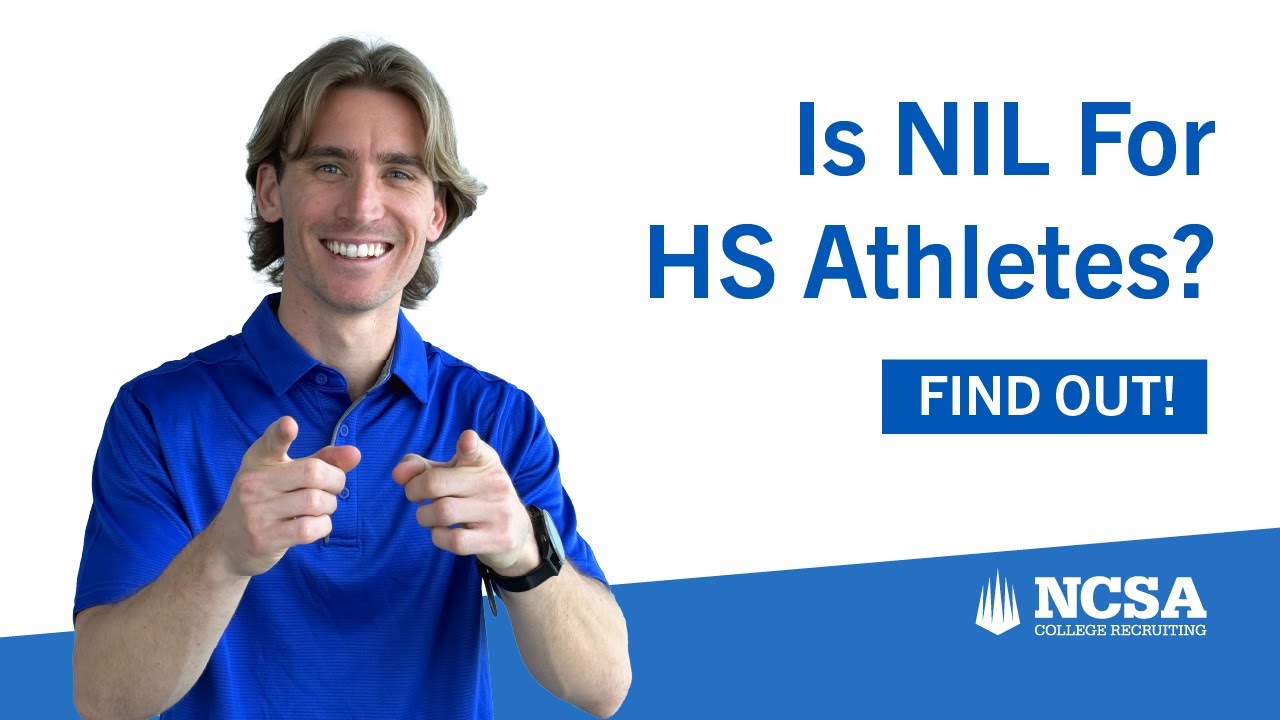
Credit: www.ncsasports.org
Impact On College Sports
Nil Money has brought a big shift in college sports. It changes how athletes earn and how teams build their squads. The impact is visible in many ways. Athletes now have more control and benefits. Recruiting strategies also adapt to new rules and chances. Both athletes and schools face new challenges and chances.
Athlete Opportunities
Nil Money lets athletes earn from their name, image, and likeness. They can sign deals with brands and local businesses. This helps them support their education and life. Many athletes use these earnings to pay for books, housing, or training. It also encourages athletes to develop personal brands. They gain experience in managing contracts and money. This creates a more balanced college sports experience.
Changes In Recruitment
Recruiting now includes NIL potential. Coaches and schools talk about endorsement chances. Athletes may choose schools based on market size or sponsor access. Schools with strong local business ties may attract top players. Recruitment focuses not only on sports skill but also on marketability. This leads to more competition among colleges off the field. It also pushes schools to support athletes in their NIL efforts.
Legal Framework
The legal framework of NIL money in college sports shapes how athletes earn from their name, image, and likeness. This framework includes rules made by states and the NCAA. These rules guide what athletes can do and protect their rights.
State Regulations
Many states have passed laws allowing college athletes to earn money from NIL deals. These laws differ by state. Some states require athletes to disclose contracts to their schools. Others set limits on how much money can be earned. Schools must follow the rules of the state where they are located.
State laws also protect athletes from unfair deals. They ensure athletes keep control over their personal brand. Some states offer education for athletes on managing NIL money. This helps athletes make smart decisions.
Ncaa Guidelines
The NCAA has rules that work alongside state laws. These guidelines aim to keep college sports fair. The NCAA allows athletes to sign NIL deals without losing eligibility. But athletes must follow specific rules.
The NCAA requires schools to monitor NIL deals for compliance. Athletes cannot use school logos in NIL deals without permission. The NCAA also bans pay-for-play agreements. These rules help maintain the integrity of college sports.
Challenges Faced
NIL money in college sports has opened new doors for athletes, but it also brings a set of unique challenges. These challenges affect both the fairness among players and how they manage their time and responsibilities. Understanding these obstacles can help you navigate the evolving landscape of college athletics more effectively.
Equity Among Athletes
Not every athlete has the same chance to earn NIL money. High-profile sports like football and basketball often dominate sponsorship deals, leaving athletes in less popular sports at a disadvantage.
This uneven distribution raises questions about fairness. How can schools and organizations ensure all athletes benefit equally? Some colleges are trying to level the playing field by offering education and resources to all athletes, but the gap remains significant.
Balancing Academics And Earnings
Managing NIL deals alongside academic responsibilities can be overwhelming. Athletes must juggle classes, training, and now, contract negotiations and brand management.
Many students find themselves stretched too thin. Have you ever wondered how much time you could realistically spend on endorsements without hurting your studies? Time management skills become essential, and seeking support from advisors or mentors can make a big difference.
Success Stories
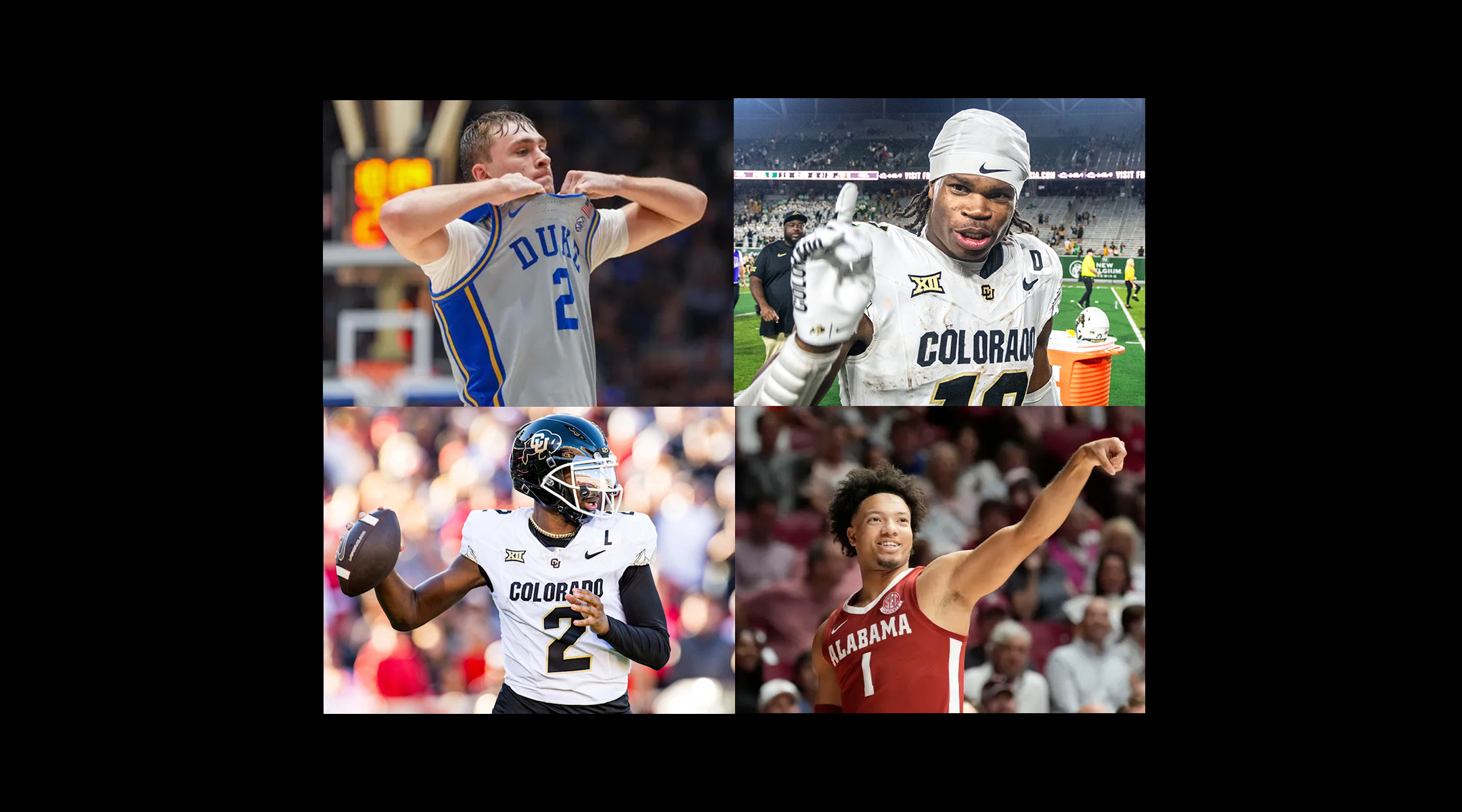
Success stories highlight how Name, Image, and Likeness (NIL) deals have changed college sports. These stories show athletes earning money while still playing in college. Many athletes have used NIL opportunities to build brands and prepare for life after sports.
These successes inspire others and show the real impact of NIL. They prove that athletes can benefit financially without losing focus on their sport. The stories also reveal how smart deals and personal branding lead to growth and opportunities.
Notable Athletes Benefiting
- Paige Bueckers, a top college basketball player, signed multiple endorsement deals.
- Hogan McLaughlin, a college football player, earned money through social media partnerships.
- Olivia Dunne, a gymnast, gained large followings and sponsorships from brands.
- DJ Uiagalelei, a quarterback, secured deals with sportswear companies.
- Some athletes used NIL to start small businesses or launch podcasts.
Examples Of Effective Deals
| Athlete | Type of Deal | Brand/Company | Impact |
|---|---|---|---|
| Paige Bueckers | Endorsement | Sports Apparel | Increased visibility and income |
| Olivia Dunne | Social Media Partnership | Fitness Brand | Grew follower base and earnings |
| Hogan McLaughlin | Content Creation | Media Platform | Built personal brand beyond sports |
| DJ Uiagalelei | Sponsorship | Sports Equipment | Boosted local and national recognition |

Credit: www1.grousemountain.com
Future Trends
The future of NIL money in college sports holds many possibilities. Changes in rules and technology will shape its path. Athletes, schools, and brands will all play key roles. Understanding these trends helps predict how NIL will evolve.
Potential Growth Areas
Social media platforms will remain vital for NIL deals. Athletes can reach fans directly and promote brands. New platforms focused on live streaming and short videos may emerge. These will create fresh opportunities for endorsements.
Local businesses will increasingly partner with college athletes. They see value in community connections. Smaller deals can build trust and support at the local level.
Women’s sports will gain more attention in NIL markets. Equal pay discussions boost interest in female athletes’ endorsements. This growth can bring more balance to college sports funding.
Predictions For College Sports
More schools will develop programs to help athletes manage NIL money. Education on finances and contracts will become common. This support will protect athletes from making poor decisions.
Competitive recruiting may focus more on NIL potential. Athletes might choose schools with strong marketing networks. This could shift the balance of power in college sports.
Regulations will continue to evolve to keep NIL fair. States and governing bodies will work to close loopholes. Clear rules will help maintain the integrity of college sports.
Frequently Asked Questions
What Does Nil Money Mean In College Sports?
NIL money refers to athletes earning income through their name, image, and likeness rights. It allows college athletes to profit from endorsements and sponsorships legally.
How Does Nil Money Impact College Athletes?
NIL money lets athletes monetize their personal brand while maintaining college eligibility. It boosts financial opportunities without affecting scholarships or team participation.
Can All College Athletes Earn Nil Money?
Yes, any college athlete can earn NIL money, regardless of sport or division. However, earnings depend on marketability and compliance with school and state rules.
What Types Of Deals Generate Nil Money?
NIL deals include endorsements, social media promotions, autograph signings, and personal appearances. These opportunities provide various income streams for college athletes.
Conclusion
NIL money lets college athletes earn from their name and image. This changes how sports and education connect. Athletes can now make money like professionals. Schools and players both face new challenges and chances. Understanding NIL helps fans see college sports in a new way.
The landscape of college sports will keep evolving. It’s important to watch how NIL shapes the future. This topic matters for athletes, schools, and fans alike.

Similar Posts