Is Track And Field a Sport: Unveiling Its True Athletic Power

Have you ever wondered if track and field really counts as a sport? Maybe you’ve seen athletes sprinting, jumping, and throwing and asked yourself, “Is this just exercise, or something more?” Understanding what makes an activity a true sport can change how you see track and field—and even how you view your own fitness goals.
Keep reading, and you’ll discover surprising reasons why track and field is more than just a pastime. This could change the way you think about competition, teamwork, and your own potential.
History Of Track And Field
The history of track and field reveals a story of human competition and endurance stretching back thousands of years. Understanding its roots helps you appreciate why it remains one of the most popular sports worldwide. As you learn about its past, ask yourself how ancient practices still influence today’s events.
Ancient Origins
Track and field events date back to ancient civilizations, where running, jumping, and throwing were not just sports but survival skills. The ancient Greeks formalized these activities in the Olympic Games starting in 776 BC. These early games included races like the stadion, a sprint roughly 200 meters long, showcasing pure speed.
Beyond Greece, similar competitions existed in Egypt and Mesopotamia, emphasizing physical strength and agility. These contests often had religious or military significance, reflecting more than just athleticism. Have you ever considered how these ancient needs shaped the events you watch today?
Modern Evolution
The modern form of track and field began taking shape in 19th-century England, where schools and clubs started organizing competitions. Standardized rules and track measurements emerged, making the sport accessible and fair for all participants. This period also introduced the variety of events we see now, such as hurdles and relays.
The revival of the Olympic Games in 1896 further boosted the sport’s global appeal. Innovations in training, equipment, and timing technology have since pushed athletes to new limits. Think about how your own efforts in sports or fitness can improve with small, consistent changes—just like track and field has evolved.

Credit: worldathletics.org
Core Disciplines In Track And Field
Track and field is built on a foundation of diverse core disciplines that challenge different skills and strengths. These disciplines test your speed, power, and precision through a variety of events. Understanding these categories helps you appreciate how versatile and demanding track and field really is.
Running Events
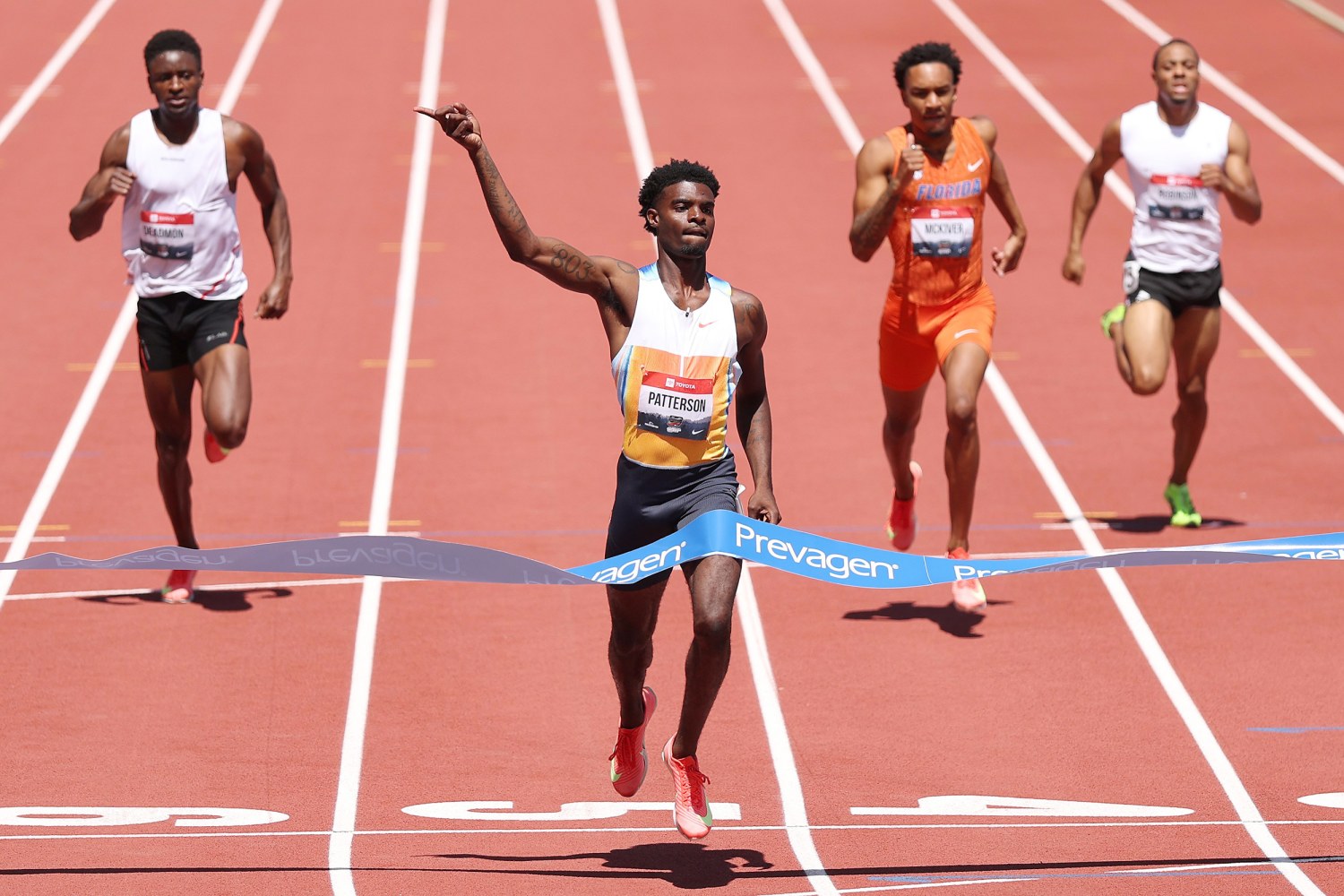
Running events cover a wide range of distances, from quick sprints to long endurance races. Sprinting tests your explosive speed, while middle-distance and long-distance races push your stamina and strategy. Have you ever noticed how pacing changes between a 100-meter dash and a 5,000-meter run?
- Short sprints: 100m, 200m, 400m
- Middle-distance: 800m, 1500m
- Long-distance: 5,000m, 10,000m
- Hurdles: 110m/100m hurdles, 400m hurdles
- Relay races: 4x100m, 4x400m
Jumping Events
Jumping requires a mix of speed, technique, and explosive power. Whether you’re launching yourself horizontally or vertically, precision is key. Think about the skill it takes to time your jump perfectly off the board or runway to maximize distance or height.
- Long jump: horizontal jump for distance
- Triple jump: a hop, step, and jump sequence
- High jump: vertical jump over a bar
- Pole vault: clearing a high bar using a pole
Throwing Events
Throwing tests your strength and technique as you propel objects as far as possible. Each event demands a unique motion and grip, making practice crucial. Have you ever tried throwing a shot put or discus and realized how much technique affects distance?
- Shot put: pushing a heavy metal ball
- Discus throw: spinning to launch a disc
- Javelin throw: running and throwing a spear-like object
- Hammer throw: swinging and releasing a heavy ball attached to a wire
Physical Demands Of Track And Field
Track and field challenges the body in many ways. Athletes push their limits through various events that test different physical skills. The sport requires a blend of speed, strength, endurance, and agility. Understanding these demands shows why track and field is a true sport.
Speed And Endurance
Speed is essential in sprints and short-distance races. Athletes must explode off the start line and maintain top pace. Endurance plays a key role in longer races like the 5,000 meters or marathon. It helps runners keep a steady pace without tiring too soon.
Both speed and endurance train different energy systems. Sprinters focus on quick bursts of power. Distance runners build stamina to last the entire race. Track and field athletes often train to balance these traits.
Strength And Agility
Strength supports events like shot put, discus, and javelin. It helps athletes throw farther and jump higher. Sprinters and jumpers also need strong muscles for quick starts and powerful moves.
Agility allows athletes to change direction quickly and maintain balance. It is crucial for hurdles and relay races. Good agility reduces injury risk and improves overall performance.
Track And Field As A Competitive Sport
Track and field stands out as a truly competitive sport, demanding speed, strength, and strategy from its athletes. It tests your limits in various disciplines, from sprinting to jumping and throwing. The thrill of competition pushes you to perform at your best and constantly improve.
Olympic Impact
The Olympics have made track and field one of the most watched sports worldwide. Every four years, athletes compete on a global stage, representing their countries and chasing records. This exposure not only boosts the sport’s popularity but also inspires millions to take part.
Think about the last time you watched the 100-meter dash or the long jump at the Olympics. The intensity and focus of those athletes showcase how competitive and demanding track and field truly is. It’s more than just physical ability—mental toughness plays a huge role too.
Global Competitions
Beyond the Olympics, there are numerous international competitions that highlight track and field’s competitive nature. Events like the World Athletics Championships and Diamond League bring together top athletes year-round.
- These competitions offer multiple opportunities to set new records.
- They also provide platforms to earn rankings and sponsorships.
- Such events push athletes to maintain peak performance consistently.
Have you ever wondered what drives athletes to keep competing at such a high level? The answer lies in their passion, dedication, and the thrill of facing the world’s best. Track and field as a competitive sport challenges you to not only compete against others but also against your personal best.
Training Regimens For Track Athletes
Training for track athletes demands focus and consistency. It shapes their strength, speed, and endurance. The right routine builds a strong foundation for performance and injury prevention.
Track training covers different areas. Sprinters, distance runners, and jumpers all have unique needs. Yet, daily workouts and proper nutrition remain crucial for all.
Daily Workouts
Daily training varies by event and athlete level. Most sessions mix running drills, strength training, and flexibility exercises. Warm-ups and cool-downs help avoid injuries.
- Sprints involve short, high-intensity runs with rest periods.
- Distance runners focus on longer runs at steady paces.
- Jumpers practice technique with plyometric exercises.
- Strength training uses weights or bodyweight to build muscle.
- Flexibility work includes stretching and mobility drills.
Rest days or light sessions prevent overtraining. Tracking progress helps athletes adjust workouts wisely.
Diet And Nutrition
A balanced diet fuels training and recovery. Track athletes need enough calories to meet energy demands. Protein supports muscle repair and growth.
Carbohydrates provide quick and sustained energy. Hydration is vital for performance and health. Athletes often eat smaller, frequent meals.
| Nutrient | Role | Examples |
|---|---|---|
| Protein | Muscle repair and growth | Chicken, fish, beans, eggs |
| Carbohydrates | Energy source | Rice, pasta, fruits, vegetables |
| Fats | Long-lasting energy | Avocado, nuts, olive oil |
| Vitamins & Minerals | Immune support and recovery | Leafy greens, citrus fruits |
Proper nutrition helps athletes maintain stamina and strength. Planning meals around training times boosts energy and recovery.
Credit: www.nbcnews.com
Track And Field’s Influence On Other Sports
Track and field has a deep impact on many other sports, shaping how athletes train and perform. Its combination of speed, strength, and endurance offers valuable lessons beyond the track. Understanding this influence can help you improve your own athletic skills, no matter what sport you play.
Cross-training Benefits
Track and field events build a wide range of physical abilities that enhance performance in other sports. Sprinting improves explosive power, which helps in football and basketball. Long-distance running boosts stamina, benefiting sports like soccer and cycling.
Jumping events develop leg strength and coordination, skills useful in volleyball and rugby. Throwing disciplines increase upper body strength, aiding sports such as baseball and tennis. Adding some track and field training to your routine can reduce injury risk by balancing muscle groups.
Athletic Versatility
Track and field encourages you to become a well-rounded athlete. It demands speed, agility, strength, and endurance all at once. This variety trains your body to adapt quickly to different physical challenges.
For example, decathletes train across ten events, showing how mastering multiple skills leads to greater athletic versatility. If you want to improve your overall athleticism, trying track and field can push your limits in ways your main sport might not.
Have you ever thought about how your current sport could benefit from speed work or jumping drills? Experimenting with track and field exercises might uncover new strengths you didn’t know you had.
Cultural Significance Of Track And Field
Track and field holds a deep cultural value across many societies. It is more than a set of athletic events. It acts as a bridge connecting people through shared passion and history. The sport reflects determination, unity, and personal growth. Many communities celebrate track and field as a vital part of their identity and heritage.
Community Engagement
Track and field brings communities together. Local meets and school competitions create strong bonds. Families gather to cheer for young athletes. These events build pride and encourage healthy lifestyles. The sport also offers opportunities for youth to stay active and focused. Volunteers and coaches play key roles in supporting athletes. Through teamwork and friendship, communities grow stronger.
Inspirational Athletes
Many track and field stars inspire millions worldwide. Their stories of hard work and success motivate others. These athletes show that discipline leads to achievement. They break barriers and set new records. Role models from diverse backgrounds highlight the sport’s inclusivity. Their achievements teach lessons about resilience and hope. Fans admire not only their skills but also their character.

Credit: trackandfieldnews.com
Frequently Asked Questions
What Is Track And Field As A Sport?
Track and field is a collection of athletic contests based on running, jumping, and throwing. It includes events like sprints, hurdles, long jump, and shot put, combining speed, strength, and skill in competitive formats worldwide.
Is Track And Field Recognized As An Official Sport?
Yes, track and field is officially recognized globally. It is governed by World Athletics and is a key part of the Olympic Games, showcasing various athletic disciplines on an international level.
What Skills Are Needed For Track And Field Events?
Track and field requires speed, endurance, strength, agility, and technique. Different events emphasize different skills, such as explosive power for sprints or technique for jumping and throwing disciplines.
Can Anyone Participate In Track And Field Sports?
Yes, track and field is accessible to all ages and skill levels. Many schools and clubs offer programs, making it a popular sport for beginners and professionals alike.
Conclusion
Track and field clearly fits the definition of a sport. It tests speed, strength, and skill in many events. Athletes compete individually and as teams. The sport demands training and discipline. Fans enjoy the excitement and variety it offers. Track and field has a long history worldwide.
It brings people together and promotes health. So yes, track and field is definitely a sport.

Similar Posts