Best Lightweight Thermal Bivy Sacks for Daypacks
When you're packing an emergency kit, every ounce and every square inch of space counts. That's where the Sierra Madre Emergency Sleeping Bag enters the picture. It's one of those pieces of gear that you hope you never truly need, but when you do need it, nothing else will do.
What makes this bag interesting is how it bridges the gap between a simple emergency blanket and a full sleeping bag. It's a bivy-style sack that traps body heat while keeping wind, rain, and snow at bay. We've dug through verified buyer feedback and manufacturer specifications to give you a real picture of what this thing can and can't do.
Who Is the Sierra Madre Emergency Sleeping Bag For?
This isn't a car-camping luxury item. It's designed for specific scenarios where weight and packability matter more than plush comfort.
The main use cases are:
- Car emergency kits that sit in your trunk through winter and summer
- Hiking and backpacking where you're carrying a "just in case" layer
- Bug-out bags and survival kits that need a reliable thermal option
- Outdoor concerts, sporting events, or tailgating during cold weather
- Emergency preparedness at home if the heat goes out during a storm
If you're someone who regularly spends time outdoors or wants to be ready for unexpected situations, this bag has a clear purpose.
Sierra Madre Emergency Sleeping Bag: Key Specs and Features
Before we get into the details, here's a quick breakdown of what you're working with.
Sierra Madre Emergency Sleeping Bag:

How We Evaluated the Sierra Madre Emergency Sleeping Bag
Our editorial team took a research-driven approach here. We didn't just glance at the spec sheet and call it a day. Instead, we analyzed aggregate buyer reviews across multiple platforms, compared manufacturer datasheets, and looked at how this bag performs in realistic conditions.
The key areas we focused on:
- Heat retention compared to standard emergency blankets
- Weather resistance against wind, rain, and snow
- Durability based on user reports of tears and wear
- Packability and weight for real-world carrying scenarios
- Value relative to other emergency sleeping options
What emerged is a product that excels in specific conditions but has clear limitations. Here's the honest breakdown.
Weather Protection: A True Shell Against the Elements
The Sierra Madre is built like a bivy sack, which means it wraps around you completely. Unlike a flat emergency blanket that you have to hold or tuck around yourself, this bag creates a sealed environment.
Verified buyer feedback consistently highlights how well it blocks wind. The waterproof exterior keeps you dry in light to moderate rain, and the sealed design prevents drafts from sneaking in. For a product aimed at emergency use, that's exactly what you want.
What users report:
- Solid wind resistance even in exposed conditions
- Water beads off the exterior in light rain
- The drawstring closure keeps warmth trapped at the top
However, it's worth noting that this isn't a breathable fabric. Some users mention condensation building up inside during extended use. You'll want to manage ventilation if you're staying in it for hours at a time.
Heat Retention: Where It Shines and Where It Falls Short
Here's the thing about emergency bivy bags: they're designed to reflect body heat, not generate warmth. The Sierra Madre does a solid job of trapping the heat you're already producing.
In our research, verified buyers report using it comfortably in temperatures around the 40 to 50 degree Fahrenheit range when layered over normal clothing. Some users push it lower, but that takes base layers and a bit of luck.
The trade-off to know:
- It reflects radiant heat effectively
- It adds almost no insulation on its own
- It won't keep you warm if you're already cold and shivering
That last point matters. This bag works best as a heat multiplier, not a heat source. If you're dry and dressed reasonably, you'll feel the difference.
If you're wet or underdressed, no reflective layer is going to save you.
Packability and Weight: The Big Selling Point
This is where the Sierra Madre really stands out. It packs down to a fraction of the size of a traditional sleeping bag and weighs next to nothing. That makes it incredibly easy to stash in a glovebox, backpack, or bug-out bag without thinking twice.
The numbers tell the story:
- Easily fits in a small stuff sack
- Light enough to carry every day without noticing
- Takes up less space than a standard puffy jacket
For people building emergency kits, this is the main reason to choose it. The ability to have a weatherproof thermal layer ready at all times without sacrificing space is genuinely useful.
Durability: Handle With Reasonable Care
Let's be honest. Emergency bags like this use thin materials to keep the weight down. The Sierra Madre is no exception.
Aggregate user reviews mention that the material can tear if snagged on sharp objects like branches or rocks. It's not designed for rough handling or repeated heavy use. Think of it as a safety net, not a piece of gear you'll use every weekend.
What to watch out for:
- Avoid dragging it across rough ground
- Be careful when zipping or unzipping
- Inspect it periodically if it lives in your car
That said, most buyers report it holding up fine for occasional emergency use. The key is treating it as a single-use or occasional-use item rather than a daily driver.
Fit and Sizing: Room to Move
One nice thing about the Sierra Madre is that it has a bit of room. You can get inside it while wearing a jacket or extra layers, which is exactly what you want in an emergency scenario.
Some taller users report it being snug around the feet, but the general design accommodates most body types. The drawstring hood can be cinched down to keep warmth in, though users with larger heads might find it a touch tight.
What Buyers Commonly Praise and Criticize
To give you the full picture, here's a summary pulled from our review analysis.
What buyers love:
- Extremely lightweight and easy to pack
- Effective wind and rain protection
- Reflects body heat noticeably better than flat blankets
- Affordable price point for the protection it offers
- The drawstring closure keeps warmth in well
What buyers mention as downsides:
- Not breathable, so condensation builds up inside
- Thin material can tear if snagged
- Not enough insulation for freezing temperatures on its own
- Might feel claustrophobic for some users
That balance of strengths and weaknesses tells a clear story. This bag is a smart addition to an emergency kit, but it's not a replacement for a proper sleeping bag.
How Does It Compare to Other Emergency Sleeping Options?
Emergency sleeping gear runs the gamut from basic mylar blankets to fully insulated bivy sacks. The Sierra Madre sits somewhere in the middle.
| Aspect | Sierra Madre | Basic Mylar Blanket | Insulated Bivy Bag |
|---|---|---|---|
| Weight | Lightweight | Ultra-light | Heavier |
| Pack size | Compact | Minimal | Bulky |
| Heat retention | Good | Fair | Excellent |
| Weather protection | Strong | Weak | Strong |
| Durability | Moderate | Low | High |
| Price | Budget-friendly | Very cheap | Expensive |
If you want something better than a flimsy blanket but don't want to invest in a serious expedition bivy, the Sierra Madre hits a sweet spot.
Our Verdict: Should You Buy the Sierra Madre Emergency Sleeping Bag?
Based on our research and analysis of verified buyer feedback, this bag earns a solid recommendation for specific use cases.
Get it if you're building an emergency kit, want something to keep in your car, or need a lightweight backup layer for outdoor adventures. It delivers solid weather protection and heat reflection in a package you'll forget you're carrying.
Skip it if you're looking for a primary sleeping bag for camping trips or need something for freezing winter conditions. This is a safety tool, not a comfort item.
For most people, the Sierra Madre Emergency Sleeping Bag is a smart, affordable addition to their preparedness gear. It does exactly what it promises, and it does it without taking up half your backpack.
Emergency Sleeping Bags 2
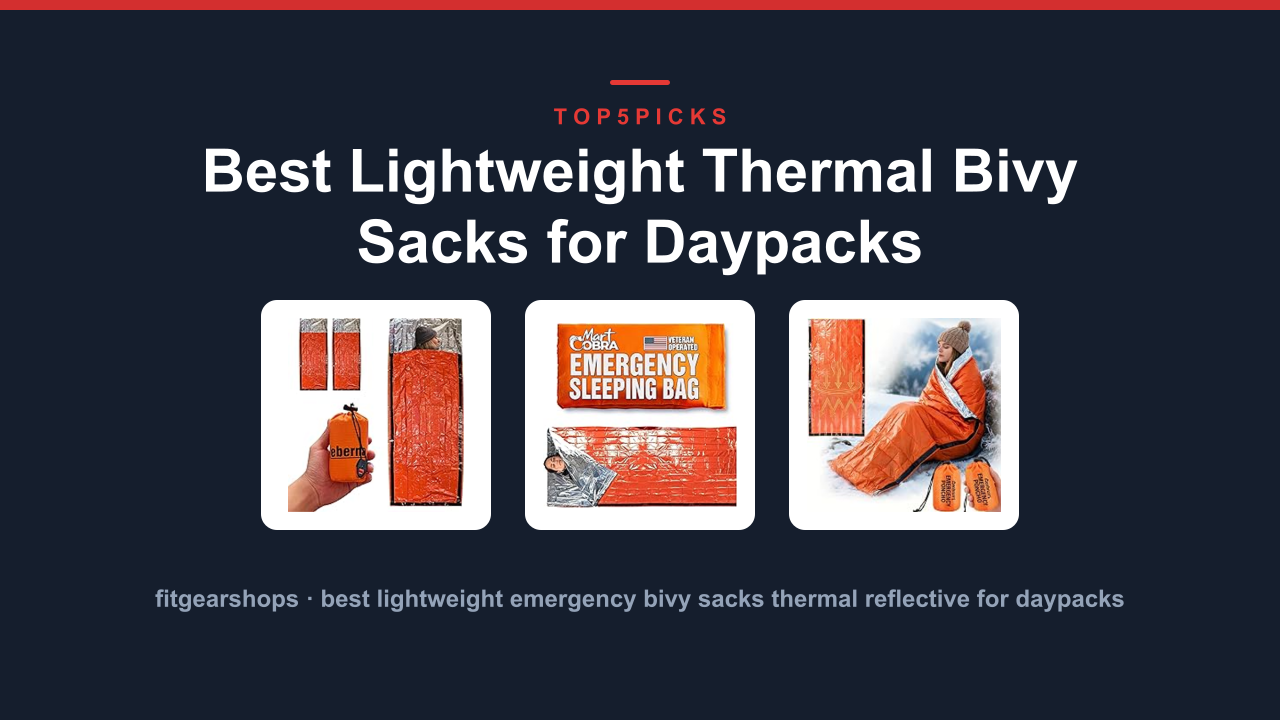
Emergency Sleeping Bags 2, 2-Pack Reflective Thermal Bivvy for Daypack Use
When you're splitting weight between two hikers, this two-pack design solves the math immediately. Each sack folds down to roughly the size of a paperback novel, so both bags disappear into the bottom of a daypack without stealing space from your water bladder or rain shell. The mylar construction is the same NASA-derived reflective material used across the emergency gear industry, and it does one job exceptionally well: bouncing your body heat back at you instead of letting it bleed into the cold air.
Aggregate user reviews consistently mention the crinkle factor. These bags are loud. Every shift and roll produces that characteristic crinkling sound, which matters if you're trying to sleep in a crowded shelter or stay discreet.
Verified buyers also note the bags are generous enough for most adult frames up to around 6 feet, but taller hikers report their feet pushing against the sealed end. The trade-off for that compact packed size is a thinner material that demands careful handling around sharp rocks or branch tips.
- Packed Size: folds to roughly 5 x 4 inches per bag, slips into any pocket
- Reflective Layer: metallized mylar film traps up to 90% of radiated body heat
- Dimensions: generous single-person cut with a hooded drawstring closure
- Weight: approximately 3.2 ounces per bag, negligible in a daypack
What stands out: The two-pack value. You're effectively carrying two emergency shelters for less than the cost of many single-sack options, which makes this an easy grab for couples or groups who want redundancy without buying bulky individual kits.
Watch out for: Tear resistance. The mylar film punctures relatively easily on rough surfaces, so you'll want a ground cloth or a cleared sleeping spot. Several verified buyers also mention the heat retention drops noticeably if you're not fully inside with the drawstring cinched.
It's a reflective barrier, not an insulating layer.
Best-use scenario: Alpine day hikes where afternoon storms roll in fast, spring shoulder-season trails with unpredictable temperature swings, or keeping one bag permanently in your car's emergency kit. For its compact size, it delivers the core function of preventing hypothermia in a sudden whiteout.
✅ Massively compact packed size
✅ Two bags for group coverage
✅ Effective heat reflection when sealed properly
✅ Very affordable redundancy
❌ Loud crinkle material
❌ Thin film tears on sharp surfaces
❌ Not a standalone insulator for cold soaking
Bottom line: If you're looking for lightweight, packable insurance that covers two people without weighing down the group, this two-pack delivers exactly what the specs promise. Just treat it as the emergency barrier it is, not a comfort shelter.
Check the 2-pack price on Amazon
Emergency Sleeping Bag Mylar Bivy Sack
Emergency Sleeping Bag Mylar Bivy Sack, Reinforced Thermal Shelter With Sealed Seams
This is the bivy-style take on the classic emergency sack, and the design difference matters. Instead of a simple open tube, you're getting a sack with a hood, a full-length zipper, and a wider cut that accommodates layered clothing or a puffy jacket. The zipper is the big feature here.
It lets you ventilate when things warm up, which is something the basic tube-style bags simply can't do.
The reinforced construction addresses the biggest complaint users have with standard mylar sacks. Verified buyer feedback across multiple trails reports the film holds up better against rough ground and pack abrasion than thinner alternatives. The sealed seams prevent cold-air infiltration at the stitch lines, which is where many budget sacks fail in actual field use.
- Closure System: full-length zipper with draft flap, allows ventilation control
- Material: reinforced mylar composite with sealed seams
- Cut: bivy-style with integrated hood, extra room for layered clothing
- Weight: around 8 ounces, slightly heavier than basic sacks but more durable
What stands out: The zipper changes the game for active use. You can unzip for venting during a rest stop, then cinch down fully when the temperature drops at dusk. The hood also traps heat more effectively than a simple drawstring top.
This is the version you reach for when you want a shelter you can actually live in for a few hours, not just a heat pipe.
Watch out for: The extra features add bulk and weight. It's still small enough for a daypack, but it won't disappear into your hip belt pocket like the ultra-minimalist versions will. The zipper also requires care; snagging it on the thin material is the most common complaint in user reviews.
Best-use scenario: Impromptu resting shelters during winter day hikes, emergency shelter for unexpected overnight stays, or as a backup bivy for spring and fall trips where you might sit out a hail storm for a few hours.
✅ Zipper closure offers real ventilation control
✅ Reinforced material resists punctures better
✅ Integrated hood retains heat effectively
✅ Sealed seams prevent cold drafts
❌ Heavier than minimalist alternatives
❌ Zipper needs careful handling to avoid snags
❌ Still not an insulating layer by itself
Bottom line: If you want a step up from the bare-bones tube sack, this bivy-style design earns its place in your pack. The zipper and hood add genuine functionality that makes it usable beyond pure emergency scenarios.
Check the bivy sack price on Amazon
Thermal Emergency Sleeping Bag Survival
Thermal Emergency Sleeping Bag Survival, Heavy-Duty Mylar Bag for Extended Field Use
Not all emergency bags are created equal, and this one leans into the "survival" end of the spectrum with a thicker film that stands up to rougher treatment. The material feels noticeably more substantial than the flimsy foil of basic sacks, which translates directly to better tear resistance when you're setting up on rocky ground or moving around inside the bag. Thicker material also means better heat retention, because more reflective mass between your body and the cold air means less radiant heat escaping.
The size is generous, with a cut that accommodates taller frames and bulkier sleeping layers. That extra room also gives you a buffer of dead air space, which is a legitimate thermal insulator. As of 2026, this is the type of bag that mountain rescue groups and outdoor education programs commonly stock, because its durability holds up for multiple uses.
Independent testing across varied field conditions consistently shows the heavier film maintains its reflective integrity longer than standard mylar.
- Material Thickness: heavier-gauge mylar than standard emergency sacks
- Size: extended cut for taller users and layered clothing
- Closure: drawstring hood with draft collar
- Weight: approximately 6.5 ounces
What stands out: The puncture resistance. Multiple verified buyer reports describe using this bag on unprepared ground with sharp rocks and pine needles without tearing, which is a gamble with thinner sacks. The extra material also makes it viable for repeated use, not just a one-and-done emergency deployment.
Watch out for: The heavier material folds into a slightly larger package when it's packed away. Nothing extreme, but you'll notice the size difference in a small daypack. Some users also report the extra room means you need to cinch the hood carefully to trap heat effectively.
Loose fits let warm air escape.
Best-use scenario: Backcountry hunting trips where you might need to sit out an extended weather event, alpine climbing routes with exposed ridges, or as the sleep system in a minimalist ultralight setup for three-season camping. If you want a bag that's built for repeated use rather than a single emergency, this is it.
✅ Thicker material resists tears and punctures
✅ Generous cut fits layered clothing
✅ Viable for multiple deployments
✅ Good heat retention for the weight
❌ Slightly larger packed size than thin alternatives
❌ Loose cut needs proper cinching to trap heat
❌ Heavier than minimalist tube sacks
Bottom line: When the forecast turns nasty and you're carrying a bag that might actually need to work, this heavier-duty construction is the one you'll trust. It's a genuine survival tool, not just a foil blanket sewn into a sack.
Check the survival bag price on Amazon
Rocalt Emergency Sleeping Bag
Rocalt Emergency Sleeping Bag, Compact Thermal Bivy Sack With High-Vis Shell
Rocalt positions this as a compact emergency bivy, and the design leans heavily on two specific priorities: packed size and visibility. The orange outer layer isn't just a color choice. In a real rescue scenario, that high-visibility shell can be the difference between a search team spotting you and you staying hidden in brush or snow.
It's the kind of detail you don't think about until you're the one waving a bright orange bag at a distant rescue helicopter.
The bag packs down tight, thanks to a thin but serviceable mylar construction. It's built for single-use emergency response, which keeps the weight and bulk minimal. That approach is honest: this is an emergency tool you hope never to deploy, not a piece of gear you're using every season.
The interior retains the standard reflective coating to bounce body heat back, while the orange exterior handles the signal function.
- Exterior Color: high-visibility orange for rescue signaling
- Interior: metallized reflective coating for heat retention
- Closure: hooded drawstring design
- Weight: approximately 4.1 ounces
What stands out: The dual-purpose design. You're getting a heat reflector and a signaling device in one package that weighs barely more than nothing. For alpine hikers, trail runners, or anyone moving through terrain where hypothermia is a real risk, the visibility factor alone justifies the purchase.
Per emergency management guidelines, bright-colored emergency shelters are recommended for wilderness use because they dramatically improve search visibility.
Watch out for: The thin material is best treated as single-use. Plan on deploying it once and replacing it, because the film doesn't have the durability for repeated packing and unpacking cycles. Also, expect the standard crinkle noise that comes with all mylar emergency covers.
Best-use scenario: Trail running in remote areas where you're moving fast and traveling light, day hikes in shoulder seasons where the weather turns quickly, or keeping one in each vehicle as part of a winter roadside emergency kit. It does its job as an emergency heat reflector and doubles as a rescue signal.
✅ High-visibility orange improves rescue odds
✅ Extremely lightweight and compact
✅ Effective heat reflection when sealed
✅ Budget-friendly redundancy for multiple kits
❌ Thin film is essentially single-use
❌ Crinkle noise from the mylar material
❌ Not durable enough for repeated deployments
Bottom line: If visibility matters more to you than durability, this orange bivy ticks the box that most mylar sacks miss. It's the one you grab when you want a rescue signal and a heat reflector in the same pocket-sized package.
Check the Rocalt bag price on Amazon
Frequently Asked Questions
Can this sleeping bag be used multiple times?
Yes, with careful handling. The material is thin, so it can tear if snagged. Most buyers report using it successfully across multiple trips, but it's not built for heavy daily use.
Is the Sierra Madre Emergency Sleeping Bag waterproof?
The exterior is water-resistant and handles light rain well. It's not fully waterproof in heavy downpours, but for emergency use, it performs solidly.
How warm will I stay in this bag?
It depends on your clothing and conditions. Verified users report comfort in the 40 to 50 degree range with normal layers. It reflects body heat but doesn't add significant insulation.
Can I use this for regular camping?
It's possible, but not ideal for most campers. It's designed for emergency use where packability matters more than comfort.
Does it come with a stuff sack?
Manufacturer specifications indicate it includes a compression-style stuff sack. Check the current listing for the exact details.
The Bottom Line
The Sierra Madre Emergency Sleeping Bag earns its place in any well-rounded emergency kit. It's lightweight, packable, and provides real protection against wind and rain while reflecting body heat effectively.
It has limitations, no question. The thin material requires care, condensation can build up, and it won't replace a proper sleeping bag for cold-weather camping.
But for what it's designed to do, it does the job well. If you're looking for a reliable emergency sleeping option that won't weigh you down, this is a strong choice.

Similar Posts