How Do You Measure for a Sports Bra: Ultimate Guide for Perfect Fit
Finding the right sports bra can make all the difference in your comfort and performance. But how do you know if you’re wearing the correct size?
Measuring for a sports bra isn’t as simple as grabbing your usual size—it requires a few specific steps to get it just right. If you’ve ever experienced discomfort, chafing, or lack of support during your workouts, this guide is for you.
Keep reading, and you’ll learn exactly how to measure yourself so you can find a sports bra that feels like it was made just for you.

Credit: www.instagram.com
Importance Of A Proper Fit
A proper sports bra fit is essential for comfort and support. Wearing the right size helps prevent pain and injury during exercise. It also improves performance by allowing free movement without distraction.
A well-fitted sports bra reduces breast movement, which can cause discomfort. It supports the breasts firmly without being too tight or loose. This balance protects breast tissue and skin from damage.
Choosing the right fit boosts confidence. You can focus on your workout instead of adjusting your bra. This makes exercising more enjoyable and effective.
Comfort And Support
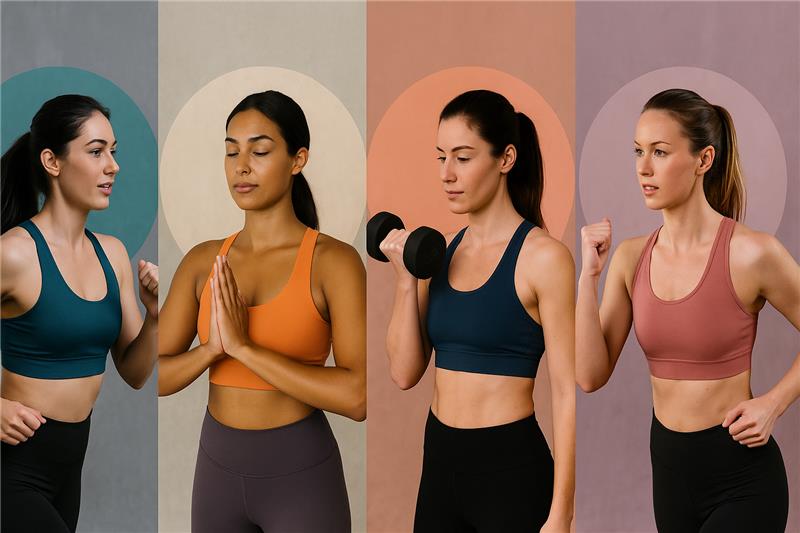
A sports bra must feel comfortable on your skin. It should hold your breasts securely without digging into your shoulders or chest. Proper support reduces bounce and strain.
Preventing Pain And Injury
Too loose or tight bras cause pain and skin irritation. Proper fit prevents shoulder, back, and breast pain. It also protects breast ligaments from overstretching.
Enhancing Performance
A good fit allows better movement and breathing. It keeps you focused on your activity. This helps improve endurance and strength during workouts.
Key Measurements For Sports Bras
Understanding the key measurements for sports bras helps you find the perfect fit that supports and comforts you during any activity. Accurate measurements ensure your sports bra stays in place and minimizes discomfort. Let’s focus on the two critical measurements you need to get right: bust and underbust.
Bust Measurement
Measure your bust at the fullest part of your chest, usually across the nipples. Stand straight but relaxed, and wrap the measuring tape around your back and over your bust. Make sure the tape is snug but not tight—too loose or too tight can give inaccurate results.
Taking this measurement helps determine the cup size of your sports bra. If you’ve ever worn a bra that felt too tight across your chest or caused spillage, your bust measurement might have been off. Have you checked your bust measurement recently? Changes in your body can affect it.
Underbust Measurement
Next, measure directly under your bust where the band of the bra will sit. The tape should be parallel to the ground and snug without digging into your skin. This measurement is crucial because the band provides most of the support in a sports bra.
I once ignored this step and ended up with a sports bra that felt loose and failed to provide support during workouts. That experience taught me that a well-fitted band is non-negotiable. Your underbust measurement helps you pick the right band size, preventing unnecessary movement and discomfort.
Selecting The Right Style
Choosing the right style of sports bra is just as important as getting the measurements right. The style affects how well the bra supports you during different activities and how comfortable you feel wearing it. Understanding the differences in design helps you pick a bra that matches your workout needs and personal preferences.
Compression Vs. Encapsulation
Compression bras press your breasts against your chest to minimize movement. They work best for high-impact activities like running or jumping. If your breasts are smaller or you prefer a snug fit, compression might feel more secure.
Encapsulation bras, on the other hand, have separate cups that support each breast individually. This style reduces bounce without flattening your shape. Women with larger breasts often find encapsulation bras more comfortable and supportive for activities like cycling or weightlifting.
Have you noticed how your current sports bra feels during different workouts? That can tell you whether compression or encapsulation suits you better.
Adjustable Features
Adjustable straps and bands let you customize the fit as your body changes or as you try different activities. Look for bras with hooks, sliders, or stretchy materials that allow easy adjustment. This flexibility can prevent discomfort and chafing during long workouts.
Some bras also offer removable padding or convertible straps for added versatility. Think about how much control you want over your fit before choosing a style. Have you ever struggled with straps digging in or slipping off? Adjustable features can solve those problems.
Common Fit Issues And Solutions
Finding the right sports bra fit can be tricky. Common issues often cause discomfort or reduce support during workouts. Identifying these problems helps improve comfort and performance. Here are some typical fit issues and how to fix them.
Straps Digging In
Straps that dig into your shoulders cause pain and leave marks. This usually means the straps are too tight or the band is too loose.
- Loosen the straps slightly to reduce pressure.
- Check the band size; it should feel snug but not tight.
- Choose a bra with wider, padded straps for better weight distribution.
Band Riding Up
If the band rides up your back, the bra does not fit correctly. A band that is too large cannot support your bust properly.
- Try a smaller band size for a firmer fit.
- Ensure the band sits parallel to the ground.
- Adjust the hooks to the tightest setting if needed.
Cup Overflow
Overflow happens when the breasts spill over the cups. It causes discomfort and affects support.
- Choose a larger cup size to accommodate your bust.
- Look for bras with molded cups for better shape and coverage.
- Check for designs with higher coverage for extra support.
Tips For Accurate Measurement
Getting the right fit for a sports bra starts with accurate measurements. Precise measuring helps ensure comfort and support during any activity. These tips help you get the best results and avoid common mistakes.
Use A Soft Measuring Tape
Choose a soft measuring tape, like the kind used for sewing. It wraps easily around your body and gives more accurate numbers. Avoid metal tapes or rigid rulers that don’t bend well. Keep the tape snug but not tight. It should rest flat against your skin without digging in.
Measure At The Right Time
Take measurements when your body is relaxed. Avoid measuring right after exercise or heavy activity. Your muscles and skin might be swollen or tight. The best time is in the morning or after resting. Wear a light, non-padded bra or no bra at all. This helps get the truest size for your sports bra.
Trying On Sports Bras
Trying on sports bras helps find the right fit and feel. It ensures the bra supports well and stays comfortable. This step is key to avoid discomfort and poor support during workouts.
Testing Support And Comfort
Wear the sports bra and check how it feels. The band should be snug but not tight. It must stay in place without riding up.
Straps should not dig into your shoulders or slip off. The cups should fully cover your breasts without gaps or spillage. Move your arms to see if the bra holds everything securely.
Comfort is just as important as support. Soft fabric and smooth seams reduce skin irritation. The bra should feel good against your skin for long periods.
Movement And Activity Tests
Try jumping or running in place while wearing the bra. Notice if your breasts bounce excessively or feel restricted. The bra should limit movement to reduce discomfort and damage.
Do arm swings and bends to check for any tightness. The bra should move with your body without causing pain. A good sports bra allows easy movement and full range of motion.
Walk around and stretch to see how the bra performs. If any part pinches or rubs, the fit needs adjustment. Proper testing helps choose a bra that supports all your activities.
Maintaining The Fit
Maintaining the fit of your sports bra is just as important as measuring it correctly in the first place. Even the best-fitting bra can lose its support over time due to changes in your body or the bra itself. Staying on top of these changes ensures you get the right support every time you work out.
Regular Reassessment
Your body changes, and so should your sports bra fit. It’s a good idea to measure yourself every few months, especially if you’ve experienced weight fluctuations, pregnancy, or changes in muscle mass. Have you noticed your current sports bra feeling too tight or loose lately? That’s a clear sign it’s time for a reassessment.
Keep track of how your bras feel during different activities. Sometimes, a bra that feels fine during walking might not provide enough support during running or high-impact sports. Regular reassessment helps you catch these issues early and adjust accordingly.
Adjusting For Wear And Tear
Sports bras go through a lot, and their materials can stretch out or lose elasticity. Check for signs like stretched straps, sagging cups, or a band that rides up. These are clues that your bra isn’t providing the support it once did.
Consider replacing your sports bra every 6 to 12 months if you use it frequently. If you’re not ready to replace it yet, try tightening the straps or adjusting the hook settings to improve the fit temporarily. How often do you check your sports bra for wear and tear?

Credit: www.instagram.com
Shopping Considerations
Shopping for a sports bra goes beyond just knowing your size. You need to consider how different brands fit, the shopping environment, and what kind of support you require. These factors can make a big difference in comfort and performance.
Brand Variations
Not all sports bras fit the same, even if the size looks identical on the tag. Brands have different sizing standards and design focuses, such as compression versus encapsulation styles.
For example, a medium in one brand might feel tight in another, or the cup shape may not suit your body type. It helps to read reviews or try multiple brands if possible. Have you noticed a particular brand that fits you better? Keep track of those to save time in the future.
Online Vs. In-store Purchases
Shopping online offers convenience but lacks the chance to try on the bra before buying. You can measure yourself carefully and check sizing charts, but it’s easy to miss fit details like strap comfort or band tightness.
In-store shopping lets you test the fit immediately and get expert advice. You can move around to see how the bra performs during activity. However, stores may have limited stock or styles compared to online shops.
Think about which option suits your lifestyle and needs better. Would you prefer the instant feedback of trying on, or the variety and reviews online? Combining both methods often yields the best results.

Credit: www.instagram.com
Frequently Asked Questions
How Do I Measure My Band Size For A Sports Bra?
To measure your band size, wrap a soft tape measure snugly around your ribcage, just under your bust. Ensure the tape is level and not too tight. Record the measurement in inches; this is your band size.
What Is The Best Way To Measure Bust Size Accurately?
Measure your bust by wrapping the tape around the fullest part of your breasts. Keep the tape parallel to the floor and breathe normally. This measurement helps determine your cup size when combined with band size.
How Do I Calculate My Cup Size For A Sports Bra?
Subtract your band measurement from your bust measurement. The difference in inches corresponds to your cup size. For example, 1 inch difference equals an A cup, 2 inches a B cup, and so on.
Why Is Proper Sports Bra Measurement Important?
Proper measurement ensures better support, comfort, and performance during workouts. An accurate fit prevents discomfort, reduces breast movement, and minimizes pain or injury while exercising.
Conclusion
Measuring for a sports bra helps you find the right fit and support. Use a soft tape measure and stay relaxed while measuring. Focus on your band and bust sizes carefully. A good fit reduces discomfort and improves performance. Remember, your body changes, so measure often.
Choosing the correct size feels better and protects your health. Simple steps lead to better workouts and comfort. Take the time to measure correctly—it really matters.

Similar Posts