Which Sport Did Nero Win: Unveiling Ancient Roman Triumphs
Have you ever wondered which sport Nero actually won? You might think of him as just a Roman emperor known for his extravagance, but there’s a surprising side to his story.
Discovering the sport where Nero claimed victory will change how you see him—and it might even inspire you. Keep reading to uncover this unexpected piece of history and see what it reveals about ambition, competition, and fame. Your curiosity is about to pay off.

Credit: tvtropes.org
Nero: The Emperor And His Passion For Sports
Nero, one of Rome’s most infamous emperors, had a deep passion for sports that went beyond mere entertainment. His love for athletic contests was well-known, influencing both his personal life and the culture of ancient Rome. Understanding Nero’s sporting achievements reveals a surprising side of this controversial figure.
Early Life And Interests
Nero showed an early fascination with athletic games. As a young prince, he trained in various physical activities, including chariot racing and singing contests. His education emphasized not only leadership but also the arts and sports, shaping his ambitions.
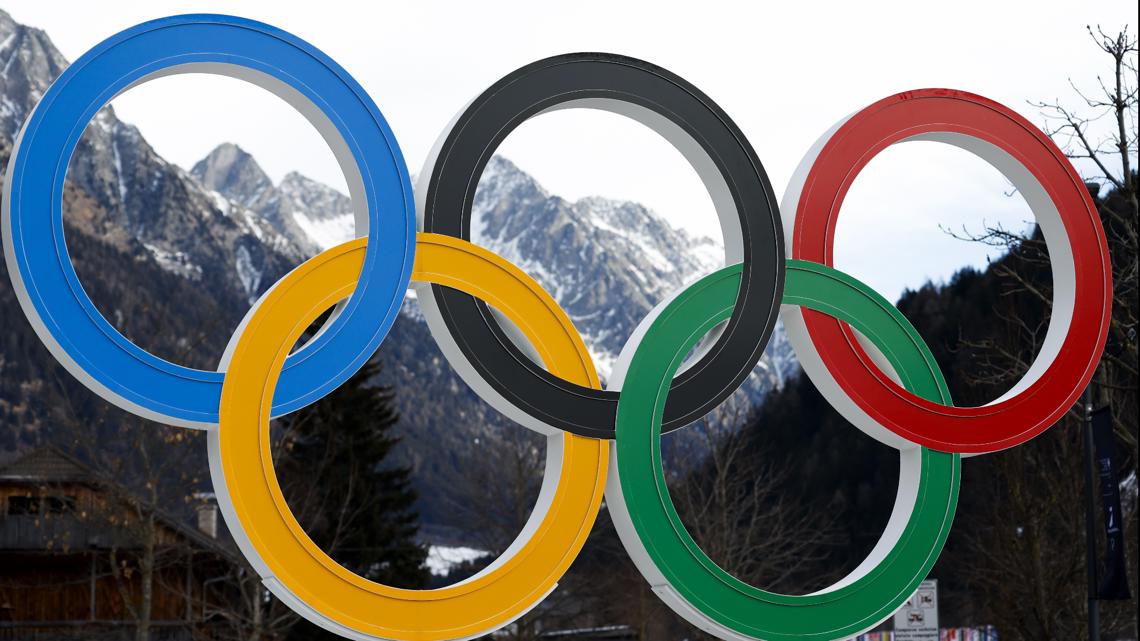
Unlike many emperors who focused purely on politics and warfare, Nero actively participated in competitions. He even entered the Olympic Games in Greece, where his participation blurred the lines between ruler and athlete. Have you ever thought about how your hobbies might shape your public image?
Influence On Roman Culture
Nero’s involvement in sports impacted Roman society significantly. He sponsored numerous games and festivals, boosting public interest in athletic events. His support helped popularize competitions that combined physical skill with artistic performance.
Under Nero’s reign, sports became a tool for political influence and social unity. He used his victories to project power and gain favor among citizens. This strategy shows how sports can serve as more than just games—they can change culture and politics.
The Roman Games: A Spectacle Of Power
The Roman Games stood as a grand display of strength and authority. They were not just sports events but a way to show the power of Rome. These games attracted large crowds and featured fierce competitions. Emperors used the games to gain favor and demonstrate their control. The energy and excitement filled the arenas, making the games unforgettable for all who attended.
Origins Of The Roman Games
The Roman Games began as religious festivals. They honored the gods and celebrated important events. Over time, the games grew bigger and included more contests. Emperors sponsored the games to impress citizens and nobles. The events became a tool to unite the people and show Roman greatness. They were held in grand venues like the Colosseum.
Types Of Competitions
The Roman Games featured many contests. Some tested strength, others skill or bravery. Popular events included:
- Chariot racing – fast and dangerous races around the track.
- Gladiator fights – battles between trained warriors.
- Athletic contests – running, wrestling, and boxing matches.
- Animal hunts – wild beasts fought in the arena.
Each competition highlighted different abilities. The games kept the audience excited and engaged. They showed the might of Rome through sport and spectacle.
Nero’s Participation In The Games
Nero’s participation in the ancient games is a fascinating chapter in history that blends ambition with controversy. Unlike most competitors who trained rigorously, Nero’s involvement was marked more by his status than athletic skill. Understanding the events he entered and the controversies that followed reveals much about his character and the nature of the games themselves.
Events Entered By Nero
Nero didn’t limit himself to just one event; he entered multiple competitions, showcasing his desire to dominate the games. Some of the events included:
- Chariot racing – Nero famously competed in a ten-horse chariot race.
- Poetry and singing contests – He fancied himself as an artist as well.
- Equestrian events – Riding was one of his preferred competitions.
His participation stretched beyond typical athletic contests, reflecting his attempt to blend cultural pursuits with sports.
Controversies And Manipulations
Nero’s victories often sparked suspicion. Many historians believe that his wins were not based on merit but on manipulation and intimidation.
For example, in the chariot race, he fell from his chariot but was still declared the winner. Officials likely feared the emperor’s wrath if they declared otherwise. This raises the question: How often do power and influence overshadow true competition?
Understanding these manipulations helps you see how the games were sometimes more about politics than sport. It challenges you to think about fairness in competitions, even today.
The Olympic Games In Nero’s Era
The Olympic Games during Nero’s time were a blend of ancient tradition and imperial ambition. These games were not just athletic contests but also political events that showcased power and influence. Nero, the Roman Emperor, played a significant role in shaping the Olympics of his era. His involvement brought new attention and controversy to the games.
Revival Of The Olympics
The Olympics had a long history before Nero, but they were not always held regularly. During his reign, Nero revived the games with great enthusiasm. He expanded the event to include new sports and artistic competitions. This revival aimed to honor the gods and display Rome’s strength and culture.
The games attracted athletes from across the empire. Cities competed to send their best sportsmen and performers. The revival helped make the Olympics a grander spectacle than ever before.
Nero’s Role And Achievements
Nero was more than a spectator; he was a participant. He entered several contests, including music, poetry, and chariot racing. Reports say he even competed in wrestling and other sports. His desire to win was strong, though his skills were often questioned.
Despite this, Nero was declared the winner in many events. Some say this was due to his status as emperor rather than true victory. His wins stirred debate but also highlighted his love for the games.
The Legendary Victory: Nero’s Wins
Nero, the infamous Roman emperor, was known for his extravagant lifestyle and controversial reign. Yet, among his many pursuits, he sought glory in various competitions. His victories, real or exaggerated, have sparked curiosity about which sports he truly conquered.
Chariot Racing
Chariot racing was Nero’s most publicized athletic ambition. Despite being inexperienced, he entered the Olympic Games and claimed victory. Some historians argue his win was more political than athletic, as he reportedly bribed officials to secure his triumph.
Imagine stepping into a high-speed race with little practice. Would you rely on skill or influence? Nero’s story shows that sometimes power can overshadow talent in sports.
Musical Competitions
Nero fancied himself a talented musician and competed in various musical contests. He performed on the lyre and sang, often demanding audiences to praise his art. His victories here were likely guaranteed, as judges feared opposing the emperor.
Have you ever been in a situation where winning felt less about merit and more about authority? Nero’s musical wins highlight how competition fairness can be compromised by power.
Credit: screenrant.com
Impact Of Nero’s Triumphs
Nero’s victories in the sporting arena left a mark far beyond the applause of the crowd. His triumphs shaped how Roman society viewed the connection between athletic success and imperial power. The impact stretched into areas of culture, politics, and even the very identity of Roman sportsmanship.
Legacy In Roman Sports
Nero’s wins, especially in chariot racing and artistic competitions, changed the way sports were perceived in Rome. He blurred the lines between athlete and emperor, making sports a stage for political influence. His involvement encouraged emperors after him to participate publicly in games, boosting the status of athletes and competitions alike.
Think about how sports today often serve as platforms for leaders to connect with the public. Nero’s example shows how power can elevate sports beyond entertainment. His legacy pushed Roman sports to become a tool for social cohesion and imperial propaganda.
Cultural And Political Implications
Nero’s triumphs weren’t just about personal glory—they had deep cultural and political meanings. His victories were broadcast across the empire, reinforcing his image as a gifted ruler. This helped him gain support among the masses, even if some victories were questioned for fairness.
What does this say about your own perception of success and leadership? Nero’s example challenges us to consider how achievements can be used to influence public opinion. His reign shows the power of spectacle in politics, a lesson still relevant today.
Historical Perspectives On Nero’s Wins
Historical perspectives on Nero’s wins reveal a mix of fact, legend, and political bias. Understanding these viewpoints helps you grasp how his victories were recorded and remembered. It also challenges you to question the accuracy and intent behind historical accounts.
Accounts From Historians
Ancient historians like Suetonius and Tacitus often painted Nero in a controversial light. They described his victories in the Olympic games, particularly in chariot racing, as more political theater than pure sport. Some even suggest Nero declared himself the winner regardless of actual performance.
These accounts show Nero’s wins were used to boost his image and authority. The historians hint at possible manipulation, such as rigged competitions or absence of real competitors. This raises the question: were Nero’s victories genuine achievements or carefully crafted propaganda?
Modern Interpretations
Today, scholars analyze Nero’s wins with a critical eye. They consider historical context, political motives, and cultural norms of the Roman Empire. Modern experts suggest his participation in sports served more as a public relations move than a display of athletic skill.
You might find it surprising that Nero’s actions reflect early examples of how leaders use sport to influence public opinion. Modern interpretations encourage you to look beyond the surface and think about what victory means in a political context. Could your own views on competition be shaped by similar social forces?
Credit: www.polygon.com
Frequently Asked Questions
Which Sport Did Nero Famously Win In Ancient Rome?
Nero famously won a chariot race at the Olympic Games in 67 AD. He competed as a charioteer and claimed victory despite falling from his chariot during the race. This win was controversial but marked his unique participation in ancient sports.
Did Nero Participate In The Olympic Games As An Athlete?
Yes, Nero participated in the Olympic Games, competing primarily in chariot racing. He also took part in musical and artistic contests. His involvement was unprecedented for a Roman emperor, blending politics with sports and entertainment.
How Did Nero’s Victory Impact His Reputation?
Nero’s victory boosted his image as a cultured and athletic leader. However, many considered it staged due to his imperial status. Despite criticism, his win highlighted the emperor’s desire for public admiration and control over cultural events.
What Other Competitions Did Nero Engage In Besides Chariot Racing?
Besides chariot racing, Nero competed in singing, poetry, and music contests. He aimed to showcase his artistic talents publicly. These participations were unusual for emperors and reflected his passion for the arts.
Conclusion
Nero’s victory in the ancient chariot race remains famous today. His win showed power and influence more than skill. The sport held great importance in Roman culture. It reflected status and political strength back then. Remembering Nero’s race helps us understand history better.
Sport often connected with politics and fame. His story still sparks curiosity and debate among many. Sports can be more than just play or competition. They tell stories about people and their times. Nero’s win is one such story worth knowing.

Similar Posts