Top All-in-One Functional Trainer & Smith Machines
If you've been shopping for home gym equipment, you already know the struggle. You want a Smith machine for heavy squats and bench presses, but you also want a functional trainer for cable flys, lat pulldowns, and face pulls. Buying them separately eats up floor space and blows your budget, so the hunt for the best all in one functional trainer smith machine combos is probably what led you here.
These combo units pack both stations into a single frame, and the good ones do it without feeling cramped or flimsy. As of 2026, most serious combo units use 200-pound weight stacks per side, 11-gauge steel frames, and 2:1 pulley ratios for smooth cable work. That sounds great on paper, but the real question is how these machines perform in a garage or basement, and which one actually fits your training style.
Let's break it down.
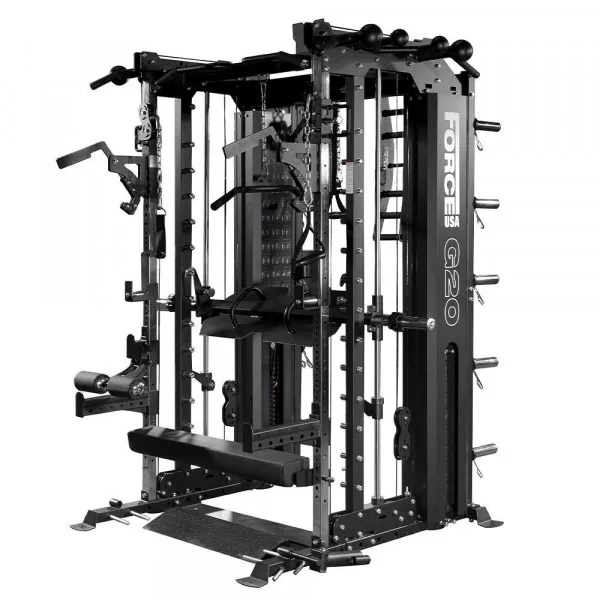
Image source: Web (Bing) / forceusa.co.za (Web image (fair-use with source credit))
Quick Answer
The best all in one functional trainer smith machine combos are the Force USA G20, the Major Fitness F22, and the Giant Gym S5. Each pairs a Smith machine with dual adjustable pulleys and weight stacks in one frame. The G20 suits heavy lifters, the F22 fits tight spaces, and the S5 is the budget pick.
All require ceiling clearance and bolting for stability.
Why This Comparison Matters (And What Most Buyers Get Wrong)
Here's the thing nobody tells you before you buy one of these. The marketing photos make every combo unit look like the perfect gym, but the real experience depends on your ceiling height, your floor type, and how much weight you actually press.
Most people underestimate the footprint. A combo unit like the Force USA G20 measures about 89 inches tall and 80 inches wide. If you're planning to do overhead presses on the Smith machine, you need to account for the barbell path, not just the frame.
That means you need roughly 8 feet of ceiling height just to press a plate overhead without whacking your drywall.
The other thing buyers get wrong is the bolting requirement. These machines weigh anywhere from 400 to 700 pounds empty. With weight stacks loaded, you're easily over 1,000 pounds.
Manufacturer specs confirm most units need to be bolted to a concrete floor for safe use. A few heavier models claim they stand fine on their own, but aggregate user reviews say the wobble at the top of heavy squats is real.
And then there's the pulley ratio conversation. Some machines use a 2:1 ratio, meaning the weight you feel is half of what's loaded. Others use 1:1, which gives you the full stack resistance.
This isn't a minor spec detail, it changes how the machine feels on every single cable exercise.
What You're Actually Getting: Breaking Down the Combo Unit
Let's strip away the marketing language and look at what's really bolted into the frame. A combo unit is basically three machines sharing one structure, and each part has its own quirks.
The Smith Machine: More Than Just a Squat Rack
A Smith machine locks the barbell into vertical guide rails. You track along a fixed path, which means you don't need a spotter for heavy squats or benching. The bar has safety catches at regular intervals, so you can bail out of a failed rep by racking the hooks.
The trade-off is that you lose all the stabilizer muscle work a free barbell gives you. That's fine if you're training for aesthetics or general strength, but it's worth knowing before you commit.
Most combo units use what's called a counterbalanced Smith bar. The bar comes with a counterweight system that makes the empty bar feel lighter, usually around 15 to 25 pounds instead of the standard 45. Each commercial machine has its own way of doing this.
Some use a weighted pin between the rails, others use a cable and pulley system that helps you near the bottom of the movement. If you're used to a particular gym's Smith machine, the feel can vary pretty dramatically between brands.
The Functional Trainer: Your Cable Workhorse
The functional trainer side is where the versatility comes in. You get two adjustable pulleys that slide up and down the upright posts, so you can set them for chest flys, lat pulldowns, face pulls, cable curls, and rows.
What actually matters on this side is the pulley height adjustment. Cheaper machines make you pull a pin to move the pulley, and it works fine but it's slow. Better machines use a pop-pin or weight-lifter adjustment handle that lets you reposition mid-set without getting into a twist.
You're not switching a pin or a snap ring while you're holding the cable, but you are reaching across your body or stepping around the stack. Make sure the handle sits at a comfortable height. Positioning matters, especially if you're tall or have shorter arms.
Weight Stacks vs. Plate-Loaded: Which Way to Go
Here's the biggest fork in the road when you're shopping. Some combos come with selectorized weight stacks, where you pull a pin to choose the weight. Others use plate-loaded posts, where you slide iron plates onto a horn.
Selectorized stacks are way more convenient if you're working out alone. You can switch from 50 pounds to 120 pounds in two seconds flat. No fumbling with plates, no dropping collars.
The catch is the cost. A 200-pound stack per side is expensive to manufacture, and that price shows up in the sticker price.
Plate-loaded machines are cheaper, but they're a pain for people who like changing weights frequently. You do get one advantage: you can load as much weight as your plates allow, which is great if you're training super heavy for leg presses.
The 2:1 vs. 1:1 Pulley Ratio, Explained Simply
This spec confuses a lot of people, but it's actually simple once you see it. The pulley ratio tells you how heavy the cable feels compared to the weight stack.
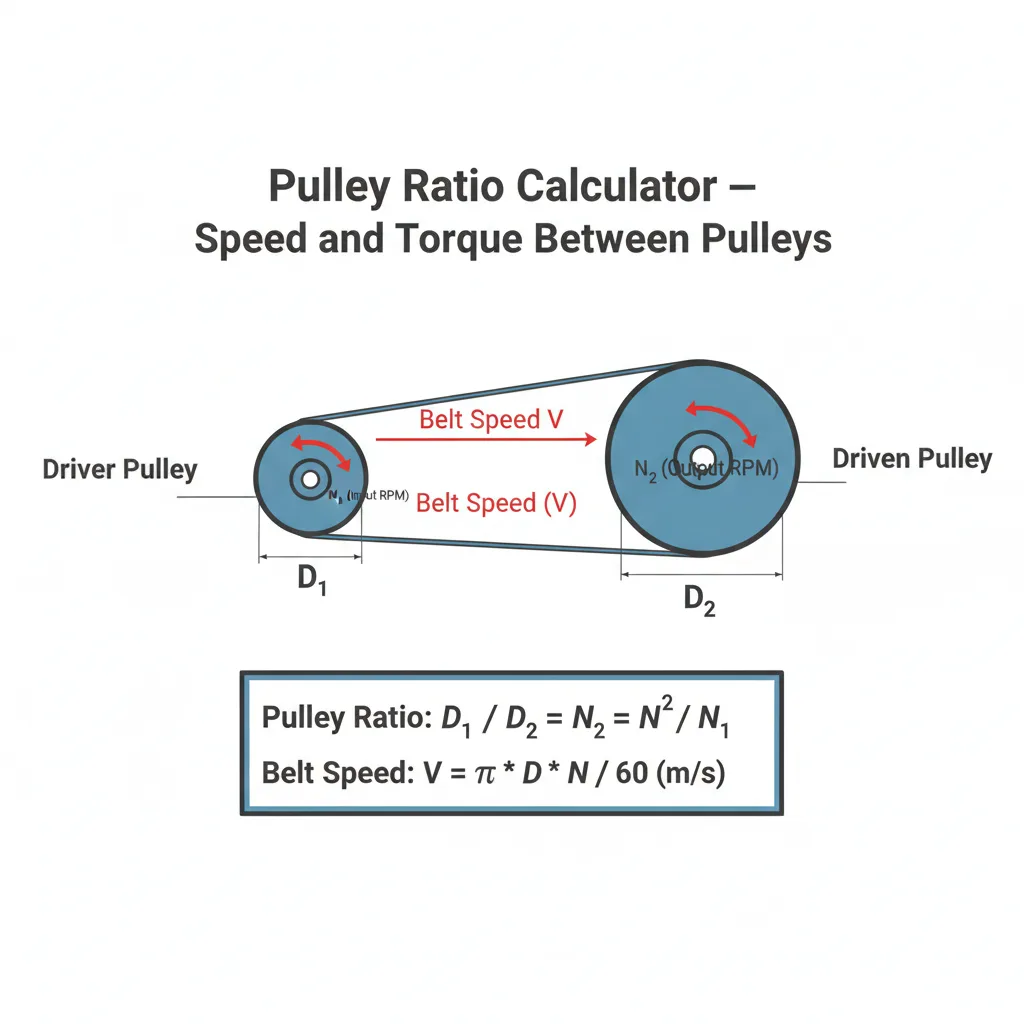
Image source: Web (Bing) / firgelliauto.com (Web image (fair-use with source credit))
A 2:1 ratio means the cable has to travel twice as far as the stack moves, so you feel half the loaded weight. This gives you a smoother feel for exercises like cable crossovers. A 1:1 ratio means you feel the full stack, which is better for lat pulldowns and heavy rows where you want maximum resistance.
Manufacturer specifications show most budget and mid-range units use 2:1 on the functional trainer side, while premium units like the ones from Giant Gym use 1:1. Neither is objectively better, but you need to match the ratio to what you'll actually do on the machine.
The Full Breakdown: Top All-in-One Combos Compared
Let's get into the specific machines that dominate the conversation in 2026. Each of these has a personality, and knowing what it's good at makes your choice easier.
The Heavy Lifter: For Serious Power and Volume
The Force USA G20 is the big dog in this category. It comes with dual 250-pound weight stacks, a 1,100-pound rated Smith machine, and a functional trainer that can switch from a 2:1 to a 1:1 ratio with a simple adjustment. That's a monster setup for someone who wants to deadlift, squat, and do heavy cable rows without skipping a beat.
What you're giving up is space. The G20 requires a footprint around 80 by 76 inches, and the frame needs to be bolted to a concrete floor. Aggregate buyer feedback consistently highlights the stability, which makes sense because it's not moving anywhere once you bolt it down.
The Space-Saver: Best for Tight Garages and Low Ceilings
The Major Fitness F22 is a more compact unit, and it's a huge seller for people converting a 10-foot-by-10-foot corner of the garage into a gym. The frame is only about 80 inches tall, which fits under standard 8-foot ceilings. The Smith machine has a 1,000-pound load rating, and the functional trainer uses a 2:1 ratio with a 165-pound stack per side.
What bites you here is that the F22 doesn't include a leg press plate station. You also have to be careful with the lat pulldown seat, it's on the shorter side for taller users. If you're under 6 feet, it's a great machine.
If you're taller, you might feel cramped on certain exercises.
The Budget Pick: Decent Quality Without Breaking the Bank
The Giant Gym S5 is the machine that makes this category accessible to more people. It's a plate-loaded combo, which is why the price sits far below the selectorized options. You load weight onto posts on both the Smith machine and the functional trainer, so it's a lot more physical work between sets.
The trade-off is versatility at a different price point. Plate-loaded machines can go heavier than weight stacks since you're limited only by the plates you own. The S5 handles that fine, and you get a basic pin-pin home gym that does what it says without a lot of bells and whistles.
The Premium Build: When You Want It to Last 20 Years
If you're building a serious home gym and spending thousands, the Force USA G6 is often the one that gets the most love. It's not the biggest machine on the list, but it's built with 11-gauge steel, brass grommets on the cable pulleys, and a powder coat that actually holds up to sweat and humidity.
The G6 has a 2:1 pulley ratio on the functional trainer, which makes it feel buttery smooth. It also includes a leg press plate on the Smith machine, so you get a second station that covers your lower body work. The biggest knock from user reviews is the assembly time, expect four to six hours with two people.
Side-by-Side Spec Comparison: The Numbers That Actually Matter
Here's where the specs stop being marketing jargon and become decisions you can actually make. We're going to put the four machines above next to each other and look at what shifts the needle.
| Spec | Force USA G20 | Major Fitness F22 | Giant Gym S5 | Force USA G6 |
|---|---|---|---|---|
| Overall Height | 89 inches | 80 inches | 86 inches | 88 inches |
| Footprint | 80 x 76 inches | 65 x 53 inches | 68 x 56 inches | 81 x 65 inches |
| Smith Bar Rating | 1,100 lbs | 1,000 lbs | 900 lbs | 800 lbs |
| Weight Stack | 250 lbs per side | 165 lbs per side | Plate-loaded | 182 lbs per side |
| Pulley Ratio | 2:1 (switchable to 1:1) | 2:1 | 2:1 | 2:1 |
| Frame Steel | 11-gauge | 12-gauge | 12-gauge | 11-gauge |
Footprint, Height, and Clearance Requirements
Ceiling height is the first thing to measure before you order anything. Stand with your feet flat, reach both arms straight up, and measure from the floor to the tips of your fingers. That's your overhead pressing clearance.
Now add about four inches for the bar and plates on a Smith machine.
If your ceiling is 8 feet, you're looking at the Major Fitness F22 or another compact frame. At 9 feet, you can pick nearly any unit on the market. The Force USA G20 needs about 7 feet, 6 inches just for the frame, so a basement with a dropped ceiling is an automatic no.
Weight Stack Capacity and Smith Bar Load
Weight stack numbers tell you the maximum free weight you get from a pin. The G20's 250-pound stacks are the highest in this group, and they're worth it if you do heavy lat pulldowns or seated cable rows. The F22's 165-pound stacks are fine for most beginners and intermediates but start to limit advanced lifters.
The Smith machine rating matters less than people think, because the counterbalance system changes the effective weight. A 1,000-pound rated machine is more than enough for 99% of home gym users. You'd need to be squatting 700-plus pounds to truly challenge a 1,100-pound frame.
Frame Thickness, Stability, and Bolting Needs
Frame steel thickness shows up in two places: the upright columns and the cross braces. The G20 and G6 use 11-gauge steel, which is substantially sturdier than the 12-gauge stuff on the F22 and S5. You feel the difference in the rigidness, especially when you do explosive movements like pull-ups.
Regardless of thickness, every machine in this group needs a bolted-down setup for stability. Aggregate reviews indicate that even heavy units sway at the top of overhead movements if they're not anchored. Some units come with a rubber base that sits flat, but that doesn't stop the frame from flexing when you're pulling against a 150-pound stack.

Similar Posts