What is the Second Most Popular Sport in the World: Surprising Reveal
You might know that soccer is the most popular sport worldwide, but have you ever wondered which sport comes next? Discovering the second most popular sport in the world can surprise you and even change how you see global sports culture.
If you’re curious about what millions of people watch, play, and follow passionately, keep reading. This article will reveal the answer and share why this sport captures the hearts of so many. Get ready to learn something new that could spark your next favorite game!
Global Sports Popularity
Sports connect people across continents, cultures, and backgrounds. Understanding global sports popularity helps you see why certain games dominate hearts worldwide. It’s not just about the number of fans but also the influence sports have on culture and everyday life.
Factors Determining Popularity
Popularity depends on several key factors that shape how sports reach and engage audiences. Accessibility plays a huge role—sports that require minimal equipment or space often attract more players and viewers. Media coverage and broadcasting rights boost visibility, making some sports household names.
Economic impact also matters. Sports that generate high revenue attract sponsors, leading to better promotion and growth. Cultural significance can’t be ignored either; some sports are deeply rooted in tradition, making them more beloved in specific regions.
Comparative Analysis Of Major Sports
| Sport | Global Fan Base | Accessibility | Media Coverage | Cultural Impact |
|---|---|---|---|---|
| Soccer (Football) | Over 4 billion | High (minimal equipment) | Extensive worldwide | Strong in Europe, Latin America, Africa |
| Cricket | Over 2.5 billion | Moderate (needs field and equipment) | Major in South Asia, Australia, UK | Deep cultural roots in former British colonies |
| Basketball | Over 2.4 billion | High (indoor/outdoor courts) | Strong in USA, China, Philippines | Popular urban sport with global appeal |
Have you ever wondered why cricket, despite its complex rules, holds such a massive audience in some countries but less so elsewhere? Or why basketball grows rapidly even in places without a long history of the sport? These differences reflect how environment and culture shape your connection to a sport.
The Contender For Second Place
The race for the second most popular sport in the world is intense. While soccer holds the top spot, several other sports compete closely for second place. This competition reflects diverse fan bases, cultural influences, and global reach. Understanding the contender for second place means exploring its history and how different regions embrace it.
Historical Growth And Development
The sport’s growth began over a century ago. Early clubs and leagues formed, attracting local fans. International competitions helped spread its popularity. Media coverage expanded the audience worldwide. The rise of professional leagues boosted the sport’s profile. Today, millions watch games live or on TV. The sport’s evolution shows steady and strong growth. Its rules and style also adapted to attract more players and fans.
Influence Of Regional Preferences
Different regions favor different sports. In some areas, this sport dominates over others. For example, in the Americas and Asia, it enjoys huge followings. Cultural traditions often shape these preferences. Local heroes and teams also increase interest. Economic factors and infrastructure support the sport’s growth. In countries where soccer is less popular, this sport gains ground. Regional tournaments and events attract many viewers. This local enthusiasm helps the sport build a loyal fan base worldwide.
Soccer: The Dominant Force
Soccer holds a unique place in the world of sports. It is a dominant force that captivates millions. Its simplicity and excitement draw fans from all corners of the globe. The sport’s influence goes beyond the field, shaping cultures and communities. Understanding why soccer remains so powerful helps explain its global status.
World Cup Impact
The World Cup is soccer’s most prestigious event. It happens every four years, uniting nations. This tournament showcases the best teams and players. The competition sparks pride and passion among fans. It also brings massive global attention to soccer. The event’s TV viewership breaks records, reaching billions worldwide. Winning the World Cup can elevate a country’s status in sports. The tournament inspires new generations to play and follow soccer.
Global Fan Base Expansion
Soccer’s fan base grows steadily every year. Many countries, even those without strong leagues, now follow the sport. The internet and TV broadcasts make matches accessible everywhere. Soccer clubs use social media to connect with fans worldwide. Youth programs and local leagues promote soccer at the grassroots level. This expansion helps the sport reach diverse cultures and age groups. Soccer’s universal appeal lies in its easy rules and fast pace. It offers a shared experience that crosses language and borders.
Cricket’s Rising Profile
Cricket’s popularity has grown steadily across the globe. Once seen as a sport limited to a few countries, it now captivates millions of fans. Its rise reflects a blend of tradition and modern appeal. The sport’s unique format and thrilling moments attract diverse audiences. Cricket is fast becoming the second most popular sport worldwide.
Key Markets And Demographics
Cricket thrives mainly in South Asia, Australia, and the United Kingdom. Countries like India, Pakistan, Bangladesh, and Sri Lanka have passionate fan bases. In India alone, over 400 million people follow cricket closely. The sport also gains traction in countries like South Africa and New Zealand.
The game’s appeal crosses age groups and social classes. Young people enjoy fast-paced formats like Twenty20. Older fans appreciate the traditional Test matches. Urban areas show strong viewership, but rural regions are catching up. Women’s cricket is growing, bringing more diversity to the sport.
Major International Tournaments
Several major tournaments drive cricket’s global popularity. The ICC Cricket World Cup is the most prestigious event. It happens every four years and features the best teams worldwide. The ICC T20 World Cup offers a shorter, more exciting format. It attracts viewers who prefer quick and intense matches.
Other important tournaments include the Indian Premier League (IPL). The IPL combines sport with entertainment, drawing huge crowds. The Ashes series between England and Australia remains a historic rivalry. These events boost cricket’s profile and bring new fans.
Basketball’s Strong Presence
Basketball holds a powerful place as the second most popular sport worldwide. Its appeal crosses continents, cultures, and age groups, creating a vibrant global community. This strong presence is fueled by dynamic leagues, growing youth participation, and a culture that celebrates both competition and creativity.
Nba’s Global Reach
The NBA is a major driver of basketball’s worldwide popularity. Its games are broadcast in over 200 countries, reaching millions of viewers every week. You might be surprised to learn that players from more than 40 countries are currently in the league, making it truly international.
Global events like the NBA Global Games and Basketball Without Borders bring the sport closer to fans everywhere. These initiatives connect you with basketball beyond your local court, showing how the NBA shapes the sport on a global scale. Have you ever caught an NBA game late at night just to follow your favorite international player?
Youth Engagement And Growth
Basketball’s growth is strongest among young people. Schools and community centers worldwide add basketball programs to attract kids and teens. The sport’s simplicity—just a ball and a hoop—makes it easy to start, while its fast pace keeps young players excited.
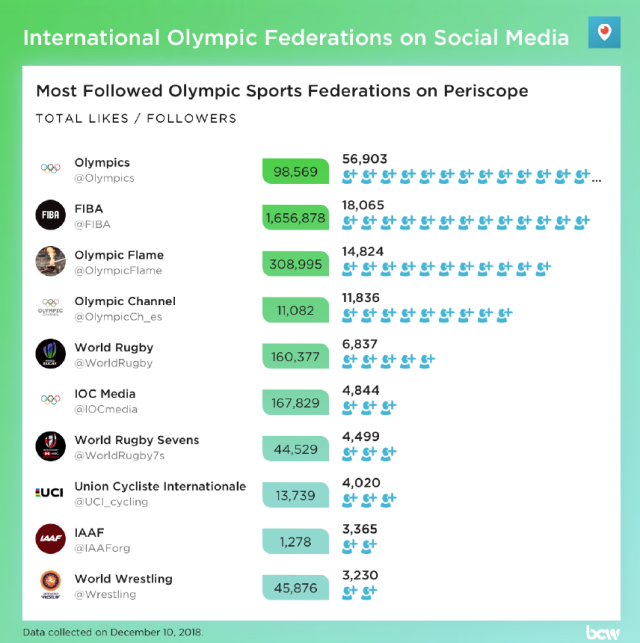
Organizations like FIBA support grassroots efforts, helping coaches and players develop skills early on. You can see this energy firsthand when visiting local courts filled with diverse groups competing and having fun. What impact could stronger youth programs have on your community’s future basketball stars?
Credit: www.fiba.basketball
A Surprising Challenger
When thinking about the world’s most popular sports, soccer usually claims the top spot without much debate. But what about the second most popular sport? The answer might surprise you. This sport has quietly gained fans worldwide, challenging traditional favorites and reshaping global sports culture.
Unexpected Growth Trends
What makes this sport stand out is its rapid growth in places you wouldn’t expect. Countries without a strong history in this sport have embraced it enthusiastically, driving up participation numbers and viewership.
Consider how in the last decade, the number of players and fans in regions like Asia and North America has surged. New leagues and tournaments attract millions of viewers, showing a clear upward trend.
If you’ve noticed more local clubs, youth teams, or community events popping up in your area, that’s part of this growth. It’s not just about watching the sport on TV anymore; people want to play and be part of the action.
Cultural And Economic Influence
The sport’s rise isn’t just about numbers—it’s reshaping cultures and economies too. Cities hosting major events see boosts in tourism and local business, while media coverage creates new advertising opportunities.
In many countries, this sport has become a tool for social connection and national pride. It brings communities together, often crossing social and economic boundaries.
Have you ever thought about how a single game or tournament can spark a sense of unity? This sport’s expanding influence means it’s not only a game but also a powerful cultural force worldwide.
Future Predictions
Looking ahead, the future of the second most popular sport in the world is full of possibilities. Changes in global interest, technology, and cultural shifts could reshape which sport holds this spot. Understanding these trends can help you stay ahead of what’s next in the sports world.
Potential Shifts In Popularity
Sports popularity isn’t fixed; it moves with time and trends. A sport’s rise or fall depends on many factors like media coverage, star players, and accessibility.
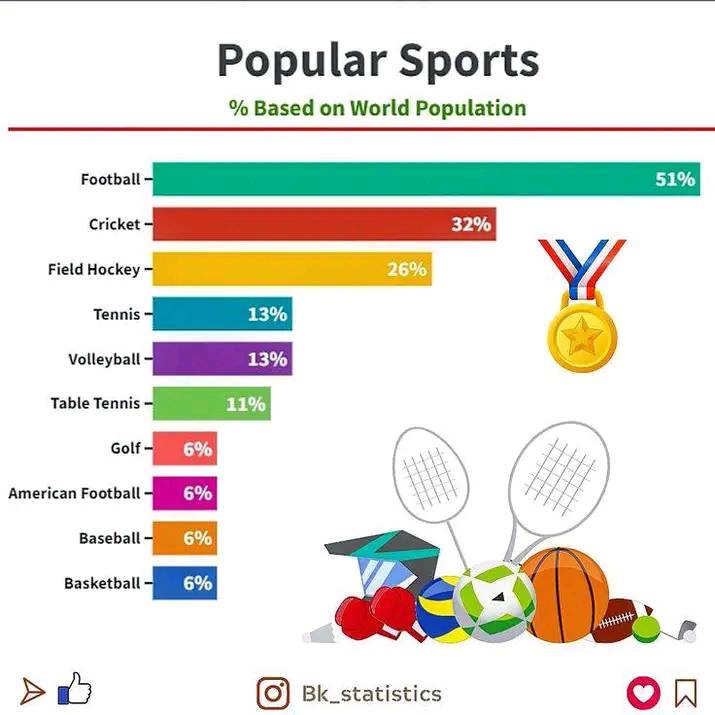
Take cricket, for example. It’s traditionally been the second most popular sport globally. But its popularity could shift as younger generations in non-traditional countries start playing more. Could esports or basketball overtake it? Only time will tell, but staying aware of these shifts can help you spot the next big thing early.
Emerging Markets And Opportunities
New regions are embracing sports once considered niche. Asia, Africa, and South America are growing sports markets fast.
These emerging markets offer huge opportunities for the second most popular sport to gain fans and players. Imagine how basketball exploded in China or how cricket grew in Afghanistan. Where will the next surge happen? Watching these markets can give you insights into the sport’s future expansion and popularity.

Credit: www.topendsports.com
Credit: www.facebook.com
Frequently Asked Questions
What Is The Second Most Popular Sport Worldwide?
Cricket is the second most popular sport globally. It has a massive following in countries like India, Australia, and England. Its fan base exceeds 2. 5 billion people, making it highly influential after soccer.
Why Is Cricket So Popular Globally?
Cricket’s popularity stems from its rich history, exciting formats, and strong cultural presence. It offers diverse gameplay styles like Test, ODI, and T20 matches. Major tournaments like the ICC World Cup attract millions of viewers worldwide.
Which Countries Love Cricket The Most?
India, Pakistan, Australia, England, and South Africa are cricket powerhouses. These countries have passionate fans and competitive domestic leagues. Cricket is deeply ingrained in their sports culture and social life.
How Does Cricket Compare With Football’s Popularity?
Football leads in global popularity with over 4 billion fans. Cricket ranks second but dominates in specific regions. Both sports have huge followings and generate significant economic and cultural impact worldwide.
Conclusion
The second most popular sport in the world brings people together. It excites fans with fast action and skill. Many countries enjoy watching and playing it daily. This sport has a rich history and strong culture. It offers fun moments for players and fans alike.
Understanding its popularity helps appreciate global sports trends. Everyone can join in and enjoy the thrill. The sport continues to grow and inspire new fans everywhere. A true global favorite, loved by millions.