What is Bulking in Fitness: Expert Guide Unveiled
Are you trying to build muscle but feel lost about where to start? Understanding bulking in fitness could be the key to unlocking your best gains.
Bulking is more than just eating a lot; it’s a strategic approach that helps you add muscle mass effectively. If you want to know how to increase your size without gaining unwanted fat, keep reading. This guide will break down what bulking really means and how you can use it to reach your fitness goals faster.
Ready to transform your body? Let’s dive in.
Bulking Basics
Understanding the basics of bulking is essential if you want to build muscle effectively. Bulking is more than just eating a lot; it’s about strategic nutrition and training to help your body grow stronger and bigger. Let’s break down what bulking really means, the types of bulking you can try, and how it compares to cutting.
What Bulking Means
Bulking means consuming more calories than your body burns to promote muscle growth. This calorie surplus provides the energy and nutrients your muscles need to repair and grow after workouts.
But bulking isn’t about eating anything and everything. You want to focus on nutrient-dense foods that support muscle gain rather than just adding fat.
Types Of Bulking
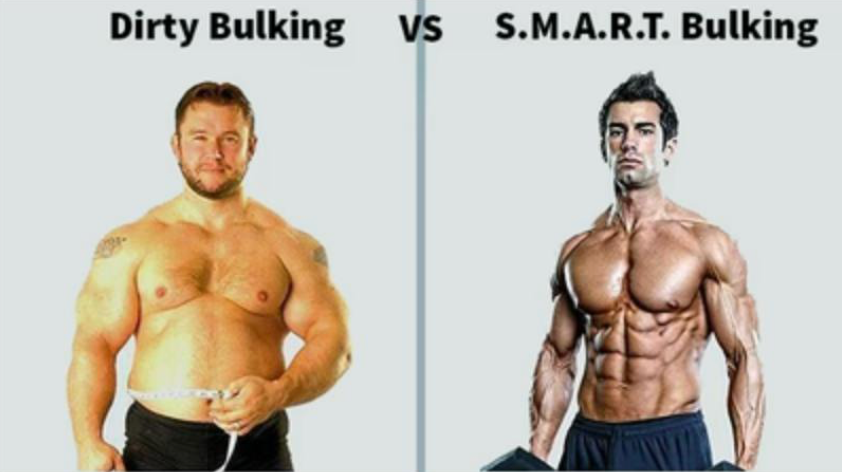
There are mainly two types of bulking: clean bulking and dirty bulking.
- Clean Bulking:You eat a slight calorie surplus with mostly healthy foods like lean proteins, whole grains, and vegetables. This approach helps you gain muscle with minimal fat.
- Dirty Bulking:You eat a large calorie surplus without worrying much about food quality. This can lead to faster weight gain but also more fat.
Choosing the right type depends on your goals and how much fat gain you’re willing to accept.
Bulking Vs Cutting
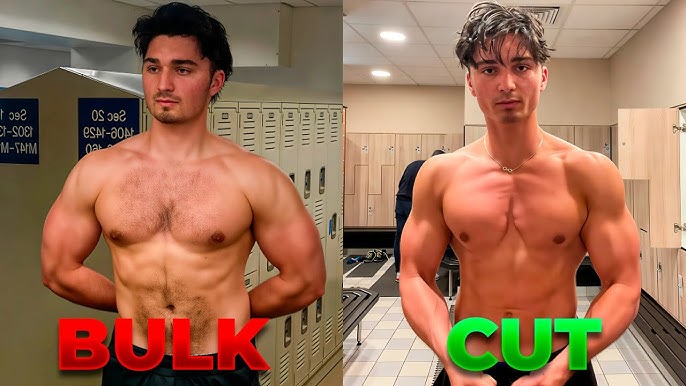
Bulking and cutting are opposite phases in fitness. Bulking focuses on gaining muscle, while cutting focuses on losing fat to reveal muscle definition.
During bulking, your calorie intake is higher, and during cutting, it’s lower. Both require careful planning to avoid losing muscle or gaining excess fat.
Ask yourself: Are you ready to eat more and possibly gain some fat for muscle growth? Or do you want to focus on trimming down first? Your answer will guide your approach to bulking or cutting.
Setting Bulking Goals
Setting clear bulking goals is the foundation of a successful muscle-building journey. Without defined targets, your efforts can become scattered, making it hard to measure progress or stay motivated. By focusing on specific objectives, you give yourself a roadmap to follow and a way to celebrate milestones along the way.
Muscle Gain Targets
Decide how much muscle you want to gain and in what timeframe. Aiming for 0.5 to 1 pound of muscle per week is realistic for most beginners. Setting too high a target can lead to frustration, while too low may slow your progress.
Think about your body type and lifestyle. If you have a naturally lean build, you might gain muscle more slowly than someone with a larger frame. Adjust your targets accordingly to stay motivated and avoid burnout.
Calorie Surplus Needs
To build muscle, you need to eat more calories than your body burns—this is called a calorie surplus. But how much more? Typically, adding 250 to 500 extra calories daily helps fuel muscle growth without excessive fat gain.
Track your food intake carefully, focusing on nutrient-dense options. Protein is key, but don’t ignore carbs and fats; they provide energy and support recovery. Adjust your calorie intake based on how your body responds over time.
Tracking Progress
Regularly monitoring your progress keeps you accountable and helps you spot what’s working. Use a combination of methods like weight measurements, body fat percentage, and strength improvements in the gym.
Take photos every few weeks to visually compare changes. Numbers alone don’t always tell the full story. Ask yourself: Are you feeling stronger? Do your clothes fit differently? These insights can guide your next steps.
Nutrition For Bulking
Nutrition plays a crucial role in bulking, directly affecting your muscle gains and overall progress. Eating the right foods in the right amounts gives your body the fuel it needs to build muscle effectively. Without proper nutrition, even the best workout plan can fall short.
Macronutrient Breakdown
Getting your macros right is key to successful bulking. Aim for a balance that supports muscle growth without excessive fat gain.
- Protein:1.0 to 1.5 grams per pound of body weight daily. Protein repairs and builds muscle fibers.
- Carbohydrates:2 to 3 grams per pound of body weight. Carbs provide the energy needed for intense workouts.
- Fats:Around 0.3 to 0.5 grams per pound of body weight. Healthy fats support hormone production and overall health.
Adjust these ratios based on how your body responds. Are you gaining too much fat? Cut back on carbs slightly. Struggling to build muscle? Increase protein.
Best Foods To Eat
Choose whole, nutrient-dense foods to maximize muscle gain and minimize fat gain. Processed foods might make bulking easier but often lead to unwanted fat.
- Proteins:Chicken breast, turkey, lean beef, eggs, Greek yogurt, and fish like salmon.
- Carbohydrates:Sweet potatoes, brown rice, oats, quinoa, whole wheat bread, and fruits like bananas and berries.
- Fats:Avocados, nuts, seeds, olive oil, and fatty fish.
Try to include vegetables in every meal—they provide fiber, vitamins, and minerals essential for recovery and overall health.
Meal Timing Tips
How you space your meals can impact your energy and muscle growth. Eating frequently helps maintain a steady supply of nutrients to your muscles.
- Eat every 3 to 4 hours to keep your metabolism active and muscles fed.
- Consume a protein-rich meal or shake within 30 minutes after your workout for optimal recovery.
- Don’t skip breakfast; it sets the tone for your day and jumpstarts muscle repair after fasting overnight.
Have you noticed how skipping meals affects your strength or energy? Pay attention to your body’s signals to find the meal timing that works best for you.

Credit: www.maxinutrition.com
Workout Strategies
Workout strategies during bulking are crucial because they determine how effectively you build muscle without gaining excessive fat. You want to focus on exercises and routines that maximize strength and muscle growth. Balancing intensity, volume, and recovery will help you see real progress and keep your body primed for growth.
Strength Training Focus
Strength training is the backbone of bulking. Prioritize heavy lifts with lower reps—think 4 to 8 reps per set—to stimulate muscle growth and build power.
Compound movements like squats, deadlifts, and bench presses should be your go-to. They engage multiple muscle groups and trigger greater hormonal responses.
Have you noticed how your strength gains often lead to size gains? Tracking your progress in these lifts can help you stay motivated and ensure you’re challenging your muscles enough.
Exercise Selection
Choose exercises that target all major muscle groups evenly. Neglecting any area can cause imbalances and slow your overall growth.
Include a mix of compound and isolation exercises. While compounds build the foundation, isolation moves like bicep curls or leg extensions can help shape specific muscles.
Think about your weakest areas and add extra sets or exercises to strengthen them. This tailored approach ensures your physique grows proportionally and looks balanced.
Recovery Importance
Muscle doesn’t grow in the gym—it grows when you rest. Skipping recovery means your muscles stay damaged instead of rebuilding stronger.
Prioritize sleep, nutrition, and rest days to give your body the time it needs to repair. Overtraining can stall progress and increase injury risk.
Ask yourself: Are you giving your muscles enough downtime? Sometimes less is more when it comes to workout frequency during bulking.
Common Bulking Mistakes
Bulking aims to build muscle by eating more and training harder. Many people make mistakes that slow progress or cause unwanted fat gain. Avoiding these common errors helps make bulking more effective and healthier.
Overeating Pitfalls
Eating too many calories leads to excess fat, not just muscle. It is easy to assume more food always means better results. Focus on a moderate calorie surplus to gain lean muscle. Track your intake and adjust based on progress.
Ignoring Fat Gain
Some fat gain is normal during bulking but ignoring it causes problems. Excess fat can harm health and slow future fat loss. Regularly check your body fat and adjust your diet. Keep fat gain within a reasonable range for better results.
Skipping Cardio
Cardio helps maintain heart health and controls fat during bulking. Skipping cardio may lead to unnecessary fat gain and poor endurance. Include light to moderate cardio sessions for balance. Cardio supports overall fitness without hurting muscle growth.
Bulking Supplements
Bulking supplements can play a key role in helping you gain muscle and strength efficiently. They support your increased calorie and nutrient needs during a bulking phase. Choosing the right supplements saves you time and effort, letting you focus more on your workouts and recovery.
Protein Powders
Protein powders are a staple for anyone looking to bulk up. They provide a convenient way to meet your daily protein targets, especially when whole foods aren’t available. Whey protein is popular for its quick absorption, while casein works well before bed due to its slow release.
Have you noticed how your muscle gains slow down when your protein intake drops? Adding a protein shake post-workout can boost muscle repair and growth without much hassle.
Creatine Benefits
Creatine is one of the most researched and effective supplements for bulking. It increases your muscles’ energy stores, allowing you to lift heavier and train harder. This can lead to faster strength gains and greater muscle size over time.
Besides strength, creatine also helps your muscles retain water, giving them a fuller look. Ever felt stuck on a plateau? Creatine might be the simple addition that helps you push past it.
Other Popular Options
- BCAA (Branched-Chain Amino Acids):Supports muscle recovery and reduces soreness, making it easier to train consistently.
- Mass Gainers:High-calorie shakes designed to help you consume enough calories for bulking when eating solid food feels challenging.
- Beta-Alanine:Improves endurance during intense workouts by buffering muscle acid buildup.
Have you tried any of these supplements, or are you relying solely on food? Sometimes, a well-chosen supplement can fill gaps and accelerate your progress.
Adjusting Your Bulking Plan
Adjusting your bulking plan is key to steady muscle growth and avoiding excess fat. It means changing your diet and workouts based on your progress and body signals. This helps keep your gains lean and your energy high.
When To Cut Calories
Cut calories if fat gain becomes noticeable. Slow down weight gain to avoid unwanted fat. Watch your body fat percentage and waist size closely. Reduce calories by 10-20% to stay in a lean bulk. Avoid drastic cuts to keep muscle growth steady.
Modifying Workouts
Change your workout routine to match your bulking phase. Focus on heavy lifting with compound exercises. Add more sets or reps to boost muscle stress. Include rest days to help muscle recovery. Adjust training intensity if you feel too tired or sore.
Listening To Your Body
Pay attention to hunger, energy, and fatigue levels. Increase food intake if you feel weak or tired. Lower calories or training load if you feel overly sore or fatigued. Rest is as important as training for muscle growth. Trust your body signals to guide your bulking plan.
Credit: medium.com

Credit: betterme.world
Frequently Asked Questions
What Is Bulking In Fitness?
Bulking is a phase focused on gaining muscle mass by eating more calories. It involves strength training and a calorie surplus to support muscle growth and recovery.
How Long Does A Bulking Phase Last?
A typical bulking phase lasts 8 to 16 weeks. Duration depends on individual goals, body type, and progress tracking for optimal muscle gain.
What Foods Are Best For Bulking?
Lean proteins, complex carbs, healthy fats, and nutrient-rich vegetables are best. These support muscle growth while minimizing fat gain during bulking.
Is Bulking Necessary For Muscle Growth?
Yes, bulking provides extra calories and nutrients needed for muscle repair and growth. Without it, muscle gains may be limited.
Conclusion
Bulking helps build muscle by eating more and lifting weights. It needs patience and a good plan. Eating the right foods gives your body energy and nutrients. Training hard helps muscles grow strong and big. Tracking progress keeps you on the right path.
Rest and sleep are also very important. Bulking is not just about gaining weight fast. It’s about gaining healthy muscle over time. Stay consistent and listen to your body’s needs. This way, bulking can support your fitness goals well.

Similar Posts