How are Shoes Supposed to Fit: Perfect Comfort Guide
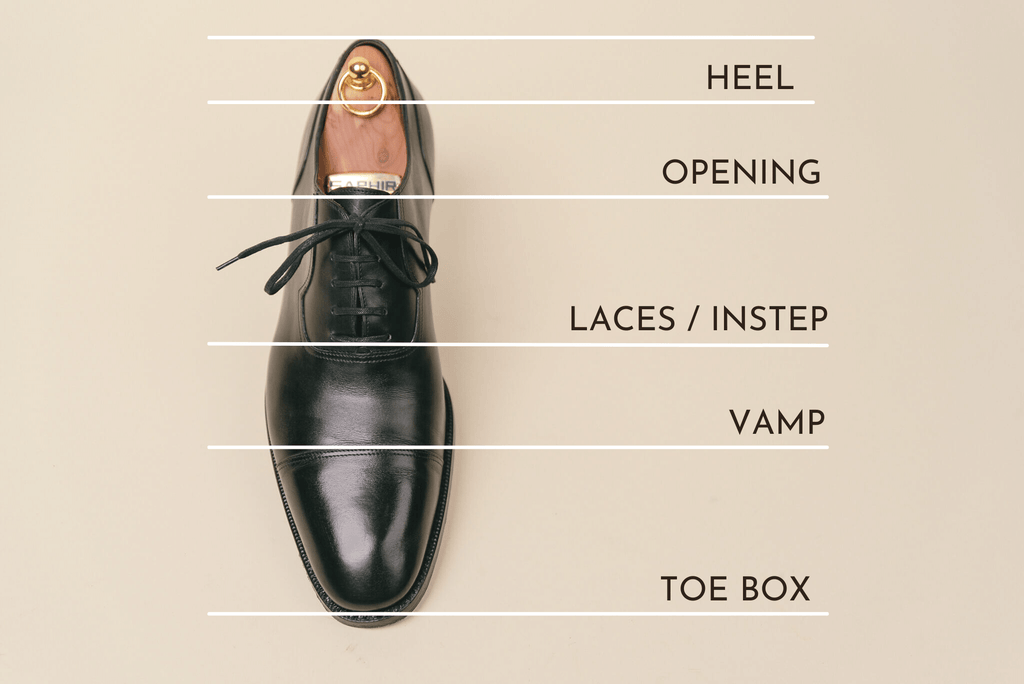
Have you ever bought shoes that looked perfect but felt uncomfortable the moment you put them on? Finding shoes that fit just right isn’t always easy, yet it’s one of the most important steps to keeping your feet healthy and comfortable all day long.
If your shoes are too tight, too loose, or just wrong in some way, they can cause pain, blisters, and even long-term problems. You might be surprised how small changes in fit can make a huge difference. Keep reading to discover exactly how shoes are supposed to fit—and how you can find the perfect pair that feels like they were made just for you.

Credit: brillare.ca
Signs Of A Perfect Fit
Finding shoes that fit perfectly is important for comfort and foot health. Shoes that fit well support your feet without causing pain. Knowing the signs of a perfect fit helps you avoid blisters, soreness, and other foot problems.
Heel Snugness
The heel should feel secure without slipping out. A snug heel keeps your foot stable inside the shoe. Too loose means your foot will slide, causing blisters. Too tight causes discomfort and pressure on your heel.
Toe Room
There must be enough space for your toes to move freely. Your toes should not touch the front of the shoe. About half an inch of space is ideal. Tight toes cause cramps and long-term foot issues.
Arch Support
The shoe should support the natural curve of your foot’s arch. Proper arch support helps prevent pain and fatigue. Lack of support can cause foot strain and discomfort. Choose shoes that match your arch type for best results.
Width Comfort
The shoe width should match your foot width without squeezing. Shoes too narrow cause pinching and redness. Shoes too wide allow your foot to slide around. Comfortable width keeps your foot stable and pain-free.
Common Fit Problems
Shoes that don’t fit well can quickly turn a great day into a painful one. Understanding common fit problems helps you avoid discomfort and protect your feet. Let’s look at some typical issues and how they affect your shoe experience.
Blisters And Hot Spots
Blisters often appear when shoes rub repeatedly against your skin. These painful bubbles form because of friction and moisture trapped inside the shoe. Hot spots, the early warning signs, feel like burning or irritation before blisters develop.
Have you ever noticed a small, painful spot after a long walk? That’s a hot spot warning you to adjust your shoes or socks. Choosing shoes with a softer lining or using blister prevention tape can save you from weeks of discomfort.
Pinching And Squeezing
If your shoes feel tight or cramped, pinching may be the culprit. This usually happens when the shoe is too narrow or the toe box is too small. Your toes need space to move, especially when walking or running.
Think about how your feet feel at the end of the day—do they ache or feel numb? That could be due to constant squeezing. Look for shoes with a wider fit or stretch materials to give your feet breathing room.
Slipping Heels
When your heel slips out of the shoe while walking, it means the fit is loose at the back. This can cause blisters on your heel and reduce your stability. Slipping heels often happen with new shoes or those that don’t match your foot shape.
Have you tried adding heel grips or wearing thicker socks? These small changes can stop your heel from slipping and improve your walking comfort. Always check the heel fit before buying shoes.
Pressure Points
Pressure points feel like sharp or aching spots on your feet caused by uneven shoe pressure. They often result from seams, stiff materials, or poor shoe design. These points can lead to calluses or long-term pain if ignored.
Pay close attention to where your shoes press the hardest. Adjusting laces or choosing shoes with padded areas can reduce pressure. Your feet deserve shoes that support them without creating new problems.
Measuring Your Feet Accurately
Measuring your feet accurately is key to finding shoes that fit well and feel comfortable. Feet can change size and shape over time. A good fit prevents pain and foot problems. Taking precise measurements helps you choose the right shoe size and width every time.
Length And Width Measurement
Measure your foot length by placing it on a flat surface. Use a ruler or tape measure from the heel to the longest toe. Note the length in inches or centimeters.
Measure the width by wrapping a soft tape measure around the widest part of your foot. This is usually near the ball of your foot. Record the width measurement carefully.
Compare your measurements to a shoe size chart. Shoe sizes vary between brands, so measuring helps avoid guesswork.
Time Of Day Considerations
Measure your feet at the end of the day. Feet tend to swell after walking or standing.
Measuring in the morning may give smaller numbers. This can cause tight shoes later.
Try measuring both feet. One foot is often larger. Choose shoes to fit the bigger foot.
Using Brannock Device
The Brannock Device is a tool designed for foot measurement. It measures length, width, and arch length.
Place your heel at the back of the device. Slide the pointer to your longest toe. This shows your foot length.
Next, measure the width by aligning the device’s width bar with your foot’s widest part. Read the width size.
The Brannock Device is common at shoe stores. It provides a quick and reliable measurement.

Credit: brillare.ca
Trying Shoes On Correctly
Trying shoes on correctly ensures comfort and prevents foot problems. Shoes that fit well support your feet throughout the day. Testing shoes in the right way helps you avoid buying pairs that cause pain or blisters. Follow these simple steps to check the fit before you buy.
Wear Appropriate Socks
Put on the socks you plan to wear with the shoes. Thick or thin socks change how shoes fit. Always try shoes on with the same type of socks. This gives a true sense of size and comfort.
Test Both Feet
One foot is usually larger than the other. Always try shoes on both feet. Make sure the shoe fits the bigger foot well. This prevents tightness and discomfort during wear.
Walk And Stand Tests
Walk around the store to check shoe comfort. Pay attention to any tight spots or rubbing. Stand with your weight on both feet. Check if your toes have enough space and the heel stays in place. Shoes should feel snug but not tight.
Adjusting For Different Shoe Types
Different shoe types demand different fitting approaches. Your feet might feel comfortable in one style but cramped or loose in another. Knowing how to adjust your fit based on the shoe type can save you from blisters, discomfort, and wasted money.
Running Shoes
Running shoes need a bit of extra room, especially in the toe box. Your feet tend to swell during runs, so aim for about a thumb’s width between your longest toe and the shoe’s front. Also, check that the heel fits snugly without slipping, or you risk blisters on longer runs.
Have you ever bought running shoes that felt perfect at the store but hurt after a few miles? That’s often because people don’t account for foot expansion during exercise. Try running in the store or testing shoes after a walk to get a more accurate fit.
Dress Shoes
Dress shoes usually fit more snugly than athletic shoes, but they shouldn’t pinch or squeeze your toes. Leather dress shoes often stretch over time, so if they feel a little tight at first, it’s okay as long as there’s no sharp pressure.
Pay special attention to the width. A shoe that’s too narrow will cause discomfort, while one too wide won’t provide enough support. Ask yourself: Does the shoe hold your foot firmly without feeling like it’s choking it?
Boots
Boots require a secure fit around your ankle and heel to prevent rubbing and sliding. Since boots often have thicker soles, ensure there’s enough room in the toe area to avoid cramping. Try wearing the socks you plan to use with the boots to get a true fit.
When you lace up or zip boots, your foot should feel locked in place but still comfortable. Consider how the boots will feel after hours of wear—will your feet swell or get warm? Adjust accordingly.
Sandals
Sandals offer less coverage, so fit depends heavily on straps and footbed shape. Your foot should stay securely in place without needing to grip with your toes. Make sure straps aren’t too tight to avoid chafing or red marks.
Think about the activities you’ll do in sandals. Are you walking long distances or just lounging? Proper fit here means balancing freedom of movement with enough support to keep you stable.
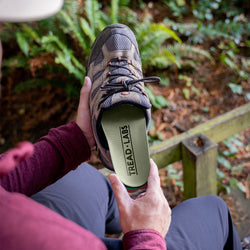
Credit: treadlabs.com
Materials And Their Impact On Fit
Materials play a key role in how shoes fit and feel. The type of material affects comfort, stretch, and breathability. Knowing these details helps you choose shoes that match your needs.
Leather Stretching
Leather is a natural material that softens over time. It molds to the shape of your foot with wear. Leather shoes often feel tight at first but become more comfortable. This stretching can add about half a size in room. Keep in mind leather may take days or weeks to break in fully.
Synthetic Materials
Synthetic materials, such as mesh or plastic, usually keep their shape. They do not stretch like leather does. Synthetic shoes often feel the same from the first wear to the last. These materials can offer a snug fit right away. It is important to pick the correct size at purchase.
Breathability Factors
Breathability affects how your feet stay dry and cool. Natural materials like leather allow air to pass through. Synthetic materials vary in breathability. Some have mesh panels for better airflow. Shoes with good breathability reduce sweat and odor. This helps prevent discomfort and blisters during long wear.
When To Size Up Or Down
Knowing when to size up or down in shoes can make all the difference in comfort and foot health. It’s not just about guessing your usual size; factors like foot shape, daily activities, and even the time of day can influence the perfect fit. Paying attention to these details helps you avoid blisters, pain, or a shoe that feels like it’s holding you back.
Foot Swelling
Your feet naturally swell throughout the day, especially if you spend a lot of time standing or walking. Shoes that fit perfectly in the morning might feel tight by evening.
Try shopping for shoes later in the day when your feet are at their largest. This helps ensure your shoes won’t squeeze or cause discomfort when your feet expand.
If you notice swelling during activities, sizing up slightly can prevent pinching and improve circulation. Have you ever worn shoes that felt fine at first but became unbearable by the end of the day?
Orthotic Inserts
If you use orthotic inserts, your shoe size might need adjusting. Inserts add thickness inside the shoe, reducing the available space for your foot.
Consider sizing up or choosing shoes with removable insoles to accommodate your orthotics comfortably. This adjustment prevents cramped toes and maintains support.
Don’t ignore how inserts affect fit — tight shoes with orthotics can cause pressure points and pain. Have you checked how your inserts change your shoe’s fit before buying?
Seasonal Changes
Temperature changes can subtly affect your feet and shoe fit. In colder months, thicker socks are common, requiring a bit more room inside your shoes.
During summer, your feet might swell slightly due to heat, making a snug fit uncomfortable. You might need to size up for warmer seasons to avoid tightness.
Think about your typical seasonal footwear and how your shoe size might need to shift. How often do you adjust your shoe choices based on the weather?
Maintaining Shoe Comfort Over Time
Keeping your shoes comfortable over time takes more than just picking the right pair initially. Shoes can change shape, feel, and fit as you wear them, so you need to pay attention to how they adjust to your feet. Comfort is a journey, not a one-time event.
Breaking In Tips
New shoes often feel stiff or tight at first, but that doesn’t mean you should suffer through pain. Start by wearing them around the house for short periods. This gentle use helps the materials soften and mold to your feet naturally.
If your shoes still feel uncomfortable, try wearing thick socks or using a shoe stretcher. These simple tricks can ease pressure points and prevent blisters. Have you noticed how some shoes just “give” after a few days, making walking feel effortless?
Insole Replacements
The insoles inside your shoes play a huge role in comfort, yet many people overlook them. Swapping out factory insoles for cushioned or orthopedic ones can make a big difference. Look for insoles that match your arch type and support needs.
Replacing insoles can also extend the life of your shoes by absorbing shock better. Think about how your feet feel after a long day—are your insoles helping or hurting? Changing them might be the easiest fix to boost comfort instantly.
Regular Fit Checks
Feet change size and shape over time, so it’s smart to check your shoe fit regularly. Try shoes on in the afternoon when your feet are at their largest. This helps you avoid buying pairs that will feel tight later.
Don’t ignore signs like pinching, slipping, or numbness. These are clues your shoes no longer fit properly. Could your favorite pair be causing discomfort because it’s time for a new look or a different size?
Frequently Asked Questions
How Tight Should Shoes Fit Your Feet?
Shoes should fit snugly but not squeeze your feet. There must be enough room to wiggle your toes comfortably. Avoid tight shoes that cause pain or restrict circulation, as this can lead to discomfort and foot problems.
How Much Space Should Be At The Toe Box?
Leave about a half-inch (one thumb’s width) of space between your longest toe and the shoe tip. This allows natural toe movement and prevents blisters or nail damage during walking or running.
Should Shoes Feel Comfortable Immediately?
Yes, properly fitting shoes should feel comfortable right away. Avoid shoes that require a break-in period, as discomfort can indicate poor fit or unsuitable design.
Can Shoe Size Vary Between Brands?
Absolutely. Shoe sizes often differ by brand and style. Always try shoes on and measure your feet rather than relying solely on size numbers.
Conclusion
Choosing shoes that fit well keeps your feet healthy and comfortable. Shoes should feel snug but not tight. Always check for enough space at the toes. Walk a few steps to test the fit. Remember, good shoes support your daily activities.
Wearing the right size helps avoid pain and blisters. Take your time to try on different pairs. Your feet will thank you with every step you take. Comfort matters more than style alone. Prioritize fit to enjoy walking without worry.

Similar Posts