Is Ping Pong a Olympic Sport: Unveiling the Truth Today

Have you ever wondered if ping pong, a game many enjoy casually at home or with friends, is actually an Olympic sport? You might be surprised to learn how this fast-paced, exciting game fits into the world’s biggest sporting event.
If you’re curious about ping pong’s status on the Olympic stage and what makes it so special, this article will give you all the answers. Keep reading to discover the truth about ping pong and the Olympics—you won’t want to miss this!
History Of Ping Pong
Ping pong has a rich history that spans over a century. It started as a simple indoor pastime and grew into a respected sport worldwide. Understanding its past helps appreciate its status today.
Origins And Evolution
Ping pong began in England during the late 1800s. It was a parlor game for the upper class. Players used makeshift equipment like books for paddles and a golf ball. The name “ping pong” came from the sound of the ball hitting the paddle and table.
Over time, the game changed. Manufacturers created proper paddles with rubber surfaces. The ball evolved from cork to celluloid, making the game faster. Rules became standardized, forming the foundation for modern table tennis.
Rise In Popularity
The sport spread across Europe and Asia in the early 1900s. Clubs and competitions started to appear. In 1926, the International Table Tennis Federation (ITTF) was founded. This organization helped unify rules and promote the sport globally.
By the mid-20th century, Asian countries, especially China, began dominating the sport. Their success increased ping pong’s popularity worldwide. Today, millions enjoy playing ping pong both recreationally and competitively.
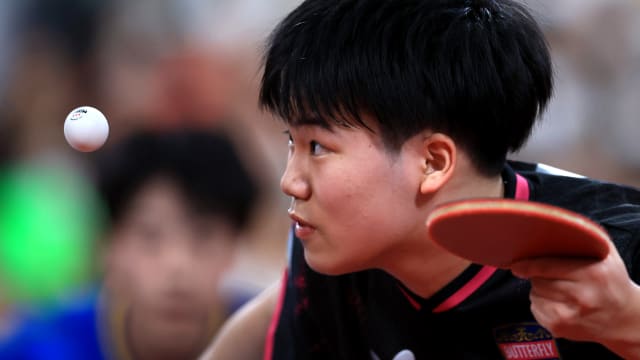
Credit: www.olympics.com
Ping Pong And The Olympics
Ping Pong, often seen as a fun backyard game, holds a prestigious position on the world stage. Its journey into the Olympics highlights how a sport evolves from casual play to global competition. Understanding this transition can change how you view Ping Pong and its impact on sports culture.
Introduction To Olympic Inclusion
Ping Pong, officially known as table tennis, became an Olympic sport in 1988 during the Seoul Games. Before this, it was popular in clubs and schools but lacked global competitive recognition. Its inclusion marked a major milestone, showing how fast-paced and skillful the game truly is.
Since 1988, Ping Pong has featured in every Summer Olympics, showcasing players from diverse countries. This has helped the sport gain fans worldwide and inspired many to take it more seriously. Have you ever thought about how such a simple game requires such intense training at this level?
Criteria For Olympic Sports
To be included in the Olympics, a sport must meet certain requirements set by the International Olympic Committee (IOC). These include:
- Worldwide popularity with a strong following in multiple countries.
- Governed by an international federation that ensures consistent rules and fair play.
- Ability to promote Olympic values like excellence, respect, and friendship.
- Practical considerations such as the sport’s fit within the Olympic schedule and venues.
Ping Pong fits these criteria well. It has millions of players globally and is governed by the International Table Tennis Federation (ITTF). The sport’s fast pace and skillful play attract viewers, making it exciting to watch live or on TV.
Thinking about these criteria, can you see why some popular games don’t make it to the Olympics? It’s not just about popularity but also structure and global reach.
Ping Pong’s Olympic Journey
Ping pong’s journey to becoming an Olympic sport is a story of persistence and global passion. It reflects how a simple game turned into a worldwide competitive event recognized on the biggest athletic stage. If you’ve ever wondered how your casual ping pong matches relate to Olympic history, this journey might surprise you.
First Appearance
Ping pong, officially known as table tennis, made its Olympic debut at the 1988 Summer Olympics in Seoul, South Korea. This marked a major milestone as it was the first time the sport was included in the Olympic program. The inclusion showed the growing international appeal of the game, transforming it from a leisure activity into a serious competitive sport.
Before 1988, ping pong was popular worldwide but lacked the global platform the Olympics provide. The debut event featured singles and doubles competitions for both men and women, setting the stage for future tournaments. Have you ever thought about how your local ping pong skills could fit into an Olympic-level match?
Key Milestones
- 1988:Table tennis officially added to the Olympic Games, introducing singles and doubles events.
- 2008:The doubles events were replaced with team events, shifting the dynamics of Olympic table tennis.
- Technological Advances:Introduction of new ball materials and paddle technologies influenced playing styles and strategies.
- Dominance of Asian Countries:Nations like China have consistently dominated, raising the sport’s competitive standards worldwide.
These milestones reflect how the Olympic stage has pushed the sport to evolve rapidly. Watching Olympic table tennis, you’ll notice the fast-paced, strategic gameplay that’s far beyond casual play. What if your next game focused more on strategy than speed? You might find a new appreciation for the sport’s complexity.

Credit: ttcanada.ca
Current Status In The Olympics
Ping pong, officially known as table tennis, holds a firm place in the Olympic Games. Since its inclusion in 1988, it has grown in popularity and competitiveness. The sport features a well-defined Olympic format and attracts players from around the world. The current status reflects its global reach and dynamic competition style.
Competitive Format
Olympic table tennis includes singles and team events. Each match follows a best-of-seven games structure. Players serve two points each before switching. The first to 11 points wins a game. If the score ties at 10-10, play continues until a two-point lead appears. Teams compete in a series of singles and doubles matches. This format tests skill, strategy, and endurance.
Global Participation
Table tennis features athletes from over 70 countries. The sport is especially popular in Asia and Europe. Nations like China, Japan, and Germany often dominate. The International Table Tennis Federation oversees global rankings and qualifications. This wide participation boosts the sport’s Olympic profile. It also promotes cultural exchange and sportsmanship worldwide.
Impact On Ping Pong
Ping pong’s inclusion as an Olympic sport has changed the game’s global presence. It lifted the sport from casual play to a serious competition. This shift has affected players, fans, and the sport’s growth worldwide. The Olympic spotlight brought new energy and respect to ping pong.
Development Of The Sport
The Olympics pushed ping pong to develop faster. Training became more intense and focused. Countries invested in better coaching and facilities. New techniques and strategies emerged from international contests. Equipment improved to match high skill levels. The sport became faster and more exciting to watch.
International tournaments grew in number and scale. This helped players from all over the world meet and compete. Different playing styles mixed and evolved. The sport’s rules and formats adapted to keep the game fair and fun. All these changes made ping pong more professional and respected.
Influence On Players And Fans
Olympic ping pong inspired many new players. Young athletes saw it as a real career path. The sport gained respect among other Olympic games. Players gained fame and motivation from global attention. Fans found new excitement in watching skilled matches live or on TV.
Fans became more engaged with the sport. They learned about players’ stories and rivalries. National pride grew during Olympic events. This increased the fan base and boosted local clubs. The sport’s popularity rose in places where it was less known before.

Credit: qz.com
Future Prospects
The future prospects of Ping Pong as an Olympic sport are filled with exciting possibilities. The sport has already secured its place in the Olympics, but changes and growth are on the horizon. Understanding these potential developments can help you appreciate where Ping Pong might head next on the global stage.
Potential Changes
Ping Pong could see updates to its rules and format to make the game even more thrilling for viewers. Shorter match times or new scoring systems might be introduced to keep the pace fast and engaging. These changes aim to attract a wider audience, especially those who prefer quick, action-packed sports.
Imagine watching a match where each point feels like a mini final. Would that make you more likely to follow the Olympic Ping Pong events closely? Adjusting the game format could also increase TV ratings and sponsorships, benefiting players and organizers alike.
Growing Influence
The global popularity of Ping Pong is on the rise, especially in countries outside traditional strongholds. This growing influence means more talented players from diverse backgrounds may emerge in future Olympics. You might find yourself cheering for athletes from unexpected nations.
Social media and online streaming have helped Ping Pong reach younger audiences worldwide. This digital growth boosts the sport’s profile and encourages more people to pick up a paddle. How do you think this expanding fan base will affect the sport’s presence in future Olympic Games?
Frequently Asked Questions
Is Ping Pong An Olympic Sport?
Yes, Ping Pong, also known as table tennis, is an official Olympic sport. It was introduced in the 1988 Seoul Olympics. Since then, it has been a regular part of the Summer Olympic Games, featuring singles and team events for men and women.
When Did Ping Pong Become An Olympic Sport?
Ping Pong became an Olympic sport in 1988. The International Table Tennis Federation (ITTF) successfully campaigned for its inclusion. The sport debuted at the Seoul Summer Olympics and has been featured in every Summer Olympics since.
What Are The Olympic Ping Pong Events?
The Olympic Ping Pong events include men’s singles, women’s singles, men’s team, and women’s team competitions. Mixed doubles were added later to enhance the event’s diversity. These categories showcase the best players from around the world competing for medals.
How Popular Is Ping Pong In The Olympics?
Ping Pong is highly popular in the Olympics, especially in Asia and Europe. It draws large global audiences and features intense, fast-paced matches. Its inclusion has helped increase the sport’s visibility and participation worldwide.
Conclusion
Ping pong is indeed an Olympic sport. It has been part of the Olympics since 1988. Players from many countries compete at a high level. The sport tests skill, speed, and focus. Watching Olympic ping pong is exciting and fast-paced.
It shows how popular and respected the sport has become. Whether playing or watching, ping pong offers fun and challenge. The Olympic stage helps players shine worldwide. It brings fans together to enjoy every match. Ping pong’s Olympic status proves its global importance and appeal.

Similar Posts