

Have you ever noticed how a quick game or a simple workout can lift your mood? Sports do more than just keep your body fit—they have a powerful impact on your mind too.
If you’ve ever wondered how playing sports could help reduce stress, boost your confidence, or even fight off anxiety, you’re about to discover some surprising facts. Keep reading to learn how sports can change the way you feel every day and why making them part of your life could be one of the best decisions you ever make.
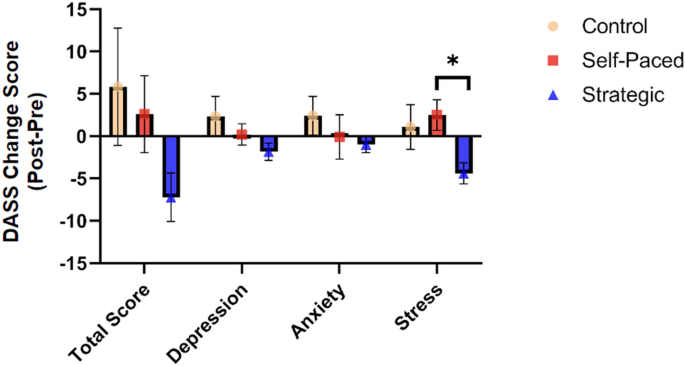
Credit: www.nature.com
Physical Activity And Mental Health
Physical activity plays a crucial role in shaping your mental health. It’s not just about keeping your body fit; moving your body can directly impact how you feel inside. Understanding this connection can help you use exercise as a tool to improve your emotional well-being.
Exercise And Mood Enhancement
Have you ever noticed feeling happier after a workout? That’s because exercise triggers the release of chemicals like endorphins and serotonin, which boost your mood naturally. Even a short 10-minute walk can start to lift your spirits and clear your mind.
Regular physical activity can help you manage stress better. When you exercise, your brain gets a break from negative thoughts, which can lead to a more positive outlook on your day. This effect is powerful enough to make a real difference if you struggle with daily mood swings.
Reducing Anxiety And Depression
Physical activity can be a powerful tool against anxiety and depression. Moving your body reduces levels of stress hormones like cortisol and adrenaline, which often spike during anxious moments. This helps calm your nervous system and brings you back to a more balanced state.
Many people find that exercising gives them a sense of control and accomplishment, which can counter feelings of helplessness common in depression. Whether it’s jogging, swimming, or yoga, finding an activity you enjoy can make these benefits easier to maintain.
What small step can you take today to add movement to your routine and support your mental health? Even simple choices, like stretching during breaks, can build a stronger mind-body connection over time.

Credit: www.instagram.com
Social Connections And Support
Sports create strong social bonds that improve mental health. They offer a space to meet others and build lasting friendships. Social connections reduce feelings of loneliness and boost happiness. Support from teammates or fellow athletes provides emotional strength during tough times. Being part of a community gives a sense of belonging and purpose.
Team Sports And Community Building
Team sports bring people together with a shared goal. Players learn to communicate and trust each other. The teamwork creates a support network beyond the game. Regular practices and matches encourage social interaction. This helps build friendships and a sense of community.
- Players motivate each other to improve and stay committed.
- Team victories celebrate group effort, increasing morale.
- Shared challenges foster empathy and understanding.
These social connections help reduce stress and anxiety. They create a safe space to express feelings and find encouragement.
Individual Sports And Personal Growth
Individual sports focus on self-discipline and personal goals. Athletes learn to rely on themselves and build confidence. Yet, they still find social support through clubs and training groups. Coaches and fellow athletes offer guidance and motivation.
- Training with others creates a positive, supportive environment.
- Competitions encourage healthy social interaction and respect.
- Sharing progress with peers boosts self-esteem.
Individual sports help athletes develop resilience and emotional strength. Social support enhances mental well-being and personal growth.
Cognitive Benefits
Engaging in sports offers more than just physical health benefits; it significantly boosts your brain’s performance. The cognitive benefits from regular physical activity can transform how you think, learn, and solve problems. These mental improvements often carry over into your daily life, helping you stay sharp and focused.
Improving Focus And Concentration
Playing sports demands constant attention and quick reactions. This trains your brain to filter out distractions and zero in on the task at hand. Over time, you may notice that your ability to concentrate on work or studies improves naturally.
For example, during a soccer match, you must watch the ball, teammates, and opponents simultaneously. This multitasking sharpens your mental focus. Have you ever found yourself more attentive during meetings or classes after regular exercise?
Enhancing Problem-solving Skills
Sports often require quick thinking and adapting to changing situations. This hones your ability to analyze problems and make decisions under pressure. You learn to evaluate options swiftly and choose the best course of action.
Consider how a basketball player plans a play or reacts when the opposing team changes strategy. This constant mental challenge strengthens your problem-solving skills. How can you apply this quick thinking to challenges outside sports, like at work or in personal projects?
Stress Reduction
Stress affects many people daily and can harm mental health. Sports offer a natural way to ease this tension. Physical activity helps the body release chemicals that calm the mind. This makes it easier to handle daily worries and feel balanced. Sports also create a healthy routine, which supports steady stress control.
Managing Stress Through Sports
Playing sports helps the body reduce stress hormones like cortisol. It also boosts endorphins, chemicals that make you feel good. Regular exercise improves sleep, which lowers stress levels. Team sports offer social support, easing feelings of loneliness. Moving your body gives a break from stressful thoughts. Sports build confidence, helping you face challenges with less worry.
Relaxation Techniques In Athletics
Athletes use simple relaxation methods to calm their minds. Deep breathing helps lower heart rate and tension. Stretching muscles releases tightness and improves comfort. Visualization lets players imagine peaceful scenes or success. Mindfulness keeps attention on the present moment, reducing anxiety. These techniques, combined with physical activity, create a strong stress-relief routine.
Boosting Self-esteem
Playing sports can greatly boost self-esteem. Physical activity helps people feel better about themselves. It builds a sense of achievement and pride. Sports create chances to set and reach goals. This process strengthens confidence and personal value.
Achieving Goals And Building Confidence
Setting goals in sports gives clear targets to aim for. Achieving these goals brings a sense of success. This success improves belief in one’s own abilities. Small wins lead to bigger confidence over time. Athletes learn to face challenges and overcome them. Each victory, no matter how small, builds self-worth.
Positive Body Image Through Sports
Sports encourage a healthy view of the body. Regular activity shapes a stronger, fitter body image. Feeling physically capable improves how one sees themselves. Sports shift focus from looks to what the body can do. This change reduces negative thoughts about appearance. It promotes acceptance and respect for one’s own body.

Credit: m.facebook.com
Mindfulness And Mental Resilience
Mindfulness and mental resilience play a crucial role in how sports impact your mental health. Engaging in sports is more than physical activity; it sharpens your focus and strengthens your ability to bounce back from setbacks. These qualities help you handle stress better and stay calm under pressure.
Mindful Practices In Sports
Mindfulness in sports means paying full attention to your body and mind during practice or competition. It helps you notice your breathing, muscle tension, and thoughts without judgment. This awareness can improve your performance and reduce anxiety.
You can practice mindfulness by:
- Taking deep, controlled breaths before and during exercise
- Focusing on the sensation of your feet hitting the ground while running
- Observing your thoughts without reacting, especially during tough moments in a game
When I started focusing on my breathing during basketball games, I noticed I stayed calmer and made better decisions. What small mindful habit could you add to your routine today?
Developing Mental Toughness
Mental toughness means staying strong and focused, even when things get difficult. In sports, this helps you push through fatigue, mistakes, or losses without losing confidence.
To build mental toughness, try these steps:
- Set small goals to improve steadily rather than aiming for perfection
- Reflect on past challenges you overcame and how you managed them
- Practice positive self-talk to replace doubts with encouragement
Remember, every tough practice or game is an opportunity to strengthen your mind. How do you handle moments when you feel like giving up?
Frequently Asked Questions
How Does Playing Sports Improve Mental Health?
Playing sports boosts mood by releasing endorphins. It reduces stress and anxiety. Sports improve sleep, focus, and self-esteem, enhancing overall mental well-being.
Can Sports Reduce Symptoms Of Depression?
Yes, sports help reduce depression symptoms by increasing physical activity. Exercise triggers brain chemicals that improve mood and reduce negative thoughts effectively.
What Mental Health Benefits Come From Team Sports?
Team sports promote social interaction, support, and belonging. They build communication skills and reduce feelings of loneliness, positively impacting mental health.
How Does Regular Exercise Affect Brain Function?
Regular exercise improves memory, concentration, and cognitive flexibility. It stimulates brain growth and protects against mental decline as people age.
Conclusion
Playing sports helps improve mood and reduce stress. It boosts self-confidence and helps build friendships. Regular exercise clears the mind and fights anxiety. Sports teach teamwork and patience, which support mental well-being. Staying active keeps the brain sharp and focused.
Everyone can benefit from some form of physical activity. Small steps lead to big changes in mental health. Give sports a chance to brighten your day. Feeling better starts with moving your body.


