How is Ai Being Used in Sports: Revolutionizing Game Performance
Have you ever wondered how athletes seem to push their limits and break records with such precision? What if the secret isn’t just hard work, but smart technology working behind the scenes?
AI is changing the game in sports, and it’s closer to your favorite teams and players than you might think. From improving performance to predicting outcomes, AI is making sports more exciting and intense. Keep reading to discover how this powerful technology is reshaping the way you watch, play, and enjoy sports every day.
Credit: medium.com
Enhancing Player Performance
Enhancing player performance is a key focus in sports today. Technology helps athletes reach new levels by offering precise feedback and tailored training. This means you can improve faster and smarter, not just harder.
Training And Skill Development
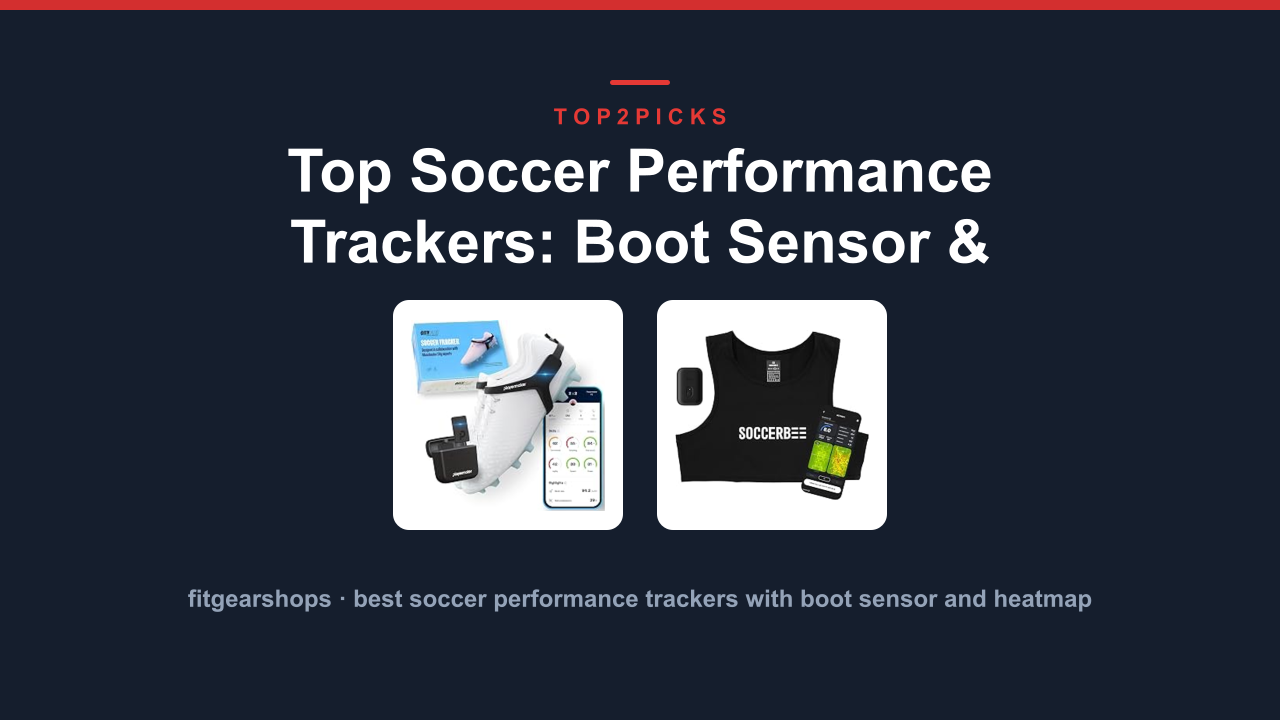
Training has become more personalized thanks to smart systems that track your every move. Wearable devices monitor heart rate, speed, and even fatigue, giving you a clear picture of your physical condition.
Imagine having a coach who never misses a detail. AI-driven apps analyze your technique in real-time, suggesting small adjustments that lead to big improvements. This kind of feedback was once only available through hours of video review or expert observation.
Have you ever struggled to pinpoint exactly what to improve during practice? These tools help you focus on specific skills, whether it’s your swing, sprint, or shot accuracy. You can track progress over time and adjust your workouts accordingly.
Performance Analysis Tools
Teams and individual athletes now use advanced software to break down games and training sessions. These tools collect data points like speed, distance, and success rates to create detailed performance profiles.
Seeing your stats side-by-side with teammates or competitors can motivate you to push harder. Coaches use this data to design strategies that fit your strengths and cover your weaknesses. It’s like having a personalized game plan based on facts, not guesswork.
Are you curious about what separates good players from great ones? Performance analysis tools reveal those subtle differences, like reaction time or decision-making speed. Knowing these details can help you train smarter and outplay your competition.

Credit: medium.com
Injury Prevention And Management
Injury prevention and management are critical in sports to keep athletes performing at their best. With AI, teams and trainers can now spot risks earlier and tailor recovery plans more effectively. This technology helps you stay one step ahead of potential injuries, saving time and careers.
Real-time Monitoring
Imagine having a system that watches your movements during practice or games and alerts you if something feels off. Real-time monitoring uses sensors and AI to track your body’s performance continuously.
These tools collect data on muscle strain, heart rate, and joint stress. If your body shows signs of fatigue or unusual pressure, the system sends instant feedback to coaches and medical staff. This way, minor issues can be fixed before they turn into serious injuries.
Have you ever ignored a small pain only to end up sidelined for weeks? Real-time monitoring could change that by catching warning signs early.
Predictive Injury Models
Predictive injury models analyze past and current data to forecast the likelihood of injuries. They look at patterns like training intensity, previous injuries, and biomechanical data to estimate your injury risk.
Teams use these models to adjust training loads and recovery schedules, helping athletes avoid overtraining. This personalized approach means you get the right balance between pushing hard and staying safe.
What if you could know your injury risk before stepping onto the field? These models provide that insight, making injury prevention smarter and more precise.
Strategic Game Planning
Strategic game planning has taken a huge leap forward thanks to AI. Coaches and teams now have access to detailed insights that were once impossible to gather quickly. This shift means your favorite team can prepare smarter and adapt faster during the game.
Data-driven Decision Making
AI helps coaches turn mountains of data into clear decisions. Instead of guessing, you get precise stats on player performance, fatigue levels, and even weather conditions.
Imagine being able to predict which player should be on the field at a critical moment based on real-time data. This isn’t just theory—teams already use AI to optimize substitutions and tactics during matches. Are you ready to trust numbers over gut feeling?
Opponent Analysis
Knowing your opponent’s moves can make all the difference. AI scans hours of game footage to identify patterns, strengths, and weaknesses in the rival team’s playstyle.
Picture a system that spots the exact play an opponent is likely to use in the next few seconds. Coaches get these insights to adjust strategies on the fly, catching opponents off guard. How much more effective would your team be if it could anticipate the other side’s every move?
Fan Engagement And Experience
Fan engagement and experience have become central to how sports organizations connect with their audience. Today’s fans expect more than just watching a game—they want a personalized, immersive experience that makes them feel closer to their favorite teams and players. Technology is stepping up to meet these demands, transforming passive viewing into active participation.
Personalized Content Delivery
Imagine tuning into a match and instantly receiving highlights tailored to your favorite player’s performance. Personalized content delivery uses data on your preferences and viewing habits to serve exactly what interests you most.
This approach keeps you engaged by showing relevant stats, player interviews, and behind-the-scenes footage without the clutter of unrelated content. Sports apps and platforms now use algorithms that learn what you like over time, making each visit feel unique.
Have you noticed how some apps suggest game replays or articles that match your previous interactions? That’s not luck—it’s smart content delivery designed to keep you hooked and informed.
Virtual Reality And Augmented Reality
Virtual Reality (VR) and Augmented Reality (AR) bring you right into the heart of the action, no matter where you are. With VR headsets, you can experience a game from the front row or even the player’s perspective, offering a level of immersion previously impossible.
AR enhances your real-world environment by overlaying digital information, such as live stats or interactive graphics, onto your screen during a game. This creates a richer viewing experience that lets you explore details without missing a moment.
Imagine using AR on your phone to see player stats pop up as you watch a live match with friends. It turns social viewing into an interactive event. What if your next game day could feel this engaging every time?
Referee Assistance And Fair Play
Referee assistance and fair play have become central to maintaining integrity in sports. With technology advancing rapidly, AI tools are now helping referees make more accurate decisions. This reduces human error and ensures that the game remains fair for all players and fans.
Automated Officiating Systems
Automated officiating systems use AI to analyze gameplay in real-time. These systems track player movements, ball positions, and rule violations instantly. They help referees by highlighting potential fouls or offsides that might be hard to spot with the naked eye.
Imagine watching a soccer match where an AI alerts the referee to a subtle handball missed by everyone else. This technology not only supports officials but also builds trust with players and fans who demand fairness.
Instant Replay Technology
Instant replay technology powered by AI enhances decision-making by reviewing critical moments quickly. It provides referees with multiple camera angles and slow-motion footage to confirm or overturn calls.
You’ve likely seen tense moments where a goal’s validity is questioned. AI speeds up these reviews, reducing game delays while ensuring the right call is made.
Could your favorite sport run smoother if every close call was backed by AI-driven instant replays? This technology keeps games transparent and helps officials maintain control without unnecessary interruptions.

Credit: medium.com
Sports Management And Operations
Sports management and operations have become increasingly data-driven and efficient thanks to advances in technology. Managing a sports organization today involves more than just organizing games and training sessions. It requires smart systems that handle everything from fan engagement to maintaining venues, helping teams and event organizers save time and resources.
Ticketing And Marketing Strategies
Smart ticketing systems use data to predict demand and set prices dynamically. This helps you maximize ticket sales and fill seats more effectively. You can also target your marketing campaigns better by analyzing fan preferences and behavior.
Imagine receiving a personalized offer for a game you love because the system recognized your past attendance and interests. This kind of tailored marketing boosts fan loyalty and increases revenue. Sports teams now use AI-powered chatbots to interact with fans, answer questions, and recommend events, making ticket buying easier and faster.
Facility Management
Managing sports facilities is complex, involving everything from maintenance to crowd control. Smart sensors can monitor the condition of equipment and alert staff before problems arise, reducing downtime. Lighting, heating, and security systems adjust automatically based on real-time data, cutting costs and enhancing safety.
Have you noticed how some stadiums feel more comfortable and secure without someone constantly checking everything? That’s the power of automated facility management. It means smoother operations and a better experience for both staff and fans.
Frequently Asked Questions
How Is Ai Improving Athlete Performance?
AI analyzes player data to optimize training and techniques. It identifies strengths and weaknesses for personalized coaching. This boosts performance and reduces injury risks effectively.
How Does Ai Assist In Sports Injury Prevention?
AI monitors player movements and detects injury risks early. It uses data patterns to suggest preventive exercises. This helps in reducing downtime and enhancing player longevity.
Can Ai Enhance Sports Strategy And Tactics?
AI processes vast game data to recommend smarter strategies. Coaches use AI insights for real-time decision-making. This leads to better game plans and improved team outcomes.
How Is Ai Used In Sports Broadcasting?
AI automates highlight generation and real-time analysis during broadcasts. It personalizes viewer experience with customized content. This increases engagement and brings fans closer to the game.
Conclusion
AI helps athletes train smarter and improve their skills fast. Coaches use AI to plan better strategies and analyze games easily. Fans enjoy more exciting experiences through AI-driven highlights and stats. Sports medicine benefits from AI by spotting injuries early and aiding recovery.
The future holds even more AI tools to support sports growth. AI’s role in sports keeps growing day by day. A new era of sports is here, powered by AI.

Similar Posts