What Sport is Crew: Discover the Thrilling World of Rowing

Have you ever heard the term “crew” and wondered what sport it actually refers to? If you’re curious about a sport that combines teamwork, strength, and rhythm on the water, you’re in the right place.
Understanding what crew is can open up a whole new world of excitement and challenge for you. Stick with me, and by the end of this article, you’ll know exactly what crew involves and why it might be the perfect sport for you to try or follow.
Ready to dive in? Let’s get started!
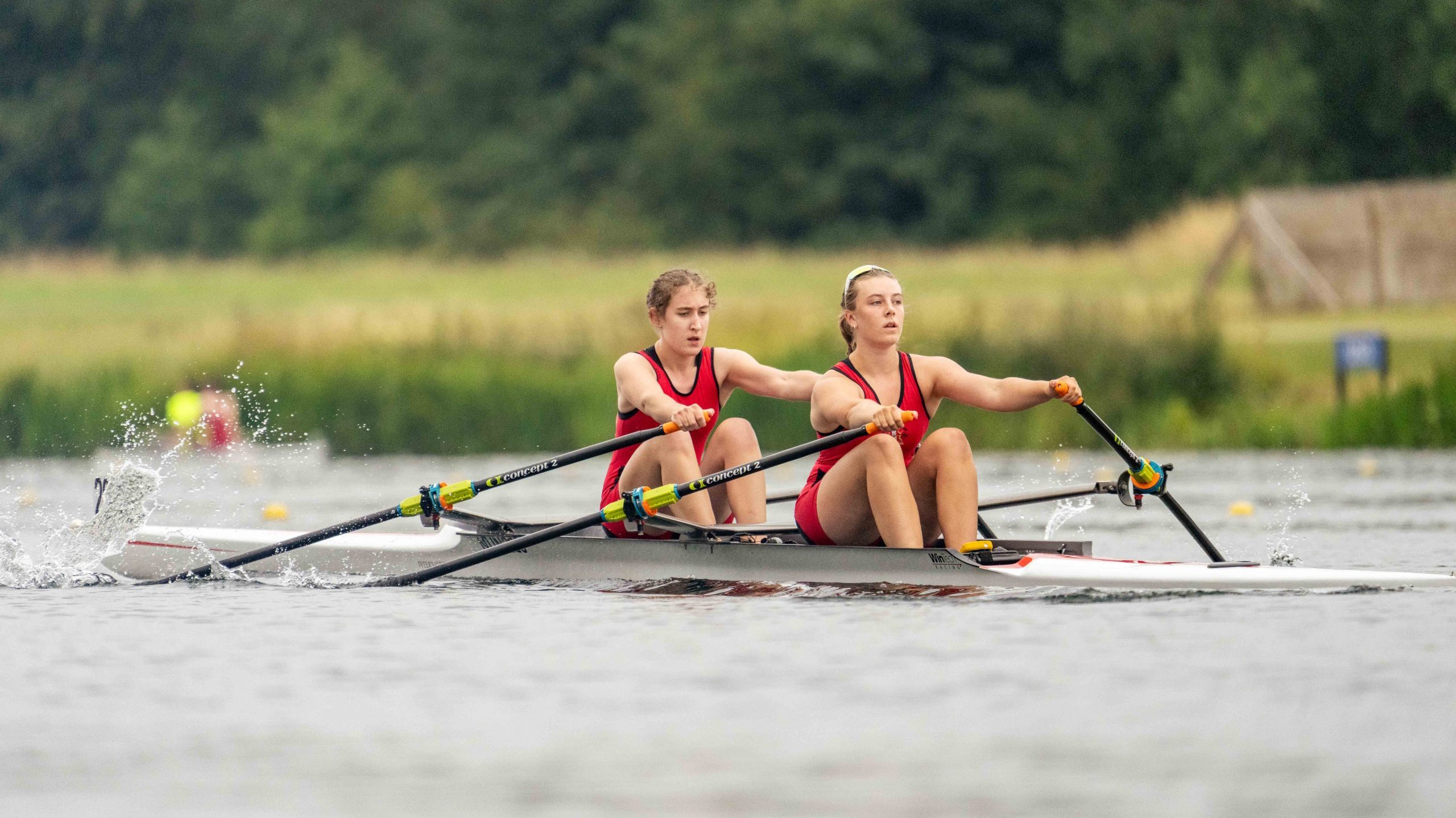
Credit: www.britishrowing.org
Origins Of Crew
The origins of crew, also known as rowing, trace back thousands of years and connect deeply with human history. This sport started as a practical means of transportation and evolved into a competitive and highly skilled athletic activity. Understanding where crew began helps you appreciate its rich traditions and the dedication it demands.
Historical Background
Rowing dates back to ancient civilizations like Egypt and Mesopotamia, where boats powered by oars were essential for trade and travel. Early crews worked together to navigate rivers and seas, relying on teamwork and rhythm to move efficiently.
Over time, rowing shifted from a practical task to a form of military training, especially in ancient Greece and Rome. Soldiers practiced rowing to prepare for naval battles, emphasizing strength and coordination.
Have you ever thought about how this practical skill transformed into a sport? The transition shows how humans turn everyday tasks into challenges that test skill and endurance.
Evolution Of Rowing
Rowing became a competitive sport in the early 18th century in England, particularly among the wealthy and university communities. The first organized races appeared on the River Thames, sparking interest that spread internationally.
The sport evolved with better boat designs and stricter rules, focusing more on technique and athleticism. Today, crew demands precision, teamwork, and physical fitness, qualities that have been honed over centuries.
If you watch a modern rowing race, you’ll see the result of centuries of refinement. Every stroke is a blend of history, science, and sheer human effort. How might knowing this history change the way you view the sport?

Credit: www.whitmancrew.org
The Basics Of Rowing
Rowing, also known as crew, is a water sport where athletes race boats using oars. It blends strength, endurance, and teamwork. The sport takes place on rivers, lakes, or specially made rowing courses. Each rower moves in sync to propel the boat forward. Understanding the basics helps beginners enjoy and improve quickly.
Equipment And Gear
Rowing requires specific equipment to perform well and stay safe. The main piece is the boat, called a shell, which is long and narrow. It is made of lightweight materials like carbon fiber or fiberglass. Each rower uses an oar, a long pole with a flat blade at one end.
Other essential gear includes:
- Rowing seat that slides back and forth
- Foot stretcher to secure the feet
- Clothing that fits snugly to avoid catching
- Life jackets for safety on open water
- Gloves or tape to protect hands from blisters
Rowing Techniques
Good technique is key to efficient rowing and speed. The stroke has four main parts:
- Catch:Rowers lean forward and place the oar blade in the water.
- Drive:Legs push, then body leans back, pulling the oar.
- Finish:The oar blade comes out of the water near the rower’s body.
- Recovery:Rowers return to the starting position smoothly.
Rowers must keep a steady rhythm and move as one team. This harmony reduces drag and increases boat speed.
Types Of Rowing
Rowing, also known as crew, has two main types: sweep rowing and sculling. Each type uses different techniques and equipment. Both forms test strength, endurance, and teamwork. Understanding these types helps appreciate the sport better.
Sweep Rowing
Sweep rowing involves each rower holding one oar with both hands. The oars are longer and placed on one side of the boat. Rowers sit in a line, each rowing on either the port or starboard side.
Boats vary in size, from pairs to eights. Larger boats require more teamwork and coordination. Sweep rowing demands strong rhythm and balance.
Sculling
Sculling uses two smaller oars per rower, one in each hand. This allows for more control and a symmetrical rowing motion. Boats in sculling include singles, doubles, and quads.
Sculling focuses on precision and smooth movement. It helps develop individual skills and strength. This type is popular among beginners and experienced rowers alike.
Competitive Rowing
Competitive rowing, often called crew, is a fast-paced water sport. Teams row boats in perfect harmony to race against others. It demands strength, skill, and teamwork. Races test speed and endurance over set distances. Athletes train hard to improve timing and power.
This sport features various boat types, from singles to eights. Each boat has a coxswain who steers and directs the crew. Rowers use long oars to propel the boat forward. Success depends on rhythm and coordination among rowers.
Regattas And Races
Regattas are organized rowing competitions held worldwide. They often span several days with multiple races. Each race has crews competing over a straight course, usually 2,000 meters long.
Common race formats include head races and sprint races. Head races cover longer distances and are timed events. Sprint races are shorter and focus on direct competition.
- Crews start side-by-side in sprint races.
- Head races start one boat at a time, racing the clock.
- Winning requires a mix of speed, technique, and endurance.
Famous Rowing Events
Several rowing events attract top crews and large crowds. The Henley Royal Regatta in England is a prestigious event with a rich history. It features knockout races on the River Thames.
The Boat Race between Oxford and Cambridge Universities is a famous annual event. It draws millions of viewers and showcases intense rivalry.
The World Rowing Championships bring together the best rowers globally. It includes multiple boat classes and crowns world champions.
| Event | Location | Distance | Type |
|---|---|---|---|
| Henley Royal Regatta | Henley-on-Thames, UK | 1 mile 550 yards | Knockout |
| The Boat Race | Thames River, London | 4.2 miles | Side-by-side |
| World Rowing Championships | Various | 2000 meters | Multi-class |
The Crew Experience
The Crew experience is unlike any other sport you might try. It’s a blend of intense physical effort, precise technique, and seamless teamwork. Each moment on the water pushes you to connect with your teammates and your own limits in a way that few sports can match.
Training And Conditioning
Training for crew isn’t just about rowing hard. It’s about building endurance, strength, and perfecting your stroke through countless hours on the water and in the gym.
You’ll spend time doing long, steady rows to build cardiovascular fitness. Then, you’ll add weight training to increase power in your legs, back, and arms.
Flexibility and core strength are crucial too. Without them, your stroke will lack control and efficiency, which slows the boat down. Have you ever noticed how a small change in your posture can make a big difference in speed?
Team Dynamics
Crew is the ultimate team sport. Success depends on every rower syncing perfectly with the others.
Communication goes beyond words. You learn to read body language and match your rhythm instinctively. Trust is essential—each person relies on the others to maintain balance and speed.
When your team moves together, the boat glides smoothly. When one person is off, the whole crew feels it immediately. Have you ever been part of a group where everything just clicked? That’s the magic of crew.
Benefits Of Rowing
Rowing offers a range of benefits that go beyond just being a sport. It challenges both your body and mind, pushing you to grow stronger and more focused. Whether you’re on calm waters or racing against others, rowing provides a unique combination of physical and mental rewards that can improve your overall well-being.
Physical Fitness
Rowing works almost every major muscle group in your body. Your legs, core, back, and arms all get a powerful workout with each stroke.
Because it’s a low-impact activity, rowing is easier on your joints compared to running or jumping sports. This means you can push yourself hard without worrying as much about injuries.
Regular rowing sessions can boost your cardiovascular health and increase endurance. You’ll notice your stamina improving, making daily tasks feel easier.
Mental Resilience
Rowing demands focus and discipline, especially when you’re synchronizing with a team or maintaining a steady pace alone. This builds mental toughness and sharpens your concentration.
When you face tough conditions on the water, such as strong currents or windy weather, rowing teaches you how to stay calm under pressure. Have you ever noticed how a tough workout can clear your mind and reduce stress?
Many rowers say the repetitive motion helps them enter a meditative state, improving mental clarity. This mental resilience carries over to handling challenges in everyday life.
Rowing Culture
Rowing culture runs deep, beyond just the physical act of propelling a boat through water. It’s a world built on shared experiences, long-standing customs, and a strong sense of belonging. If you step into this environment, you’ll quickly notice how traditions and community shape every stroke and every race.
Traditions And Rituals
Rowing teams often have unique traditions that create a sense of identity. These can include pre-race rituals, like specific warm-up routines or motivational chants that get everyone mentally ready. Some clubs even have initiation ceremonies for new members, marking their official entry into the crew family.
One common tradition you might encounter is the awarding of “blades”—recognition for crews that win certain races. These trophies are more than symbols; they represent hours of hard work and teamwork. Have you ever wondered how these small gestures keep motivation high, even when the training feels toughest?
Community And Camaraderie
The bond between rowers often extends off the water. After grueling practices or competitions, teammates come together to celebrate victories or support each other through setbacks. This sense of camaraderie helps maintain commitment and resilience.
Many rowers describe their crew as a second family. The shared challenges create trust and respect that you rarely find elsewhere. When you join a rowing team, you’re not just signing up for a sport—you’re entering a supportive community that pushes you to grow both physically and mentally.

Credit: recreation.gmu.edu
Getting Started In Rowing
Starting rowing is an exciting journey. It offers a full-body workout and a chance to connect with water. The sport requires teamwork, focus, and physical strength. Many beginners find it rewarding and fun. Learning the basics is the first step to enjoying crew fully.
Finding A Club
Look for local rowing clubs near lakes, rivers, or boathouses. Clubs welcome beginners with open arms. They provide boats, oars, and coaching. Joining a club helps build skills quickly. Most clubs offer beginner programs or learn-to-row classes.
- Check club websites for class schedules and fees
- Visit clubs to meet coaches and rowers
- Ask about equipment and safety measures
- Consider clubs with a friendly, supportive atmosphere
Beginner Tips
Start with basic rowing techniques. Focus on posture, timing, and smooth strokes. Listen carefully to your coach’s instructions. Practice regularly to build strength and endurance. Always warm up before rowing and cool down after.
- Wear comfortable, tight-fitting clothes
- Stay hydrated during practice
- Learn to balance the boat on water
- Be patient with your progress
Frequently Asked Questions
What Sport Is Crew In Simple Terms?
Crew, also known as rowing, is a water sport where athletes race boats using oars. Teams work together to propel the boat forward on rivers, lakes, or rowing courses. It emphasizes strength, endurance, and teamwork.
How Is Crew Different From Other Water Sports?
Crew involves rowing in long, narrow boats with oars, unlike paddling sports like kayaking. It focuses on synchronized team rowing and speed over set distances, rather than individual maneuvers or waves.
What Are The Basic Types Of Crew Boats?
The main crew boats are singles, doubles, fours, and eights. Each boat type varies by the number of rowers and whether they use one oar or two.
Is Crew An Olympic Sport?
Yes, crew has been part of the Olympic Games since 1900. It features multiple race categories for men and women, showcasing top international rowing talent.
Conclusion
Crew is a sport that tests strength and teamwork on water. Teams row boats in sync to race against others. It requires practice, focus, and cooperation from all members. Crew brings people together to achieve a common goal. It builds discipline and physical fitness at the same time.
Anyone can enjoy crew, whether competing or just rowing for fun. This sport offers a unique challenge and great rewards. Try crew to experience the power of moving as one.

Similar Posts