Should Kids Play Competitive Sports? Key Benefits & Risks Revealed
Are you wondering if your child should join competitive sports? You might be asking yourself whether the pressure is worth it or if the benefits truly outweigh the challenges.
This decision isn’t always easy, and it’s one that can shape your child’s confidence, health, and happiness. By the time you finish reading, you’ll have a clearer picture of how competitive sports can impact your child’s life—and whether it’s the right path for your family.
Keep reading to discover the surprising truths that can help you make the best choice.

Credit: www.care.com
Benefits Of Competitive Sports For Kids
Competitive sports offer more than just a chance to win trophies. They can shape your child’s growth in meaningful ways that go beyond the playing field. Understanding these benefits can help you decide if competitive sports are a good fit for your child’s lifestyle and personality.
Physical Health Improvements
Playing competitive sports helps kids build stronger muscles and bones. It also improves their coordination and balance, which are essential for overall physical development.
Regular practice and games encourage endurance and cardiovascular health. Have you noticed how kids involved in sports tend to have better energy levels throughout the day?
Development Of Social Skills
Sports create natural opportunities for children to interact with peers. They learn how to communicate clearly and resolve conflicts during practice and matches.
These social experiences often lead to lasting friendships. What skills do you think your child could gain from being part of a team environment?
Boosting Self-esteem
Winning a game or improving a skill gives kids a real sense of achievement. This can build confidence that spills over into school and other areas of life.
Even facing challenges and setbacks teaches resilience. Watching your child’s confidence grow is one of the most rewarding aspects of sports participation.
Learning Teamwork
Competitive sports teach kids how to work with others toward a common goal. They understand the value of cooperation and supporting teammates.
These lessons in collaboration are essential for adult life. How can your child’s experience on the team prepare them for future challenges?
Risks Associated With Competitive Sports
Competitive sports offer many benefits but also carry certain risks for kids. Understanding these risks helps parents and coaches make better decisions. The challenges go beyond just physical health. They affect mental well-being and daily life too.
Physical Injuries
Kids in competitive sports often face physical injuries. These can range from minor sprains to serious fractures. Overuse injuries are common due to repetitive motions. Some injuries may cause long-term damage if not treated properly. Proper training and rest are vital to reduce injury risks.
Psychological Pressure
Competition creates stress for young athletes. Pressure to win can cause anxiety and low self-esteem. Fear of failure may lead to quitting sports altogether. Some children struggle with balancing expectations from coaches and parents. Mental health support is important for these kids.
Impact On Academic Performance
Time spent on sports can affect schoolwork. Long practices and games may reduce study time. Fatigue from physical activity can lower concentration in class. Some kids find it hard to keep up with homework. Planning and time management are key to avoid this problem.
Over-competitiveness
Too much focus on winning can harm children’s development. Over-competitiveness may foster aggression and poor sportsmanship. Kids might lose interest in playing for fun. It can also strain friendships and family relationships. Encouraging teamwork and enjoyment helps prevent this issue.
Balancing Competition And Fun
Balancing competition and fun is key for kids in sports. Competition teaches discipline and teamwork. Fun keeps kids motivated and eager to play. Without fun, sports can feel like a burden. Finding the right balance helps children grow and enjoy their activities.
Importance Of Enjoyment
Enjoyment helps kids stay active and healthy. Playing should feel exciting, not stressful. Kids who enjoy sports often perform better. Fun creates positive memories and builds confidence. Coaches and parents should focus on fun first.
Parental Guidance
Parents play a big role in balancing sports. Supportive parents encourage effort, not just winning. They celebrate small successes and good sportsmanship. Avoid pushing kids too hard or expecting perfect results. Listening to children’s feelings helps keep sports enjoyable.
Selecting Appropriate Sports
Choosing the right sport matters for balance. Some sports are more competitive than others. Consider the child’s interests and personality. Try different sports to find the best fit. The right sport makes competition feel natural and fun.
Age-appropriate Sports Choices
Choosing sports based on a child’s age helps ensure a positive experience. Age-appropriate sports fit a child’s physical and emotional growth. This helps kids enjoy sports without feeling pressured or overwhelmed. It also supports their development and builds confidence.
Early Childhood Activities
For young children, sports should focus on fun and basic skills. Activities like running, jumping, and simple ball games work well. These help improve coordination and balance. Non-competitive play encourages creativity and social interaction. Sports like toddler gymnastics, swimming, and basic soccer are good choices. They promote movement and build a foundation for future sports.
Sports For Adolescents
Adolescents can handle more structured and competitive sports. Their bodies and minds are ready for teamwork and skill development. Sports like basketball, soccer, volleyball, and track offer challenges and social benefits. At this stage, kids learn discipline and goal setting. Coaches should focus on skill growth and positive reinforcement. Choosing sports that match interests helps keep teens motivated and active.
Encouraging Healthy Competition
Encouraging healthy competition in kids’ sports can shape how they view challenges and success throughout their lives. It’s not just about winning or losing but about learning respect, effort, and growth. When kids engage in competitive sports with the right mindset, they gain valuable lessons that go beyond the game.
Promoting Fair Play
Fair play teaches your child to respect rules and opponents equally. It’s more than following the game’s regulations; it’s about honesty and respect. You might notice your child hesitating to cheat even when no one is watching—that’s fair play in action.
Encourage your kids to shake hands after a tough match or compliment an opponent’s good move. These small actions build character and create a positive sports environment. Ask yourself: how can you model fairness in your daily life to reinforce this value?
Building Resilience
Competitive sports expose kids to wins and losses, helping them learn how to bounce back from setbacks. When your child loses a game, it’s a chance to teach them how to handle disappointment constructively. Resilience grows when they see challenges as opportunities to improve.
Share stories of athletes who kept trying despite failures. This shows kids that persistence matters more than instant success. How do you react when your child faces failure? Your response shapes their attitude toward resilience.
Celebrating Effort
Focusing on effort rather than just the scoreboard encourages kids to value hard work. Praise your child for trying their best, regardless of the outcome. This approach helps them stay motivated and enjoy the process.
Try highlighting moments when they showed determination or teamwork during a game. These celebrations build confidence and a love for the sport itself. What specific efforts of your child can you celebrate today to boost their enthusiasm?
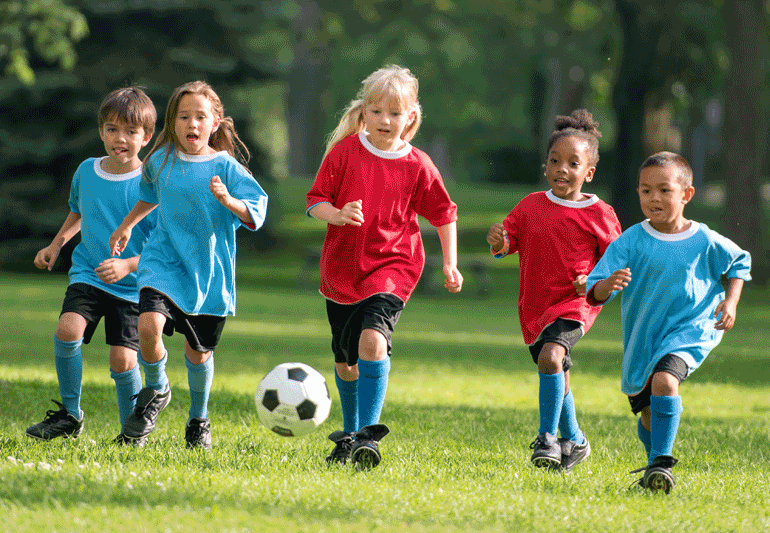
Credit: health.clevelandclinic.org
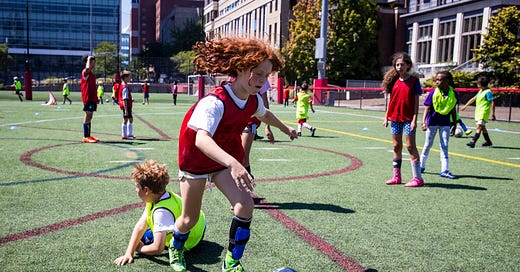
Credit: www.slowboring.com
Frequently Asked Questions
What Are The Benefits Of Kids Playing Competitive Sports?
Competitive sports help kids develop teamwork, discipline, and physical fitness. They also boost confidence and social skills. Playing sports teaches goal-setting and resilience, which are valuable life skills.
Can Competitive Sports Affect A Child’s Mental Health?
Yes, competitive sports can cause stress and pressure. However, with proper support, they promote self-esteem and stress management. Balanced participation is key to positive mental health outcomes.
At What Age Should Kids Start Competitive Sports?
Kids can start low-pressure competitive sports around ages 6 to 8. Early involvement should focus on fun and skill-building rather than winning. This approach fosters long-term interest and development.
How Do Competitive Sports Impact Academic Performance?
Competitive sports can improve focus, time management, and discipline, benefiting academics. Over-scheduling or stress may hinder schoolwork. Healthy balance between sports and studies is essential.
Conclusion
Kids gain many benefits from playing competitive sports. They learn teamwork, discipline, and how to handle wins and losses. Sports also help children stay active and healthy. Some may feel pressure, but with the right support, they can enjoy the experience.
Parents and coaches should focus on fun and growth, not just winning. Overall, competitive sports can teach valuable life skills. Kids can grow stronger, both in body and mind, through playing sports. The key is balance and encouragement.

Similar Posts