What is the Sport Breaking: Unveiling the Dynamic World
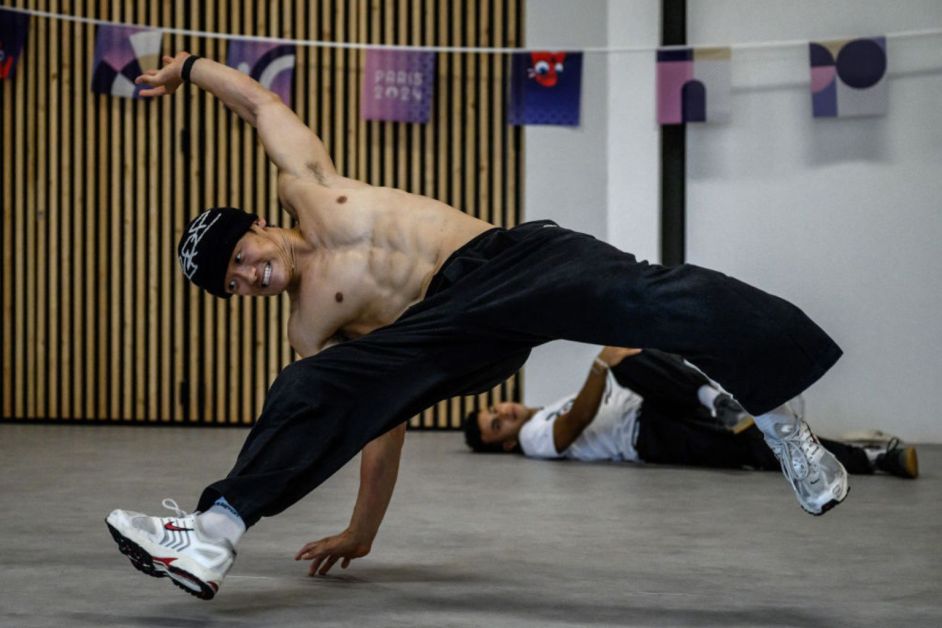
Have you ever seen dancers spinning on their heads or moving with lightning speed to the beat? That’s sport breaking, a thrilling mix of dance and athletic skill.
But what exactly is sport breaking, and why is it gaining so much attention? If you’re curious about this exciting activity and want to know how it can challenge your body and mind, keep reading. By the end, you’ll understand why sport breaking is more than just dance—it’s a powerful way to express yourself and push your limits.
Origins Of Breaking
The origins of breaking reveal a vibrant story rooted deeply in culture and community. Understanding where breaking began helps you appreciate its energy and significance beyond just a dance style. It’s a journey that connects music, movement, and social expression.
Cultural Roots
Breaking started in the 1970s in the Bronx, New York City. It emerged within African American and Puerto Rican communities as a way for young people to express themselves. DJs played funky beats, and dancers responded with moves inspired by martial arts, gymnastics, and traditional African dance.
The dance wasn’t just about moves; it was a social activity that brought people together. It gave many youths an alternative to street violence and a platform to show their creativity. Can you imagine how powerful it felt to turn conflict into an art form?
Evolution Over Time
Breaking didn’t stay confined to the Bronx for long. It spread across the US and then worldwide, adapting to new influences along the way. Dancers began adding their unique styles, making breaking a constantly evolving art.
As breaking entered competitions and global stages, it gained structure but kept its raw energy. You’ll find it in movies, music videos, and even the Olympics now. How do you think this growth changes the original spirit of breaking?

Credit: www.billboard.com
Core Elements Of Breaking
Breaking is a dynamic dance style with unique moves and energy. The core elements form the foundation of this sport. Each element showcases skill, rhythm, and creativity. Understanding these parts helps appreciate breaking’s art and athleticism.
Toprock And Footwork
Toprock is the standing dance step that starts a breaking routine. It sets the rhythm and style. Footwork happens on the floor. It involves quick, precise leg movements. These moves create a visual flow and show control. Both toprock and footwork build momentum for more complex actions.
Power Moves
Power moves display strength and speed. They involve spins, flips, and fast rotations. These moves require practice and body control. Power moves are the highlight of breaking battles. They capture the audience’s attention with energy and skill.
Freezes
Freezes are sharp poses that stop the motion. They show balance and strength. A breaker holds a freeze for a moment. This pause adds drama and style to the routine. Freezes often mark the end of a sequence or routine.
Breaking As A Sport
Breaking, often called breakdancing, has evolved far beyond its roots in street dance to become a recognized competitive sport worldwide. It challenges dancers to combine strength, agility, creativity, and rhythm in a dynamic battle format. Understanding how breaking works as a sport can deepen your appreciation for the skill and strategy involved.
Competitive Format
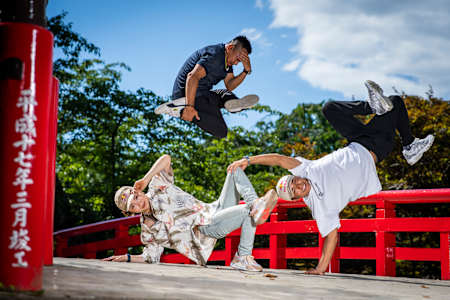
Breaking competitions typically feature one-on-one battles called “battles” or “cyphers.” Each dancer takes turns showcasing their moves within a limited time, often 30 to 60 seconds per round. The goal is to impress judges and the crowd with originality, technique, and energy.
Competitions can have multiple rounds, where dancers face off in knockout-style brackets. Sometimes, crew battles happen where groups of dancers perform collectively. The format keeps the energy high and pushes dancers to bring their best every time.
Judging Criteria
Judges focus on several key elements to decide who wins a battle. These include:
- Technique:How clean and controlled the moves are.
- Creativity:Unique and unexpected moves that stand out.
- Musicality:How well the dancer matches the rhythm and beats.
- Personality:The dancer’s presence and ability to connect with the audience.
- Difficulty:The complexity and risk of the moves performed.
Each judge weighs these factors differently, making every competition unique. Have you noticed how some dancers can captivate an audience just by their confidence and style?
Major Competitions
Several high-profile events showcase the best breakers globally. The Red Bull BC One is one of the most famous, drawing top talent to compete in one-on-one battles. It’s broadcast worldwide and known for its high production value and intense matchups.
The World Breaking Championship, supported by the International Olympic Committee, will debut breaking as an Olympic sport, elevating its status even more. Other notable competitions include the UK B-Boy Championships and Battle of the Year, which have shaped the global breaking community over decades.
Whether you want to compete or just watch, these events offer a window into the passion and skill that define breaking as a sport.
Credit: www.redbull.com
Training And Techniques
Training and techniques form the backbone of sport breaking. Mastering the moves requires more than just passion—it demands focused effort on your body and skills. Let’s dive into how you can train effectively to elevate your breaking game.
Physical Conditioning
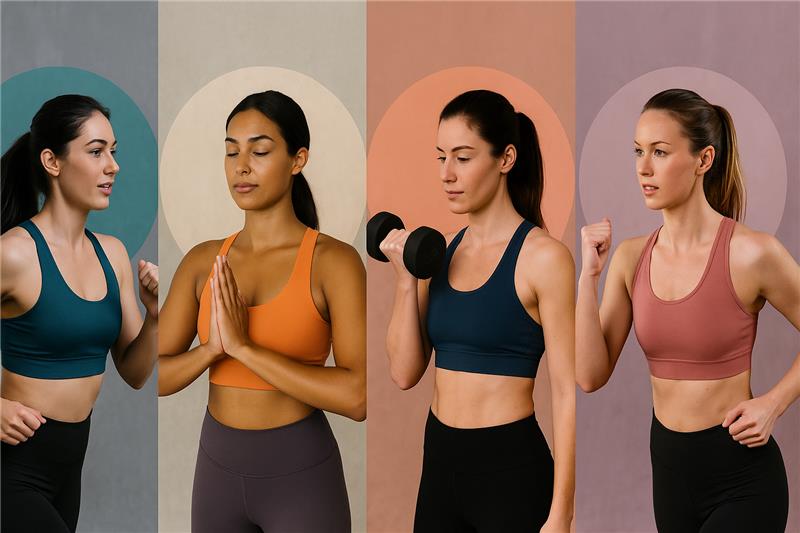
Breaking challenges your strength, flexibility, and endurance all at once. Without a solid fitness base, executing power moves and freezes becomes tough and risky. Prioritize exercises that build core strength, improve balance, and increase cardiovascular stamina.
Try mixing bodyweight exercises like planks, squats, and push-ups with dynamic stretching routines. Have you noticed how your energy and control improve after just a few weeks of consistent conditioning?
Skill Development
Breaking involves mastering a variety of moves such as toprocks, footwork, freezes, and power moves. Each requires practice broken down into smaller steps. Focus on perfecting the basics before advancing to complex sequences.
Video recording your practice sessions can reveal subtle mistakes you might miss. How often do you review your moves to spot areas for improvement? Practicing with others also pushes your creativity and sharpens your timing.
Injury Prevention
Breaking puts stress on joints and muscles, so injury prevention must be a priority. Warm up thoroughly before training and cool down afterwards to reduce muscle tightness. Pay attention to any pain signals—pushing through discomfort can lead to serious injury.
- Use wrist supports during intense moves to protect your joints.
- Strengthen your wrists, shoulders, and knees with targeted exercises.
- Rest adequately between sessions to let your body recover.
Have you ever ignored minor aches only to face longer downtime later? Listening to your body can save you from setbacks and keep your training consistent.
Breaking’s Global Influence
Breaking’s influence stretches far beyond its roots in urban streets. It has grown into a global phenomenon, connecting people across continents through movement and culture. This growth shows how a sport once viewed as niche now shapes communities worldwide.
International Communities
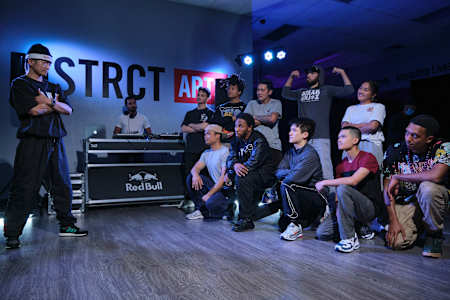
Breaking has sparked vibrant communities in cities everywhere—from New York to Tokyo, Paris to Cape Town. These groups share more than dance; they share values of respect, creativity, and competition.
Many dancers find a second family within these circles. They exchange styles, techniques, and stories, enriching their skills and broadening their perspectives.
Have you ever thought about how a single dance move can unite people who speak different languages?
Media And Popularity
Media plays a huge role in pushing Breaking into the spotlight. Social media platforms showcase jaw-dropping performances that inspire millions daily.
The inclusion of Breaking in global events like the Olympics has boosted its credibility and appeal. Suddenly, it’s not just entertainment but a respected sport with rules and judges.
This visibility invites new dancers and fans, feeding a cycle of growth and innovation. How might your own perception of Breaking change after watching a live battle online?
Credit: www.redbull.com
Breaking In The Olympics
Breaking, also called breakdancing, made its Olympic debut at the 2024 Summer Games. This marked a major moment for the sport and its community. Breaking combines dance, athleticism, and creativity. It has roots in street culture and hip-hop. The Olympics brought breaking to a worldwide stage, showing its dynamic moves and energy.
Inclusion And Impact
Breaking’s Olympic inclusion opened doors for young dancers globally. It highlighted diversity and cultural expression. The sport’s fast, acrobatic moves caught viewers’ attention. Judges scored based on style, technique, and originality. Breaking’s presence in the Olympics helped change public views on dance as a sport. It also inspired many to take up breaking seriously.
Future Prospects
The future of breaking in the Olympics looks promising. It may appear in future Games and gain more fans. Breaking can grow through youth programs and international competitions. Its Olympic status can increase support and funding for dancers. As more countries join, the sport will become more competitive. Breaking might also influence other dance and sport events worldwide.
Frequently Asked Questions
What Is Sport Breaking In Dance?
Sport breaking is a competitive form of breakdancing. It combines athletic moves with artistic expression. It is now an official Olympic sport since 2024.
How Is Sport Breaking Judged In Competitions?
Judges score sport breaking based on skill, creativity, and execution. They also evaluate speed, power, and rhythm. Overall performance and originality matter too.
What Are The Key Moves In Sport Breaking?
Key moves include toprock, downrock, power moves, and freezes. Each move shows strength, balance, and style. Mastery of these is essential for competition.
Why Is Sport Breaking Included In The Olympics?
Sport breaking promotes youth culture and athleticism globally. Its inclusion encourages diversity and creativity in sports. It appeals to younger audiences worldwide.
Conclusion
Sport breaking is a mix of dance, strength, and creativity. It challenges both the body and mind. Many people enjoy its energy and style. It brings communities together through shared passion. Learning breaking improves fitness and coordination. It stays true to its roots while evolving.
Anyone can start with practice and patience. Sport breaking offers fun and healthy activity for all.

Similar Posts