What is the Components of Fitness: Key Elements for Peak Health
Are you curious about what makes up your overall fitness? Understanding the key components of fitness can help you improve your health and reach your goals faster.
Whether you want to get stronger, run faster, or simply feel better in your daily life, knowing these components is essential. You’ll discover the building blocks of fitness and how each one plays a crucial role in your body’s performance.
Keep reading to unlock the secrets that can transform the way you train and live.
Credit: mehwishrafiq.medium.com
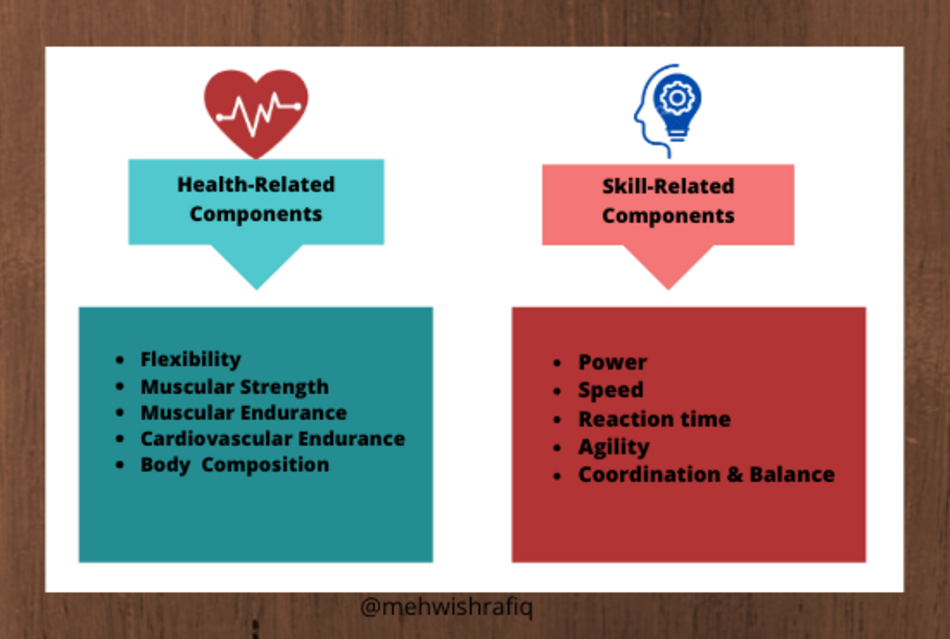
Physical Fitness Components
Physical fitness is more than just looking good—it’s about how well your body performs everyday tasks and handles challenges. Understanding its key components helps you focus your workouts and track your progress effectively. Let’s break down the essential elements that make up your physical fitness.
Cardiovascular endurance measures how efficiently your heart and lungs work during extended physical activity. Improving this component means you can run, swim, or cycle longer without feeling exhausted. Think about how your energy levels change during a brisk walk or a stair climb—better endurance means less fatigue and more stamina.
Muscular strength is the amount of force your muscles can produce in a single effort. It helps you lift heavy objects, push, or pull with power. Remember the last time you carried a heavy box? Increasing your muscular strength makes tasks like that easier and reduces injury risk.
Unlike strength, muscular endurance is about how long your muscles can keep working without getting tired. This is crucial for activities like cycling, swimming, or even holding a plank position. Have you noticed how some exercises feel tough only after several reps? Building endurance lets you push through those moments.
Flexibility is your ability to move joints through their full range of motion. It helps prevent injuries and improves posture. Stretching regularly can make daily movements feel smoother—have you ever felt tightness after sitting too long? Flexibility can ease that discomfort.
Body composition refers to the proportion of fat, muscle, and bone in your body. It’s a better health indicator than weight alone. Focusing on reducing fat while maintaining muscle can improve your overall fitness and how you feel in your clothes.
Cardiovascular Endurance
Cardiovascular endurance is a key component of fitness that measures how well your heart, lungs, and blood vessels work together to supply oxygen during prolonged physical activity. It’s not just about running long distances; it influences how energized and resilient you feel throughout the day. Improving this endurance can transform your overall health and daily performance.
Importance For Heart Health
Strong cardiovascular endurance means your heart pumps blood more efficiently. This reduces the risk of heart disease and lowers blood pressure. Have you noticed how easily you get winded climbing stairs? Boosting your endurance helps your heart handle daily tasks with less strain.
Regular cardiovascular exercise also improves your cholesterol levels. It raises the “good” HDL cholesterol while lowering the “bad” LDL cholesterol. This balance keeps your arteries clear and your heart functioning well.
Improving Cardiovascular Endurance
You can improve cardiovascular endurance through consistent aerobic activities. Try brisk walking, cycling, swimming, or dancing for at least 150 minutes per week. The key is to keep your heart rate elevated but comfortable.
Mix up your workouts to stay motivated. Include interval training by alternating between high and low intensity. This pushes your cardiovascular system to adapt and grow stronger.
- Start with a warm-up to prepare your heart and muscles
- Gradually increase workout duration and intensity
- Listen to your body to avoid overtraining or injury
Have you tracked how your breathing improves with regular cardio? Noticing these small wins can keep you motivated and on track to better fitness.
Muscular Strength
Muscular strength is the power your muscles have to exert force against resistance. It plays a key role in how well you perform everyday tasks and stay healthy. Building muscular strength doesn’t just help athletes—it benefits everyone by making daily movements easier and reducing injury risk.
Benefits For Daily Activities
Imagine carrying heavy grocery bags or lifting your child without feeling strained. Strong muscles make these tasks smoother and less tiring.
Muscular strength supports your posture and balance, helping you avoid falls and injuries. It also boosts your metabolism, which can help manage weight more effectively.
Have you noticed how simple chores sometimes feel exhausting? Improving your muscle strength can change that experience dramatically.
Building Muscular Strength
You don’t need fancy equipment to build muscular strength. Bodyweight exercises like push-ups, squats, and planks can be highly effective.
Start with weights or resistance bands to challenge your muscles gradually. Focus on proper form rather than heavy lifting to avoid injury.
Consistency matters more than intensity. Aim for at least two strength training sessions per week, allowing muscles to recover between workouts.
Muscular Endurance
Muscular endurance is the ability of muscles to perform repeated contractions over time. It helps the body keep moving without getting tired quickly. This component of fitness is important for daily tasks and sports. Strong muscular endurance improves overall stamina and supports long-lasting physical activity.
Role In Sustained Physical Activities
Muscular endurance allows muscles to work longer without fatigue. It supports activities like running, cycling, and swimming. People with good muscular endurance can carry out tasks without needing frequent breaks. It also helps maintain good posture during long periods of sitting or standing. This endurance reduces the risk of injury by preventing muscle strain.
Enhancing Muscular Endurance
Building muscular endurance involves regular training focused on repetition and time. Exercises like bodyweight squats, push-ups, and planks help increase endurance. Using lighter weights with higher repetitions also works well. Consistency is key to improving muscle stamina. Rest and proper nutrition support recovery and strength gains.
Flexibility
Flexibility is a crucial component of fitness that often gets overlooked. It refers to the ability of your joints and muscles to move through their full range of motion. Improving flexibility not only enhances your overall movement but also supports other areas of fitness like strength and endurance.
Reducing Injury Risks
When your muscles and joints are flexible, they handle physical stress better. Tight muscles can pull or tear during sudden movements, leading to injuries. I once ignored stretching before workouts and ended up with a hamstring strain that kept me off the gym for weeks.
Adding simple stretches to your routine can protect you from strains and sprains. Regular flexibility exercises prepare your body for unexpected twists and turns. Have you noticed how much easier it is to recover from workouts when your body feels loose and ready?
Increasing Range Of Motion
Flexibility directly impacts how far you can move your joints. A greater range of motion means you can perform exercises and daily tasks more efficiently and comfortably. Think about reaching for something on a high shelf or bending down to tie your shoes—flexibility makes these actions smoother.
Stretching regularly helps lengthen muscles and tendons, allowing joints to open wider. This can improve your posture and reduce stiffness, especially if you sit for long hours. What activities in your day could benefit from a better range of motion?

Credit: www.youtube.com
Body Composition
Body composition is a key part of fitness that refers to the proportion of fat and non-fat mass in your body. It gives you a clearer picture of your health than just weight alone. Understanding your body composition can help you set realistic fitness goals and track your progress more accurately.
Understanding Body Fat Percentage
Body fat percentage measures how much of your total body weight is fat. It’s a crucial number because too much fat can increase health risks, while too little might affect your energy and immune system. You can measure it through different methods like skinfold calipers, bioelectrical impedance, or DEXA scans.
Think about how your clothes fit or how you feel during workouts—these can be signs of changes in your body fat percentage. Are you focusing more on reducing fat or increasing muscle? Knowing this helps you tailor your workouts and nutrition effectively.
Balancing Lean Mass And Fat
Lean mass includes muscles, bones, water, and organs—basically everything that isn’t fat. Building lean mass boosts your metabolism and improves strength, while managing fat keeps you healthy and agile. Striking the right balance means you’re not just lighter, but stronger and healthier.
Focus on activities that build muscle, like resistance training, while keeping fat in check through healthy eating and cardio. Have you noticed how adding strength workouts changed your body shape, even if the scale didn’t move much? That’s the power of increasing lean mass.
Mental Fitness
Mental fitness is just as important as physical fitness. It shapes how you handle daily challenges, stay focused, and maintain emotional balance. Strengthening your mind helps you live a more productive and fulfilling life.
Stress Management
Stress affects your mental clarity and overall well-being. Learning to manage stress can improve your mood and increase your ability to think clearly under pressure.
Simple techniques like deep breathing, journaling, or taking short breaks during work can make a big difference. Have you noticed how a quick walk outside sometimes resets your mind? That’s stress management in action.
Try identifying your stress triggers and create small routines to tackle them. This could be as easy as setting boundaries with work or practicing mindfulness for a few minutes daily.
Cognitive Health
Cognitive health is about keeping your brain sharp and improving memory, attention, and problem-solving skills. Just like your body, your brain needs regular exercise.
Engage in activities that challenge your mind: puzzles, reading, or learning a new skill. These activities build new neural connections and boost your mental agility.
What’s one new thing you can learn or practice this week? Even small mental workouts can enhance your focus and creativity over time.
Nutritional Fitness
Nutritional fitness plays a crucial role in your overall health and physical performance. It’s about fueling your body with the right nutrients to support energy, recovery, and well-being. Without proper nutrition, even the best workout routines can fall short of delivering results.
Balanced Diet Importance
A balanced diet means eating the right mix of carbohydrates, proteins, fats, vitamins, and minerals. Each nutrient has a specific role: carbs give you energy, proteins help repair muscles, and fats support brain function and hormone production.
Think about your last meal. Did it include a variety of food groups? If not, you might be missing key nutrients. Small changes like adding leafy greens or a handful of nuts can make a big difference.
- Include whole grains like brown rice or oats for steady energy.
- Add lean proteins such as chicken, fish, or legumes for muscle repair.
- Don’t forget healthy fats from sources like avocado, olive oil, or seeds.
How often do you check the quality of your meals? Paying attention to what you eat can boost your fitness journey and improve how you feel daily.
Hydration And Health
Water is often overlooked but is vital for maintaining fitness. Staying hydrated helps your muscles work efficiently and keeps your joints lubricated.
Dehydration can lead to fatigue, headaches, and reduced concentration—problems that can slow down your progress. Have you ever felt tired during a workout and later realized you hadn’t drunk enough water?
- Aim to drink at least 8 glasses of water a day, more if you exercise intensely.
- Keep a water bottle handy to remind yourself to sip regularly.
- Electrolyte drinks can help during long or intense workouts to replace lost minerals.
Remember, hydration isn’t just about drinking when you’re thirsty. Make it a consistent habit to support your fitness and health every day.
Social Fitness
Social fitness is an essential part of your overall well-being. It reflects how well you connect and interact with others in your life. Strong social fitness not only boosts your mood but also strengthens your resilience during tough times.
Building Supportive Relationships
Supportive relationships act like a safety net. They provide emotional comfort and practical help when you need it most. You can build these relationships by being open, listening actively, and showing genuine interest in others.
Think about your closest friends or family. How often do you check in with them just to share your thoughts or listen to theirs? Regular communication helps deepen trust and understanding.
Try to spend time with people who encourage your growth and challenge you in positive ways. Notice how your mood lifts after a meaningful conversation or shared activity.
Community Engagement
Getting involved in your community can boost your sense of belonging. Whether it’s volunteering, joining clubs, or attending local events, these activities connect you to people with similar interests.
When you participate, you contribute to something bigger than yourself. This can increase your confidence and give you a sense of purpose.
Ask yourself: What can you offer your community that also benefits your social fitness? It might be your time, skills, or simply a willingness to meet new people.

Credit: www.teacherspayteachers.com
Frequently Asked Questions
What Are The Main Components Of Fitness?
The main components of fitness include cardiovascular endurance, muscular strength, muscular endurance, flexibility, and body composition. These elements together help improve overall health, physical performance, and reduce injury risks.
How Does Muscular Strength Affect Fitness?
Muscular strength is the ability to exert force in a single effort. It improves daily activities, enhances athletic performance, and supports joint health.
Why Is Flexibility Important In Fitness?
Flexibility allows muscles and joints to move through their full range of motion. It reduces injury risk and improves posture and movement efficiency.
What Role Does Cardiovascular Endurance Play?
Cardiovascular endurance is the ability of the heart and lungs to supply oxygen during prolonged exercise. It boosts stamina, energy levels, and heart health.
Conclusion
Fitness has many parts that work together. Strength, endurance, flexibility, and balance all matter. Each part helps the body stay healthy and active. Focusing on all components leads to better results. Small steps every day improve overall fitness. Keep practicing and enjoy the benefits of a strong body.
Fitness is a journey, not a quick fix. Stay consistent, and your body will thank you.