What is Paralympic Sports: Ultimate Guide to Inclusive Athletics
Have you ever wondered what Paralympic sports really are and why they matter so much? These games are not just about competition—they’re a powerful celebration of courage, skill, and determination.
Whether you’re a sports fan or just curious, understanding Paralympic sports can change the way you see athletes with disabilities and inspire you in your own life. Keep reading to discover what makes these sports unique and why they deserve your attention.
Paralympic Sports History
The history of Paralympic sports is a story of determination, innovation, and breaking barriers. It shows how sports can empower individuals with disabilities and change public perception. Understanding this history gives you insight into how far the movement has come and why it matters today.
Early Beginnings
The roots of Paralympic sports trace back to 1948, when Dr. Ludwig Guttmann organized a sports competition for World War II veterans with spinal cord injuries in Stoke Mandeville, England. This event aimed to aid rehabilitation through physical activity. It was a small gathering but marked the start of something much bigger.
Imagine how revolutionary it felt to see athletes with disabilities compete in sports during a time when opportunities for them were scarce. This early focus on recovery through sports laid the foundation for a global movement.
Evolution Over The Years
From that first event, the Paralympic Games evolved into a major international competition held every four years alongside the Olympics. Initially, the Games focused mainly on wheelchair sports, but over time, they expanded to include athletes with various types of disabilities.
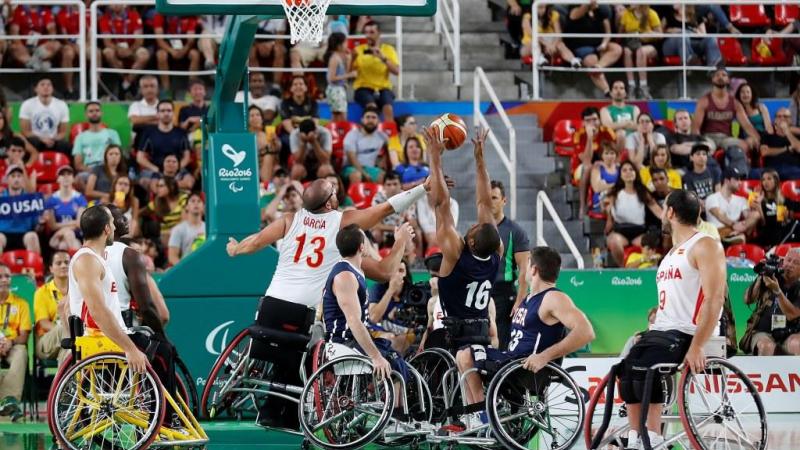
New sports were added, classifications became more precise, and the level of competition increased dramatically. You might be surprised to learn that the Paralympics now features events like wheelchair basketball, para-swimming, and even para-snowboarding.
Milestones In Paralympic Movement
- 1960 Rome Paralympics:The first official Paralympic Games, attracting 400 athletes from 23 countries.
- 1988 Seoul Games:The Paralympics were held in the same city and venues as the Olympics for the first time, raising visibility.
- 2001:The International Paralympic Committee (IPC) signed an agreement with the International Olympic Committee (IOC) to strengthen cooperation.
- Recent Growth:The Tokyo 2020 Paralympics saw over 4,000 athletes compete, showcasing incredible talent and inspiring millions worldwide.
What impact do you think these milestones have had on society’s view of disability? The progress in Paralympic sports challenges stereotypes and encourages inclusion in many areas of life beyond athletics.
Types Of Paralympic Sports
Paralympic sports showcase incredible athleticism and determination across various disciplines. These sports are specially adapted to meet the needs of athletes with different types of disabilities. Understanding the types of Paralympic sports can help you appreciate the diversity and skill involved in this inspiring global event.
Summer Paralympic Sports
The Summer Paralympics feature a wide range of sports designed for athletes with physical, visual, and intellectual impairments. Some popular sports include wheelchair basketball, para swimming, and para athletics. Each sport has specific classifications to ensure fair competition among athletes with similar abilities.
You might be surprised to know that sports like sitting volleyball and goalball are unique to the Paralympics, highlighting how creativity shapes these games. Watching athletes sprint on prosthetic blades or maneuver wheelchairs at high speed can change how you view physical limits.
Winter Paralympic Sports
Winter Paralympic sports test athletes in cold, challenging environments. Sports such as para alpine skiing, para ice hockey, and cross-country skiing require not just skill but also tremendous courage. The use of adaptive equipment, like sit-skis, allows athletes with mobility impairments to compete on snow and ice.
Have you ever thought about how a sport like para ice hockey demands both speed and strategy, similar to the able-bodied version? These sports push athletes to their limits despite environmental and physical challenges.
Emerging Sports
New sports are constantly added to the Paralympic program as interest grows and technology advances. Para taekwondo made its debut recently, blending martial arts with adaptive techniques. Para canoe and para badminton also represent exciting opportunities for athletes and fans alike.
Imagine how these emerging sports could inspire you or someone you know to try something new. They open doors for wider participation and show that the Paralympic movement is evolving every day.
Classification System
The classification system is a key part of Paralympic sports. It ensures fair play among athletes with different disabilities. This system groups athletes based on their abilities, not just their disabilities. It helps create balanced competition. Each athlete undergoes a careful evaluation to place them in the right category. This process promotes equality and respect in sports.
Categories Of Disabilities
Paralympic sports include athletes with various disabilities. These fall into several main categories:
- Physical impairments, such as limb loss or paralysis
- Visual impairments, including blindness
- Intellectual impairments affecting cognitive functions
Each category has specific rules for classification. This ensures athletes compete with others who have similar levels of ability.
Evaluation Process
Experts conduct the evaluation process before competition. It involves medical and technical assessments. They check how the disability affects sports performance. Tests measure strength, coordination, and movement. Observations during training or trial runs are common. The goal is to assign a class that matches the athlete’s functional ability.
Impact On Competition
The classification system creates a level playing field. Athletes compete fairly against others with similar challenges. It reduces the advantage of one athlete over another. This system increases the quality and excitement of events. Fans see true talent and skill in action. Athletes feel motivated to perform their best.
Training And Preparation
Training and preparation are vital for success in Paralympic sports. Athletes face unique challenges that require tailored approaches. Their routines combine physical strength, skill, and mental readiness. Each athlete’s journey is different, shaped by their abilities and sport. Effective training boosts confidence and performance.
Adaptive Techniques
Adaptive techniques help athletes use their strengths. These methods modify traditional moves to fit different needs. For example:
- Wheelchair basketball players develop special dribbling skills.
- Swimmers use unique arm or leg motions based on their abilities.
- Runners may use prosthetics designed for speed and balance.
Coaches and athletes work together to find the best fit. Training adapts to each person’s body and sport rules.
Role Of Technology
Technology plays a key role in training. Specialized equipment improves performance and safety. Examples include:
- Advanced prosthetics that increase mobility and comfort.
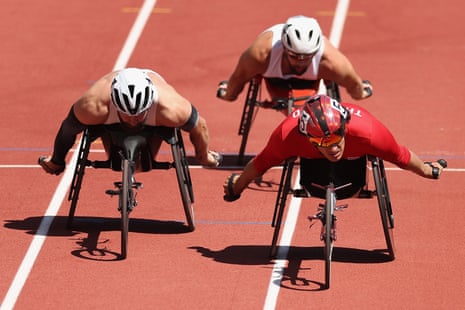
- Custom wheelchairs built for specific sports.
- Wearable devices that track heart rate and movement.
Technology also helps athletes analyze their techniques. Video reviews and sensors provide useful feedback. This data guides improvements during training sessions.
Coaching Strategies
Coaches use unique strategies for Paralympic athletes. They focus on strengths and work around limitations. Key strategies include:
- Setting clear, achievable goals for progress.
- Encouraging mental toughness and focus.
- Designing flexible plans to prevent injuries.
- Building teamwork and communication skills.
Coaches create a supportive environment. This helps athletes stay motivated and confident.
Prominent Paralympic Athletes
Prominent Paralympic athletes showcase the true spirit of determination and resilience. Their achievements on the field inspire millions while challenging perceptions about disability and sports. Understanding their stories helps you appreciate the depth and diversity within Paralympic sports.
Inspirational Stories
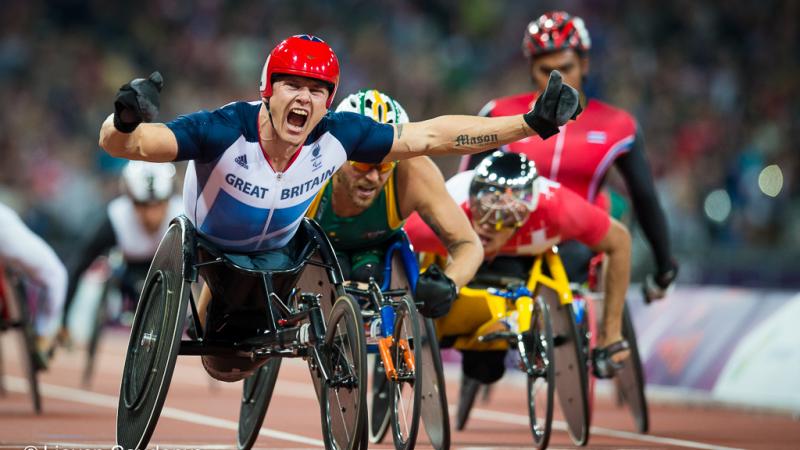
Take Tatyana McFadden, who was born with spina bifida and spent her early years in an orphanage. She transformed her challenges into triumphs, winning multiple Paralympic gold medals in wheelchair racing. Her journey reminds you that obstacles can fuel your drive rather than halt your progress.
Another example is Oscar Pistorius, who lost both legs below the knee but became the first double amputee to compete in the Olympics. His story pushes you to rethink what limitations really mean and questions the boundaries between able-bodied and Paralympic sports.
Record Breakers
Paralympic athletes regularly shatter records, setting new standards for excellence. Sarah Storey, a British cyclist, has won more Paralympic gold medals than any other British athlete, showing the heights you can reach with dedication.
In swimming, Jessica Long has broken over 30 world records, proving that consistent training and focus can rewrite history. What record would you chase if you had the chance?
Advocates For Change
Many Paralympians use their platforms to promote accessibility and inclusion beyond sports. Ellie Simmonds, a decorated swimmer, speaks openly about disability rights and inspires policy change worldwide.
These athletes show you how sports can be a powerful tool for social impact. How can you use your passions to drive change in your community?
Credit: www.paralympic.org
Challenges In Paralympic Sports
Paralympic sports showcase incredible determination and skill, but athletes face unique challenges that often go unnoticed. These challenges affect their training, competition, and overall experience. Understanding these hurdles can help you appreciate the resilience behind every medal.
Accessibility Issues
Access to proper training facilities remains a major barrier for many Paralympic athletes. Not all gyms or sports centers are equipped with adaptive equipment or ramps. Imagine wanting to train for a sprint event but struggling to find a track that accommodates your wheelchair.
Traveling to competitions can be another hurdle. Many venues lack accessible transportation or lodging, forcing athletes to plan extensively or even miss events. How would your performance change if basic accessibility needs weren’t met?
Funding And Resources
Funding is often limited compared to able-bodied sports. Paralympic athletes frequently rely on personal finances or small sponsorships to cover training, equipment, and travel costs. Some sports require expensive adaptive gear, like customized prosthetics or racing wheelchairs, which are not easily affordable.
This lack of resources can stunt an athlete’s growth and reduce their competitive edge. You might wonder how many champions never reach their potential simply because they couldn’t afford the right support.
Societal Perceptions
Public understanding of Paralympic sports is still evolving. Many people focus on the disability rather than the athlete’s skill and strategy. This can lead to underestimating their performance or treating the sport as inspirational rather than competitive.
How often do you think about the intense training and strategy behind a Paralympic event? Changing societal attitudes is crucial for fair recognition and respect. Your awareness can help shift the narrative from pity to genuine admiration.
Impact On Society
The impact of Paralympic sports on society goes far beyond the competition itself. These events challenge how we see ability and encourage a broader acceptance of diversity. They open conversations about equality and inspire changes in communities worldwide.
Changing Attitudes
Paralympic sports help shift public perceptions about disability. People see athletes pushing limits, which breaks down stereotypes about what disabled individuals can achieve.
Have you noticed how watching a Paralympic event makes you rethink your own assumptions? This change in mindset is crucial for creating more understanding and respect in daily life.
Promoting Inclusivity
These sports promote a sense of belonging for people with disabilities. Schools, workplaces, and public spaces begin to adopt more inclusive practices as a result.
Think about how accessible facilities or adaptive sports programs in your community might grow because of Paralympic visibility. This inclusion benefits everyone, making environments more welcoming.
Legacy Of The Paralympics
The legacy of the Paralympics is seen in improved infrastructure, policy changes, and social attitudes. Cities that host the games often upgrade transportation and public services to be more accessible.
What lasting changes do you see in your area that might connect back to Paralympic influence? These legacies create opportunities for future generations to participate fully in society.
Credit: www.paralympic.org
Future Of Paralympic Sports
The future of Paralympic sports is full of promise and innovation. It’s evolving rapidly, shaped by new technology, increased interest, and a broader global reach. If you’re curious about where these sports are heading, consider how these key areas are changing the landscape.
Technological Advancements
Technology is transforming Paralympic sports in ways that directly impact athlete performance and experience. Advanced prosthetics and adaptive equipment are becoming lighter, stronger, and more responsive, allowing athletes to push their limits.
Imagine a runner using a blade prosthetic designed to mimic natural movement so closely that it levels the playing field. This isn’t just a dream—it’s happening now, and it raises questions about fairness and regulation in competition.
Growing Participation
More athletes are joining Paralympic sports than ever before. This growth comes from better access to training and increased awareness of opportunities for people with disabilities.
Have you noticed more local events and community programs supporting adaptive sports? These grassroots efforts are crucial. They provide early exposure and can uncover hidden talent, making the sport more competitive and diverse.
Global Expansion
Paralympic sports are spreading to new countries and regions, not just traditional powerhouses. This expansion introduces different styles and approaches, enriching the competition.
Think about how this global reach encourages cultural exchange and mutual respect among athletes. It also challenges organizers to create inclusive environments that accommodate a wider range of needs and backgrounds.
Credit: www.theguardian.com
Frequently Asked Questions
What Are Paralympic Sports?
Paralympic sports are competitive events designed for athletes with physical disabilities. These sports promote inclusivity and showcase exceptional athletic skills. They follow specific rules adapted to various impairments, ensuring fair competition. Paralympic sports are part of the Paralympic Games, held parallel to the Olympic Games every four years.
Who Can Compete In Paralympic Sports?
Athletes with physical disabilities, including mobility impairments, vision impairments, and limb loss, can compete. Eligibility is determined by classification systems to ensure fair competition. Both amateur and professional athletes worldwide participate, representing their countries in various Paralympic sports disciplines.
How Are Paralympic Sports Classified?
Classification groups athletes based on the type and extent of their disabilities. This ensures fair competition by matching athletes with similar functional abilities. Classifications cover categories like wheelchair users, visually impaired, and limb deficiency. Each sport has its own classification rules and procedures.
What Are The Most Popular Paralympic Sports?
Popular Paralympic sports include wheelchair basketball, para swimming, para athletics, and sitting volleyball. These sports attract global audiences and showcase remarkable athleticism. They mirror Olympic sports but adapt rules and equipment for athletes’ needs. Popularity continues to grow with increased media coverage.
Conclusion
Paralympic sports show the strength and skill of athletes with disabilities. They inspire people worldwide to respect ability and effort. These sports offer fair chances for all to compete and shine. Watching them teaches us about courage and teamwork. Everyone benefits from supporting and learning about Paralympic sports.
They remind us that sports belong to all people, no matter their challenges.

Similar Posts