What are Health Related Components of Fitness: Essentials
Have you ever wondered what makes your body truly fit and healthy? Understanding the health-related components of physical fitness is the key to improving your overall well-being.
These components don’t just help you look good—they boost your energy, protect you from illnesses, and make daily tasks easier. You’ll discover exactly what these vital parts are and how focusing on them can transform your life. Keep reading to unlock the secrets to a stronger, healthier you.

Credit: www.teacherspayteachers.com
Health Related Fitness Components
Health related fitness components are key parts of physical fitness. They help improve your body’s ability to stay healthy and avoid diseases. Focusing on these components boosts your energy and helps maintain a good quality of life.
These components measure how well your body functions in daily activities. They also support long-term health and reduce risks of chronic illness. Understanding each part gives clear goals for fitness and wellness.
Cardiovascular endurance is the ability of your heart and lungs to supply oxygen during exercise. It helps you perform activities like walking, running, or cycling for a long time. Good endurance lowers the risk of heart disease and improves stamina.
Muscular strength is the amount of force your muscles can produce. Strong muscles help with lifting, pushing, and other daily tasks. Increasing strength protects your bones and joints from injury.
Muscular endurance means how long your muscles can work without getting tired. It is important for activities like climbing stairs or carrying groceries. Improving endurance helps you stay active longer.
Flexibility is the range of motion in your joints and muscles. It allows your body to move freely and reduces the chance of injuries. Stretching regularly improves flexibility and eases muscle tension.
Body composition shows the ratio of fat to lean mass in your body. A healthy balance supports overall fitness and reduces health risks. Maintaining good body composition helps control weight and boosts energy.

Credit: www.teacherspayteachers.com
Cardiovascular Endurance
Cardiovascular endurance is a key health-related component of physical fitness that measures how well your heart, lungs, and muscles work together during prolonged physical activity. It reflects your ability to sustain exercise over time without getting overly tired. Improving this aspect of fitness can dramatically affect your overall health and daily energy levels.
Benefits For Heart Health
Good cardiovascular endurance means your heart pumps blood more efficiently. This lowers your resting heart rate and reduces the risk of heart disease. It also helps control blood pressure and improves circulation, making your heart stronger with every workout.
Have you noticed how regular activities like walking or climbing stairs become easier as your endurance improves? That’s because your heart is better at delivering oxygen-rich blood to your muscles. This reduces fatigue and helps you stay active longer.
Ways To Improve Endurance
Building cardiovascular endurance doesn’t require intense workouts every day. Simple activities like brisk walking, cycling, or swimming for 20 to 30 minutes can make a big difference.
- Try interval training by alternating between faster and slower paces.
- Add variety to keep your routine interesting and challenge different muscles.
- Set small goals, like increasing your duration or distance gradually.
Think about how small changes in your daily routine—like taking the stairs instead of the elevator—can boost your endurance over time. What daily habit could you change today to move your heart health forward?
Muscular Strength
Muscular strength refers to the ability of muscles to exert force during an activity. It plays a vital role in overall health and fitness. Strong muscles help protect joints, improve posture, and reduce injury risk. Building muscular strength supports better performance in sports and everyday tasks.
Importance For Daily Activities
Muscular strength makes daily tasks easier and safer. Carrying groceries, lifting children, or moving furniture require strong muscles. It helps maintain balance and stability, reducing falls. Strong muscles also support bones and joints, lowering arthritis risk. Simple chores become less tiring with good muscular strength.
Exercises To Build Strength
Strength can improve through various exercises targeting different muscle groups. Key exercises include:
- Push-ups for chest, shoulders, and triceps
- Squats for legs and glutes
- Planks to strengthen the core
- Weight lifting for overall muscle development
- Resistance band exercises for gradual strength gain
Consistency and proper form are essential to avoid injury. Start with lighter weights and increase gradually.
Muscular Endurance
Muscular endurance is the ability of your muscles to perform repeated contractions over time without getting tired. It plays a key role in everyday activities like climbing stairs, carrying groceries, or even holding a plank during exercise. Improving muscular endurance helps you stay active longer and reduces the risk of injury.
Difference From Muscular Strength
Muscular endurance focuses on how long your muscles can keep working, while muscular strength is about the maximum force your muscles can produce in a single effort.
Think about holding a heavy box versus lifting it once. Holding it tests endurance, lifting it tests strength. Both are important, but endurance helps you perform tasks repeatedly without fatigue.
Training Techniques
To build muscular endurance, use lighter weights with higher repetitions. Aim for 12 to 20 reps per set, and multiple sets with short rests in between.
Bodyweight exercises like push-ups, squats, and planks are great choices. You can also try circuit training, which keeps your heart rate up while working your muscles continuously.
Have you noticed how your muscles feel during activities that require endurance? Paying attention to this can guide your training to improve those specific muscles.
Flexibility
Flexibility is a key component of physical fitness that often gets overlooked. It refers to the ability of your joints and muscles to move through their full range of motion. Improving flexibility not only helps your body perform daily activities more easily but also supports overall physical health.
Role In Injury Prevention
Maintaining good flexibility reduces the risk of injuries during exercise and everyday movements. When your muscles and joints move smoothly, you are less likely to experience strains or sprains. Think about a time when you tried to reach something quickly but felt tightness or discomfort—that’s a sign your flexibility could use some work.
Flexible muscles absorb shocks better and adjust to sudden changes in movement. This adaptability protects your ligaments and tendons from overstretching. So, keeping your body flexible is like giving it a shield against unexpected twists and pulls.
Stretching Methods
There are several ways to improve flexibility, and choosing the right method can make a difference. Static stretching involves holding a stretch for 15-60 seconds, which helps lengthen muscles gradually. You might do this after a workout to cool down and ease muscle tightness.
Dynamic stretching uses controlled movements to prepare your body for physical activity. For example, leg swings or arm circles increase blood flow and mimic the motions you’ll use during exercise. You can also try proprioceptive neuromuscular facilitation (PNF) stretching, which combines stretching and contracting muscles for deeper flexibility gains.
- Always warm up before stretching to avoid injury.
- Focus on major muscle groups like hamstrings, calves, and shoulders.
- Consistency is key—stretch regularly, not just once in a while.
Have you noticed how a few minutes of stretching can change how your body feels throughout the day? Try adding a simple stretch routine tomorrow and observe how your movement improves.

Credit: www.youtube.com
Body Composition
Body composition is a key part of physical fitness. It shows the proportion of fat and lean mass in the body. Knowing your body composition helps understand your health better than weight alone. It affects strength, endurance, and overall well-being.
Understanding Fat Vs. Lean Mass
Fat mass includes all the fat in your body. It is essential but too much fat can cause health problems. Lean mass consists of muscles, bones, water, and organs. More lean mass usually means better fitness and metabolism.
Body composition focuses on the balance between these two parts. A healthy body has a lower fat percentage and higher lean mass. This balance improves energy levels and reduces the risk of diseases.
Maintaining Healthy Composition
Healthy body composition comes from good habits. Regular exercise builds and preserves lean muscle. Eating nutritious foods supports muscle growth and controls fat.
- Include strength training to increase muscle mass.
- Do cardio exercises to burn excess fat.
- Eat plenty of vegetables, fruits, and lean proteins.
- Limit sugary and processed foods.
- Stay hydrated by drinking enough water daily.
Tracking body composition helps adjust fitness plans. It encourages steady progress towards a healthier body.
Measuring Fitness Components
Measuring your fitness components is essential to understand where you stand and how to improve your health. It gives you clear data about your strength, endurance, flexibility, and more. Without measuring, your workouts might miss the mark, and progress becomes just guesswork.
Common Fitness Tests
There are simple and reliable tests you can use to measure different fitness components. For cardiovascular endurance, try the 1.5-mile run testor the step test. These help gauge how well your heart and lungs work during exercise.
To check muscular strength, the handgrip testor a maximum weight lift can be effective. For muscular endurance, you might do as many push-ups or sit-ups as you can in one minute.
Flexibility is often measured with the sit-and-reach test, which shows how limber your lower back and hamstrings are. Body composition can be estimated using skinfold calipers or bioelectrical impedance scales.
Tracking Progress
Tracking your fitness progress keeps you motivated and focused. Keep a journal or use apps to record your test results regularly. Over time, you’ll spot patterns—where you’re improving and where you need to push harder.
Ask yourself: Are you getting stronger? Can you run farther or faster? Is your flexibility better than last month? These questions help you stay connected to your goals.
Remember, progress isn’t always linear. Sometimes, small setbacks lead to bigger gains later. What matters is that you keep measuring and adjusting your approach based on the data you collect.
Incorporating Components Into Routine
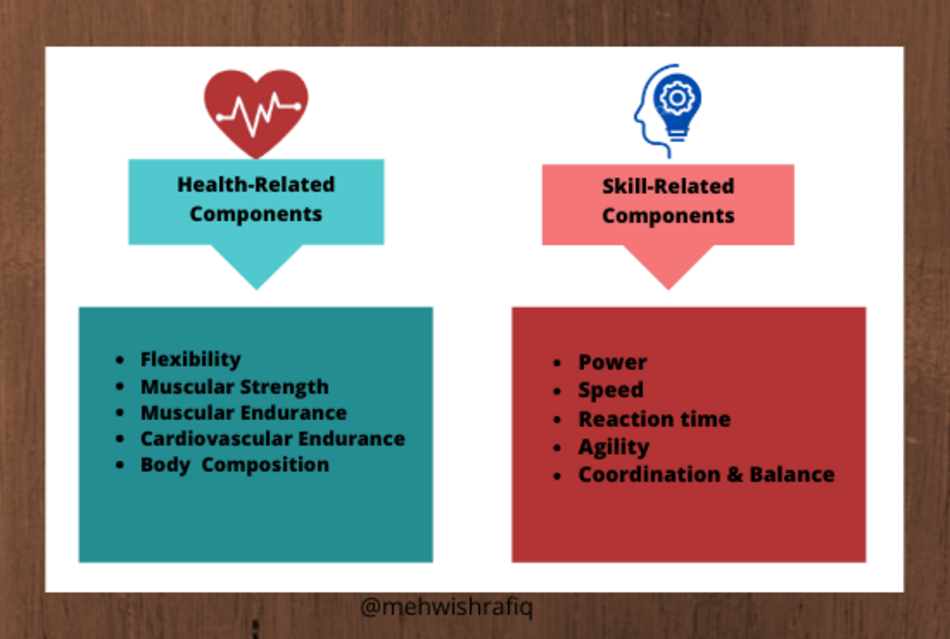
Incorporating health-related components of physical fitness into your daily routine improves overall well-being. These components include cardiovascular endurance, muscular strength, muscular endurance, flexibility, and body composition. Balancing these elements in your workouts ensures a well-rounded fitness level. Consistency in practice helps achieve lasting results and reduces injury risk.
Balanced Workout Plans
Create workout plans that target all key fitness components. Include activities that improve heart health, like walking or cycling. Add strength training exercises using weights or body resistance. Stretch regularly to enhance flexibility and prevent stiffness. Mix different exercises to keep workouts interesting and effective.
- Cardiovascular exercises for endurance
- Strength training for muscle power
- Flexibility stretches for joint health
- Bodyweight exercises for muscular endurance
Plan your sessions to cover these areas throughout the week. Avoid focusing too much on one component while neglecting others. Balance helps your body develop evenly and stay healthy.
Tips For Consistency
Stick to a regular workout schedule to build a habit. Choose exercises you enjoy to stay motivated. Set small, clear goals and track your progress. Prepare your gear and workout space in advance. Find a workout buddy to encourage and support you.
- Schedule workouts at the same time daily
- Mix activities to prevent boredom
- Celebrate small achievements to stay motivated
- Rest adequately to allow recovery
Consistency leads to steady improvement and long-term fitness benefits. Keep your routine flexible to fit life’s changes without losing momentum.
Frequently Asked Questions
What Are The Main Health-related Fitness Components?
Health-related fitness components include cardiovascular endurance, muscular strength, muscular endurance, flexibility, and body composition. These elements improve overall health and daily functioning.
Why Is Cardiovascular Endurance Important In Fitness?
Cardiovascular endurance boosts heart and lung efficiency. It helps sustain prolonged physical activity and reduces the risk of heart disease.
How Does Muscular Strength Benefit Health?
Muscular strength supports daily tasks and injury prevention. It enhances metabolism and helps maintain healthy body weight.
What Role Does Flexibility Play In Physical Fitness?
Flexibility improves joint movement and reduces injury risk. It enhances posture and relieves muscle tension.
Conclusion
Physical fitness includes many important health parts. These parts help your body stay strong and work well. Regular exercise improves heart health, muscles, and flexibility. Good fitness also helps control weight and reduce illness risk. Focus on balance, strength, endurance, and body fat levels.
Small changes can make a big difference over time. Keep moving every day for better health and happiness. Your body will thank you. Stay active and feel your best!

Similar Posts