

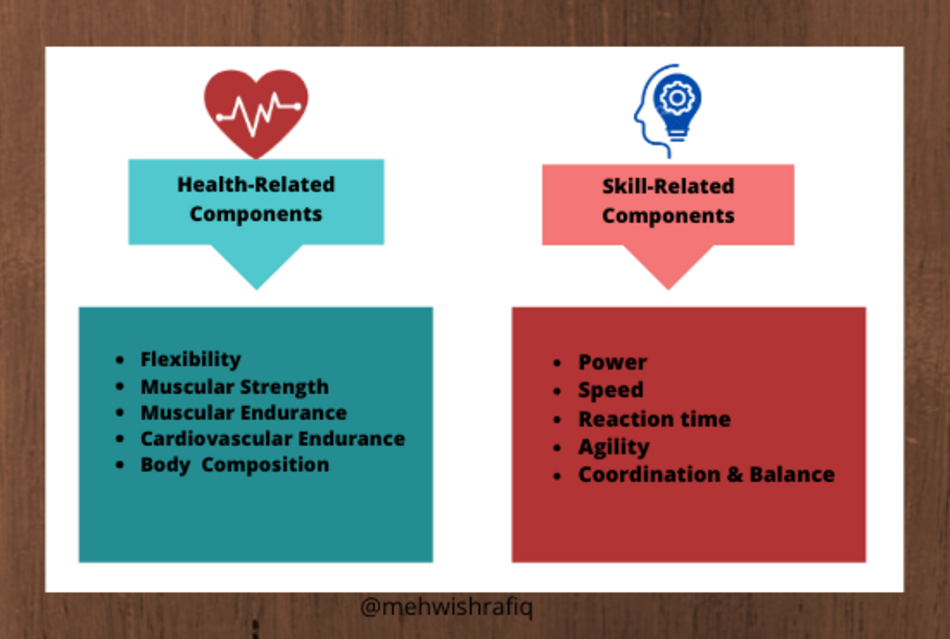
Are you ready to take charge of your health and feel your best every day? Understanding the 5 health-related components of physical fitness is the key to unlocking a stronger, healthier you.
These simple yet powerful elements can transform how your body works and how you feel. Whether you want more energy, better endurance, or a stronger heart, knowing these components will guide you to the right exercises and habits. Keep reading to discover what they are and how they can make a real difference in your life.
Cardiovascular Endurance
Cardiovascular endurance is the ability of your heart, lungs, and blood vessels to supply oxygen to your body during physical activity. It helps your body perform activities for a long time without getting tired. Good cardiovascular endurance means your heart works efficiently. It pumps blood better and helps you stay healthy.
Importance Of Heart Health
A strong heart reduces the risk of heart disease. It lowers blood pressure and controls cholesterol. Good heart health improves energy levels and mood. It also helps the body recover faster from exercise. Maintaining cardiovascular endurance supports overall well-being.
Activities To Improve Cardiovascular Fitness
Many exercises help boost cardiovascular endurance. Try activities that raise your heart rate steadily. Examples include:
- Walking briskly
- Jogging or running
- Cycling
- Swimming
- Dancing
- Jump rope
Choose activities you enjoy. Consistency is key to improving your fitness. Start slow and increase intensity over time. Regular practice strengthens your heart and lungs.
Muscular Strength
Muscular strength is the ability of muscles to exert force. It plays a crucial role in daily activities and overall fitness. Strong muscles support the skeleton and improve posture. They help prevent injuries by stabilizing joints. Building muscular strength enhances endurance and performance in many sports.
Benefits Of Strong Muscles
- Improves balance and coordination
- Increases metabolism for better weight control
- Reduces risk of bone fractures
- Helps manage chronic conditions like arthritis
- Boosts energy levels throughout the day
Exercises To Enhance Muscular Strength
- Weight lifting with dumbbells or barbells
- Bodyweight exercises like push-ups and squats
- Resistance band workouts for gradual tension
- Machine-based strength training at the gym
- Isometric exercises that hold muscle tension
Muscular Endurance
Muscular endurance is the ability of muscles to perform repeated contractions over time. It helps muscles sustain effort without getting tired quickly. This component of fitness supports many daily tasks and physical activities. Building muscular endurance improves overall strength and stamina.
Role Of Endurance In Daily Activities
Muscular endurance allows you to carry groceries without stopping. It helps in climbing stairs with ease. Tasks like gardening or cleaning require steady muscle effort. Strong endurance reduces muscle fatigue during work. It also supports good posture throughout the day.
Training Techniques For Muscular Endurance
Perform exercises with lighter weights and higher repetitions. Use bodyweight movements such as push-ups and squats. Circuit training combines different exercises for continuous effort. Try planks to build core endurance. Consistency in training gradually increases muscle stamina.

Credit: www.facebook.com
Flexibility
Flexibility is a key part of physical fitness that often gets overlooked. It refers to the ability of your joints to move through their full range of motion. Improving your flexibility helps you perform daily activities with ease and reduces the risk of injuries.
Why Flexibility Matters
Have you ever struggled to reach something on a high shelf or felt tightness after sitting for a long time? That’s where flexibility plays a crucial role. It helps your muscles and joints stay limber, making movements smoother and less painful.
Good flexibility can prevent muscle strains and joint pain. It also improves your posture and balance, which are essential as you get older. Without enough flexibility, even simple tasks can become uncomfortable or risky.
Stretching Methods For Better Flexibility
Stretching is the most common way to improve flexibility. There are different types of stretches you can try, depending on your goals.
- Static stretching:Hold a stretch gently for 20-30 seconds. This method is great after workouts to help muscles relax.
- Dynamic stretching:Use controlled movements to stretch muscles, like leg swings or arm circles. This warms up your body before exercise.
- PNF stretching:This advanced technique involves contracting and relaxing muscles with a partner’s help. It’s effective but should be done carefully to avoid injury.
Try adding stretching to your daily routine and notice how your body feels. Could improving your flexibility be the missing piece in your fitness journey?
Body Composition
Body composition is a key part of physical fitness. It shows the ratio of fat to lean mass in the body. This balance affects strength, health, and how well the body works. A healthy body composition means having more lean mass like muscles and bones, and less fat. This helps improve energy levels, reduce health risks, and support physical activities.
Understanding Body Fat And Lean Mass
Body fat is the tissue that stores energy and cushions organs. Too much fat can cause health problems like heart disease and diabetes. Lean mass includes muscles, bones, and water. It helps move the body and keeps bones strong. The goal is to have a higher percentage of lean mass and a lower percentage of fat.
Different types of fat exist: essential fat and storage fat. Essential fat is necessary for body functions. Storage fat is extra fat that can build up in the body. Tracking body fat and lean mass helps understand overall health.
Ways To Achieve A Balanced Body Composition
- Eat a balanced diet with enough protein and nutrients.
- Exercise regularly, including strength training and cardio.
- Stay hydrated by drinking plenty of water every day.
- Get enough sleep to help muscle recovery and fat loss.
- Limit sugary foods and drinks that add extra fat.
- Monitor progress using tools like body fat scales or calipers.

Credit: www.facebook.com
Credit: mehwishrafiq.medium.com
Frequently Asked Questions
What Are The 5 Health-related Components Of Fitness?
The five components are cardiovascular endurance, muscular strength, muscular endurance, flexibility, and body composition. These elements help assess overall health and physical performance. Each plays a vital role in maintaining a balanced and healthy lifestyle.
How Does Cardiovascular Endurance Impact Fitness?
Cardiovascular endurance measures the heart and lungs’ ability to supply oxygen during exercise. It improves stamina, reduces heart disease risk, and boosts overall energy. Regular aerobic activities like running or cycling enhance this component effectively.
Why Is Muscular Strength Important For Health?
Muscular strength supports daily activities and prevents injuries. It improves bone density and metabolism. Strength training exercises like weightlifting help build and maintain muscle mass, promoting long-term health.
How Does Flexibility Benefit Physical Fitness?
Flexibility increases the range of motion in joints. It reduces muscle stiffness and lowers injury risk. Stretching exercises and yoga are effective ways to improve flexibility and overall movement.
Conclusion
Understanding the five health-related components helps you stay fit and healthy. These parts include strength, endurance, flexibility, body composition, and cardiovascular fitness. Each plays a key role in your daily life and overall well-being. Focus on all five to improve your fitness level.
Small steps make a big difference over time. Keep moving, stay active, and feel better every day. Fitness is a journey, not a quick fix. Start today for a healthier tomorrow.


