Is Trampoline an Olympic Sport: Facts You Need to Know
Have you ever watched someone bounce high on a trampoline and wondered if it’s more than just fun? You might be surprised to learn that trampoline jumping is actually a serious sport with talented athletes competing worldwide.
But is trampoline an Olympic sport? If you’re curious about how this exciting activity fits into the biggest sporting stage, keep reading. This article will reveal the truth behind trampoline’s Olympic status and why it might just change the way you see this thrilling sport.

Credit: globalnews.ca
History Of Trampoline In Olympics
The journey of trampoline as an Olympic sport is a fascinating tale of innovation and determination. It evolved from a simple gymnastic activity into a globally recognized competitive event. Understanding its history helps you appreciate how trampoline earned its place on the Olympic stage.
Origins Of Trampoline Gymnastics
Trampoline gymnastics began in the 1930s when George Nissen, an American gymnast, created the first modern trampoline. It was initially used as a training tool for gymnasts and acrobats to practice aerial skills safely. Over the decades, trampoline gained popularity through performances and competitions.
In the 1950s and 60s, trampoline clubs and national championships started appearing, especially in North America and Europe. This growth helped standardize the sport and develop official rules. Have you ever tried bouncing on a trampoline and felt the thrill of flying? That feeling is what drove athletes to push the sport further.
Inclusion In Olympic Games
Trampoline was officially included in the Olympic Games in 2000 at the Sydney Olympics. Before that, it was featured as a demonstration sport in the 1976 Montreal Olympics, which sparked interest among the International Olympic Committee (IOC). The IOC recognized trampoline gymnastics as a separate discipline under the International Gymnastics Federation.
Since 2000, trampoline events have been part of every Summer Olympics, featuring individual competitions for men and women. This inclusion gave athletes a global platform to showcase their skills and inspired many young gymnasts worldwide. What do you think it takes to make a sport Olympic-worthy in your eyes?
Trampoline Gymnastics Events
Trampoline gymnastics events showcase incredible athleticism and precision. These competitions highlight the unique skills athletes develop to perform high-flying flips and twists. Understanding these events gives you a clear picture of what makes trampoline gymnastics an exciting Olympic sport.
Men’s Individual Event
The men’s individual trampoline event challenges athletes to execute a routine of ten high-flying skills. Each move requires perfect timing and control to maximize height and form. Judges score based on difficulty, execution, and time of flight, making every second count.
Imagine the pressure of landing a quadruple somersault with no mistakes—one slip can cost valuable points. Watching these athletes, you see how years of practice turn into a few breathtaking moments. Could you imagine the focus needed to perform under such intense scrutiny?
Women’s Individual Event
Similar to the men’s event, women perform a ten-skill routine on the trampoline, mixing twists and somersaults. The challenge lies in maintaining perfect form while achieving impressive height. Judges look closely at each landing and body position.
Watching female athletes push boundaries, you realize trampoline gymnastics requires both strength and grace. Their routines combine power with elegance, proving the sport demands more than just jumping ability. How do you think training differs between men and women in this high-stakes event?
Scoring And Judging Criteria
Understanding how trampoline athletes are scored can change the way you watch the sport. The judging goes beyond just impressive flips and spins. It’s a detailed process that blends technical skill with flawless execution.
Difficulty Score
This score measures how challenging the routine is. Every move has a set difficulty value, and judges add these up to get the total difficulty score. The higher the difficulty, the more potential points an athlete can earn—but it also increases the risk of mistakes.
Think about attempting a triple somersault instead of a double. If you pull it off, your difficulty score shoots up, giving you a big advantage. But if you don’t stick the landing, those points might not count for much.
Execution Score
Execution is all about how well the athlete performs each skill. Judges look for form, control, and precision, deducting points for any wobbles or poor landings. This score starts at a perfect 10, and judges subtract for errors.
Imagine watching two athletes perform the same routine. The one who stays tight and controlled without any visible mistakes will earn a higher execution score. This shows that skill alone isn’t enough—you need clean, polished performance too.
Time Of Flight
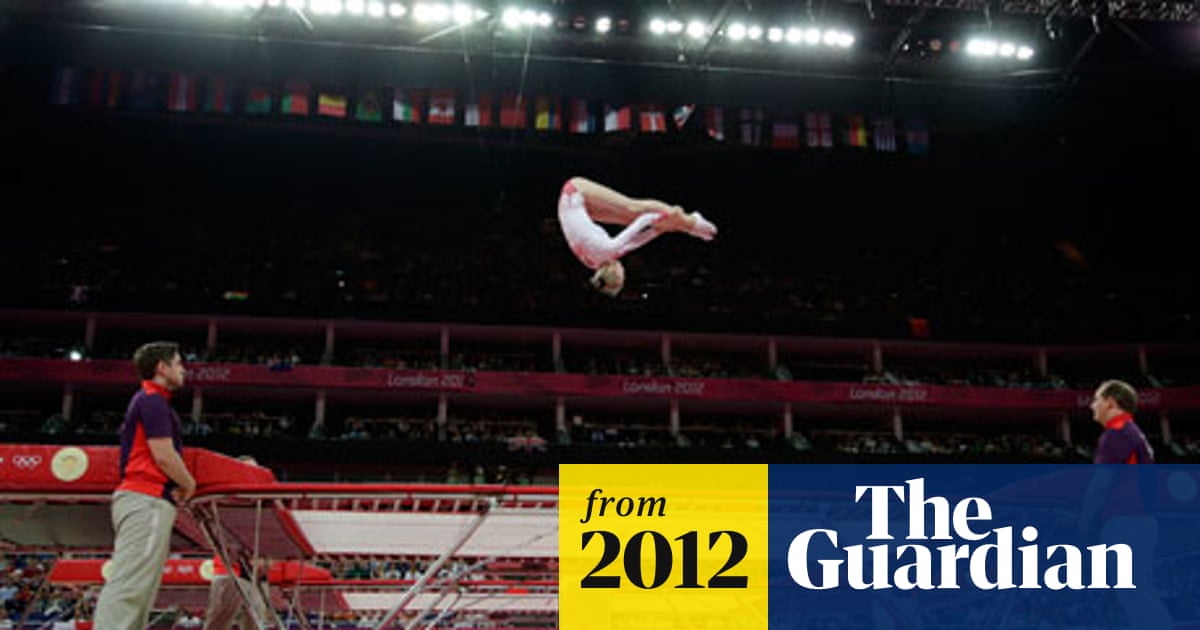
Time of flight measures how long the athlete stays airborne during their routine. More airtime means more room to perform complex skills and impress the judges. It’s tracked using electronic sensors, ensuring accurate timing down to fractions of a second.
Have you noticed how top trampolinists seem to hang in the air effortlessly? That extra hang time can boost their score significantly. It’s a reminder that height and control go hand in hand in this sport.
Credit: www.theguardian.com
Training For Olympic Trampoline
Training for Olympic trampoline requires more than just jumping high. It demands precision, control, and a deep understanding of body movement. Every session is a chance to sharpen skills and build confidence for those few seconds in the air that count the most.
Skills Development
Mastering Olympic trampoline starts with basic body awareness. You need to learn how to control your posture and maintain balance mid-air.
Practice includes:
- Perfecting takeoffs and landings
- Building aerial awareness through drills
- Increasing jump height and rotation speed
Coaches often use video analysis to spot small errors you might miss. Have you ever recorded yourself to see how your form looks? This feedback loop can be a game-changer in improving your routine.
Safety Measures
Trampoline training carries risks, so safety is a top priority. Wearing proper gear like grip socks and knee pads helps protect you during intense sessions.
Gyms usually have padded mats around trampolines to cushion falls. Spotters and coaches remain close to assist and prevent injuries.
Warm-ups and stretching reduce muscle strains and improve flexibility. Are you giving enough attention to safety before pushing your limits?
Famous Olympic Trampoline Athletes
Trampoline gymnastics has captured the attention of sports fans worldwide, especially through the remarkable achievements of its Olympic athletes. These competitors showcase incredible skill, precision, and athleticism, inspiring many to appreciate the sport’s complexity. Understanding the journeys of these athletes gives you a deeper appreciation for trampoline as an Olympic discipline.
Pioneers In Trampoline Gymnastics
Some athletes laid the groundwork for trampoline’s Olympic presence by pushing the sport beyond recreational boundaries. For example, Alexander Moskalenko from Russia dominated the early Olympic trampoline events, winning gold in 2000 and 2004. His routines combined technical difficulty with flawless execution, setting a high standard for those who followed.
Another pioneer is Irina Karavaeva, also from Russia, who won gold in the women’s trampoline event at the 2000 Sydney Olympics. Her success helped elevate the visibility of female athletes in trampoline gymnastics. These trailblazers showed the world what trampoline athletes can achieve on the global stage.
Recent Champions
Looking at recent Olympic Games, athletes like Rosie MacLennan from Canada have become household names. She won gold in both the 2012 London and 2016 Rio Olympics, proving consistency matters just as much as talent. Her ability to perform under pressure teaches you the importance of mental strength in competition.
On the men’s side, Dong Dong from China has been a dominant force, earning multiple Olympic medals including gold in 2012. His performances blend power and grace, pushing the boundaries of what trampoline athletes can do. Observing these champions can inspire you to focus on both physical and mental preparation if you want to excel in sports or any challenging field.
Impact On The Sport’s Popularity
The inclusion of trampoline as an Olympic sport has greatly influenced its popularity worldwide. It gave the sport more visibility and respect. People now see trampoline as a serious athletic competition. This change attracted new fans and athletes. The Olympic platform helped trampoline reach new audiences and grow in many countries.
Global Reach
Trampoline competitions are now broadcast in many countries. More nations have started training programs for trampoline athletes. The sport’s presence in the Olympics encouraged countries to invest in facilities and coaches. This created more opportunities for athletes to compete internationally. The global interest in trampoline is growing steadily. It is no longer a niche sport but a part of many sports cultures.
Youth Participation
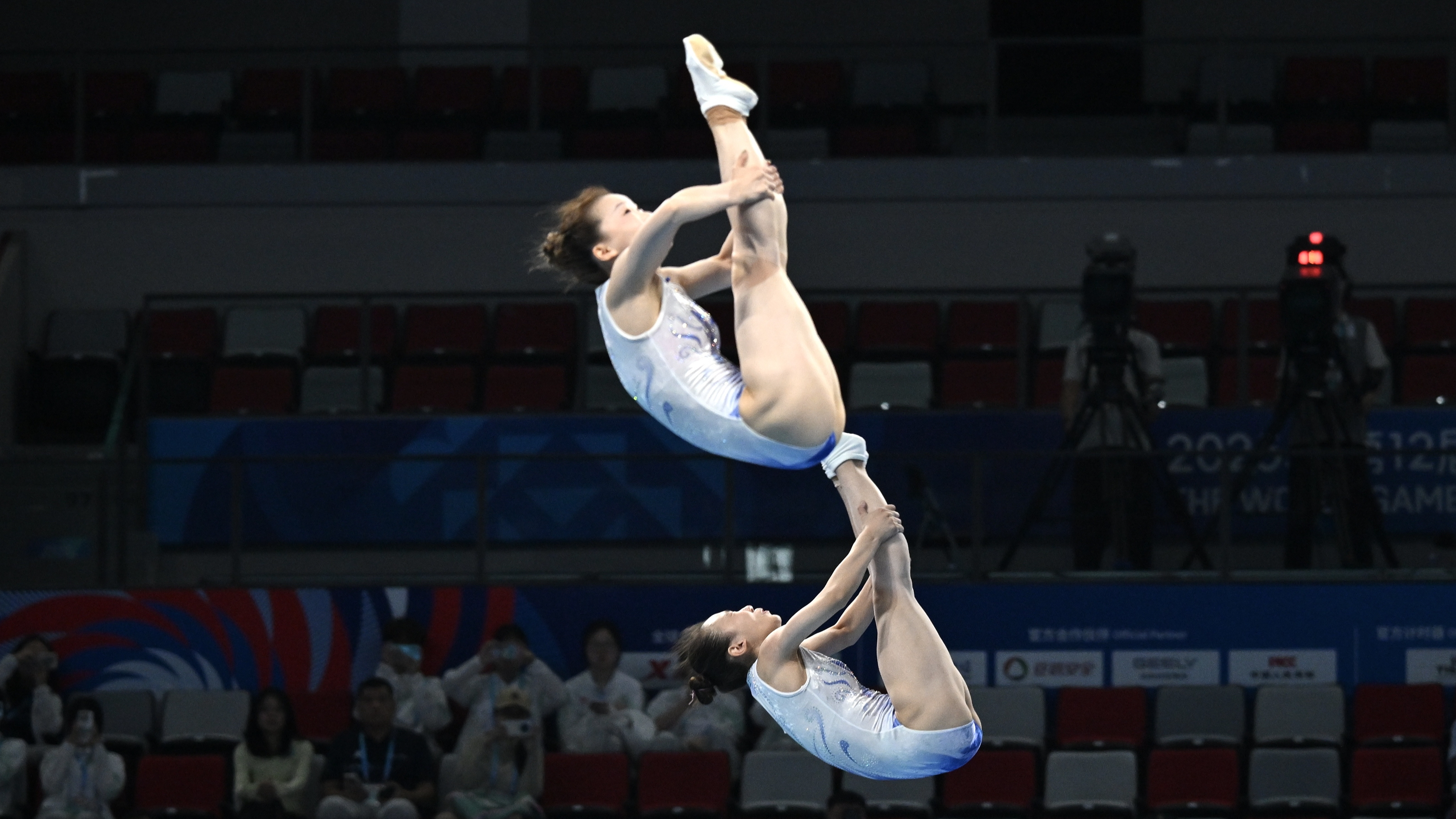
Young people are inspired by watching trampoline in the Olympics. Schools and clubs have added trampoline classes for kids. The sport is fun and helps develop balance, strength, and coordination. It appeals to children and teenagers who want an active lifestyle. Youth participation is rising, with many dreaming of competing one day. This growth will help trampoline stay popular for years to come.
Credit: news.cgtn.com
Frequently Asked Questions
Is Trampoline Currently An Olympic Sport?
Yes, trampoline gymnastics has been an official Olympic sport since 2000. It features individual men’s and women’s events showcasing acrobatic skills on a trampoline.
How Is Trampoline Judged In The Olympics?
Judges score trampoline routines based on difficulty, execution, and time of flight. Scores reflect the athlete’s skill, control, and overall performance quality.
Why Is Trampoline Included In The Olympics?
Trampoline is included for its athleticism, skill, and global popularity. It adds variety and excitement to the gymnastics category at the Games.
Can Trampoline Athletes Compete In Other Olympic Gymnastics?
Yes, some trampoline athletes also compete in artistic or rhythmic gymnastics. However, each discipline requires specialized training and skills unique to that event.
Conclusion
Trampoline is an exciting sport with high skill and great fun. It became an Olympic sport in 2000. Athletes jump and perform flips in the air with precision. This sport tests balance, strength, and timing. It continues to grow in popularity worldwide.
Watching trampoline competitions feels thrilling and energetic. Many young people enjoy practicing it. The Olympics show the best athletes competing at top levels. Trampoline’s place in the Olympics inspires new athletes every year. It proves that fun and sport can mix well.
Keep an eye on this sport in future games.