How to Find Glasses That Fit Your Face: Ultimate Style Guide
Finding the perfect pair of glasses isn’t just about style—it’s about comfort and confidence too. When your glasses fit your face well, they enhance your look and feel like they were made just for you.
But with so many shapes and sizes, how do you know which ones suit you best? You’ll discover simple tips to choose glasses that match your unique face shape and features. By the end, you’ll feel ready to pick frames that not only look great but also feel comfortable all day long.
Keep reading to find your perfect fit!

Credit: www.instagram.com
Face Shape Identification
Knowing your face shape is the first step to finding glasses that truly fit and flatter you. It’s not just about style but also about comfort and how the frames highlight your best features. Identifying your face shape helps you avoid wasting time on frames that don’t suit you.
Oval Face Characteristics
An oval face has balanced proportions with a slightly narrower chin than the forehead. Your cheekbones are usually the widest part of your face. If you have an oval face, most frame styles will look great on you, so you have plenty of options to play with.
Round Face Features
A round face has almost equal length and width with soft, curved lines and full cheeks. Your jawline and chin are rounded rather than angular. You might want to look for glasses that add definition, such as angular or rectangular frames, to create contrast with your soft features.
Square Face Traits
Square faces have a strong jawline and a broad forehead with equal width and length. Your cheekbones and jaw are similarly broad. Rounded or oval frames can soften your angles, making your face appear less boxy and more balanced.
Heart-shaped Face Details
A heart-shaped face features a wider forehead and cheekbones with a narrow chin. Your face might resemble an inverted triangle. Look for frames that are wider at the bottom or have light-colored rims to balance your forehead and soften your chin.
Diamond Face Attributes
Diamond faces have a narrow forehead and jawline with broad cheekbones. Your face looks angular and defined, especially around the cheeks. Oval or rimless frames can highlight your cheekbones without adding extra width to your face.

Credit: www.youtube.com
Matching Frames To Face Shape
Finding glasses that fit your face perfectly starts with understanding your face shape. Matching frames to your face shape can enhance your features and balance your overall look. It’s not just about style; it’s about highlighting what makes your face unique.
Best Frames For Oval Faces
Oval faces are well-balanced and gently curved, so most frame styles work well. You can try rectangular or square frames to add angles and contrast your soft curves. Avoid frames that are too large or too small to keep your natural balance intact.
Think about frames that are wider than the broadest part of your face. This keeps your look proportional and polished. Have you noticed how a simple pair of classic aviators can highlight an oval face beautifully?
Ideal Frames For Round Faces
Round faces have full cheeks and a rounded chin, so you want frames that add definition. Angular and geometric frames, like square or rectangular shapes, create a nice contrast. Avoid round frames, which can make your face look even rounder.
Try bold frames with sharp lines or even cat-eye styles to lift your face visually. Frames with a clear bridge or keyhole design can also add structure. Ever tried glasses that make your cheekbones pop? That’s the magic of the right frames.
Suitable Frames For Square Faces
Square faces have a strong jawline and broad forehead. Round or oval frames soften the angles and add balance. Thin metal frames can also reduce the heaviness around the edges of your face.
Look for frames with gentle curves or slight upsweeps to complement your features. Avoid square or boxy frames that double down on the angularity. Have you noticed how soft frames can soften your overall expression?
Perfect Frames For Heart-shaped Faces
Heart-shaped faces have a wider forehead and narrow chin. Frames that are wider at the bottom or have light colors soften the forehead. Rimless or thin frames work well to avoid emphasizing the upper face.
Try frames with low-set temples or rounded edges to balance your face. Avoid heavy or top-heavy frames that draw attention upward. What if the right glasses could make your chin look stronger? It’s all in the frame shape.
Recommended Frames For Diamond Faces
Diamond faces feature high cheekbones and a narrow forehead and chin. Oval and cat-eye frames highlight your cheekbones without overpowering your face. Frames with detailing on the top or bottom add width where you need it.
Consider frames that curve slightly to soften your features. Avoid narrow frames that make your face look longer. Have you tried frames that bring out your cheekbones instead of hiding them?
Considering Frame Size
Choosing the right frame size is key to comfortable and stylish glasses. Frames that fit well look better and feel better. Consider three main parts: frame width, bridge fit, and temple length. Each affects how glasses sit on your face.
Understanding Frame Width
Frame width is the total distance across the front of the glasses. It should match the width of your face. Too wide frames extend past your temples. Too narrow frames pinch your eyes and cause discomfort. The right width keeps glasses centered and balanced.
Importance Of Bridge Fit
The bridge is the part that rests on your nose. It holds the glasses in place. A good bridge fit prevents slipping and pressure marks. If the bridge is too wide, glasses slide down. If too tight, it causes pain. Choose a bridge that feels secure and light.
Temple Length Considerations
Temples are the arms that go over your ears. Their length affects how well glasses stay put. Short temples can press too hard or lift glasses off your face. Long temples may slip or look loose. Proper temple length gives comfort and stability all day.
Choosing Frame Material
Choosing the right frame material is key to finding glasses that feel comfortable and look great on your face. The material affects the weight, style, and durability of your glasses. Understanding different options helps you pick frames that suit your lifestyle and personal taste.
Metal Vs. Plastic Frames
Metal frames tend to be lighter and offer a sleek, minimal look. They often come in adjustable nose pads, which can help you get a better fit if you have a narrow or high bridge. However, metal frames may feel colder on your skin and can be less flexible than plastic.
Plastic frames are usually bolder and come in a variety of colors and styles. They often feel warmer and softer on your face but can be heavier. If you want a statement piece or vibrant colors, plastic might be your best choice.
Eco-friendly Frame Options
More brands now offer sustainable frames made from recycled or biodegradable materials. Bamboo, recycled acetate, and bio-based plastics are popular eco-friendly choices. Choosing these helps reduce environmental impact and shows your commitment to sustainability.
Have you thought about how your glasses affect the planet? Opting for eco-friendly frames might make you feel better about your purchase while still getting a stylish look.
Durability Factors
Think about how you use your glasses daily. Metal frames can bend but may break under strong pressure, while plastic frames can crack but often resist scratches better. If you’re active or often on the go, durability matters more than style alone.
Look closely at the hinge type and frame thickness. Spring hinges add flexibility and comfort, reducing the chance of damage. Thicker frames generally last longer but might feel heavier on your face.
Color Coordination Tips
Choosing glasses that complement your face involves more than just shape and size. Color coordination plays a key role in enhancing your overall look. Matching frame colors with your natural features and personal style creates harmony and balance. This section offers simple tips to help you pick frames that suit your skin tone, hair color, and wardrobe.
Skin Tone And Frame Colors
Your skin tone affects which frame colors look best on you. Warm skin tones pair well with earthy colors like brown, gold, and amber. Cool skin tones shine with shades such as black, silver, blue, or purple.
Neutral skin tones can wear a wide range of colors. Choosing the right contrast can highlight your features and brighten your face.
Hair Color Influence
Hair color also influences frame choice. Dark hair works well with bold, dark frames like black or deep reds. Light hair suits softer, lighter frames such as pastels or clear colors.
Red or auburn hair pairs nicely with tortoiseshell or warm-colored frames. Matching frames to hair color creates a natural and balanced look.
Wardrobe And Style Harmony
Consider your typical clothing colors and style when selecting frames. Neutral frame colors like black, brown, or gray fit most wardrobes easily.
Bright or patterned frames add a fun touch to simple, classic clothes. For colorful wardrobes, pick frames that complement or blend with your favorite shades.
Matching frames to your style helps create a cohesive and polished appearance every day.
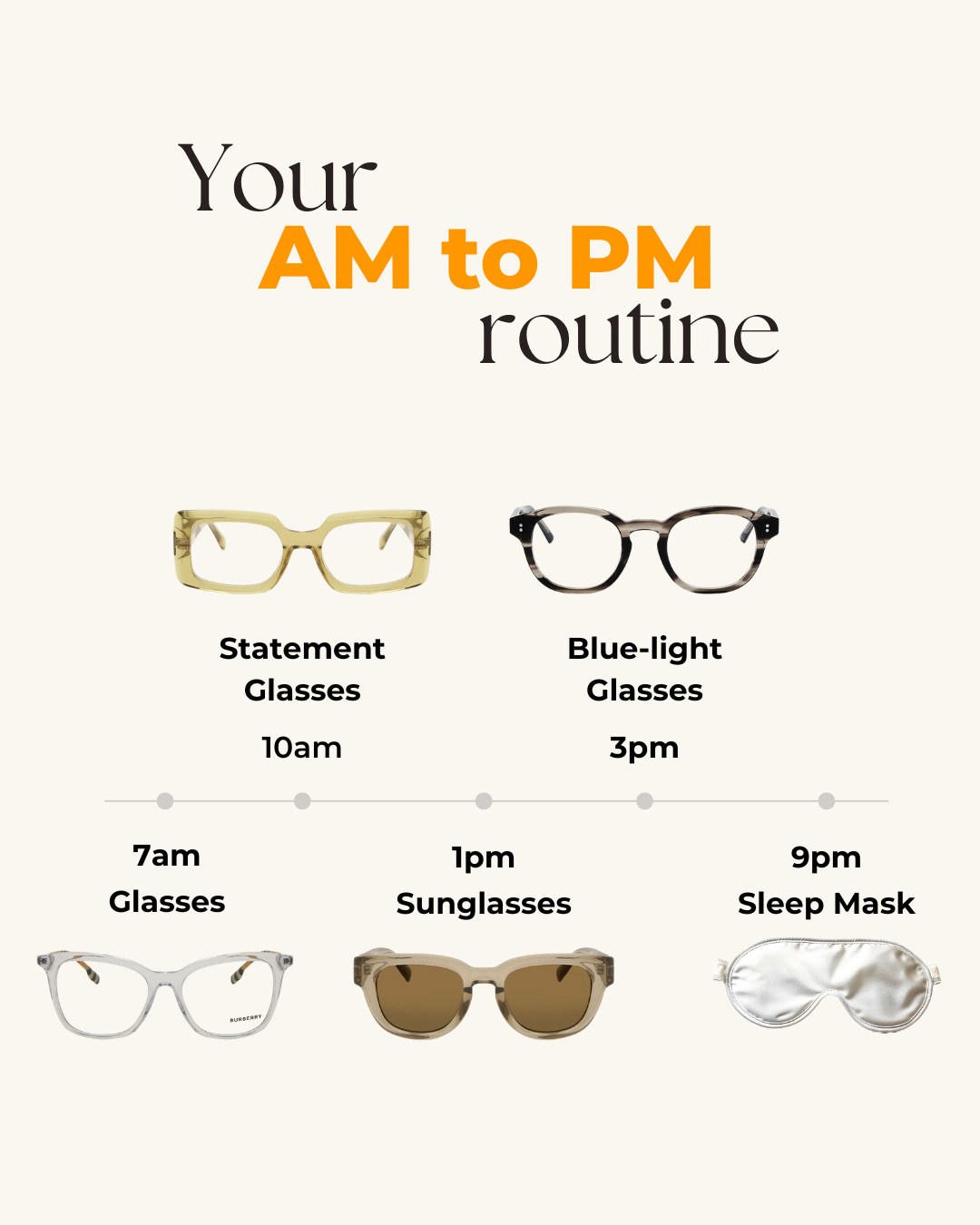
Credit: www.facebook.com
Lens Options And Technology
Choosing the right lens for your glasses goes beyond just picking a frame that looks good. The lens type and technology directly affect how well you see and how comfortable your glasses feel throughout the day. Understanding these options helps you make a choice that matches your lifestyle and vision needs.
Prescription Lens Types
Prescription lenses come in several types tailored to different vision problems. Single vision lenses correct either near or distance vision, ideal if you only need help with one range. Bifocal and progressive lenses handle multiple vision zones, perfect if you need reading and distance correction in one pair.
Think about how you use your glasses daily. Do you switch between reading and driving? Progressive lenses can save you from carrying two pairs. But if you only need help seeing far, single vision lenses keep things simple and usually cost less.
Blue Light Blocking Features
If you spend hours in front of screens, blue light blocking lenses might be worth considering. These lenses filter out blue light emitted by computers, phones, and tablets, potentially reducing eye strain and improving sleep quality. You might notice less tiredness and fewer headaches after a long day online.
Not all blue light blockers are the same. Some lenses have a subtle tint, while others are clear but coated to filter blue light. Ask your optician about testing different options to find what feels right for your eyes.
Uv Protection Essentials
UV rays can harm your eyes just like your skin, increasing risks of cataracts and other eye conditions. Make sure your lenses block 100% of UVA and UVB rays, whether you choose regular glasses or sunglasses. This protection is crucial even on cloudy days.
Many modern lenses include UV protection by default, but always double-check. If you spend a lot of time outdoors, consider adding polarized lenses to reduce glare, making your vision clearer and more comfortable.
Trying Glasses On
Trying glasses on is the most important step to ensure they truly fit your face. You can’t rely solely on measurements or photos; how the frames sit and feel in real life makes all the difference. This hands-on experience helps you judge comfort, style, and how the glasses complement your features.
Virtual Try-on Tools
Virtual try-on tools let you see how different frames look on your face using your phone or computer camera. They save time and give you a quick way to experiment with many styles without visiting a store. However, screen lighting and camera angles can affect how accurate the fit and color appear.
Try different tools from popular eyewear brands and compare results. Notice which shapes highlight your best features or make your eyes pop. Do you find some frames that surprise you by looking better than expected?
In-store Fitting Experience
Going to a store allows you to physically try on glasses and feel their weight and balance. You can check if the frames rest comfortably on your nose and ears without slipping or pinching. This real-world experience helps avoid surprises after purchase.
Ask the staff to adjust the frames to fit your face perfectly. They can offer advice on styles that suit your face shape and lifestyle. How does the frame feel after wearing it for a few minutes? Does it stay secure when you move your head?
Feedback From Friends And Family
Getting opinions from people you trust can provide a fresh perspective on which glasses suit you best. Sometimes, others notice details you might miss, like how the frames match your skin tone or outfit. Their honest feedback can boost your confidence in your choice.
Show them your top picks and ask specific questions, such as which frame highlights your eyes or looks most professional. Do their reactions align with what you see in the mirror? Use their input to narrow down your options and find the perfect fit.
Maintaining Your Glasses
Maintaining your glasses ensures they stay comfortable and last longer. Proper care keeps lenses clear and frames intact. Small habits make a big difference in your glasses’ lifespan.
Cleaning And Care Tips
- Use a microfiber cloth to clean lenses gently.
- Rinse glasses with lukewarm water before wiping.
- Avoid harsh chemicals that can damage lens coatings.
- Use lens cleaner sprays designed for eyewear.
- Dry glasses with a soft cloth, not paper towels.
- Clean frames regularly to prevent dirt buildup.
Storage Solutions
- Store glasses in a hard case to avoid scratches.
- Keep them away from extreme heat or cold.
- Avoid placing glasses lens-down on surfaces.
- Use a dedicated holder to keep glasses safe at home.
- Do not leave glasses in cars or direct sunlight.
Repair And Adjustment Services
- Visit an optician for loose screws or bent frames.
- Adjust nose pads for better fit and comfort.
- Replace broken parts promptly to avoid further damage.
- Check alignment regularly to keep vision clear.
- Professional cleaning restores shine and removes buildup.
Frequently Asked Questions
How Do I Determine My Face Shape For Glasses?
Identify your face shape by measuring your forehead, cheekbones, and jawline. Common shapes include oval, round, square, heart, and diamond. Knowing your face shape helps select glasses that enhance your features and provide a balanced look.
What Frame Styles Suit Round Faces Best?
Angular and geometric frames work well for round faces. They add structure and contrast to soft curves. Rectangular, square, and cat-eye frames are great options to create a slimming effect and define your face shape.
How To Choose Glasses Based On Face Size?
Choose frames that match your face size for comfort and style. Small faces suit narrow, lightweight frames, while larger faces need wider, bold frames. Proper fit prevents slipping and enhances your overall appearance.
Can Frame Color Affect How Glasses Fit My Face?
Yes, frame color impacts your look and complements your skin tone. Warm tones suit warm skin, while cool tones match cool skin. Choosing the right color enhances your natural beauty and highlights your features.
Conclusion
Finding glasses that fit your face well boosts both comfort and style. Consider your face shape, size, and personal taste carefully. Try different frames to see what suits you best. Remember, the right glasses highlight your features and feel good to wear.
Take your time choosing, and enjoy the process. Your perfect pair is out there waiting.