Is Rowing a Sport: Exploring Its Athletic Essence
Have you ever wondered if rowing is truly a sport? Maybe you’ve seen rowers gliding smoothly across the water and questioned whether it’s just a hobby or something more.
Understanding what makes an activity a sport can change how you see rowing—and maybe even inspire you to try it yourself. Stick with me, and you’ll discover why rowing is more than just a pastime. You might be surprised at how this powerful, full-body workout challenges your mind and body in ways you never expected.
Ready to find out what makes rowing a real sport? Let’s dive in.

Credit: www.pocockfoundation.org
Rowing As A Competitive Sport
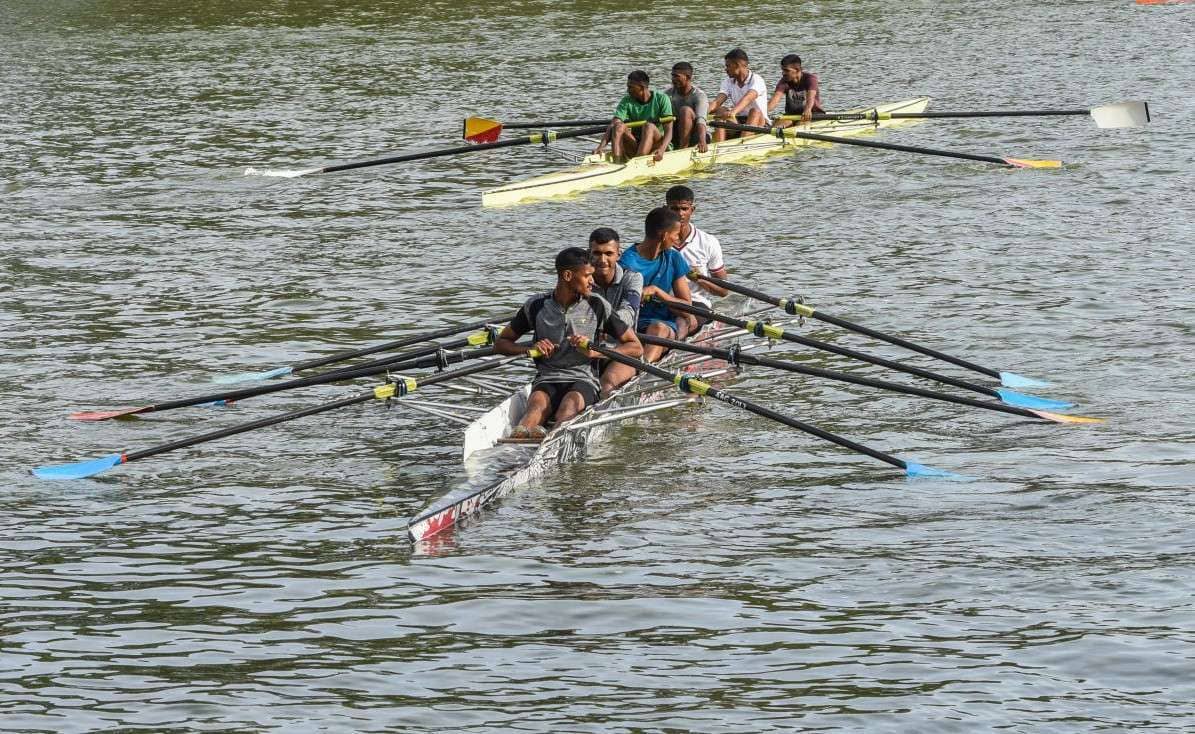
Rowing is a sport that combines strength, technique, and teamwork. It challenges athletes to work in sync while pushing their physical limits. Competitive rowing has a rich history and remains popular worldwide. It is a sport where precision and endurance meet.
Historical Roots
Rowing’s history dates back thousands of years. Ancient civilizations used rowing for transport and warfare. Over time, it evolved into a sport. The first known rowing races took place in England in the early 18th century. These races set the stage for modern competitive rowing.
Modern Competitions
Today, rowing competitions occur at many levels. Clubs, schools, and universities hold regular races. Regattas are popular events where teams compete on rivers and lakes. These races test speed, skill, and teamwork. Different boat classes exist, from single sculls to eights.
Olympic Presence
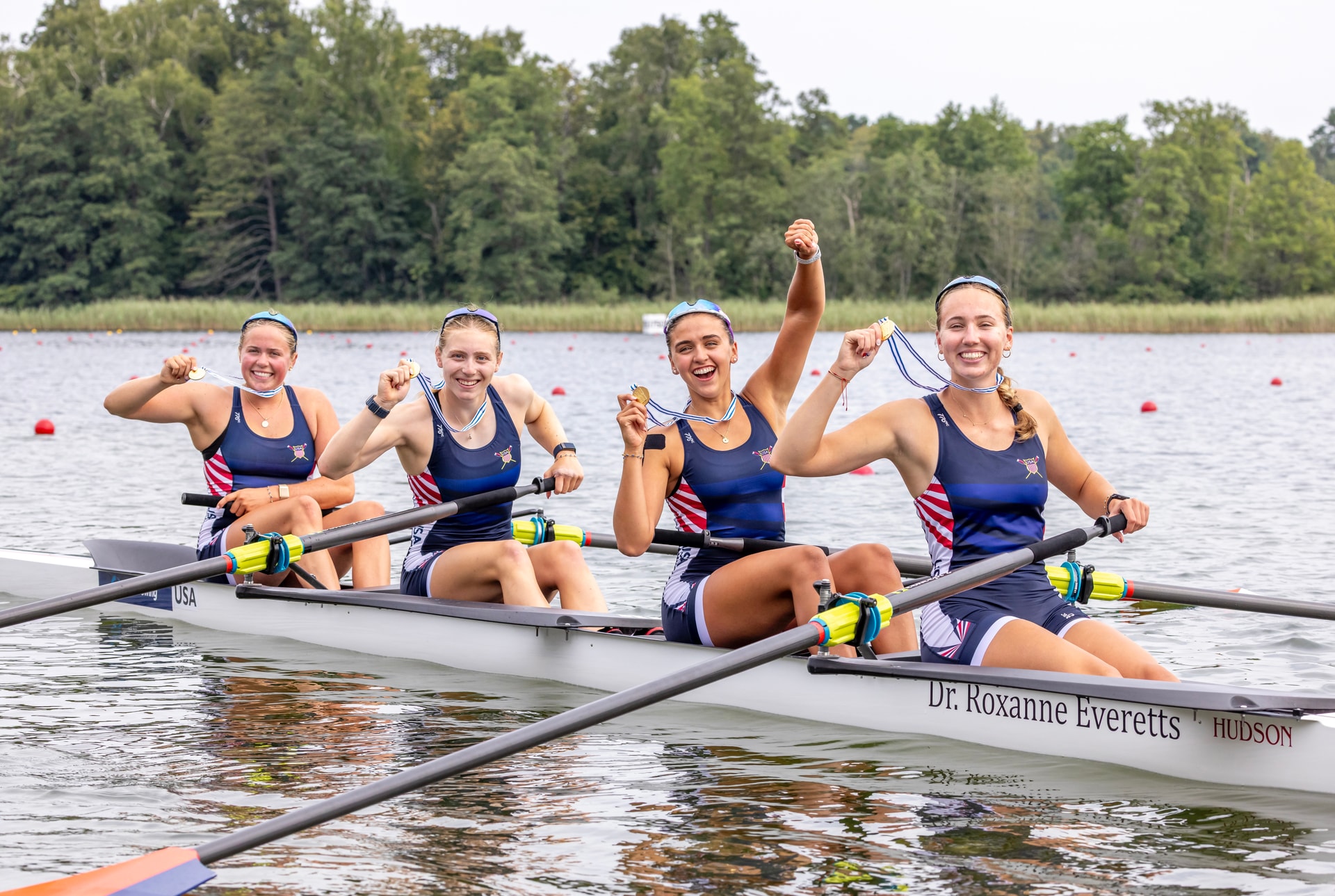
Rowing is a core Olympic sport. It has been part of the modern Olympics since 1900. Athletes from around the world compete for gold medals. Olympic rowing features various boat categories and distances. It highlights the sport’s global appeal and high standards.

Credit: allmark.one
Physical Demands Of Rowing
Rowing challenges the body in many ways. It demands both physical strength and stamina. The sport tests your heart, lungs, and muscles all at once. This makes rowing a full-body workout that pushes your limits. Understanding these physical demands helps explain why rowing is a serious sport.
Strength And Endurance
Rowing requires strong muscles to pull the oars powerfully. Endurance is key to maintain this effort over time. Rowers build strength through repeated strokes. They also train to keep going without tiring quickly. This mix of power and stamina is essential for success.
Cardiovascular Benefits
Rowing raises your heart rate quickly. It improves how well your heart and lungs work. Regular rowing sessions boost your overall cardiovascular health. This helps your body use oxygen more efficiently. A strong heart supports better performance and health.
Muscle Groups Engaged
- Legs: Drive the boat forward with powerful pushes.
- Back: Stabilize the body and support each stroke.
- Arms: Pull the oars through the water with force.
- Core: Keep balance and transfer power smoothly.
Rowing engages many muscle groups together. This coordination builds strength evenly across the body. It also helps prevent injury by balancing muscle use.
Skills Required For Rowing
Rowing demands a unique set of skills that combine physical strength with mental sharpness. Success depends on mastering these abilities to move the boat efficiently. Each skill plays a vital role in performance and safety on the water.
Technique And Coordination
Proper technique is the foundation of rowing. It includes correct posture, grip, and stroke rhythm. Coordination between arms, legs, and back ensures smooth, powerful strokes. Mistakes in technique waste energy and slow the boat.
Teamwork And Synchronization
Rowing often involves a team working as one unit. Synchronizing strokes keeps the boat balanced and fast. Each member must listen and adjust to teammates. Trust and communication are essential for harmony in motion.
Mental Focus And Strategy
Mental focus helps rowers maintain pace and form under pressure. Strategy involves knowing when to push hard or conserve energy. Reading water conditions and competitors guides decision-making during races.
Credit: usrowing.org
Rowing As A Fitness Activity
Rowing is more than just a competitive sport. It serves as a powerful fitness activity that strengthens the body and improves endurance. People of all fitness levels can benefit from rowing. The rhythmic motion engages multiple muscle groups and boosts cardiovascular health. Understanding rowing’s fitness benefits helps you appreciate its value beyond competition.
Health Advantages
Rowing offers a full-body workout. It tones muscles in the arms, legs, back, and core. The continuous movement improves heart and lung function. Rowing burns calories efficiently, aiding weight loss. It also enhances flexibility and joint health. The low-impact nature reduces injury risk. Regular rowing helps reduce stress and increase energy levels.
Accessibility For All Ages
Rowing suits a wide range of ages and abilities. Beginners can start with light intensity and build strength gradually. Older adults benefit from its gentle, low-impact exercise. Adaptive rowing exists for those with physical challenges. Youth find rowing a fun way to stay active. The sport’s versatility makes it easy to include in daily routines.
Indoor Vs Outdoor Rowing
Indoor rowing uses machines called ergometers. These allow exercise in any weather or location. Erg rows track distance, speed, and calories burned. Outdoor rowing takes place on rivers, lakes, or the sea. It offers fresh air and scenic views. Outdoor rowing requires balance and teamwork in boats. Both types improve fitness, but each has unique benefits.
Cultural And Social Impact
Rowing is more than just a sport. It shapes cultures and builds strong social bonds. Its impact extends beyond physical activity, creating communities and traditions worldwide.
Rowing Clubs And Communities
Rowing clubs form tight-knit communities. Members share passion and support each other. Clubs often host events that bring people together. These groups encourage teamwork and lifelong friendships. Many clubs welcome beginners and experienced rowers alike.
Collegiate Rowing Culture
Colleges have a rich rowing tradition. Teams compete fiercely but also foster respect. Rowing builds discipline and leadership skills among students. The sport creates pride and school spirit. Many alumni stay connected through rowing events and reunions.
Global Popularity
Rowing is popular worldwide. Countries host major regattas attracting diverse athletes. The sport crosses language and cultural barriers easily. It promotes healthy lifestyles and outdoor activity. Rowing’s global reach continues to grow each year.
Frequently Asked Questions
Is Rowing Recognized As An Official Sport?
Yes, rowing is an official sport recognized worldwide. It is included in the Olympics and governed by the International Rowing Federation (FISA). Rowing involves competitive racing using boats powered by oars.
What Physical Benefits Does Rowing Provide?
Rowing improves cardiovascular health, builds muscle strength, and enhances endurance. It offers a full-body workout targeting legs, core, and arms. Rowing also boosts coordination and flexibility.
How Competitive Is Rowing As A Sport?
Rowing is highly competitive with local, national, and international events. Athletes race individually or in teams over various distances. It demands skill, teamwork, and rigorous training for success.
Can Beginners Easily Learn Rowing?
Yes, beginners can learn rowing with proper coaching and practice. Starting with basic techniques and safety rules is essential. Many clubs offer beginner programs to build skills gradually.
Conclusion
Rowing is more than just exercise; it is a true sport. It tests strength, skill, and teamwork on water. Many people enjoy rowing for fitness and competition. It offers a full-body workout and builds endurance. Rowing also teaches discipline and focus.
Whether you row alone or with a team, it challenges both mind and body. This sport welcomes beginners and experts alike. Try rowing to experience its unique rewards yourself.