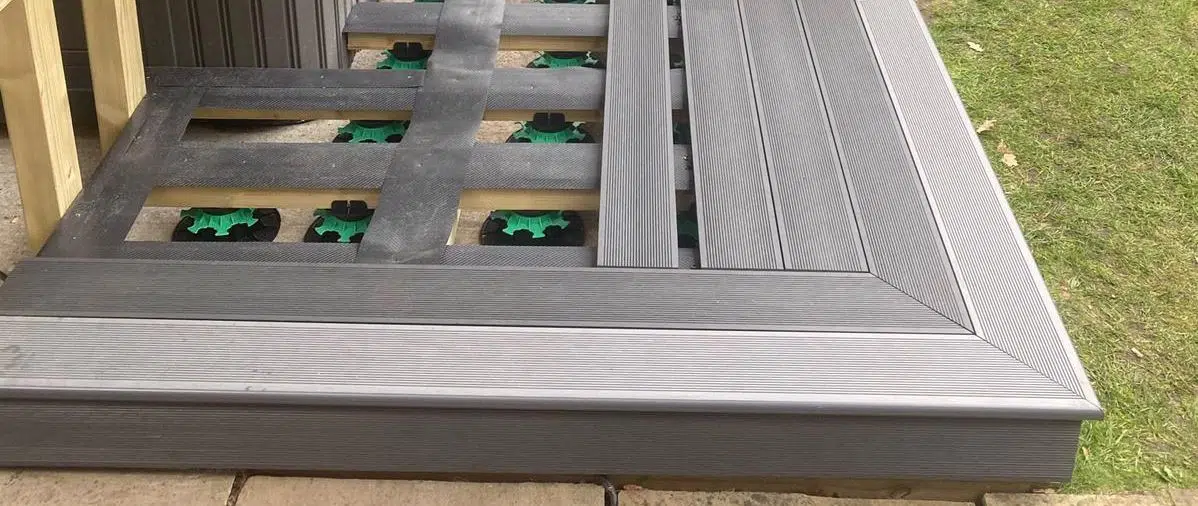
How to Fit Decking Boards: Expert Tips for a Perfect Finish
Are you ready to transform your outdoor space with beautiful decking? Knowing how to fit decking boards correctly can make all the difference between a stunning, durable deck and a costly mistake.
In this guide, you’ll discover simple, step-by-step tips that anyone can follow—even if you’ve never worked with wood before. By the end, you’ll feel confident tackling your project and creating a deck that’s not only strong but also looks amazing.
Keep reading, and let’s get your decking done right!
Credit: www.decks.com
Choosing The Right Materials
Choosing the right materials for your decking project is crucial. The durability, appearance, and maintenance of your deck depend heavily on this decision. Before you start fitting decking boards, consider what material will best suit your lifestyle and environment.
Types Of Decking Boards
Decking boards come in several types, each with distinct features. You can choose from hardwood, softwood, composite, or PVC boards. Hardwood like teak offers strength and a rich color, while softwood such as pine is more affordable but requires treatment to resist weather.
Composite boards combine wood fibers and plastic, giving you low maintenance and resistance to rot. PVC decking is entirely synthetic, providing excellent durability but sometimes lacks the natural feel. Think about the climate where you live and how much time you want to spend on upkeep.
Wood Vs Composite Options
Wood decking gives a classic, natural look that many homeowners love. It can be sanded and refinished multiple times, which extends its life. However, wood needs regular sealing or staining to prevent damage from moisture and insects.
Composite decking is easier to care for and resists fading and splintering. It’s a solid choice if you want a deck that stays looking good with minimal effort. Ask yourself: Do you prefer the warmth of real wood, or the convenience of composite materials?
Sustainable Choices
Thinking about sustainability can guide you to eco-friendly decking materials. Look for boards made from recycled content or responsibly harvested wood certified by organizations like FSC. Bamboo is another fast-growing alternative that offers strength and a unique look.
Choosing sustainable materials can reduce your environmental impact without sacrificing quality. How important is environmental responsibility in your home improvement projects? Your choice can make a difference beyond your backyard.
Preparing The Site
Preparing the site is a key step before fitting decking boards. It ensures a strong base and a smooth surface. Proper preparation helps avoid future problems like uneven boards or water damage.
Measuring The Area
Start by measuring the space where you want the deck. Use a tape measure to get the length and width. Write down these numbers clearly. Check twice for accuracy. Accurate measurements help plan the number of boards needed.
Clearing And Leveling
Remove all plants, rocks, and debris from the area. Clear the ground to bare soil. Next, level the surface using a rake or shovel. A flat base prevents uneven decking and wobbling. Compact the soil to create a firm foundation.
Setting Up The Foundation
Choose a foundation type: concrete, gravel, or deck blocks. Spread the foundation evenly across the cleared area. Use a spirit level to check for flatness. Secure the foundation to stop shifting. A solid foundation keeps the decking stable and safe.
Cutting And Measuring
Cutting and measuring decking boards precisely is key to achieving a smooth, professional-looking deck. Mistakes in this stage can lead to wasted materials and uneven surfaces. Let’s break down what you’ll need and how to handle these tasks safely and accurately.
Tools Needed
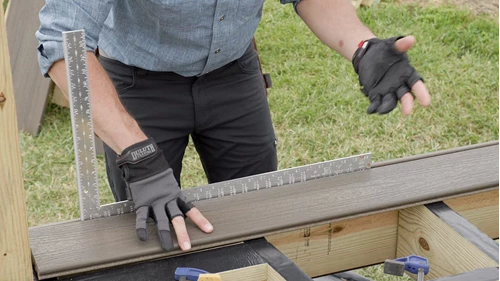
Having the right tools makes cutting and measuring decking boards much easier. You’ll want a reliable tape measure, a carpenter’s square, and a pencil for marking cuts clearly. A power saw, such as a circular saw or miter saw, is essential for clean, straight cuts.
Additionally, clamps can help hold boards steady while cutting. Don’t forget safety gear like goggles and ear protection to keep yourself safe during the process.
Accurate Measurements
Measure twice, cut once is a rule that holds strong here. Take your time to measure each board carefully, considering gaps for expansion and ensuring alignment with joists. Mark your cut lines clearly with a pencil and use a square to keep lines straight.
Think about how each board fits with the others. Are you accounting for overhangs or corners? Precision at this stage prevents costly adjustments later.
Safety Precautions
Cutting decking boards involves sharp tools and flying debris, so safety can’t be overlooked. Always wear protective eyewear and hearing protection before you start cutting. Keep your hands clear of the blade and use clamps to secure boards firmly.
Work in a well-lit area and make sure your work surface is stable. Have you checked your tools for damage before starting? Staying alert and prepared helps prevent accidents and keeps your project on track.
Installing The Decking Boards
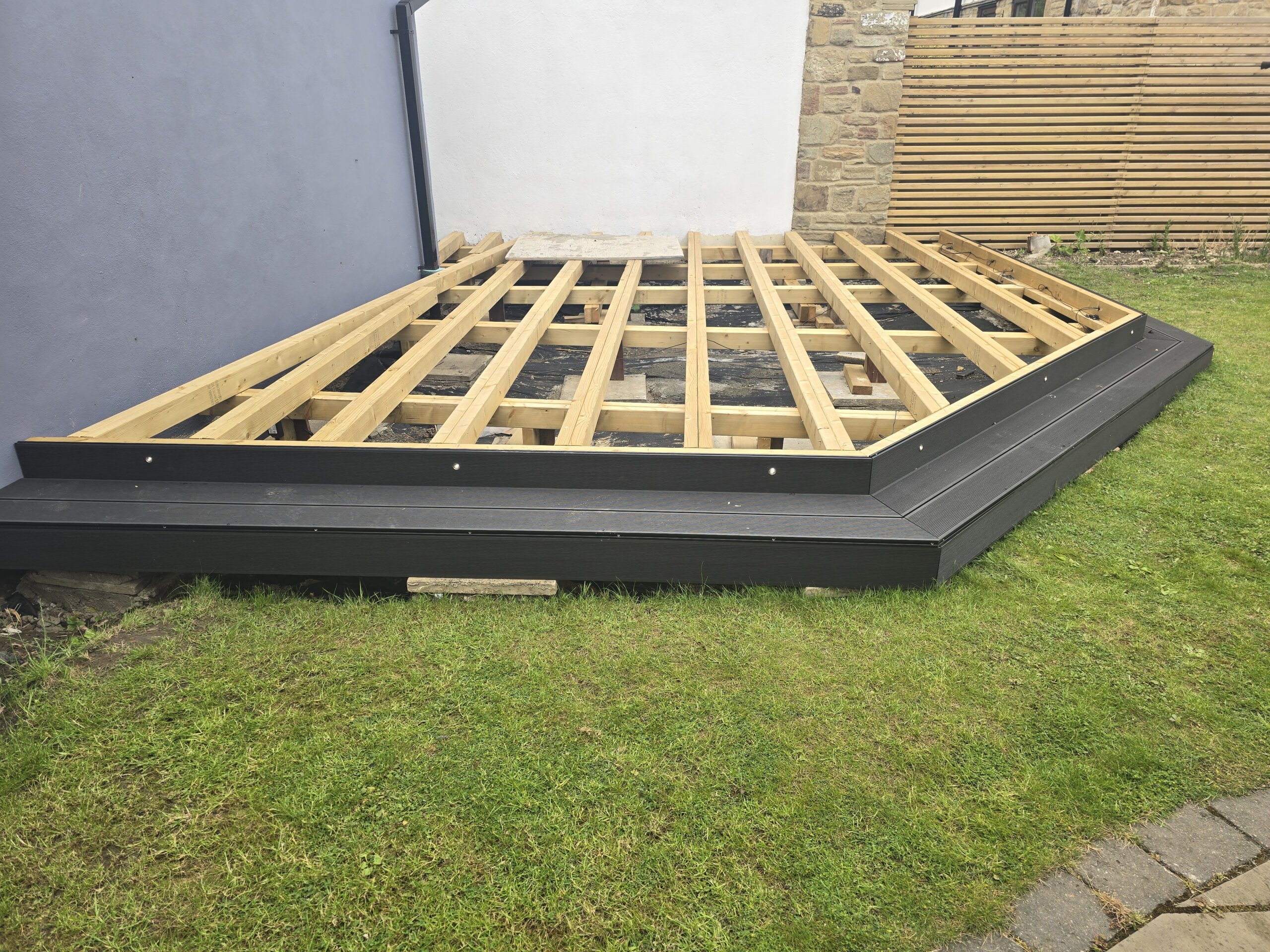
Installing decking boards requires attention to detail and careful handling. Proper installation ensures a strong, durable deck that looks great. The process involves aligning boards correctly, maintaining proper spacing, and using the right fastening techniques. Each step affects the deck’s stability and appearance.
Board Alignment Techniques
Start by laying the first board straight and square to the deck frame. Use a carpenter’s square or a measuring tape for accuracy. Align each board alongside the previous one. Check for any twists or warps before fixing them in place. Consistent alignment prevents gaps and uneven surfaces. Use clamps or temporary nails to hold boards in position during installation.
Spacing And Gaps
Allow space between decking boards for water drainage and air circulation. A gap of about 3 to 5 millimeters works well for most wood types. Use spacers or deck board gap tools to maintain even spacing. Avoid gaps that are too wide or too narrow. Proper spacing reduces wood swelling and helps prevent rot. Check gaps regularly as you install each board.
Fastening Methods
Choose the right fasteners based on your decking material. Stainless steel screws are ideal for most wood decks. Hidden fasteners create a cleaner look but require compatible boards. Drive screws at an angle to reduce wood splitting. Countersink screws slightly below the board surface. Avoid over-tightening to prevent damage. Secure each board firmly to the joists for a stable deck.
Finishing Touches
Finishing touches bring your decking project to life. These final steps protect your boards and enhance their look. Proper care ensures your deck lasts longer and stays beautiful. Focus on smooth surfaces, protection from weather, and adding style.
Sanding And Smoothing
Sanding removes rough edges and splinters. Use fine-grit sandpaper for a smooth finish. Always sand along the grain of the wood. This step makes the deck safer and more comfortable to walk on. Clean off dust before moving to the next step.
Applying Sealant
Sealant protects wood from water, sun, and wear. Choose a sealant suitable for your decking material. Apply evenly using a brush or roller. Allow the sealant to dry completely before use. Reapply every year to keep the deck in top shape.
Decorative Elements
Decorative touches add personality and charm. Consider:
- Outdoor rugs for color and comfort
- Potted plants to bring nature closer
- String lights or lanterns for cozy evenings
- Furniture that fits your style and space
These elements make your deck inviting and enjoyable. Choose items that suit your lifestyle and climate.

Credit: www.howarth-timber.co.uk
Maintenance And Care
Keeping your decking boards in top shape means more than just a good fit during installation. Maintenance and care ensure your deck stays safe, attractive, and durable over time. Let’s dive into how you can make your decking boards last longer with some straightforward tips.
Regular Cleaning
Regular cleaning prevents dirt and grime buildup, which can cause your decking to look dull and wear out faster. Use a soft broom or leaf blower to remove leaves, dust, and debris weekly. For a deeper clean, scrub the boards with warm water and mild soap using a soft brush.
Avoid harsh chemicals that might damage the wood or composite material. Rinse thoroughly to prevent soap residue, which can make surfaces slippery. Have you noticed how a clean deck instantly lifts the whole outdoor space? It really does make a difference.
Handling Weather Impact
Weather can be tough on decking boards, causing warping, cracking, or discoloration. Protect your deck by applying a weather-resistant sealant or stain every couple of years. This adds a barrier against moisture and UV rays.
During extreme weather, clear off snow or standing water quickly to avoid damage. If your deck gets direct sunlight for hours, consider adding a shade or cover. Have you checked how your deck reacts after the first heavy rain or hot sun? Noticing these effects early helps you act before problems get worse.
Repairing Damages
Even with care, small damages can happen. Fix loose or squeaky boards immediately by tightening screws or replacing fasteners. Cracks or splinters should be sanded down to prevent injury and further damage.
If a board is severely damaged, replace it promptly to keep the structure safe. Don’t ignore minor issues—they can escalate quickly. What’s the last repair you made on your deck? Addressing it early saves you time and money later on.
Credit: www.dino.co.uk
Frequently Asked Questions
How Do I Prepare The Surface Before Fitting Decking Boards?
Clear the area of debris and level the ground. Install joists with proper spacing to support the boards. Ensure good drainage to prevent water damage and promote longevity of the decking.
What Spacing Should I Leave Between Decking Boards?
Leave a gap of 3-5mm between boards for expansion and drainage. This prevents warping and allows water to escape, keeping the deck durable and safe.
Which Tools Are Essential For Fitting Decking Boards?
You’ll need a saw, drill, tape measure, spirit level, and screws or nails. These tools ensure accurate cuts, secure fixing, and a level, professional finish.
How Do I Fix Decking Boards Securely?
Use corrosion-resistant screws or nails, fixing boards to joists. Pre-drill holes to prevent splitting. Secure boards evenly and check alignment throughout the process.
Conclusion
Fitting decking boards takes some care and patience. Measure each board carefully before cutting. Keep gaps between boards for water drainage. Use the right tools to make the job easier. Take your time to align boards properly. A well-fitted deck looks neat and lasts longer.
Enjoy the process and your new outdoor space. Small steps lead to great results. Now, you can confidently start your decking project.

