
Are you struggling to fit a SIM card into your phone without causing any damage? You’re not alone.
Many people find this small task tricky, especially with different phone models and SIM card sizes. But don’t worry—this guide will walk you through every step clearly and simply. By the end, you’ll know exactly how to fit your SIM card quickly and safely, so your phone is ready to connect you to the world.
Keep reading to avoid common mistakes and get your device up and running in no time.

Credit: www.youtube.com
Choosing The Right Sim Card
Choosing the right SIM card is essential before fitting it into your device. Picking the wrong size or incompatible type can lead to frustration and wasted time. Understanding the options and what suits your phone helps you avoid unnecessary hassle.
Types Of Sim Cards
SIM cards come in three main sizes:
- Standard SIM– The largest, mostly used in older phones.
- Micro SIM– Smaller than Standard, common in devices from a few years ago.
- Nano SIM– The smallest size, now standard in most modern smartphones.
Some phones even support an eSIM, a digital SIM embedded inside the device. Have you checked which type your phone uses? Using a SIM card that doesn’t fit properly can damage the tray or cause connectivity issues.
Compatibility With Your Device
Not all SIM cards work with every phone. Your device’s manufacturer usually specifies which SIM size and type it supports. Checking this before buying a SIM card saves you a trip back to the store.
Network compatibility matters too. Some carriers use specific frequencies that your phone must support. If you’ve ever traveled internationally and tried to use a local SIM, you know how frustrating incompatibility can be.
Look up your phone’s model online or in the manual to confirm compatibility. What’s the point of having a SIM card if your phone won’t recognize it?
Preparing Your Device
Preparing your device is an important step before fitting a SIM card. It helps protect your phone and ensures the SIM card works correctly. Taking a few simple actions can make the process smooth and safe.
Powering Off Your Phone
Turn off your phone to avoid damage to the SIM card or the device. Press and hold the power button until the power off option appears. Tap the option and wait for the screen to go dark. Never insert or remove a SIM card while the phone is on. This prevents possible data loss or hardware issues.
Locating The Sim Card Slot
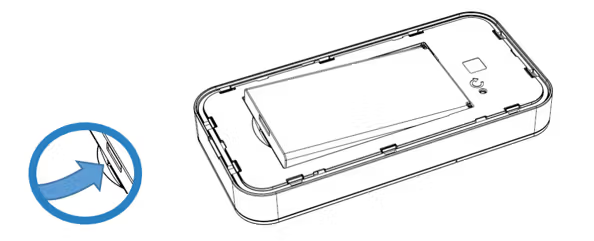
Find the SIM card slot on your phone. It is usually on the side or back of the device. Look for a small tray with a tiny hole next to it. You may need a SIM eject tool or a paperclip to open the slot. Gently insert the tool into the hole and push lightly. The tray will pop out, ready for the SIM card.
Inserting The Sim Card
Inserting the SIM card into your device is a simple yet crucial step to get your phone connected to the network. Handling this process carefully ensures your SIM card and phone stay undamaged. Let’s walk through how to insert the SIM card correctly and safely.
Using A Sim Eject Tool
Most smartphones come with a small SIM eject tool. It looks like a tiny pin and is designed to open the SIM tray easily.
If you don’t have the tool, a small paperclip works just as well. Straighten one end and gently insert it into the tiny hole next to the SIM tray.
Press lightly until the tray pops out. Be careful not to use too much force—you want to avoid damaging the tray or your phone.
Placing The Sim Card Properly
Once the tray is out, place your SIM card inside. Look for the angled corner of the SIM card and match it to the tray.
Make sure the metal contacts on the SIM card face down, touching the phone’s internal connectors. If you put the card the wrong way, your phone won’t recognize it.
After placing the SIM card, slide the tray back into the phone gently but firmly. If it doesn’t slide in easily, double-check the card’s position instead of forcing it.

Credit: www.samsung.com
Securing The Sim Card
Securing the SIM card properly is essential to ensure your device recognizes the card and functions smoothly. A loose or misaligned SIM can cause connectivity issues, missed calls, or even damage to the SIM or device. Taking a moment to double-check the positioning can save you a lot of trouble down the line.
Ensuring Correct Alignment
The SIM card has a small notch or cut corner that guides you on how to place it. Align this notch with the corresponding shape inside the SIM slot carefully. If you force the SIM card in the wrong way, you risk damaging both the card and the slot.
Try holding the SIM card flat and gently slide it into the tray or slot until it fits snugly. You should feel a slight click or resistance when it’s correctly positioned. Ask yourself: have you noticed any resistance or unusual pressure while inserting the card? If yes, double-check the alignment before pushing further.
Closing The Sim Slot
Once the SIM card is properly aligned, close the SIM slot carefully to avoid dislodging it. If your phone has a tray, use your fingers or a SIM ejector tool to push it back in straight without tilting. For devices with a flip cover, ensure it snaps shut firmly without forcing it.
After closing, power on your device to check if it detects the SIM card immediately. If it doesn’t, reopen and inspect the SIM placement again. Keeping the slot clean and free from dust also helps maintain a good connection between your phone and SIM card.
Turning On Your Device
Turning on your device after fitting a SIM card is a crucial step to ensure everything works smoothly. It’s not just about pressing the power button; you need to confirm that your phone recognizes the SIM and connects to the network. This process can reveal whether the SIM card was inserted correctly or if there are any immediate issues to address.
Checking For Network Signal
Once your device powers up, look at the top corner of your screen to see if the network bars appear. If you see signal bars, your SIM card is active and your device is connected to the cellular network. Sometimes, it might take a few moments for the network to register, especially if you’re in a new location or using a different carrier.
If no signal appears, try toggling airplane mode on and off. This simple action forces your phone to search for available networks again. Also, check if your device is set to the correct network mode (like 4G or 5G) in the settings.
Troubleshooting Common Issues
What should you do if your device doesn’t recognize the SIM card or shows “No SIM”? First, power off your phone and carefully remove the SIM card. Inspect it for any dirt or damage. Clean it gently with a soft cloth and reinsert it firmly but carefully.
If the problem persists, test the SIM card in another phone. This can help you determine if the issue lies with the SIM or your device. Sometimes, updating your phone’s software can solve compatibility problems, so check for any available updates.
Remember, network issues can sometimes be due to carrier restrictions or activation delays. Contacting your service provider can clarify if your SIM is activated and ready for use.
Activating Your Sim Card
Activating your SIM card is essential to start using your phone’s services. This process connects your SIM to your mobile network and allows calls, texts, and internet access. Activation may take a few minutes to complete, depending on your carrier and device.
Registering With Your Carrier
After inserting the SIM card, your phone will prompt you to register it. Registration links your SIM to your phone number and carrier account. You may need to enter details like your name, address, and identification number.
Follow these steps for registration:
- Turn on your phone with the SIM inserted.
- Wait for a message or notification from your carrier.
- Complete the registration form on your phone or carrier’s website.
- Confirm your identity if asked, using a code or document.
- Restart your phone to finalize registration.
Once registered, your SIM will be active for calls and texts.
Setting Up Mobile Data
Mobile data lets your phone access the internet through your carrier’s network. After activation, set up data to browse websites or use apps online.
To set up mobile data:
- Open your phone’s Settings menu.
- Find the Mobile or Cellular Data section.
- Turn on Mobile Data or Cellular Data.
- Check your carrier’s APN (Access Point Name) settings.
- Enter or update APN details if needed. You can find these on the carrier’s website.
- Save changes and restart your phone.
Your phone should now connect to mobile data automatically.
Final Setup And Testing
After inserting your SIM card, the final setup and testing phase ensures everything works smoothly. This step is crucial because a properly set up SIM card guarantees uninterrupted calls and mobile data access. Let’s dive into how you can quickly check that your SIM card is ready for use.
Making A Test Call
Start by making a simple test call to confirm your SIM card is active and your phone recognizes it. Dial a familiar number, like a close friend or your voicemail, and listen carefully for clear audio. If you encounter issues, check your phone’s signal bars or restart the device to refresh the network connection.
Have you noticed how sometimes a quick restart solves problems that seem complex? It’s a simple trick that saves time and avoids frustration.
Accessing Mobile Internet
Once your call goes through, test your mobile internet to ensure data services are working. Open a web browser or any app that requires internet and see if the content loads without delay. If you experience slow speeds or no connection, verify your APN (Access Point Name) settings, which your carrier usually provides.
Remember, even a perfectly inserted SIM card won’t guarantee internet access if these settings aren’t correct. Checking them can save you hours of troubleshooting.

Credit: www.youtube.com
Frequently Asked Questions
How Do I Insert A Sim Card Correctly?
To insert a SIM card, power off your phone first. Locate the SIM tray, use a SIM ejector tool to open it, place the SIM card with the gold contacts facing down, then gently close the tray. Power on your device to complete the process.
What Size Sim Card Fits My Phone?
Phones use different SIM sizes: standard, micro, or nano. Check your phone’s user manual or SIM tray for the correct size. If unsure, contact your carrier or use an online SIM size checker for accurate information.
Can I Use A Sim Card From Another Phone?
Yes, you can use a SIM card from another phone if it matches your device’s SIM size and network compatibility. Ensure your phone is unlocked or supports the carrier of the SIM card for proper functionality.
How To Remove A Sim Card Safely?
Power off your phone first to avoid damage. Use a SIM ejector tool or a paperclip to open the SIM tray. Gently remove the SIM card without bending or touching the gold contacts to keep it safe.
Conclusion
Fitting a SIM card is easier than it seems. Just follow the steps carefully. Make sure the phone is off before you start. Use the right size SIM card for your device. Insert it gently into the slot. Check that it fits snugly and correctly.
Turn on your phone to test the connection. This simple process helps you stay connected anywhere. No need to worry or feel confused. With a little patience, you can do it yourself. Now, you are ready to enjoy your phone fully.