How to Become a Physical Fitness Trainer: Ultimate Guide to Success

Are you passionate about fitness and helping others reach their health goals? Becoming a physical fitness trainer could be the perfect path for you.
Imagine turning your love for exercise into a rewarding career where you inspire and guide people every day. But how do you start? What skills do you need? You’ll discover simple, clear steps to become a successful fitness trainer. Keep reading to unlock the secrets that can turn your passion into a profession and make a real impact on others’ lives.
Credit: nptiflorida.edu
Understanding The Role Of A Fitness Trainer
Understanding the role of a fitness trainer is essential before diving into this career. A fitness trainer does more than just lead workouts—they guide people toward healthier, stronger bodies and better lifestyles. Your impact goes beyond physical training; you influence habits, motivation, and confidence.
Key Responsibilities
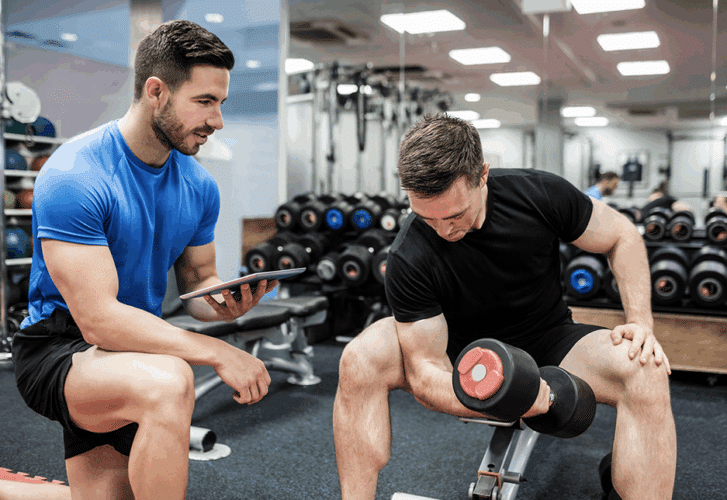
Your main job is to create personalized workout plans that fit each client’s goals and abilities. You’ll assess fitness levels, track progress, and adjust routines as needed to keep clients challenged but safe.
Motivating clients is crucial. You’ll need to inspire them on tough days and celebrate their wins to keep momentum going.
Safety is a top priority. Teaching correct exercise techniques and spotting potential risks helps prevent injuries.
- Designing customized fitness programs
- Conducting fitness assessments
- Monitoring client progress
- Providing motivation and support
- Ensuring safe exercise practices
- Educating about nutrition basics
Required Skills And Attributes
Strong communication skills are a must. You need to explain exercises clearly and listen carefully to understand client needs.
Patience plays a big role. Clients progress at different rates, and staying supportive helps build trust and commitment.
Being adaptable lets you handle various personalities and unexpected challenges during training sessions.
Physical stamina is important too; you’ll often demonstrate moves and stay active alongside clients.
| Skill/Attribute | Why It Matters |
|---|---|
| Communication | Clear instructions help clients perform exercises correctly and safely. |
| Patience | Clients progress at their own pace; patience keeps them motivated. |
| Adaptability | Adjusting plans and approach ensures you meet diverse client needs. |
| Physical Fitness | Demonstrating exercises requires good personal health and stamina. |
What qualities do you think are most important for a fitness trainer? Reflecting on your own strengths can help you understand if this path fits your personality and goals.

Credit: fitnessmentors.com
Educational Pathways
Choosing the right educational path is important to become a physical fitness trainer. Education builds the base needed to train others safely and effectively. It helps develop knowledge about body mechanics, nutrition, and exercise techniques. Various options exist to gain this education, each fitting different goals and timelines.
Degrees And Certifications
Degrees offer a strong foundation in exercise science and health. Common degrees include:
- Bachelor’s in Kinesiology
- Bachelor’s in Exercise Science
- Bachelor’s in Sports Medicine
These degrees teach anatomy, physiology, and training principles. They also prepare for advanced certifications.
Certifications are vital to prove skills and knowledge. Popular certifications include:
- Certified Personal Trainer (CPT)
- Certified Strength and Conditioning Specialist (CSCS)
- Group Fitness Instructor Certification
Certifications require passing exams and practical tests. They must be renewed regularly to stay valid.
Specialized Courses
Specialized courses help trainers focus on specific areas. These short courses improve skills in niche topics like:
- Nutrition for Fitness
- Rehabilitation Exercises
- Yoga and Pilates Instruction
- Sports Performance Training
These courses offer hands-on experience and current training methods. They enhance the ability to serve different client needs.
Gaining Practical Experience
Gaining practical experience is key to becoming a skilled physical fitness trainer. It helps build confidence and sharpens your skills. Hands-on work allows you to apply theory in real settings. It also helps you understand client needs better. Practical experience boosts your resume and opens doors to job opportunities.
Internships And Mentorship
Internships provide real-world training under professional guidance. You get to work with experienced trainers and learn daily routines. This experience teaches you how to create workout plans and track progress. Mentorship offers personalized advice and feedback to improve your skills. A mentor can help you avoid common mistakes and grow faster.
Volunteering Opportunities
Volunteering in gyms or community centers gives you valuable practice. You can assist with group classes or help individuals with exercises. Volunteering builds your network and shows your commitment to fitness. It also helps you gain experience working with different age groups. This variety improves your adaptability as a trainer.
Building A Personal Brand
Building a personal brand is vital for a physical fitness trainer. It helps you stand out in a crowded market. Your brand shows who you are and what clients can expect. It builds trust and attracts the right people.
A strong personal brand reflects your values, skills, and style. It makes your services memorable and creates loyalty. Focus on clear messages and consistent visuals. This creates a professional and approachable image.
Creating An Online Presence
A solid online presence boosts your visibility and credibility. Start with a professional website. Include your qualifications, services, and client testimonials.
Use social media platforms to share tips, workouts, and success stories. Post regularly to keep followers engaged. Quality content builds authority and trust.
- Choose platforms popular with your target audience
- Use high-quality photos and videos
- Engage with comments and messages
Optimize your profiles for search engines. Use keywords related to fitness training and location. This helps potential clients find you easily.
Networking Strategies
Networking connects you with other professionals and potential clients. Attend fitness events, workshops, and local meetups. Build relationships with gym owners and health experts.
Offer to collaborate on projects or events. This expands your reach and adds credibility. Join online fitness groups and forums to share advice and learn.
- Follow up with new contacts promptly
- Be genuine and helpful in conversations
- Keep your business cards or digital contact info ready
Strong networks lead to referrals and partnership opportunities. They help you grow your reputation in the fitness community.
Mastering Client Relationships
Building strong relationships with clients is key to success as a physical fitness trainer. Trust and understanding create a positive training environment. Clients feel motivated and supported when trainers connect well with them. This leads to better results and long-term loyalty. Focus on clear communication and personalized care to keep clients engaged and happy.
Effective Communication
Clear and simple communication helps clients understand their goals. Listen carefully to their needs and concerns. Use encouraging words to boost their confidence. Explain exercises step-by-step to avoid confusion. Regular feedback keeps clients informed about their progress. Open dialogue creates trust and keeps clients motivated.
Personalized Training Plans
Every client has unique fitness goals and abilities. Customize workouts to fit their needs and lifestyle. Adjust plans based on their progress and feedback. Include a variety of exercises to keep sessions interesting. Show clients you care by creating plans that suit them perfectly. Personalization makes clients feel valued and leads to better results.
Staying Updated With Industry Trends
Staying updated with industry trends is vital for any physical fitness trainer. The fitness world changes fast. New exercises, techniques, and research appear regularly. Keeping current helps trainers offer the best service and advice to clients. It also builds trust and shows professionalism. Constant learning keeps skills sharp and knowledge fresh.
Continuing Education
Continuing education keeps trainers informed about new fitness methods. Many organizations offer courses online or in person. These courses cover nutrition, exercise science, and injury prevention. Earning new certifications shows commitment to growth. It also improves a trainer’s ability to design effective programs. Lifelong learning helps trainers stay competitive in the market.
Attending Workshops And Conferences
Workshops and conferences provide hands-on learning and networking. Trainers meet experts and peers who share latest trends. These events often feature new tools and technologies. Attending helps trainers gain fresh ideas and motivation. It also opens doors to collaborations and career opportunities. Engaging in such events keeps trainers connected to the fitness community.
Navigating Business Aspects
Navigating the business side of becoming a physical fitness trainer is just as important as mastering the workouts. Your success depends not only on your skills but also on how well you manage your practice and reach your clients. This part focuses on building a solid foundation to help your fitness career grow sustainably.
Setting Up Your Own Practice
Starting your own practice means more than just finding a space to train clients. You need to think about legal requirements such as business registration, insurance, and liability waivers to protect yourself and your clients.
Choosing the right location can influence your client base. Consider accessibility, parking, and the vibe of the neighborhood. You don’t always need a large gym; a small studio or even outdoor sessions can work well depending on your target audience.
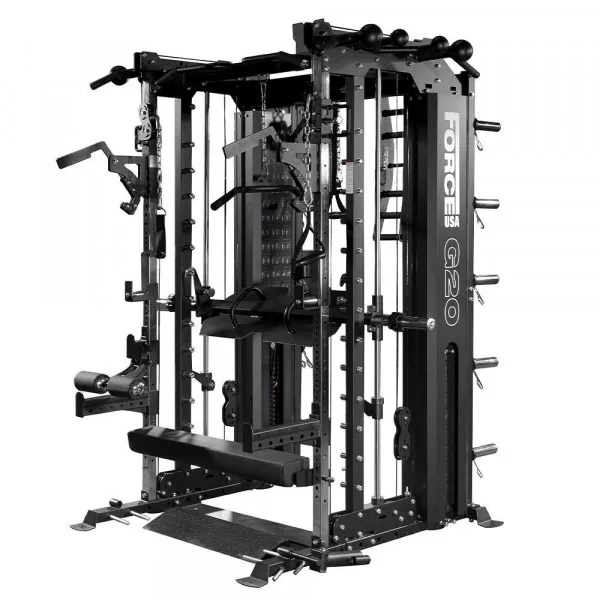
Investing in essential equipment is key, but don’t overspend on fancy machines initially. Focus on versatile tools like dumbbells, resistance bands, and mats. Keep your overhead costs low to stay financially flexible as you build your client list.
Marketing And Promotion Techniques
Getting your name out there requires smart marketing. Social media is a powerful tool—share client success stories, workout tips, and short videos to engage your audience. Consistency matters more than perfection when posting content.
Networking can open doors. Attend local fitness events, connect with health professionals, or partner with nearby wellness businesses to expand your reach. Have you considered offering free introductory sessions to attract first-time clients?
Word of mouth remains a strong promoter. Encourage satisfied clients to leave reviews and refer friends. Small incentives like discounted sessions can motivate referrals without breaking your budget.

Credit: www.origym.ie
Ensuring Long-term Success
Ensuring long-term success as a physical fitness trainer goes beyond just knowing exercises and routines. It requires a commitment to your own well-being and the ability to evolve with the needs of your clients and the industry. How you maintain your health and adapt to changes will shape your career and impact the lives you help transform.
Maintaining Physical And Mental Health
Your body is your most valuable tool as a fitness trainer. If you neglect your own physical health, it’s hard to motivate others or demonstrate proper techniques effectively.
Make time for regular workouts, balanced nutrition, and enough rest. Avoid burnout by scheduling breaks and managing stress through mindfulness or hobbies outside of work.
Remember, your energy and enthusiasm inspire clients. Ask yourself: Are you practicing what you preach? Clients trust trainers who visibly live a healthy lifestyle.
Adapting To Changing Needs
The fitness world is always evolving, with new trends, technology, and client expectations emerging regularly. Staying relevant means you must keep learning and be flexible.
Attend workshops, earn new certifications, and listen to your clients’ feedback to adjust your approach. For example, if more clients ask for virtual sessions, consider how to improve your online coaching skills.
Think about this: How can you anticipate changes before they arrive? Being proactive rather than reactive helps you maintain a strong reputation and a steady flow of clients.
Frequently Asked Questions
What Qualifications Are Needed To Become A Fitness Trainer?
A fitness trainer typically needs a high school diploma and certification from recognized bodies. Specialized courses in anatomy and nutrition enhance credibility. Continuous education helps stay updated with fitness trends and safety protocols.
How Long Does It Take To Become A Certified Trainer?
Certification programs usually take 3 to 6 months to complete. Some intensive courses may offer faster certification. Practical experience and exams are required to ensure skill competency and knowledge.
What Skills Are Essential For A Physical Fitness Trainer?
Key skills include communication, motivation, and understanding human anatomy. Trainers must design personalized workout plans and ensure client safety. Empathy and patience also help build strong client relationships.
Can I Become A Fitness Trainer Without A Degree?
Yes, a degree is not mandatory; certification is crucial. Hands-on experience and ongoing learning can substitute formal education. Many successful trainers build careers through certifications and practical expertise.
Conclusion
Becoming a physical fitness trainer takes time and effort. Start with learning the basics of exercise and health. Get certified through a trusted program to build your skills. Practice training others to gain real experience. Stay updated on new fitness trends and techniques.
Helping people improve their health feels rewarding. Keep a positive attitude and stay patient. Your journey will have challenges, but it is worth it. Take small steps every day toward your goal. Fitness training can become a fulfilling career for you.

Similar Posts