How Accurate are Fitness Trackers: Unveiling the Truth Today
Have you ever wondered if your fitness tracker is really telling the truth about your steps, heart rate, or calories burned? You rely on it every day to guide your workouts and track your progress.
But how accurate is it really? Knowing this can make a big difference in reaching your fitness goals. You’ll discover the surprising facts about fitness trackers and learn how much you can trust the data they give you. Keep reading to find out what your device might be missing—and how to get the most from it.
The Rise Of Fitness Trackers
Fitness trackers have become a common sight on wrists worldwide. Their rise reflects a growing interest in personal health and data-driven fitness. But how did these devices climb to such popularity, and what makes them more accurate today than ever before?
Popularity And Market Growth
Fitness trackers have moved beyond niche gadgets to mainstream essentials. More people want to monitor their steps, heart rate, and sleep patterns daily. This demand has pushed companies to produce affordable and stylish options.
Consider how many friends or coworkers you know wearing one. Chances are, you’ve noticed the trend yourself. The market’s value has skyrocketed, with millions of units sold annually worldwide.
- Brands like Fitbit, Garmin, and Apple dominate sales.
- Fitness tracking apps integrate seamlessly with these devices.
- Consumers appreciate real-time feedback on their health.
Technological Advancements
Technology behind fitness trackers has improved significantly. Early models measured only steps, but now they track a wide range of health metrics. Sensors have become more sensitive, offering better accuracy.
For example, optical heart rate sensors now use light to measure blood flow with impressive precision. GPS integration allows users to map their runs and cycling routes effortlessly.
Software updates also enhance data analysis and provide personalized recommendations. Have you noticed your tracker learning your habits and adjusting goals? This smart adaptation helps you stay motivated and informed.
Key Features Of Fitness Trackers
Fitness trackers come with several key features that help monitor health and activity. Each feature serves a unique purpose in tracking fitness levels and daily habits. Understanding these features helps evaluate how accurate these devices are.
Heart Rate Monitoring
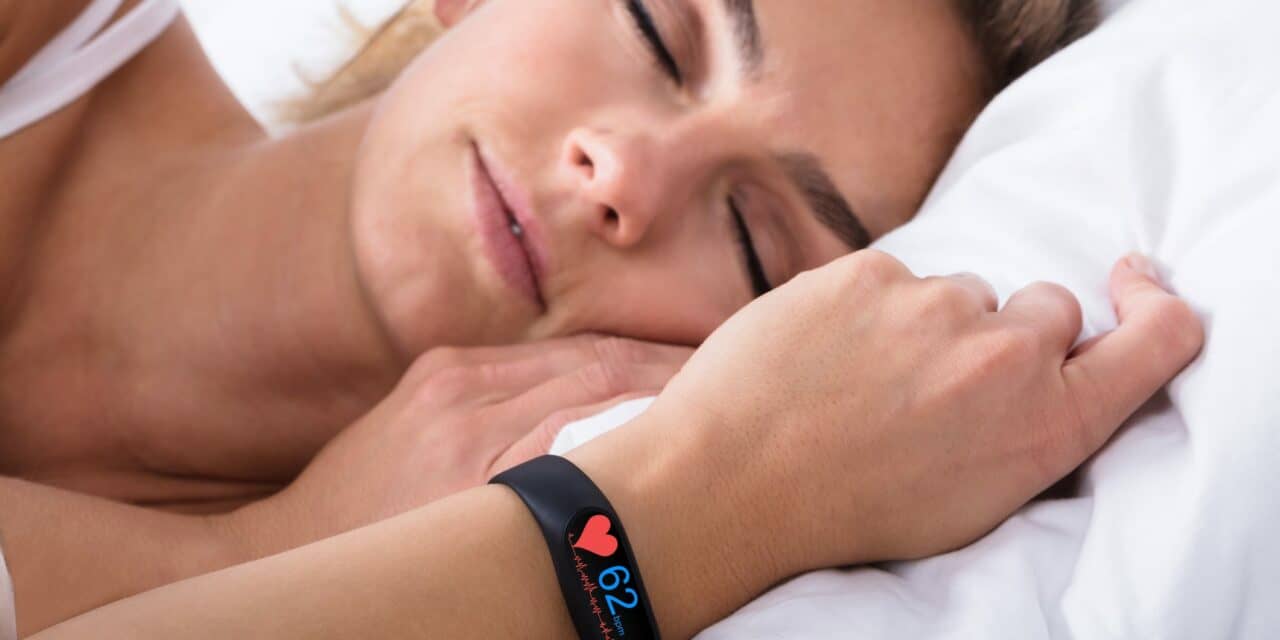
Heart rate monitoring measures your pulse throughout the day. It uses optical sensors to detect blood flow changes under the skin. This feature helps track exercise intensity and stress levels. Accuracy varies based on sensor quality and placement on the wrist. It works best during steady activities rather than sudden movements.
Step Counting
Step counting records the number of steps taken daily. It relies on accelerometers to detect motion patterns. This feature encourages users to stay active by setting step goals. Accuracy depends on walking style and device sensitivity. Sometimes, non-walking movements can register as steps, affecting precision.
Sleep Tracking
Sleep tracking monitors sleep duration and quality using motion and heart rate data. It identifies sleep phases such as light, deep, and REM sleep. This feature provides insights into rest patterns and overall health. Accuracy varies with how well the device detects subtle movements and heart rate changes. It may not match clinical sleep studies but offers useful trends.
Factors Affecting Accuracy
Understanding the factors that affect the accuracy of fitness trackers can help you get the most reliable data from your device. Accuracy isn’t just about the device itself; it also depends on how the technology works, how you use it, and where you wear it. Let’s break down these key influences so you can better trust your fitness data.
Sensor Technology
The heart of any fitness tracker is its sensor technology. Most use optical sensors to measure your heart rate by shining light through the skin and detecting blood flow. However, not all sensors are created equal—some use more advanced algorithms or better hardware, which can improve accuracy.
Keep in mind that cheaper models might cut corners on sensor quality, leading to less reliable readings. Have you noticed your heart rate suddenly jump during a calm moment? That’s often a sensor glitch or limitation in tracking complex movements.
User Error
Your own habits play a huge role in accuracy. If the tracker isn’t snug on your wrist or you forget to start a workout mode, the data can be off. Sweat, dirt, or skin tone can also impact sensor readings, making it harder for the device to get a clear signal.
Think about the last time you wore your tracker loosely during a run—did you get strange step counts or heart rate spikes? Small adjustments, like tightening the strap or cleaning the sensor, can make a big difference in your results.
Device Placement
Where you place your fitness tracker matters more than you might expect. Wearing it higher or lower on your wrist can change how well the sensors pick up your pulse. Some activities, like weightlifting or yoga, may require different placement to avoid false readings caused by muscle contractions or wrist angles.
Try experimenting with the position of your device during different workouts. Have you ever wondered why your step count is lower on days you wear the tracker on your non-dominant hand? Placement affects motion detection and overall accuracy more than most users realize.
Credit: sleepreviewmag.com
Comparing Different Brands
Fitness trackers vary in accuracy based on brand and technology. Comparing popular brands helps understand their strengths and weaknesses. Each brand uses different sensors and algorithms to measure steps, heart rate, and calories. These differences impact the precision of the data provided.
Apple Vs. Fitbit
Apple Watch uses advanced sensors with strong heart rate tracking. It pairs well with iPhones and offers detailed health insights. Fitbit devices focus on daily activity tracking with long battery life. Their step counting is usually precise, but heart rate may vary during intense workouts.
- Apple provides smooth integration with iOS devices.
- Fitbit offers a variety of models for all budgets.
- Apple tends to have higher accuracy in heart rate monitoring.
- Fitbit excels in sleep tracking and step counts.
Garmin Vs. Samsung
Garmin trackers are built for outdoor activities and sports. They use GPS and sensors that deliver reliable distance and pace data. Samsung’s Galaxy Fit and Watch offer good overall fitness tracking. Their heart rate sensors work well but may be less accurate than Garmin’s in extreme conditions.
- Garmin is ideal for runners and cyclists.
- Samsung offers a versatile experience with smart features.
- Garmin provides superior GPS accuracy.
- Samsung has a friendly user interface and good battery life.
Scientific Studies And Findings
Scientific studies reveal how fitness trackers perform in real-life tests. Researchers check accuracy in heart rate, steps, and sleep. These findings help users trust their devices and understand limits. Below are key insights from various research efforts.
Research On Heart Rate Accuracy
Many studies test fitness trackers’ heart rate sensors against medical devices. Results show trackers are mostly accurate during rest and light activities. Accuracy drops during intense workouts or irregular heart rhythms. Some devices use green LED lights, which work well on the wrist but can be affected by skin tone and movement. Overall, fitness trackers provide a good estimate but cannot replace medical-grade monitors.
Studies On Step Counting Precision
Step counters in fitness trackers use accelerometers to detect movement. Research finds that step counts are generally reliable during walking and running. Accuracy may vary with different walking speeds or when using stairs. Some trackers overcount steps during activities like driving or hand movements. Studies suggest users should view step counts as estimates rather than exact numbers.
Evaluations On Sleep Tracking
Sleep tracking is a popular feature in fitness devices. Studies compare tracker data with polysomnography, the sleep lab standard. Trackers do well in detecting sleep duration but struggle with sleep stages like deep or REM sleep. Movement-based tracking can misinterpret restless sleep or wakefulness. Sleep data from fitness trackers gives a helpful overview but lacks clinical precision.
Consumer Experiences
Consumer experiences reveal much about the real-world accuracy of fitness trackers. People rely on these devices daily, and their feedback helps us understand where trackers excel and where they fall short. Hearing from actual users sheds light on how these gadgets perform beyond lab tests and marketing claims.
User Testimonials
Many users appreciate how fitness trackers motivate them to move more. One runner shared that their tracker consistently recorded distance and pace closely matching their GPS watch during outdoor runs. This gave them confidence to push harder.
However, some users notice discrepancies during certain activities. A cyclist mentioned that the tracker underestimated calories burned because it struggled to detect cycling intensity accurately. Still, they found step counting and heart rate monitoring reliable for daily use.
Others find their devices helpful for tracking sleep patterns. A user with irregular sleep said the tracker’s data helped identify trends and improve rest quality. This shows fitness trackers can support lifestyle changes beyond exercise.
Common Complaints
- Inaccurate step counts:Some users report inflated or missed steps, especially when performing non-walking activities like pushing a shopping cart.
- Heart rate errors:Wrist-based sensors sometimes give inconsistent readings during high-intensity workouts or when the device fits loosely.
- Calorie estimates:Many find calorie burn numbers unreliable, as they vary widely between brands and models.
- Sleep tracking limitations:Devices occasionally mistake restlessness for wakefulness, leading to fragmented sleep reports.
Have you ever questioned your fitness tracker’s data after a tough workout or unusual day? Your personal experience might be the best gauge of how well these devices match your unique routine.
The Future Of Fitness Trackers
The future of fitness trackers looks promising as technology continues to evolve rapidly. These devices are becoming more than just step counters—they aim to provide deeper insights into your health and fitness. But how will these advancements affect accuracy and usefulness?
Emerging Technologies
New sensors and improved algorithms are being added to fitness trackers to enhance data precision. Optical heart rate sensors are getting better at reading through skin tones and movement, reducing errors during workouts.
Some trackers now include electrocardiogram (ECG) features, which can detect irregular heart rhythms. This level of detail was once only available in medical settings.
Other innovations involve integrating AI to analyze your activity patterns and predict health risks before symptoms appear. Imagine a tracker alerting you to early signs of fatigue or dehydration based on your unique data.
Potential Improvements
One key improvement is battery life, allowing you to wear your device continuously without frequent charging. Continuous wear means more accurate tracking of sleep and daily activity.
Data privacy and security are also becoming priorities. Future devices may give you better control over what health information you share and with whom.
Another potential upgrade is customization. Imagine a fitness tracker that adapts its feedback based on your goals, fitness level, and even mood. Wouldn’t that make your workouts more effective and engaging?

Credit: www.independent.co.uk

Credit: www.instagram.com
Frequently Asked Questions
How Accurate Are Fitness Trackers For Heart Rate?
Fitness trackers provide reasonably accurate heart rate readings during rest. Accuracy may decrease during intense workouts or rapid movements. Most use optical sensors that can be affected by skin tone and device fit. Overall, they offer useful estimates but are not medical-grade devices.
Can Fitness Trackers Accurately Count Daily Steps?
Yes, fitness trackers generally count daily steps accurately. They use accelerometers to detect motion and differentiate walking from other activities. However, accuracy can vary due to device placement and user movement style. They provide reliable step counts for general fitness monitoring.
Do Fitness Trackers Measure Calories Burned Precisely?
Fitness trackers estimate calories burned based on heart rate and movement data. These estimates are approximate and can vary by individual factors like metabolism and body composition. While useful for tracking trends, calorie counts are not perfectly precise and should be viewed as general guidance.
Are Fitness Trackers Reliable For Sleep Tracking?
Fitness trackers track sleep by monitoring movement and heart rate patterns. They can estimate sleep duration and quality fairly well. However, they may not detect all sleep stages accurately compared to clinical sleep studies. They are helpful tools for identifying sleep habits and trends.
Conclusion
Fitness trackers provide useful insights but are not perfectly accurate. Small errors can happen with steps, heart rate, or calories. Use the data as a helpful guide, not a strict rule. Personal habits and device type affect results. Keep realistic expectations for your fitness journey.
Track progress over time to see real changes. Trust your body’s signals along with the tracker. Stay active and consistent for best health results. Simple tools, steady effort—both matter most.

Similar Posts