What Sports Burn the Most Calories: Top High-Calorie Burners Revealed
Are you looking to shed some extra calories but want to make every minute count? Choosing the right sport can make a huge difference in how quickly you burn energy and reach your goals.
Imagine getting fit while having fun, pushing your limits, and feeling energized. You’ll discover which sports burn the most calories and why they work so well. Ready to find out which activities can help you burn fat faster and enjoy every workout?
Keep reading—you might be surprised by what tops the list!
High-calorie Sports
High-calorie sports demand intense physical effort. These sports burn a large number of calories quickly. They combine speed, strength, and endurance. Many athletes choose these sports to improve fitness fast. Understanding which sports burn the most calories helps plan workouts and weight loss strategies.
Importance Of Calorie Burning
Burning calories is key to managing weight. It helps reduce body fat and improve health. Sports that burn many calories also boost heart health. They increase metabolism and build muscle. Regular calorie burn supports energy balance and vitality.
Choosing high-calorie sports can speed up fitness goals. They push the body and burn more energy. This leads to better stamina and strength over time.
Factors Affecting Calorie Burn
Calorie burn depends on several factors. Body weight plays a big role. Heavier people burn more calories doing the same activity. Exercise intensity also matters. Higher intensity means more calories burned.
Duration of activity affects total calories used. Longer sessions burn more calories. Age and fitness level influence calorie needs too. Younger, fitter people often burn calories faster.
Type of sport changes calorie burn. Running, swimming, and cycling burn calories differently. Muscle groups used and movement speed matter.

Credit: sports.yahoo.com
Running
Running is one of the most effective ways to burn calories. It uses large muscle groups and raises your heart rate quickly. Both distance and sprint running offer unique benefits for calorie burning.
Distance Running
Distance running means running for a long time at a steady pace. It improves endurance and burns calories steadily. You can burn about 600 to 800 calories per hour running at a moderate speed.
Distance running helps your body use fat as fuel. It also boosts your metabolism for hours after running. Many runners enjoy the rhythm and steady effort of distance runs.
Sprint Running
Sprint running involves short bursts of very fast running. It burns calories quickly and builds muscle strength. A 30-second sprint can burn as many calories as several minutes of slow jogging.
Sprints increase your heart rate quickly and keep it high after exercise. This effect is called excess post-exercise oxygen consumption (EPOC). It means you keep burning calories even after you stop running.
Cycling
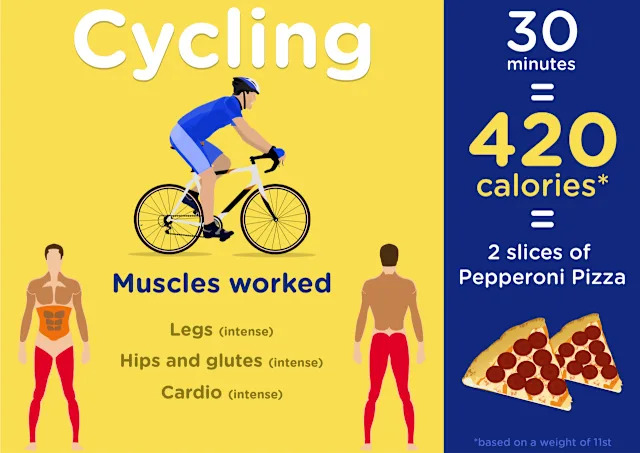
Cycling is a popular activity that burns many calories. It combines fun with fitness and suits many skill levels. Different types of cycling can affect calorie burn differently. Let’s explore two main types: road cycling and mountain biking.
Road Cycling
Road cycling involves riding on paved surfaces like streets and bike paths. It is often steady and can last for long distances. The calorie burn depends on speed, terrain, and rider weight. On average, a person can burn 400 to 1000 calories per hour. Faster speeds and hills increase calorie use. Road cycling also improves heart health and leg strength.
Mountain Biking
Mountain biking takes place on rough, uneven trails. It requires more effort due to obstacles and steep climbs. This type of cycling burns more calories than road cycling. Riders can burn 500 to 1200 calories per hour. Mountain biking builds endurance, balance, and core strength. It also offers a thrilling outdoor experience.
Swimming
Swimming is one of the best sports for burning calories. It uses almost every muscle in your body. The water’s resistance makes your body work harder. This leads to higher calorie burn compared to many other exercises. Swimming also improves cardiovascular health and builds endurance. Different strokes burn calories at different rates.
Freestyle Swimming
Freestyle is the fastest and most common swimming stroke. It involves alternating arm movements with a flutter kick. This stroke engages the arms, legs, and core muscles intensely. Freestyle can burn about 500 to 700 calories per hour. Your speed and effort level affect the exact calorie burn. It is great for building stamina and strength.
Butterfly Stroke
The butterfly stroke is one of the hardest swimming styles. Both arms move together in a circular motion. The legs perform a dolphin kick, requiring strong core muscles. Butterfly burns more calories than most strokes. It can burn up to 800 calories per hour. This stroke improves muscle power and cardiovascular fitness quickly.
Rowing
Rowing is a powerful sport that works the whole body. It builds strength and burns many calories fast. The continuous motion engages legs, core, and arms. This makes rowing one of the best calorie-burning exercises.
Indoor Rowing
Indoor rowing uses a machine called a rowing ergometer. It simulates the rowing movement on water. This workout is low-impact and easy on the joints. You can control the intensity to burn more calories.
- Burns about 400-600 calories per hour
- Improves cardiovascular fitness
- Strengthens muscles evenly
- Great for all fitness levels
Outdoor Rowing
Outdoor rowing takes place on rivers, lakes, or the sea. The natural resistance of water makes the workout harder. Weather and water conditions add extra challenge. Outdoor rowing burns calories quickly and improves endurance.
- Burns 600-1,000 calories per hour
- Engages stabilizing muscles
- Enhances balance and coordination
- Offers fresh air and scenic views
Boxing
Boxing stands out as one of the most effective sports for burning calories. It demands a combination of strength, speed, and endurance that pushes your body to the limit. Whether you’re throwing punches or dodging blows, every movement torches energy rapidly.
Sparring Sessions
Sparring is more than just practice; it’s a high-intensity workout that can burn up to 700 calories in an hour. During sparring, you engage multiple muscle groups while maintaining constant movement. This not only improves your cardiovascular health but also boosts your calorie burn significantly.
Have you noticed how quickly your heart rate spikes when you’re in the ring? That’s your body working hard to keep up with the fast pace. To maximize calorie burn during sparring, focus on maintaining a steady rhythm of punches, footwork, and defense.
Heavy Bag Workouts
Hitting the heavy bag is a powerful way to shed calories and build muscle simultaneously. You can burn around 600 to 800 calories per hour depending on your intensity. Each powerful punch requires energy, and the constant movement keeps your metabolism revved up.
Try mixing up your heavy bag routine with combinations of jabs, hooks, and uppercuts. This variety challenges different muscles and prevents your workout from becoming monotonous. Plus, the rhythmic nature of bag work can help you focus and improve your technique, making your calorie burn even more efficient.
Team Sports
Team sports offer more than just fun and camaraderie—they push your body to burn calories effectively through constant movement and quick bursts of energy. Playing with others keeps you motivated, making it easier to stay active for longer periods. You might be surprised how much energy you actually expend when you’re focused on the game rather than the workout.
Soccer
Soccer demands continuous running, sprinting, and quick changes in direction. Players often cover 7 to 9 miles in a single match, which means your calorie burn adds up quickly. Depending on your weight and intensity, you can burn between 500 to 900 calories per hour.
What’s interesting is how soccer blends aerobic and anaerobic exercise, challenging both your endurance and power. If you’ve ever played, you know the rush of chasing the ball nonstop—it’s a serious workout disguised as a game.
Basketball
Basketball keeps you moving with jumps, sprints, and rapid direction shifts. These actions boost your heart rate and burn between 600 to 900 calories an hour, depending on how aggressively you play. The stop-and-go nature means your body works hard to recover and then explode into action again.
Think about your last game—did you notice your legs burning and your heart pounding? That’s your body torching calories while you focus on scoring points and defending. It’s a powerful way to stay fit without feeling like exercise.

Credit: sports.yahoo.com
Dance
Dance is a lively and enjoyable way to burn calories. It combines movement, rhythm, and music to keep your body active. Different dance styles burn calories at various rates. Dancing improves your balance, strength, and flexibility too. It does not feel like exercise but works your muscles hard.
Zumba
Zumba mixes Latin music with easy dance moves. It is fast-paced and keeps you moving without stopping. A typical Zumba session can burn between 400 and 600 calories per hour. The steps include jumping, twisting, and turning, which boost your heart rate. Zumba is great for all fitness levels and helps improve coordination.
Ballet
Ballet looks graceful but is physically demanding. It requires strong muscles and precise movements. Ballet burns around 300 to 400 calories per hour. Holding poses and moving smoothly builds strength and endurance. It also improves posture and balance while toning your body. Ballet is a full-body workout that shapes your muscles beautifully.
Martial Arts
Martial arts are a powerful way to burn calories fast. They combine strength, speed, and skill. Each session challenges your body and mind. Martial arts improve fitness and help shed fat. The intensity varies with style and training level. Let’s explore how kickboxing and judo burn calories.
Kickboxing
Kickboxing is a fast-paced workout. It mixes punches, kicks, and footwork. Every move engages multiple muscle groups. You burn about 600 to 900 calories per hour. The high-intensity intervals boost your heart rate quickly. This sport builds strength, agility, and endurance. It also improves coordination and balance.
Judo
Judo focuses on throws and grappling techniques. It requires strength and technique to control opponents. This martial art burns around 700 calories per hour. The physical effort is steady and demanding. Judo improves muscle tone and cardiovascular health. It also enhances flexibility and mental toughness.
Crossfit
CrossFit is a dynamic fitness program that blends various exercises to keep your body constantly challenged. It pushes you beyond typical workouts by mixing cardio, strength, and flexibility training. If you want to burn a high number of calories while building overall fitness, CrossFit can be a game-changer.
High-intensity Workouts
CrossFit workouts often involve short bursts of intense activity followed by brief rest periods. This high-intensity approach skyrockets your calorie burn both during and after exercise.
Imagine sprinting, jumping, and lifting in rapid succession for 20 minutes straight. Your heart rate stays elevated, and your metabolism stays revved up long after you finish. This means you keep burning calories even while resting.
Have you noticed how your energy feels different after a CrossFit session? That’s your body working hard to recover and rebuild, which costs extra energy.
Strength Training
Strength training is a core part of CrossFit, using weights, kettlebells, and bodyweight exercises to build muscle. More muscle means a faster metabolism, so you burn more calories even when you’re not exercising.
CrossFit’s varied routines prevent your body from adapting, so you keep making progress. Lifting heavy weights in short, intense sets challenges your muscles in new ways, increasing calorie burn.
Think about how you feel stronger and more energized after a few weeks of CrossFit. That strength gain doesn’t just improve your fitness; it helps you burn fat more efficiently over time.

Credit: asitisnutrition.com
Frequently Asked Questions
Which Sport Burns The Most Calories Per Hour?
Running and swimming are among the top calorie-burning sports. Running can burn up to 600-900 calories per hour. Swimming engages multiple muscle groups, burning around 500-700 calories. Intensity and body weight affect exact calorie burn rates.
How Does Intensity Affect Calorie Burn In Sports?
Higher intensity increases heart rate and energy use, boosting calorie burn. Sprinting or high-intensity interval training in sports burns more calories. Moderate intensity sports burn fewer calories but are easier to sustain longer.
Are Team Sports Effective For Burning Calories?
Yes, team sports like soccer and basketball provide high-intensity bursts. These activities combine cardio and strength, burning 500-800 calories per hour. The competitive nature also motivates consistent movement and calorie expenditure.
Does Body Weight Impact Calories Burned In Sports?
Yes, heavier individuals burn more calories doing the same activity. Muscle mass and metabolism also influence calorie burn. Calorie estimates vary, so personal factors should be considered for accuracy.
Conclusion
Sports that burn the most calories help you stay fit and healthy. Running, swimming, and cycling top the list for high calorie burn. These activities also boost your heart and lungs. Choosing a sport you enjoy keeps you active longer.
Remember, regular exercise supports weight control and energy. Try different sports to find what suits you best. Keep moving and make exercise part of your daily life. Your body will thank you for the effort.

Similar Posts