What is the Healthiest Sport: Top Choices for Ultimate Fitness
Are you looking for a sport that not only keeps you active but also boosts your overall health? Choosing the healthiest sport can make a huge difference in how you feel every day.
Whether you want to improve your heart, build strength, or reduce stress, the right sport can help you achieve your goals faster. You’ll discover which sport stands out as the healthiest and why it might be the perfect fit for your lifestyle.
Keep reading to find out how you can take your health to the next level through the power of sport.
Criteria For A Healthy Sport
Choosing the healthiest sport involves more than just burning calories. You need to consider how the activity supports your body, mind, and connections with others. These criteria help you find a sport that fits your lifestyle and boosts your overall well-being.
Physical Benefits
Look for sports that improve strength, flexibility, and cardiovascular health simultaneously. Activities like swimming and cycling work multiple muscle groups without overloading your joints.
Have you noticed how some sports leave you energized rather than exhausted? That’s a sign they align well with your body’s needs. Consistent physical benefits mean better endurance and less injury risk over time.
Mental Well-being
Healthy sports should reduce stress and enhance focus. Yoga, for example, combines movement with mindfulness, helping you clear your mind and improve concentration.
Ask yourself: Does this sport lift your mood after playing? If it boosts your confidence and lowers anxiety, it’s supporting your mental health effectively.
Social Interaction
Engaging with others during sport adds a valuable layer to your health. Team sports like soccer or basketball encourage communication, trust, and camaraderie.
Think about how much you enjoy the social side of your sport. Positive interactions can motivate you to stick with the activity and enrich your sense of belonging.

Credit: www.instagram.com
Swimming
Swimming is a popular sport that many people enjoy. It is simple and suits all ages. This sport helps the body stay fit and healthy. Water supports the body, making movement easier. Swimming also feels refreshing and fun.
Full Body Workout
Swimming uses almost all muscles in the body. Arms, legs, back, and core work together. Each stroke moves different muscle groups. This leads to better strength and tone. It builds endurance and flexibility too. Swimming helps balance muscle use evenly.
Low Impact Exercise
Water reduces pressure on joints and bones. This makes swimming gentle for the body. People with injuries or arthritis can swim safely. It lowers risk of pain or damage. Swimming allows longer exercise without strain. It suits people of different fitness levels.
Cardiovascular Health
Swimming raises heart rate and improves blood flow. This strengthens the heart and lungs. Regular swimming helps lower blood pressure. It reduces risk of heart disease and stroke. The sport also helps control weight. A healthy heart supports overall well-being.
Cycling
Cycling stands out as one of the healthiest sports to engage in. It suits people of all ages and fitness levels. This activity improves the heart, lungs, and muscles without straining the body. Its low impact nature makes it easy to maintain for a long time. Cycling also offers a fun way to stay active and explore the surroundings.
Endurance Building
Cycling helps increase stamina steadily. It trains the heart and lungs to work better. Regular rides improve energy levels throughout the day. This sport strengthens leg muscles and boosts overall fitness. Riders often notice better endurance in daily tasks and other sports.
Joint-friendly Activity
Cycling is gentle on the joints compared to running. It puts less pressure on knees and hips. The smooth circular motion protects cartilage from damage. People with joint pain or arthritis can enjoy cycling safely. This makes cycling a smart choice for long-term health.
Outdoor Exploration
Cycling encourages spending time in nature. It offers fresh air and beautiful views. Riding outside reduces stress and lifts the mood. Exploring parks, trails, or quiet streets adds excitement. Outdoor cycling connects exercise with adventure and relaxation.
Running
Running is a popular sport that many people enjoy. It requires no special equipment and can be done almost anywhere. Running helps improve physical health and supports mental well-being. It suits beginners and experienced athletes alike. Many choose running to stay fit and clear their minds.
Cardio Boost
Running strengthens the heart and lungs. It improves blood flow and raises stamina. Regular running lowers the risk of heart disease. It helps burn calories and controls weight. The heart becomes more efficient with consistent training.
Mental Clarity
Running clears the mind and reduces stress. It releases chemicals that boost mood and focus. Many runners feel calmer after a session. It can help fight anxiety and depression. Running offers time for reflection and peace.
Accessibility
- No gym needed. Just a pair of shoes.
- Can be done in parks, streets, or trails.
- Flexible timing – morning, afternoon, or night.
- Suitable for all ages and fitness levels.
- Easy to start with short distances.
Yoga
Yoga is a popular sport that combines physical poses with breathing exercises. It suits people of all ages and fitness levels. Practicing yoga regularly can bring many health benefits.
Yoga focuses on slow, controlled movements that help the body and mind. It encourages relaxation and strength at the same time. This balance makes yoga one of the healthiest sports to try.
Flexibility Improvement
Yoga stretches muscles gently and deeply. This helps increase the range of motion in joints. Over time, flexibility improves, reducing the risk of injuries. Simple poses target different muscle groups for overall flexibility. Regular practice keeps the body limber and agile.
Stress Reduction
Yoga calms the mind by focusing on breathing and movement. It lowers stress hormones and helps relax the nervous system. Many people feel less anxious after a yoga session. This sport teaches how to stay calm in daily life. Stress relief improves both mental and physical health.
Mind-body Connection
Yoga builds awareness of how the body moves and feels. It connects breath with motion in a mindful way. This connection promotes better posture and body control. People become more aware of tension and learn to release it. Mind-body awareness supports long-term health and well-being.
Tennis
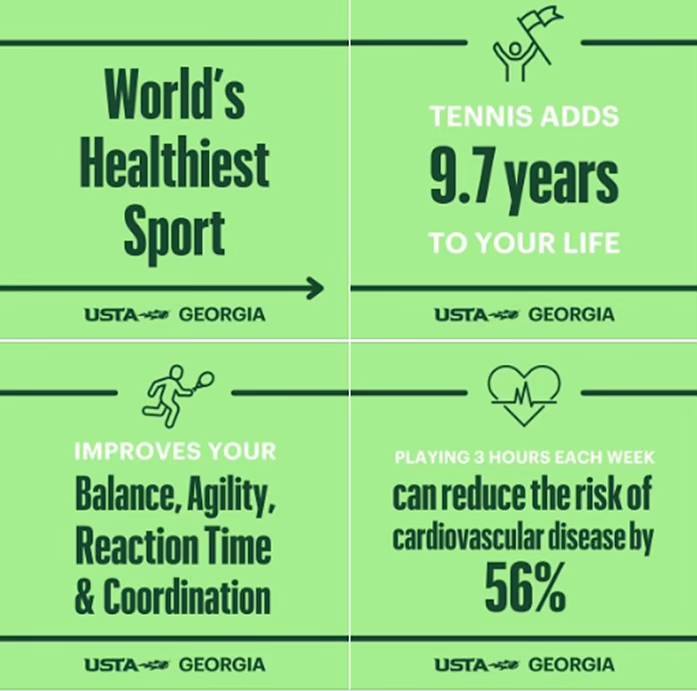
Tennis is a popular sport enjoyed by people of all ages. It combines physical activity with mental focus. Playing tennis regularly helps improve overall health. The sport challenges the body and mind in many ways. It offers a fun way to stay fit and active.
Agility Enhancement
Tennis requires quick movements and fast reactions. Players constantly change direction to reach the ball. This helps improve balance and coordination. Agility training in tennis boosts muscle strength and flexibility. It enhances overall body control and speed.
Social Engagement
Tennis is often played with others, encouraging social interaction. It helps build friendships and teamwork skills. Playing doubles promotes communication and cooperation. Social engagement through tennis supports mental health and reduces stress. It creates a positive and supportive environment.
Competitive Spirit
Tennis encourages healthy competition and goal setting. Players develop focus and discipline through matches. Competition builds confidence and resilience. It teaches how to handle wins and losses gracefully. This spirit motivates players to improve continuously.
Martial Arts
Martial arts offer a unique blend of physical and mental benefits that few other sports can match. They challenge your body and mind simultaneously, making them an excellent choice if you’re looking for a healthy and engaging activity. Whether you practice karate, judo, taekwondo, or Brazilian jiu-jitsu, martial arts can transform your health in surprising ways.
Strength And Conditioning
Martial arts demand more than just technique; they build real strength and endurance. Training sessions often include bodyweight exercises like push-ups, squats, and planks that improve muscle tone and cardiovascular health. You don’t need a gym membership to get stronger—just consistent practice and dedication.
Have you noticed how your energy levels increase after a few weeks of training? That’s your body adapting and growing stronger. Plus, the dynamic movements improve flexibility and balance, reducing the risk of injuries in daily life.
Discipline And Focus
One of the most powerful benefits of martial arts is how they sharpen your mind. You learn to concentrate deeply on your movements and react quickly to opponents or challenges. This kind of mental discipline often spills over into other areas of life, helping you stay focused at work or school.
Think about the last time you struggled to stay attentive. Martial arts training teaches you to control your mind and stay present. It’s like a mental workout that enhances your ability to manage stress and distractions.
Self-defense Skills
Martial arts equip you with practical skills to protect yourself in real situations. Knowing how to defend yourself builds confidence and reduces fear in everyday life. This sense of security can improve your overall well-being and encourage you to be more active outdoors or in social settings.
Have you ever wondered how much safer you’d feel walking alone at night with self-defense skills under your belt? Beyond physical techniques, martial arts teach awareness and how to avoid danger altogether.

Credit: www.iuemag.com
Rowing
Rowing is more than just a sport; it’s a full-body workout that pushes both your mind and muscles. Whether you’re gliding across calm waters or powering through rough waves, rowing demands precision, strength, and stamina. This blend of physical and mental challenges makes rowing a top contender for the healthiest sport.
Team Coordination
Rowing requires every team member to move in perfect harmony. If even one person is out of sync, the boat’s speed and balance suffer. This need for seamless coordination sharpens your ability to work closely with others, boosting communication skills and trust.
Have you ever noticed how rowers seem to anticipate each other’s moves? That’s the power of constant practice and shared focus. This teamwork element makes rowing unique—you’re not just exercising your body, but also your social and cooperative skills.
Core Strengthening
Your core is the powerhouse during rowing. Each stroke engages your abs, lower back, and hips to stabilize your body and generate force. Over time, this builds a strong, balanced core that supports better posture and reduces injury risks.
Think about how many everyday activities rely on core strength—lifting, twisting, even sitting properly. Rowing makes this essential muscle group stronger without putting strain on your joints. It’s a smart way to develop functional fitness that lasts.
Endurance Challenge
Rowing pushes your cardiovascular system to improve endurance steadily. Long sessions on the water or machine build your heart and lung capacity while burning calories. This endurance training helps you feel more energetic throughout your day.
What’s impressive is how rowing balances intensity with rhythm. Your body learns to sustain effort over time, teaching you patience and persistence. Could this be the kind of challenge your fitness routine needs to keep you motivated?
Factors To Consider
Choosing the healthiest sport isn’t as simple as picking the one that burns the most calories or builds the most muscle. Several factors affect how beneficial a sport can be for your health. Understanding these can help you find an activity that not only improves your fitness but also fits your unique needs and keeps you motivated.
Personal Preferences
Your enjoyment of a sport plays a huge role in sticking with it. If you don’t like running, forcing yourself to jog every day will feel like a chore rather than a health boost. Think about what excites you—team sports, solo activities, outdoor or indoor options—and let your preferences guide your choice.
Ask yourself: Do you prefer a competitive environment or a relaxed pace? Do you like social interaction or quiet focus? Your answers will help you pick a sport that feels less like work and more like fun.
Physical Limitations
Health conditions or injuries can limit which sports are safe and effective for you. High-impact sports might worsen joint pain, while low-impact activities like swimming or cycling can offer great cardio without strain.
Consider your body’s signals carefully. Have you experienced discomfort during certain movements? Consulting with a healthcare professional can help you avoid sports that might cause harm and find alternatives that support your health goals.
Lifestyle Compatibility
Your daily schedule and environment affect how easily you can stick to a sport. Some sports require special facilities or equipment, while others need minimal gear and can be done almost anywhere.
Think about your available time, access to locations, and budget. Can you fit in a quick yoga session at home, or do you prefer joining a weekend basketball league? Finding a sport that fits smoothly into your life increases the chances you’ll keep at it long term.
Credit: www.facebook.com
Frequently Asked Questions
What Makes A Sport The Healthiest To Play?
A sport is healthiest when it improves cardiovascular fitness, strength, flexibility, and mental well-being. It should also have low injury risk and promote long-term health benefits.
Which Sport Burns The Most Calories Effectively?
Running and swimming are top calorie-burning sports. They engage multiple muscle groups and increase heart rate, helping burn calories efficiently.
How Does Playing Sports Benefit Mental Health?
Sports reduce stress, improve mood, and boost self-esteem. Physical activity releases endorphins, enhancing overall mental well-being and reducing anxiety.
Is Low-impact Sports Better For Joint Health?
Yes, low-impact sports like swimming or cycling reduce joint strain. They are ideal for those with arthritis or joint issues.
Conclusion
Choosing the healthiest sport depends on your body and goals. Sports like swimming, running, and cycling build strength and endurance. They also improve heart health and boost mood. Playing regularly helps keep your body active and fit. Remember, the best sport is one you enjoy doing.
Enjoyment keeps you motivated to stay healthy longer. Start with simple activities and grow from there. Your health benefits when you move and have fun. Stay active and feel better every day!