How to Draw Sports: Easy Steps to Master Dynamic Athletic Art
Do you want to bring the energy and excitement of sports to life on your paper? Learning how to draw sports scenes can be a fun and rewarding way to express your passion and creativity.
Whether you’re sketching a powerful athlete in action or capturing the thrill of a game, this guide will help you turn your ideas into dynamic drawings. Keep reading, and you’ll discover simple steps and tips that make drawing sports easier than you ever thought.
Get ready to amaze yourself with what you can create!
Materials And Tools
Choosing the right materials and tools is key to drawing sports scenes well. Quality supplies make the process easier and the results better. Knowing what to use helps capture movement and energy in your sketches. Simple tools can create dynamic sports images with practice and patience.
Choosing The Right Paper
Paper affects how your drawing looks and feels. Smooth paper works well for fine lines and detailed sketches. Rough paper adds texture and suits charcoal or pastel drawings. Choose thicker paper if you plan to use wet media like ink or markers. A sketchbook with good-quality paper helps keep your drawings neat. Try different papers to see which fits your style best.
Essential Drawing Utensils
Basic drawing tools help bring sports scenes to life. Pencils are versatile for sketching and shading. Use a range of pencils from hard (H) to soft (B) for different effects. Erasers are important for correcting mistakes and adding highlights. Blending tools like tortillons smooth shading and create depth. Pens and markers add bold lines and contrast. A ruler helps with drawing straight lines and proportions.

Credit: www.freepik.com
Understanding Anatomy
Understanding anatomy is essential when you draw sports figures. It helps you capture the energy and movement in each pose. Without a solid grasp of the body’s structure, your drawings might look stiff or unnatural.
Basic Human Anatomy
Start by learning the main parts of the body: the head, torso, arms, and legs. Notice how these sections connect and move together. Even a simple stick-figure sketch can improve once you understand these connections.
Pay special attention to the proportions. For example, the average adult body is about seven to eight heads tall. Knowing this helps you avoid common mistakes like making limbs too long or too short.
Try drawing the skeleton underneath your sports figures. It’s the foundation that supports all movement. Once you see how bones align, you’ll find it easier to position limbs correctly.
Muscle Structure In Motion
Muscles change shape when the body moves, and capturing this makes your drawings realistic. For instance, a sprinter’s arm muscles look different at the start of a race compared to when they’re fully extended.
Focus on the major muscle groups used in sports: biceps, triceps, quadriceps, and calves. Notice how these muscles flex and stretch during different actions like running, jumping, or throwing.
- Observe athletes in action or use video references.
- Sketch muscles as simple shapes before adding details.
- Use shading to show muscle tension and depth.
Have you ever wondered why some sports drawings feel lifeless? Often, it’s because the muscles don’t reflect the actual effort the athlete is putting in. Adjust your lines and shadows to show force and movement.
Capturing Movement
Capturing movement in sports drawing challenges you to freeze a split second of dynamic action. It’s not just about showing what an athlete looks like but making your viewer feel the energy and momentum. You want your drawing to tell a story of motion, not just a pose.
Gesture Drawing Techniques
Gesture drawing helps you catch the essence of movement quickly. Focus on fluid lines that represent the athlete’s overall action rather than details. Use loose, sweeping strokes to map out the body’s flow and direction.
Try setting a timer for 30 seconds to 2 minutes per sketch. This forces you to prioritize motion over precision. You’ll notice your drawings become more lively and expressive as you practice.
- Start with a simple line of action that runs through the figure’s spine.
- Build basic shapes around this line to suggest limbs and torso.
- Avoid fixing mistakes—each line should add energy.
Have you ever watched athletes and felt their speed? Gesture drawing teaches you to translate that feeling onto paper.
Conveying Speed And Motion
Lines can do more than outline shapes; they can show velocity. Use directional lines and blurs to suggest rapid movement. These visual cues trick the eye into sensing motion.
Consider the posture of a sprinter leaning forward or a basketball player mid-jump. Their body angles tell you where they’re headed and how fast. Emphasize these angles with sharper lines and stretched forms.
- Add motion lines trailing behind limbs or equipment.
- Blur edges slightly to give the impression of speed.
- Use contrast—darker, sharper foreground elements against softer backgrounds.
What’s happening just outside the frame? Sometimes suggesting space beyond your drawing can enhance the sense of action within it.

Credit: www.dreamstime.com
Depicting Sports Equipment
Depicting sports equipment accurately adds realism and energy to your drawings. Sports gear defines the activity and tells a story about the player. Each item has unique shapes and details that bring the scene to life. Focus on simple forms first, then add texture and highlights.
Observe the way light hits the surfaces. Notice how shadows create depth. Small details like seams or grip patterns make a big difference. Highlight the equipment’s function and motion to capture the essence of the sport.
Drawing Balls And Rackets
Start with basic shapes for balls: circles or ovals. Add lines to show seams or panels. For example, a soccer ball has pentagon and hexagon patterns. A basketball has curved lines that wrap around the ball’s surface.
Rackets have a frame, strings, and a handle. Draw the outline first. Use thin, curved lines to show the strings in a grid pattern. Make the handle slightly thicker and add texture for grip. Keep proportions accurate to avoid distortion.
Incorporating Uniforms And Accessories
Uniforms show team identity and player role. Use simple shapes to block out jerseys, shorts, and shoes. Add folds and creases to show movement. Use clear colors or patterns to match the sport’s style.
Accessories like helmets, gloves, and wristbands add detail. Draw helmets with smooth curves and face guards. Gloves should fit the hand shape and show fingers. Wristbands and socks add small touches that complete the look.
Creating Dynamic Compositions
Creating dynamic compositions is key to making your sports drawings come alive. It’s about arranging elements so the viewer’s eye moves naturally across the artwork. This keeps your drawing engaging and full of energy, just like the sport itself.
Balancing Elements
Balance doesn’t mean everything has to be symmetrical. Instead, aim for visual weight that feels even across the page. You can place a large figure on one side and balance it with smaller details or action lines on the other.
Think about the contrast between stillness and motion. If one part of your drawing is very detailed, give the opposite side simpler shapes or empty space. This contrast helps focus attention where you want it.
Ask yourself: does every part of the composition support the main action? If not, trim or adjust those elements until they do.
Using Perspective And Depth
Perspective adds realism and excitement to your sports scenes. Placing figures at different distances creates depth that pulls viewers into the moment. Try sketching players closer to the viewer larger and those farther away smaller.
Don’t forget the background. Using lines that converge toward a vanishing point can guide the eye and suggest speed or direction. For example, a running track or basketball court lines can lead the viewer’s gaze.
Layering is another way to add depth. Overlap players or objects slightly to show who’s in front and who’s behind. This creates a three-dimensional feel that makes your drawing pop off the page.

Credit: www.youtube.com
Adding Details And Texture
Adding details and texture brings life to sports drawings. It makes them appear more real and dynamic. Details focus on small elements like clothing folds, equipment, and facial expressions. Texture gives a sense of material and surface, like roughness of a ball or smooth skin. Together, they create a vivid and interesting image that captures the energy of sports.
Highlighting Details
Start by observing the sports subject carefully. Notice tiny features like wrinkles on the jersey or the grip on a racket. Use thin lines to mark these details without overcrowding the drawing. Highlight important parts such as logos, stitches, or shoe laces. These small touches make your drawing authentic and unique.
Using Shading And Textures
Shading helps show light and shadow, adding depth to your drawing. Use soft strokes to create smooth skin or hard strokes for rough surfaces. Textures can be shown by varying your pencil pressure or using different tools. For example:
- Cross-hatching for fabric folds
- Dots for gritty surfaces like sand or turf
- Short lines to mimic hair or grass
Blending shades carefully brings a three-dimensional feel. It makes muscles, equipment, and backgrounds pop out. Texture and shading work together to give your sports drawing a realistic touch.
Exploring Different Sports
Exploring different sports in drawing helps capture unique movements and emotions. Each sport has distinct postures and equipment that add character. Understanding these details makes your sports drawings more lively and accurate.
Focus on key features like body positions, gear, and action moments. This approach builds a stronger connection between the sport and your art. Let’s explore some popular sports and how to draw them effectively.
Basketball And Football
Basketball shows quick, sharp movements and jumping poses. Draw players dribbling, shooting, or blocking with bent knees and stretched arms. Capture the ball’s round shape and net details.
Football involves running, tackling, and throwing. Sketch players in dynamic stances with helmets and pads. Show the oval ball clearly. Pay attention to foot placement and body angles to show motion.
Tennis And Golf
Tennis players have swift swings and balanced postures. Draw rackets with strings and balls in mid-air. Highlight wrist and arm movements during serves and hits.
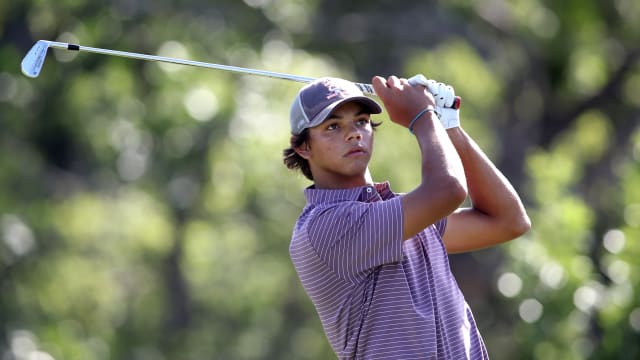
Golf features calm, precise swings. Focus on the golfer’s stance and the club’s shape. Draw the golf ball on the ground or mid-swing. Show subtle weight shifts in the body for realism.
Practicing Regularly
Drawing sports scenes captures movement, energy, and emotion. To improve your skills, practicing regularly is essential. Consistency sharpens your observation and hand coordination, making your drawings more dynamic and accurate.
Setting Up A Routine
Decide on specific times each day or week dedicated solely to drawing sports. Even 20 minutes a day can build momentum. Choose a quiet spot with your materials ready, so you waste no time getting started.
Try mixing different sports and poses to keep practice exciting. You might spend one session sketching soccer players, the next focusing on basketball jumps. Variety pushes you to understand different movements and muscle groups.
Tracking Progress
Keep a sketchbook or digital folder to save your drawings. Reviewing your work weekly reveals subtle improvements you might miss day-to-day. It also highlights areas needing more attention, like anatomy or perspective.
Consider rating your sketches on aspects like fluidity and accuracy. This simple habit turns practice into a game and motivates you to improve. What patterns do you notice in your progress? Identifying these can guide your future practice sessions.
Frequently Asked Questions
What Are The Basic Steps To Draw Sports Figures?
Start with simple shapes for body parts. Add motion lines to show action. Focus on proportions and posture. Use reference images for accuracy. Gradually add details like muscles and clothing.
How Do I Capture Movement In Sports Drawings?
Use dynamic poses and action lines. Emphasize body angles and limb positions. Blur or exaggerate motion for effect. Study athletes in motion for realism. This creates energy and life in your drawing.
Which Tools Work Best For Drawing Sports Scenes?
Pencils and charcoal are great for sketching. Fine liners help with outlines. Colored pencils and markers add vibrant details. Digital tablets offer flexibility and easy corrections. Choose tools that suit your style and skill.
How Can I Improve Anatomy For Sports Art?
Study human anatomy basics regularly. Focus on muscle groups involved in sports. Practice drawing different poses and angles. Use anatomy books and online tutorials. This builds accuracy and confidence in your sports drawings.
Conclusion
Drawing sports can be fun and rewarding. Practice often to improve your skills. Start with simple shapes and add details step by step. Watch sports events or photos to see movements and poses. Use pencil first, then add color if you like.
Keep your lines clean and your shapes clear. Remember, patience helps you get better over time. Enjoy every moment of creating your sports art. Keep drawing and have fun with each new sketch!