Who Invented Curling Sport: Discover the Surprising Origins
Have you ever wondered who invented the sport of curling? Maybe you’ve seen those smooth stones gliding across the ice and wondered how it all began.
Curling isn’t just a game; it’s a fascinating mix of skill, strategy, and history. Understanding who started it can give you a new appreciation every time you watch or play. Keep reading, and you’ll discover the surprising origins of curling and the story behind this unique sport that might just change how you see it forever.
Early Beginnings
The origins of curling date back many centuries. Its early days involve simple games played on ice or frozen surfaces. These games laid the foundation for modern curling. Understanding the early beginnings helps us appreciate how curling evolved into a popular sport today.
Ancient Stone Games
People in many ancient cultures played games using stones. These stones were slid across ice or smooth ground. The goal was to reach a target or get closest to a mark. Such games required skill and precision. They resemble the basic idea behind curling.
Records show that stone sliding games existed in places like the Netherlands and Scandinavia. Players used natural stones, often rounded by water or ice. These early games were informal and played for fun or competition.
Scotland’s Role
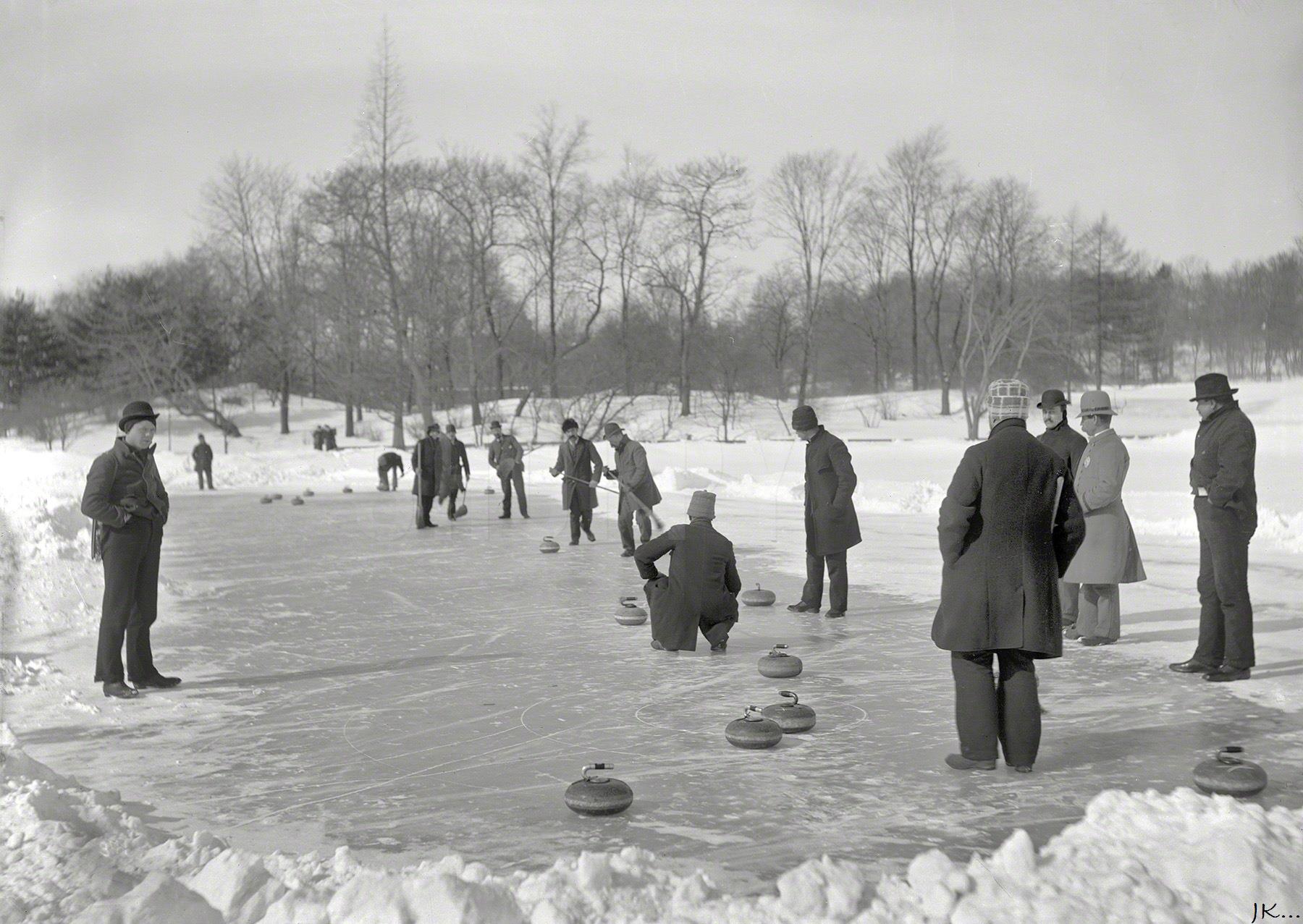
Scotland is key to curling’s history. The country’s cold winters created perfect ice conditions. Farmers and villagers used frozen ponds to slide stones for leisure. The first written records of curling come from Scotland in the 16th century.
Scottish communities formed clubs to organize matches. They developed rules and equipment. The sport grew in popularity and spread to other countries. Scotland remains the heartland of curling, often called the sport’s birthplace.
Development Of Curling
The development of curling spans centuries, shaped by changes in tools and rules. This sport began as a simple pastime on frozen ponds. Over time, curling evolved into an organized and skilled game. The journey involved improvements in equipment and the creation of formal rules. These changes helped curling grow into the sport known today.
Evolution Of Equipment
Early curling stones were made from local stones found in rivers. Players used rough, uneven stones that varied in weight and shape. Later, granite became the preferred material for stones. Granite is dense and smooth, allowing better control on the ice.
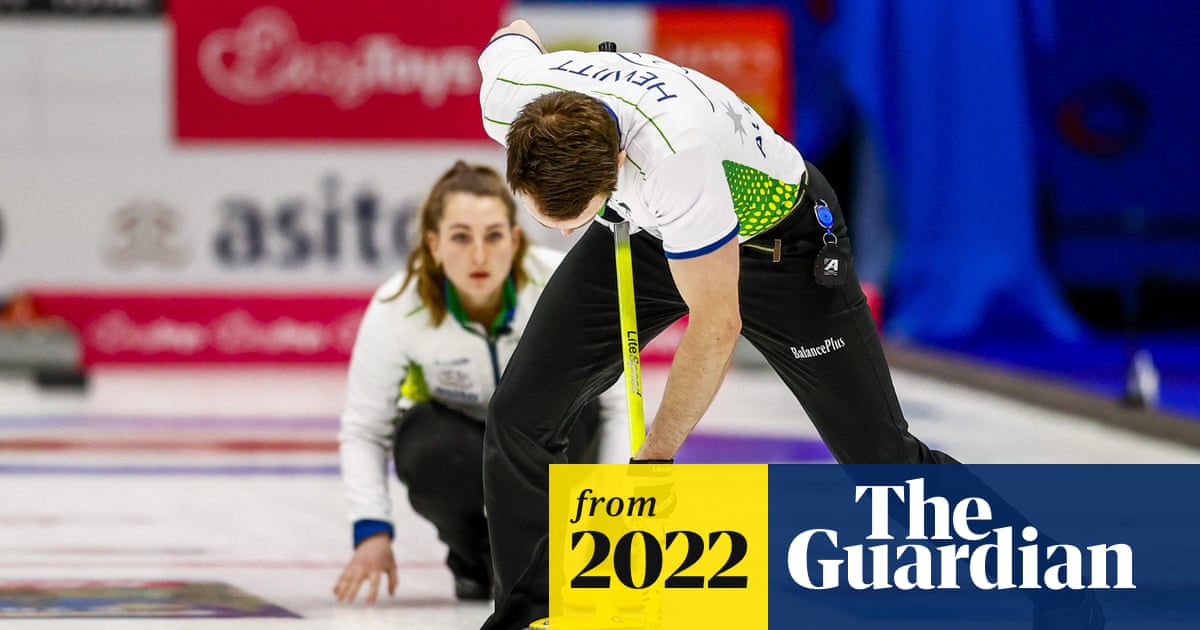
Brushes also changed over time. At first, players used simple brooms made from straw or twigs. Modern curling brooms have synthetic heads designed to sweep the ice efficiently. This sweeping affects the stone’s speed and direction, adding strategy to the game.
Formalization Of Rules
In the early days, players followed informal rules agreed upon on the spot. As the sport spread, clubs started writing down rules. The Royal Caledonian Curling Club, founded in 1838, played a key role in setting standardized rules.
These rules cover stone delivery, scoring, and player conduct. They ensure fair play and consistency in competitions. Today, international curling bodies maintain and update these rules to keep the sport fair and fun for everyone.
Key Figures In Curling History
Understanding the key figures behind curling’s history gives you a clearer picture of how this unique sport evolved. These individuals didn’t just play; they shaped curling into the game you see today. Their passion and innovation laid the foundation for curling’s growth beyond its origins.
Influential Scottish Contributors
Scotland is the birthplace of curling, and many Scottish figures played pivotal roles in its early development. One notable figure is the Earl of Moray, who in the 16th century promoted curling on frozen lochs, helping the sport gain social acceptance.
Another important contributor was the Kilsyth Curling Club, founded in 1716, which is often cited as the world’s oldest curling club. Their organized play and recorded rules helped standardize how curling was played, setting a model for others to follow.
Have you ever thought about how community clubs shape a sport’s future? The Kilsyth club’s influence shows how local groups can impact global sports traditions.
Global Expansion
Curling’s spread beyond Scotland happened through Scottish immigrants who carried their love of the game to new lands. Canada became a major hub, thanks to these enthusiasts who founded clubs and organized competitions by the 19th century.
One key figure in this expansion was John R. Taylor, who helped establish the Grand Caledonian Curling Club in Canada. This club played a big role in popularizing curling across North America.
Today, curling enjoys international recognition, with countries like Sweden, Switzerland, and Japan excelling. What do you think drives a local pastime to become a global sport? Often, it’s the dedication of passionate individuals who share their game with the world.
Credit: www.facebook.com
Curling’s Cultural Impact
Curling’s cultural impact extends far beyond the ice rink. This sport has grown into a symbol of tradition, teamwork, and community spirit. It connects people across ages and backgrounds, fostering a sense of belonging. Curling also reflects the values of patience and strategy, admired by many worldwide.
Curling In Popular Culture
Curling appears in movies, TV shows, and books. It often symbolizes friendly competition and camaraderie. Some comedies use curling to create lighthearted, humorous moments. Documentaries highlight the sport’s history and its players’ dedication. Curling’s unique charm makes it stand out in popular culture. It helps spread awareness and attracts new fans globally.
Curling And Community
Curling clubs serve as social hubs in many towns. They bring together neighbors and friends for games and events. The sport encourages teamwork and fair play. Clubs often host leagues for all ages and skill levels. This creates an inclusive environment for everyone. Many players cherish the friendships formed through curling. It strengthens bonds and builds lasting memories.
Modern Curling Innovations
Modern curling has embraced many new ideas that improve the sport. These changes help players perform better and make the game more fun to watch. Innovations focus on equipment, ice quality, and player strategy.
Technological Advancements
Technology changed curling stones and brooms. New materials make stones smoother and more consistent. Brooms now use special fibers to control ice better. Smart sensors track stone speed and direction during play.
Ice-making machines keep the surface perfect. They create tiny bumps called “pebble” that help stones glide. Video analysis tools help teams study their moves and improve skills.
The Future Of Curling
Future changes will bring more technology and data. Teams may use virtual reality to train. Artificial intelligence could help plan shots. Ice surfaces might become even more precise with new machines.
Fans will enjoy better broadcasts with slow-motion and 3D views. Curling could reach new audiences worldwide. The sport will keep growing with fresh ideas and tools.
Credit: www.theguardian.com

Credit: jamaicans.com
Frequently Asked Questions
Who Invented The Sport Of Curling?
Curling originated in Scotland during the early 16th century. Scottish farmers on frozen ponds first played the game using stones. The sport evolved over centuries, with no single inventor but collective community development.
When Did Curling Become An Official Sport?
Curling became an official sport in the 19th century. The Royal Caledonian Curling Club, founded in 1838, standardized the rules. This helped popularize curling and establish it as a competitive sport worldwide.
How Did Curling Spread Globally?
Scottish immigrants introduced curling to Canada and other countries. The sport gained international popularity through clubs and competitions. Today, curling is played worldwide, especially in cold-climate nations.
What Equipment Is Essential For Curling?
Curling requires special stones, brooms, and ice sheets. Stones are made from granite and weigh about 44 pounds. Brooms help players sweep ice to control stone speed and direction.
Conclusion
Curling began many centuries ago in Scotland. People used frozen ponds to slide stones across ice. It grew from a simple pastime to an Olympic sport. Today, curling connects players worldwide with fun and skill. Its history shows how traditions can last and change.
Remember, every stone thrown carries a piece of that past. Curling’s story is about teamwork, strategy, and history combined. Now, you know who invented curling and why it matters.