Is the Trampoline an Olympic Sport: Discover Its Impact
Have you ever wondered if the trampoline you bounce on for fun is actually an Olympic sport? You might be surprised to learn how this thrilling activity fits into the world of elite competition.
If you love watching daring flips and high-flying moves, you’ll want to discover the truth behind trampoline’s place in the Olympics. Keep reading to find out everything you need to know about trampoline as a sport and why it might just capture your attention like never before.

Credit: globalnews.ca
Trampoline In The Olympics
Trampoline has captivated audiences with its thrilling flips and gravity-defying moves. But is it officially recognized as an Olympic sport? The answer lies in its unique journey and current standing within the Olympic Games. Understanding this can give you a clearer picture of how trampoline fits into the world of international competition.
History Of Olympic Trampoline
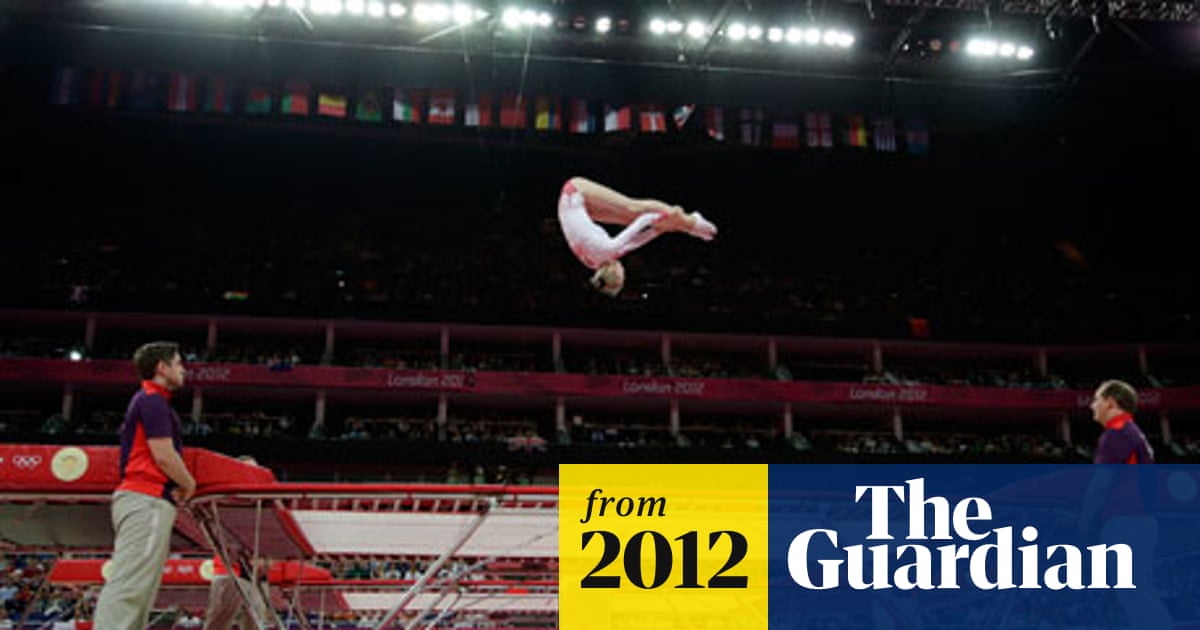
Trampoline made its Olympic debut relatively recently, first appearing as a medal event in the 2000 Sydney Olympics. Before that, it was recognized only as an exhibition sport. Its inclusion marked a significant moment, showcasing the sport’s growing popularity and athletic complexity.
The sport’s roots date back to the 1930s, but it took decades for trampoline gymnastics to gain international acceptance. The International Gymnastics Federation (FIG) played a key role in pushing for its Olympic inclusion, highlighting trampoline’s demand and skill level.
Current Olympic Status
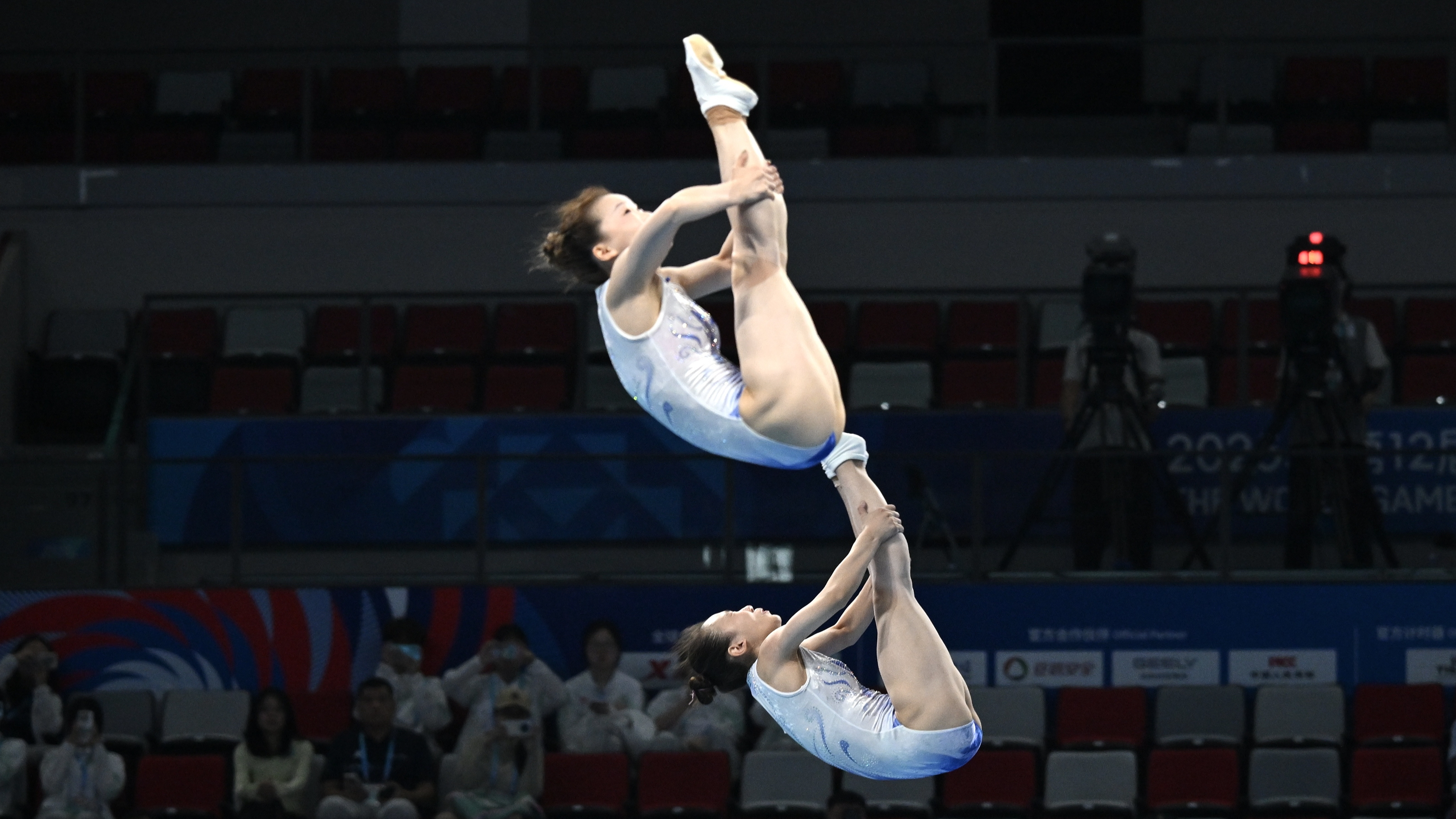
Today, trampoline is a fully recognized Olympic sport. Both men and women compete in individual trampoline events, performing routines judged on difficulty, execution, and time of flight. This status reflects trampoline’s evolution into a highly competitive and respected discipline.
Have you ever watched an Olympic trampoline event live? The speed and precision are incredible. These athletes train for years, mastering aerial control and technique to impress judges and win medals.
Qualification And Rules
Qualifying for the Olympic trampoline event requires athletes to compete in World Championships and World Cup events. Spots are limited, making competition fierce and rewarding only the best performers worldwide.
- Athletes must execute routines with a set number of high-difficulty skills.
- Judges score based on form, height, and control during each jump.
- Time of flight is measured to assess how long an athlete stays airborne.
Understanding these rules helps you appreciate the complexity behind each routine. Next time you watch, try to spot how athletes balance risk and precision. What do you think makes a winning trampoline routine?
Trampoline’s Global Popularity
Trampoline has captured the hearts of millions worldwide, evolving from a backyard pastime into a respected competitive sport. Its global popularity reflects not only the thrill of high-flying acrobatics but also the dedication of athletes and fans who follow the sport closely. Understanding how trampoline gained this momentum can give you a clearer picture of its place in the world of sports today.
Growth Of Trampoline Sports
Trampoline sports have expanded rapidly over the past few decades. Starting from simple recreational use, trampoline evolved into a structured discipline with formal training programs. Many countries now have national trampoline federations, showing how the sport has grown beyond just casual fun.
This growth is visible in the increasing number of trampoline clubs and training centers worldwide. Kids and adults alike are drawn to the mix of physical challenge and excitement. Have you ever tried bouncing on a trampoline and felt that rush? That feeling is part of what fuels the sport’s rise.
Major International Competitions
Trampoline has established itself firmly on the international stage with several key competitions. The World Trampoline Championships and the FIG World Cup Series are among the most prestigious events where top athletes compete. These competitions showcase incredible skill and push the sport’s boundaries.
The Olympic Games also include trampoline as an official event, which has boosted its visibility dramatically. Watching athletes perform gravity-defying routines on the Olympic platform inspires many to get involved. Are you curious how these athletes train to perfect such precision and control?
Key Athletes To Know
Several trampoline athletes have become global icons, inspiring a new generation of enthusiasts. Names like Rosie MacLennan from Canada and Dong Dong from China are well-known for their Olympic successes and consistent performances. Their stories highlight the dedication required to reach the sport’s highest levels.
These athletes often share their training tips and experiences, helping you understand what it takes to excel. Following their journeys might motivate you to take your own trampoline skills further. Which athlete’s story would push you to jump higher and try harder?
Impact On Fitness And Training
Trampoline training offers unique fitness benefits and challenges. It improves strength, balance, and coordination. Athletes develop control over their body in mid-air. The sport demands precise timing and focus.
Training for trampoline routines requires discipline and specific techniques. Coaches use drills to enhance skills and build endurance. Safety and injury prevention are crucial parts of the training process.
Physical Benefits Of Trampoline
- Improves cardiovascular health through continuous movement
- Enhances muscle strength, especially in legs and core
- Boosts balance and coordination with dynamic jumps
- Increases flexibility and joint mobility
- Supports better posture by strengthening stabilizer muscles
Training Techniques Used
- Breaking down complex moves into smaller steps
- Practicing controlled landings to build confidence
- Using repetition to perfect timing and form
- Incorporating strength and flexibility exercises off the trampoline
- Video analysis for performance improvement
Injury Prevention And Safety
- Warming up properly before every session
- Using mats and spotters during practice
- Following progressive skill development to avoid strain
- Wearing proper gear to protect joints and skin
- Resting adequately to prevent overuse injuries
Credit: news.cgtn.com
Cultural And Social Influence
Trampoline has grown beyond being just a sport. It influences culture and society in many ways. From children’s playtime to organized competitions, trampoline connects people. It encourages fitness, fun, and social bonding. This influence is seen in youth sports, community activities, and media trends.
Trampoline In Youth Sports
Many schools and clubs offer trampoline programs for kids. It helps develop balance, coordination, and strength. Children enjoy the thrill of bouncing and performing simple tricks. This sport builds confidence and discipline early on. Youth participation boosts trampoline’s popularity worldwide.
Community And Recreational Use
Trampoline parks have become popular social hubs. Families and friends gather to jump and play together. These parks promote healthy lifestyles and active recreation. They provide a safe space for all ages to enjoy. Community centers often include trampoline activities for local events.
Media And Sponsorship Trends
Television and online platforms showcase trampoline competitions. This exposure attracts sponsors and new fans. Brands support athletes and events, increasing visibility. Media coverage helps normalize trampoline as a serious sport. Sponsorship deals create opportunities for professional growth.
Future Of Trampoline Sports
The future of trampoline sports looks bright and full of potential. This sport has grown rapidly and gained popularity worldwide. Its blend of skill, agility, and excitement appeals to many. Advances in various areas promise to shape trampoline sports in the years ahead.
Potential Olympic Developments
Trampoline is already part of the Olympic Games. There is talk about expanding the events or adding new categories. Mixed team events may appear to increase diversity. Nations are pushing for more inclusion and recognition. This could bring more athletes and fans to the sport.
Innovations In Equipment
Equipment design is improving for safety and performance. New materials make trampolines lighter and more durable. Sensors may be added to track jumps and scores precisely. This technology helps judges and athletes alike. Safer equipment means more people can enjoy trampoline sports confidently.
Expanding Audience Engagement
Trampoline sports are reaching wider audiences through media and events. Live streaming and social media share highlights quickly. Interactive apps and games bring fans closer to the action. Schools and clubs introduce trampoline activities to children early. These efforts build a stronger and more involved community.
Credit: www.theguardian.com
Frequently Asked Questions
Is Trampoline Currently An Olympic Sport?
Yes, trampoline gymnastics is an official Olympic sport since 2000. It features individual men’s and women’s events. Athletes perform acrobatic moves on a trampoline, judged on difficulty and execution. It is governed by the International Gymnastics Federation (FIG).
How Is Trampoline Judged In The Olympics?
Trampoline routines are judged on difficulty, execution, and time of flight. Athletes perform 10 consecutive skills. Judges score based on form, height, and control. Deductions occur for mistakes like lack of control or poor technique.
What Are The Olympic Trampoline Competition Rules?
Competitors perform two routines: a compulsory and a voluntary routine. Each includes 10 skills with flips and twists. Scores combine difficulty, execution, and time of flight. Top scorers advance to finals for medal contention.
Can Trampoline Become More Popular In Future Olympics?
Yes, trampoline’s popularity is growing worldwide. Its dynamic, high-flying nature attracts viewers. Continued promotion and athlete development could increase its Olympic status and global recognition.
Conclusion
Trampoline is an Olympic sport since 2000. Athletes jump high and perform flips with skill. It tests strength, balance, and focus. The sport is exciting to watch and fun to try. Many countries compete at the Olympic level. Trampoline adds variety to gymnastics events.
It shows how sports can be creative and daring. Whether watching or doing, trampoline inspires many people. It proves that even new sports can reach big stages. Keep an eye on trampoline in future Olympics.