Have you ever wondered how hard you should be pushing yourself during a workout? What if there was a simple way to measure your effort without fancy gadgets or complicated calculations?
That’s where RPE fitness comes in. Understanding RPE can help you take control of your workouts, avoid burnout, and reach your fitness goals faster. Keep reading to discover what RPE fitness is and how it can transform the way you train.

Credit: www.mountaintrainingcenter.com
Rpe Fitness Explained
RPE, or Rate of Perceived Exertion, is a simple yet powerful tool to guide your workouts. It helps you measure how hard you feel you are working during exercise, without relying on machines or gadgets. Understanding RPE can make your training more personalized and effective.
Origin Of Rpe
The concept of RPE was developed by Gunnar Borg, a Swedish psychologist, in the 1960s. He wanted a way to quantify how hard people feel they are exerting themselves during physical activity. This method allows you to listen to your body and rate your effort on a scale, usually from 6 to 20 or 1 to 10.
This scale has been widely adopted in sports and rehabilitation because it is easy to use and doesn’t require special equipment. It’s fascinating that a simple number can replace complex measurements like heart rate or oxygen consumption in many cases.
How Rpe Works
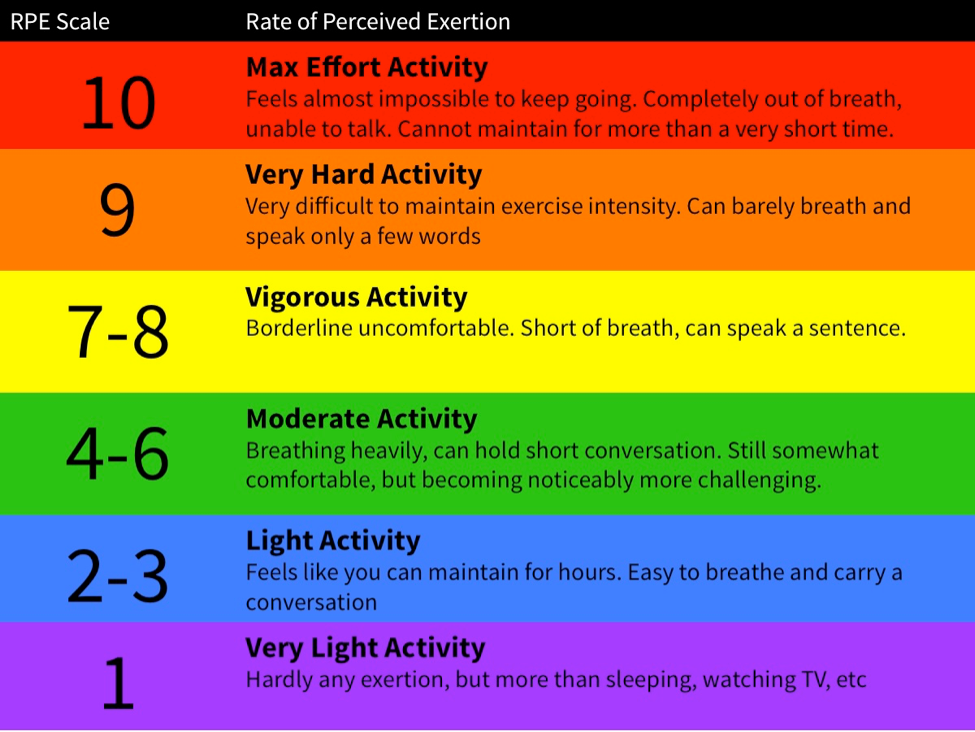
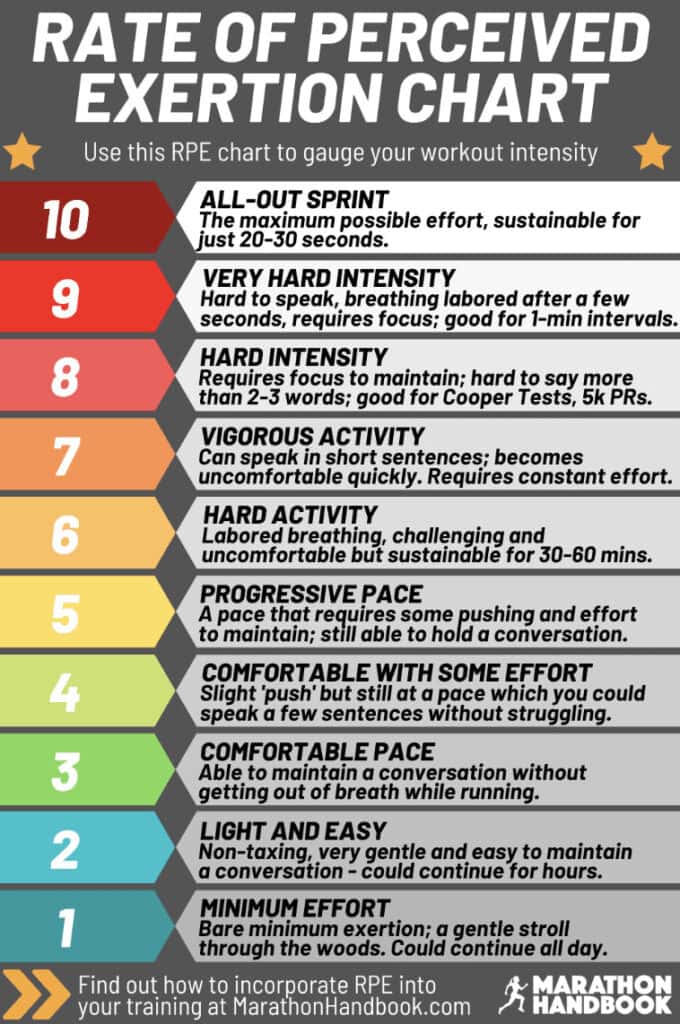
RPE works by asking you to rate your effort based on physical sensations like breathlessness, muscle fatigue, and overall tiredness. For example, a rating of 1 means you’re barely exerting yourself, while a 10 means you’re pushing as hard as possible.
Using RPE helps you control your workout intensity and avoid overtraining or undertraining. If you’re lifting weights, you might aim for an RPE of 7 or 8 to build strength without risking injury.
Think about your last workout—did you push too hard or not enough? Using RPE can help you adjust your effort to fit your goals and feel better about your progress every session.
Credit: marathonhandbook.com
Benefits Of Rpe Fitness
RPE fitness offers many benefits that help improve your workout experience. It allows you to control how hard you train. This makes workouts safer and more effective. Using RPE helps you listen to your body and adjust effort. It fits all fitness levels and goals. The benefits go beyond just physical gains and impact mental focus too.
Personalized Workout Intensity
RPE lets you set workout intensity based on how you feel. This means each session matches your current energy and strength. You avoid pushing too hard or too little. It helps prevent injuries caused by overtraining. Your body guides the effort, not just a fixed plan. This personal approach keeps workouts challenging but manageable.
Improved Self-awareness
Using RPE trains you to notice your body’s signals. You become better at understanding fatigue and strength levels. This awareness helps you make smarter exercise choices. It also builds confidence in your ability to judge effort. Over time, you gain control over your fitness progress. This skill benefits all areas of your health and training.
Implementing Rpe In Training
Implementing RPE in training helps you control workout intensity better. It lets you adjust effort based on how hard you feel you are working. This awareness improves progress and reduces injury risk. RPE makes training more personal and flexible.
Rpe Scale Basics
The RPE scale ranges from 1 to 10. One means very easy, like resting. Ten means maximum effort, no more reps possible. Numbers in between show different effort levels. For example, 5 feels moderate, and 8 means very hard but still possible to continue.
Using this scale, you rate how hard each set feels. It helps decide when to push harder or stop. Tracking RPE over time shows your strength and endurance changes.
Using Rpe In Different Exercises
RPE works for all exercise types. For weightlifting, rate effort after each set. It helps find the right weight to challenge muscles without overdoing it.
For cardio, use RPE to judge running or cycling pace. It ensures you train at the right intensity for your goals. You avoid burning out or training too lightly.
RPE also suits bodyweight exercises and flexibility work. It guides how hard to push without risking injury. Adjust effort based on fatigue and recovery.

Credit: www.instagram.com
Rpe Vs Other Fitness Metrics
RPE, or Rate of Perceived Exertion, offers a unique way to measure workout intensity. Unlike other fitness metrics, it relies on how hard you feel you are working. This personal approach gives flexibility in training and adapts to daily changes in strength and fatigue. Comparing RPE with common fitness metrics helps highlight its strengths and uses.
Comparison With Heart Rate Monitoring
Heart rate monitoring tracks beats per minute during exercise. It shows how your cardiovascular system responds to effort. RPE, on the other hand, measures your subjective feeling of effort. Sometimes heart rate can be affected by factors like stress or temperature. RPE reflects your overall effort including muscles and breathing.
Heart rate is more precise for steady-state cardio. RPE works well for strength training and interval workouts. You can combine both for a complete view of your fitness.
Advantages Over Fixed Repetitions
Fixed repetitions set a strict number of reps to complete. This method does not consider daily changes in strength. RPE allows adjusting reps or weights based on how hard you feel. It helps prevent overtraining and reduces injury risk.
Using RPE encourages listening to your body. It makes workouts more flexible and personalized. This approach suits both beginners and experienced athletes who want to train smart.
Tips For Effective Rpe Use
Using RPE (Rate of Perceived Exertion) effectively helps you train smarter. It guides how hard you push during workouts. Proper use prevents injury and supports steady progress.
Listening To Your Body
RPE depends on how you feel during exercise. Pay close attention to breath, muscle fatigue, and heart rate. These signals tell you if the effort matches your target.
Rest when you feel excessive strain. Push harder only if you feel strong and ready. This keeps training safe and effective.
Adjusting Rpe For Progress
As fitness improves, the same RPE may feel easier. Increase weights or reps to keep the challenge. Adjusting your effort helps avoid plateaus.
Track RPE alongside your workout details. This helps spot trends and plan future sessions better.
Common Mistakes With Rpe
RPE, or Rate of Perceived Exertion, helps track workout intensity by using personal effort feelings. Many people make mistakes when using RPE, which can affect their training results.
These common errors reduce the accuracy of RPE and may cause injury or slow progress. Understanding these mistakes helps improve workout quality and safety.
Misjudging Intensity
People often guess their effort level too high or too low. This mistake leads to training that is too easy or too hard.
Beginners especially find it hard to rate exertion correctly. They may push too much or not enough, causing poor results or injury.
To avoid this, compare feelings during exercise with past sessions. Track changes in breathing, muscle fatigue, and heart rate.
Ignoring External Factors
External elements like sleep, stress, and nutrition affect how hard exercise feels. Ignoring these can make RPE ratings unreliable.
For example, tiredness from poor sleep can make workouts feel harder than usual. Stress or illness also changes perceived effort.
Adjust RPE based on your overall condition. This adjustment helps keep workouts safe and effective.
Real-life Success Stories
Real-life success stories bring RPE Fitness to life. They show how tracking your effort level can change your workouts for the better. Hearing from those who have used RPE helps you understand its real impact on fitness goals.
Athlete Testimonials
Many athletes share how RPE Fitness transformed their training routines. One marathon runner said that using RPE helped them avoid burnout by adjusting pace based on daily energy levels. This simple change led to faster recovery and better race times.
A weightlifter mentioned that RPE allowed them to push harder without risking injury. By rating their effort after each set, they learned to recognize when to rest and when to increase weights. This smart approach made every workout count.
Case Studies
A recent case study tracked a group of beginners using RPE for six weeks. Those who rated their effort regularly improved endurance and strength more than those following fixed plans. It proved that listening to your body can outperform rigid schedules.
Another study focused on a cycling team that used RPE to balance training intensity. The team saw fewer injuries and better race performance. The key was using effort ratings to customize workouts day by day.
Could paying attention to your own effort change how you train? These stories suggest it can—and that RPE Fitness might be the tool you need to get there.
Future Of Rpe Fitness
The future of RPE (Rate of Perceived Exertion) fitness looks promising as technology and research push boundaries. You might wonder how this simple scale can evolve to better suit your training needs. Let’s look at where RPE tracking is headed and how it could affect your workout routines.
Innovations In Rpe Tracking
Advancements in wearable technology are making RPE tracking more accurate and user-friendly. Imagine a smartwatch that not only records your heart rate but also suggests your RPE based on your current condition. This would remove guesswork and help you train smarter.
Some devices now combine biometric data with subjective feedback to offer real-time RPE adjustments. This means your training intensity could be fine-tuned automatically during workouts. Have you ever wished your workout plan adapted to how you actually feel in the moment?
Potential For Broader Application
RPE is no longer limited to just athletes or gym enthusiasts. Physical therapists are starting to use RPE scales to monitor patient progress safely. This opens up new ways for you to manage recovery and avoid pushing too hard.
In group fitness classes, instructors could use RPE data to customize sessions for different fitness levels. This could make workouts more inclusive and effective for everyone. How could personalized intensity feedback change your group workout experience?
Frequently Asked Questions
What Does Rpe Mean In Fitness Training?
RPE stands for Rate of Perceived Exertion. It measures workout intensity based on how hard you feel you’re working. It helps personalize training by using your body’s signals instead of fixed metrics.
How Is Rpe Used To Improve Workouts?
RPE guides workout intensity by rating effort from 1 to 10. It allows adjustments based on fatigue and goals, ensuring safe and effective training. This flexible approach improves performance and prevents overtraining.
Why Is Rpe Better Than Heart Rate Monitoring?
RPE reflects your subjective effort, including fatigue and mental state. Heart rate only tracks physical stress. RPE offers a more comprehensive view of workout intensity and helps tailor sessions to your condition.
Can Beginners Use Rpe Effectively?
Yes, beginners can use RPE to avoid pushing too hard. It encourages listening to your body, promoting gradual progress and reducing injury risk. RPE is simple and adaptable for all fitness levels.
Conclusion
RPE fitness helps you control workout effort easily. It uses a simple scale to show how hard you feel. This method suits all fitness levels and goals. You can train smarter and avoid injury. Listening to your body is key.
Try RPE to make your workouts clear and effective. It keeps exercise safe and fun. Give it a chance and see the difference.