What Health Related Fitness Components: Unlock Vitality
Have you ever wondered what it really takes to be fit and healthy? Understanding the key health-related fitness components can make a huge difference in how you feel every day.
These components are the building blocks of your well-being, affecting your energy, strength, and overall quality of life. By knowing what they are and how they work, you can take control of your fitness journey and see real, lasting results.
Keep reading to discover the essential parts of health-related fitness and how they can transform your life.
Key Fitness Components
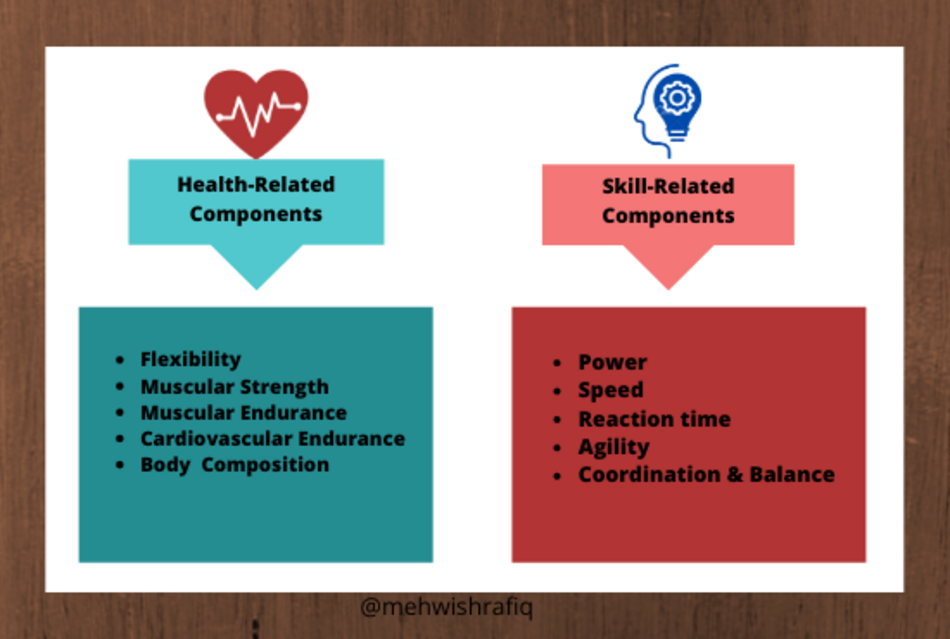
Key fitness components shape overall health and physical ability. Each component plays a vital role in daily activities and long-term wellness. Understanding these helps build balanced fitness routines. Focus on improving all areas for best results.
Cardiovascular Endurance
Cardiovascular endurance measures how well the heart and lungs supply oxygen during exercise. It affects stamina and energy levels. Activities like running, swimming, and cycling boost this component. Strong cardiovascular endurance supports a healthy heart and reduces fatigue.
Muscular Strength
Muscular strength is the amount of force a muscle can produce. It helps in lifting heavy objects and performing powerful movements. Weight training and resistance exercises improve muscular strength. Building strength protects joints and enhances posture.
Muscular Endurance
Muscular endurance means how long muscles can work without tiring. It allows repeating movements many times. Exercises like push-ups and planks increase muscular endurance. This component supports daily tasks and sports performance.
Flexibility
Flexibility is the ability to move joints through a full range of motion. It prevents injuries and improves movement quality. Stretching and yoga are great for enhancing flexibility. Good flexibility reduces muscle stiffness and soreness.
Body Composition
Body composition shows the ratio of fat to lean mass in the body. A healthy balance improves physical appearance and health risks. Proper diet and exercise help maintain good body composition. Monitoring this component tracks fitness progress effectively.

Credit: www.teacherspayteachers.com
Benefits Of Each Component
Health-related fitness includes various components, each offering unique benefits. Understanding these helps improve overall well-being. Focusing on each aspect supports a balanced and healthier lifestyle.
Boosting Heart Health
Cardiovascular fitness strengthens the heart and lungs. It improves blood circulation and oxygen delivery. This reduces the risk of heart diseases and stroke. Regular activity lowers blood pressure and bad cholesterol. It also increases stamina and energy levels.
Enhancing Muscle Power
Muscle strength helps with daily tasks and physical work. Strong muscles protect bones and joints from injuries. It improves balance and posture, reducing falls. Power training also speeds up metabolism and supports weight control. It builds endurance for longer activity periods.
Sustaining Physical Activity
Muscle endurance allows the body to perform longer without fatigue. It helps keep good form during exercise and work. Endurance training boosts energy and reduces tiredness. It supports heart health and improves lung capacity. This leads to better performance in sports and activities.
Improving Joint Mobility
Flexibility keeps joints healthy and moving freely. It reduces stiffness and the risk of injuries. Stretching improves posture and muscle coordination. Better mobility helps with everyday movements and exercise. It also decreases muscle soreness after activity.
Maintaining Healthy Weight
Body composition affects overall health and fitness. A healthy balance of muscle and fat supports metabolism. Maintaining weight reduces risks of diabetes and heart disease. It improves self-confidence and energy levels. Good body composition helps the body work efficiently.
Measuring Fitness Levels
Measuring fitness levels is essential to understand your current health and track progress. It helps identify strengths and areas needing improvement. Different tests assess various components of health-related fitness. These tests are simple and can be done with minimal equipment.
Endurance Tests
Endurance tests measure how well your heart and lungs work during exercise. Common tests include running, cycling, or walking for a set time or distance. The beep test and the mile run are popular choices. These tests show your aerobic capacity and stamina.
Strength Assessments
Strength assessments evaluate your muscle power. Exercises like push-ups, sit-ups, or weight lifting can test strength. The number of repetitions or the amount of weight lifted indicates muscle strength. Strong muscles support daily activities and reduce injury risk.
Flexibility Measures
Flexibility tests check the range of motion in your joints. The sit-and-reach test is a common example. It measures how far you can stretch forward while sitting. Good flexibility improves posture and lowers muscle strain.
Body Composition Analysis
Body composition analysis shows the proportion of fat and lean mass in your body. Methods include skinfold calipers, bioelectrical impedance, and BMI calculations. Knowing your body composition helps guide healthy lifestyle choices. It is better than just tracking weight.
Credit: mehwishrafiq.medium.com
Training Tips For Vitality
Training for vitality means focusing on fitness habits that boost your energy and improve your overall health. It’s about more than just working out; it’s about choosing activities and routines that keep you feeling strong and alive every day. Let’s break down some practical tips that you can start using right now to enhance your vitality through exercise and nutrition.
Incorporating Aerobic Exercises
Aerobic exercises like walking, cycling, or swimming increase your heart rate and improve lung capacity. Try to add at least 30 minutes of moderate aerobic activity most days of the week. You don’t have to do it all at once—short, brisk walks during breaks can add up and boost your stamina.
Ask yourself: how often do you move just for fun, not for a goal? Adding enjoyable aerobic activities can make a big difference in how energetic you feel.
Strength Training Routines
Building muscle isn’t just for athletes. Strength training helps protect your joints, maintain bone density, and improve metabolism. Use bodyweight exercises like squats and push-ups or light weights to start.
Consistency is key. Scheduling strength workouts twice a week can improve your muscle tone and support your daily activities with less fatigue.
Stretching Techniques
Stretching keeps your muscles flexible and reduces the risk of injury. Simple stretches after your workout can help your body recover and reduce stiffness. Focus on major muscle groups like your hamstrings, calves, and shoulders.
Try holding each stretch for 20-30 seconds without bouncing. Do you feel tighter after sitting long hours? Stretching can be your quick fix to feel refreshed.
Balancing Nutrition And Fitness
Your body needs fuel to support exercise and recovery. Eating balanced meals with proteins, healthy fats, and carbohydrates gives you the energy to train effectively. Hydration is just as important—drink water before, during, and after workouts.
Think about your last meal before a workout. Was it supportive or draining? Small changes in what you eat can have big effects on your vitality and fitness progress.
Lifestyle Habits For Lasting Health
Building lasting health goes beyond occasional workouts or short-term diets. It’s about shaping daily habits that support your body and mind consistently. These lifestyle habits form the foundation of health-related fitness components, helping you stay strong, energetic, and resilient over time.
Consistent Physical Activity
You don’t need to spend hours at the gym every day to stay fit. Even 30 minutes of moderate exercise like brisk walking, cycling, or dancing can make a big difference.
Try to mix different activities to keep your routine exciting and work various muscle groups. Have you noticed how your mood lifts on days you move more?
Proper Rest And Recovery
Rest is as important as exercise. Your muscles grow and repair during sleep, and your brain recharges for better focus and mood.
Aim for 7-9 hours of quality sleep nightly. If you struggle to rest well, consider cutting screen time before bed or establishing a calm bedtime ritual.
Stress Management
Stress can sabotage your health goals if left unchecked. Finding ways to relax and manage tension helps your body heal and stay balanced.
Simple activities like deep breathing, journaling, or spending time in nature can reduce stress. What small change could you make today to ease your mind?
Hydration And Diet
Water fuels every cell in your body, yet many people don’t drink enough. Carry a water bottle and sip throughout the day to stay hydrated.
Your diet should focus on whole foods—vegetables, fruits, lean proteins, and whole grains. Notice how eating colorful meals affects your energy and digestion?

Credit: www.teacherspayteachers.com
Frequently Asked Questions
What Are The Main Health-related Fitness Components?
Health-related fitness components include cardiovascular endurance, muscular strength, muscular endurance, flexibility, and body composition. These components help improve overall health and physical performance.
How Does Cardiovascular Endurance Impact Health?
Cardiovascular endurance improves heart and lung efficiency. It boosts stamina, reduces disease risk, and enhances daily activity performance.
Why Is Muscular Strength Important For Fitness?
Muscular strength supports daily tasks, improves posture, and prevents injuries. It also enhances metabolism and overall body stability.
What Role Does Flexibility Play In Fitness?
Flexibility increases joint range of motion, reduces injury risk, and improves movement quality. It aids in better muscle coordination.
Conclusion
Health-related fitness helps keep your body strong and healthy. It includes strength, endurance, flexibility, and body composition. Each part plays a role in daily life and long-term wellness. Focusing on these components improves energy and reduces illness risk. Small steps lead to better health over time.
Stay active, eat well, and rest properly. Your body will thank you for the care you give it. Fitness is a journey, not a quick fix. Keep moving forward, one day at a time.

Similar Posts