What Does Nil Stand for in College Sports: Explained
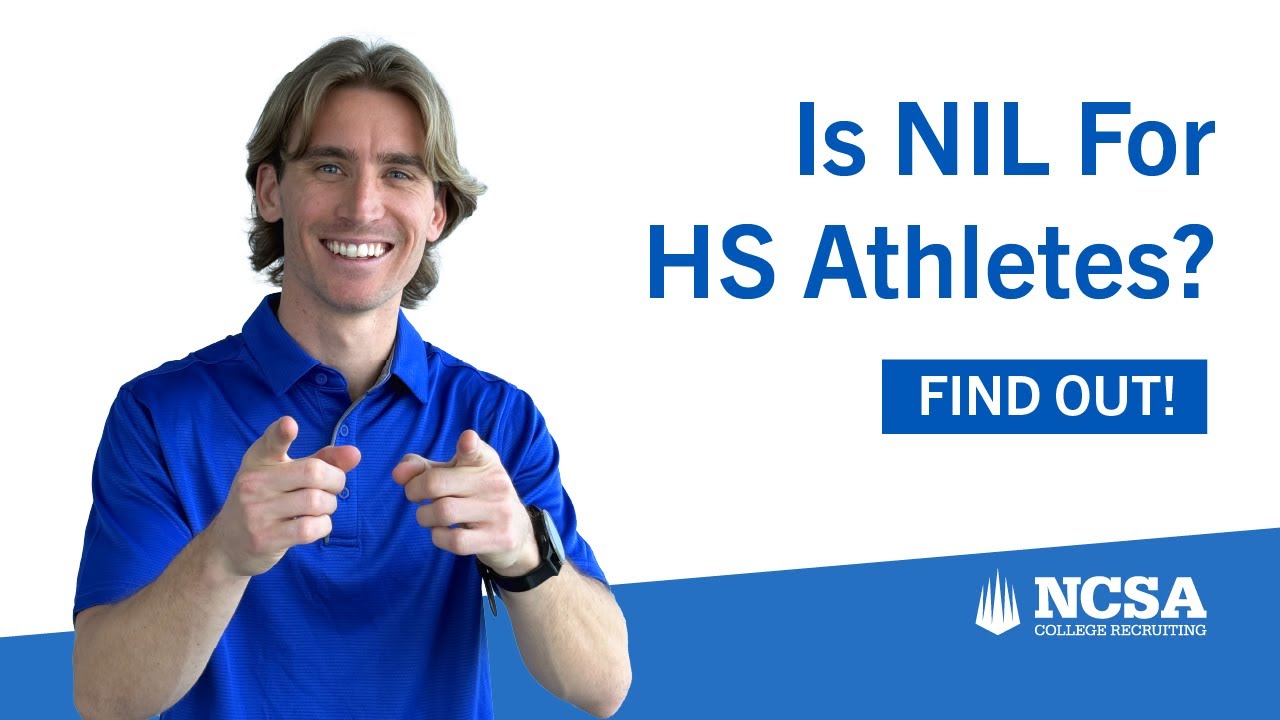
Have you ever come across the term “NIL” when watching college sports and wondered what it really means? If you’re curious about how college athletes are now making money and what this change means for you as a fan, student, or athlete, you’re in the right place.
Understanding NIL can completely change how you see college sports and the opportunities available to players. Keep reading, because what you learn here might surprise you and give you a fresh perspective on the game you love.
Nil Meaning In College Sports
The term NIL in college sports stands for Name, Image, and Likeness. It refers to the rights college athletes have to earn money using their personal brand. This concept has changed the landscape of college athletics significantly. Athletes can now benefit financially from their popularity without losing their amateur status.
NIL allows athletes to sign endorsement deals, promote products, and monetize social media. This new freedom gives them more control over their careers and future earnings. Schools and organizations have adapted to support athletes in managing these opportunities.
Name In Nil
The “Name” in NIL means the athlete’s actual name. Athletes can use their name to promote brands or products. For example, a basketball player can endorse sports gear using their name.
Image In Nil
The “Image” refers to the athlete’s photograph or visual representation. Companies can use an athlete’s image in ads or marketing campaigns. This includes photos, videos, and likeness in digital content.
Likeness In Nil
Likeness means the athlete’s unique identity or persona. It covers things like voice, signature, and other personal traits. Brands pay athletes to use these traits in commercials or merchandise.

Credit: www1.grousemountain.com
History Of Nil Rules
The history of NIL rules in college sports marks a major shift in how student-athletes can benefit from their name, image, and likeness. For decades, NCAA regulations prohibited athletes from earning money related to their athletic identity. This created a strict barrier between amateur status and commercial opportunities.
Over time, pressure grew from athletes, universities, and lawmakers who saw the unfairness in restricting income that others freely enjoyed. The NIL debate became a hot topic, with many arguing that athletes deserved a chance to profit while still in college. This led to a series of changes that reshaped the landscape.
Early Restrictions On Athlete Compensation
Initially, NCAA rules banned any form of payment tied to an athlete’s performance or reputation. This included endorsements, autographs, or personal appearances. The focus was on maintaining amateurism, which many believed protected the integrity of college sports.
However, these restrictions often prevented athletes from supporting themselves financially. Some athletes faced hardships because they couldn’t leverage their fame, even while schools and sponsors profited.
State Laws Challenging The Ncaa
Starting around 2019, several states began passing laws allowing college athletes to earn money from their NIL. California led the charge with the “Fair Pay to Play Act.” This law forced the NCAA to reconsider its stance as different states adopted similar measures.
These state laws created a patchwork of regulations, making it complicated for athletes and schools to navigate. It raised the question: how could a national organization enforce uniform rules when states were taking different approaches?
The Ncaa’s Response And New Nil Policy
In July 2021, the NCAA finally allowed athletes to profit from their NIL without losing eligibility. This historic policy change gave athletes freedom to sign endorsement deals, use social media for promotions, and monetize personal brands.
The NCAA still set some guidelines to prevent pay-for-play schemes, but overall, the new rules empowered athletes in unprecedented ways. This change reflects a growing recognition of athletes’ rights and the realities of modern sports marketing.
Impact On College Sports Today
The NIL rules have transformed the college sports environment. Athletes now juggle brand deals alongside academics and training. This new reality brings opportunities but also challenges in time management and contract negotiations.
Are you curious how your favorite college athlete manages these responsibilities? Understanding the history of NIL helps you appreciate the complexity behind every endorsement deal and social media post you see.
Impact On Student-athletes
The introduction of NIL, or Name, Image, and Likeness rights, has changed the life of student-athletes in college sports. It allows them to earn money from their personal brand while still competing. This shift creates new chances but also brings some challenges. Understanding the impact on student-athletes is key to grasping the full effect of NIL in college sports.
Earning Opportunities
Student-athletes can now make money from endorsements, sponsorships, and social media. They can sign deals with local businesses or big brands. This income helps cover expenses like tuition, travel, and living costs. It also rewards their hard work and talent on the field. Many athletes use these earnings to support their families too.
Brand Building
NIL encourages student-athletes to build their personal brand. They create content, engage with fans, and grow their social media presence. This helps them gain followers and attract offers. Learning to market themselves is a valuable skill. It prepares them for careers beyond sports. Many athletes become influencers or entrepreneurs using their NIL platforms.
Challenges And Risks
NIL also brings risks and challenges. Managing money can be hard without guidance. Some deals may distract athletes from their studies and training. There is also pressure to maintain a good image online. Not all athletes get equal opportunities, causing stress and competition. Support from schools and advisors is important to help navigate these issues.

Credit: www.youtube.com
Role Of Colleges And Conferences
The role of colleges and conferences in the Name, Image, and Likeness (NIL) landscape is crucial. They act as both facilitators and regulators, ensuring athletes benefit from NIL opportunities without compromising the integrity of college sports. Understanding their responsibilities helps you see how they maintain balance between athlete empowerment and fair competition.
Compliance And Monitoring
Colleges and conferences have a strict duty to enforce NIL rules. They monitor deals athletes sign to ensure compliance with NCAA and conference-specific guidelines. This keeps athletes from engaging in prohibited activities, such as endorsements that conflict with school sponsors or boost recruiting unfairly.
Some schools have dedicated compliance teams that review contracts and educate athletes. This proactive approach helps prevent violations before they happen. Imagine if you were an athlete—having this support would make navigating NIL deals less confusing and risky.
Support Systems
Beyond rules, colleges provide support systems to help athletes manage their NIL opportunities wisely. Workshops, financial advising, and legal counseling are common resources offered. These services help athletes maximize their earnings while protecting their long-term interests.
Conferences often coordinate resources across member schools, creating a unified support network. This means you, as an athlete, can access consistent guidance no matter where you play. How prepared do you feel to handle the business side of NIL without this support?
Legal And Regulatory Changes
The world of college sports has changed a lot due to new legal and regulatory rules. These changes affect how athletes can earn money and what rights they have. Understanding these updates is key to knowing what NIL means today. The rules come from both the NCAA and state governments. Each has its own way of shaping the new landscape for college athletes.
Ncaa Policy Updates
The NCAA has changed its rules to allow athletes to earn money from their name, image, and likeness. This shift means athletes can now sign deals and get paid for endorsements. The NCAA set guidelines to ensure fairness and protect athletes’ rights. These policies aim to balance athlete earnings with college sports integrity. Schools must also follow these rules to avoid penalties.
State Legislation
Many states passed laws to regulate NIL activities. These laws vary but mostly support athletes’ rights to profit from their personal brand. Some states require schools to report athlete contracts. Others set rules to prevent conflicts of interest. State laws push colleges to update their own policies. Together, these laws create a patchwork of rules across the country.

Credit: www.offtackleempire.com
Examples Of Nil Deals
Examples of NIL deals show how college athletes can earn money while still in school. These deals vary widely and allow athletes to use their name, image, and likeness in many creative ways. Understanding these examples can help you see the real opportunities available beyond just playing the sport.
Endorsements
Endorsement deals are one of the most common types of NIL agreements. Athletes promote products or brands in exchange for payment.
Take a college basketball player endorsing a sneaker brand. They might wear the shoes during games and post about them on social media. This not only boosts the brand but also helps the athlete earn money.
Have you thought about which brands align with your image and values? Choosing the right fit can make your endorsement more authentic and profitable.
Social Media Partnerships
Many athletes leverage their social media following to partner with companies. These partnerships often involve sponsored posts, videos, or live streams.
For example, a football player with a large Instagram audience might promote fitness gear or nutrition supplements through regular posts. Each post can bring in a steady income, especially if their followers engage well.
Think about how you use your social media now. Could it become a platform for deals that reflect your personality and interests? Building a genuine connection with your audience is key to success here.
Future Of Nil In College Sports
The future of NIL (Name, Image, and Likeness) in college sports is shaping up to be one of the most transformative changes in the athletic world. As athletes gain more opportunities to monetize their personal brands, the landscape of college sports is evolving rapidly. But what will this mean for players, schools, and the industry as a whole?
Potential Reforms
Expect ongoing adjustments in how NIL rules are regulated and enforced. Some reforms might include clearer guidelines on sponsorship deals to protect athletes from exploitation.
Schools may also implement educational programs to help athletes manage their earnings and brand responsibly. Could stricter oversight help balance fairness and opportunity?
- Standardized contracts to prevent unfair agreements
- Limits on endorsement types to protect athlete reputations
- More transparency in NIL transactions to avoid conflicts of interest
As an athlete, understanding these changes is crucial to making smart decisions about your brand and partnerships.
Long-term Effects
The long-term effects of NIL could reshape recruiting strategies and team dynamics. Schools might prioritize athletes with strong personal brands, which could shift focus away from pure athletic talent.
Financially, athletes could build wealth earlier, changing the traditional path to professional sports. This could also influence how fans engage with college sports, as personal stories and endorsements become more prominent.
Have you considered how NIL might affect your experience as a fan or athlete? Your support or involvement might look very different in the near future.
| Aspect | Possible Long-Term Impact |
|---|---|
| Recruiting | Emphasis on marketability alongside skills |
| Team Chemistry | Potential challenges balancing personal deals and team goals |
| Fan Engagement | Increased connection through athlete branding |
| Athlete Finances | Early income opportunities and financial independence |
Frequently Asked Questions
What Does Nil Mean In College Sports?
NIL stands for Name, Image, and Likeness. It allows college athletes to profit from their personal brand. This includes endorsements, social media posts, and appearances.
How Does Nil Impact College Athletes?
NIL provides athletes with opportunities to earn money legally while maintaining college eligibility. It boosts their financial independence and brand visibility.
Can All College Athletes Benefit From Nil Deals?
Yes, all NCAA athletes can benefit from NIL deals regardless of sport or division. Opportunities vary by marketability and individual effort.
What Types Of Nil Deals Are Common?
Common NIL deals include sponsorships, social media promotions, autograph signings, and personal appearances. These deals vary widely by athlete popularity.
Conclusion
NIL lets college athletes earn money for their name and image. This change gives players new chances beyond sports. They can now work with brands or sell their autographs. Many athletes use NIL to support their families. It also helps schools attract top players.
Still, rules vary by state and school. Understanding NIL is key for athletes and fans alike. The world of college sports is shifting, and NIL plays a big role. Keep watching how this affects future athletes and teams.

Similar Posts