What are Contact Sports: Thrills, Skills & Challenges
Have you ever wondered what makes some sports more intense and physically demanding than others? If you’re curious about the kind of games where players collide, tackle, and test their strength face-to-face, you’re about to find out.
Contact sports are more than just games—they push your body and mind to the limit. Understanding what contact sports really are can change the way you see these thrilling competitions. Keep reading, and you’ll discover the key features of contact sports, why they captivate millions, and what you need to know if you want to get involved or just appreciate them more.
Types Of Contact Sports
Contact sports come in various forms, each with different levels of physical interaction. Understanding these types helps you choose the right sport based on how much contact you’re comfortable with or prepared for. Let’s break down the main categories so you can see where your interests and limits fit.
Full Contact Sports
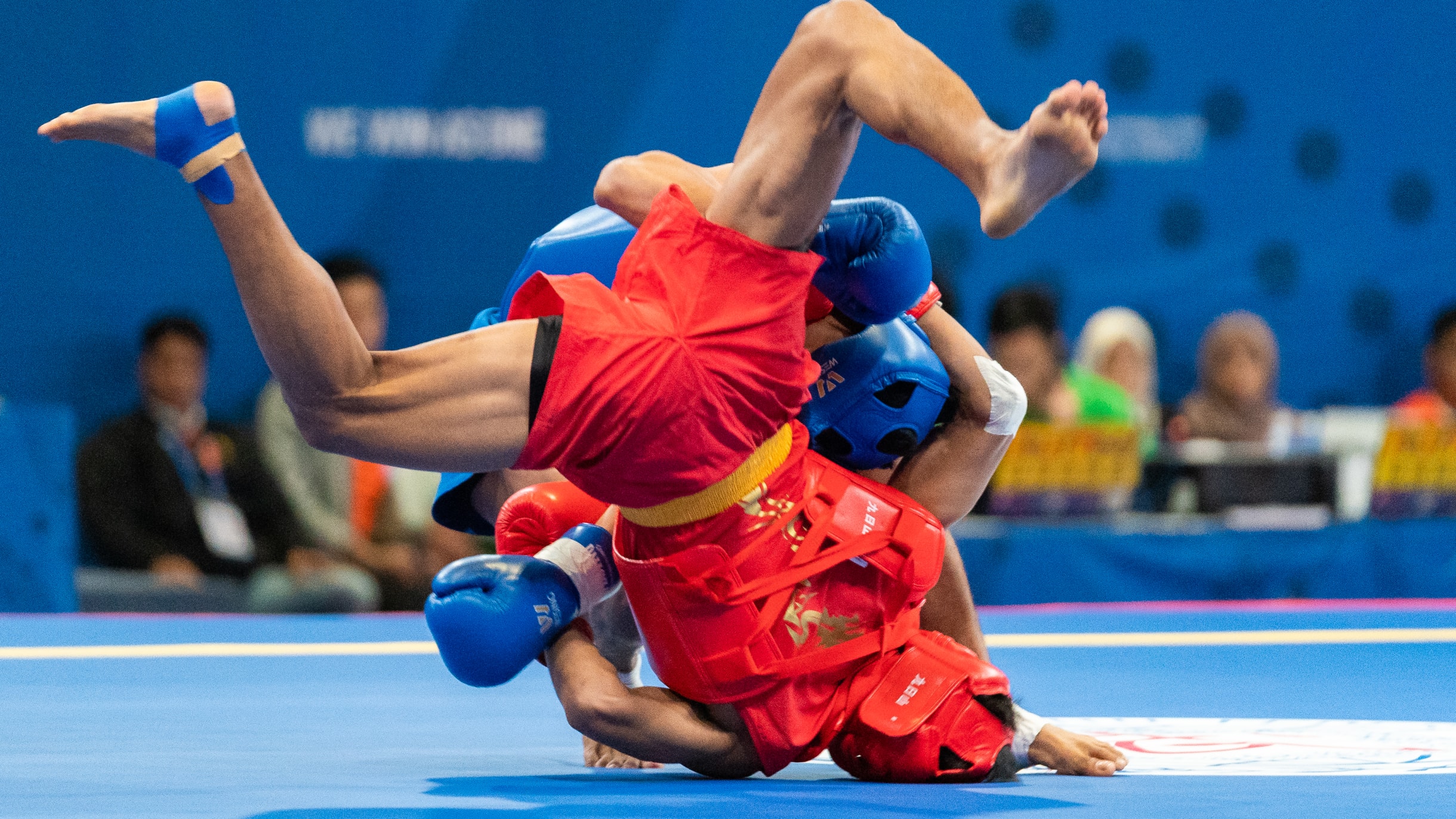
Full contact sports involve intense physical contact where players frequently collide, tackle, or block each other. These sports demand not only skill but also physical toughness and strategic awareness to avoid injuries.
- Examples:American football, rugby, boxing, and mixed martial arts.
- Players often wear protective gear like helmets and pads due to the high risk of impact.
- Training focuses on strength, endurance, and mastering techniques to safely engage opponents.
Have you ever wondered how athletes train their bodies to take hits and keep going? It’s a mix of mental toughness and physical conditioning, which is crucial in full contact sports.
Limited Contact Sports
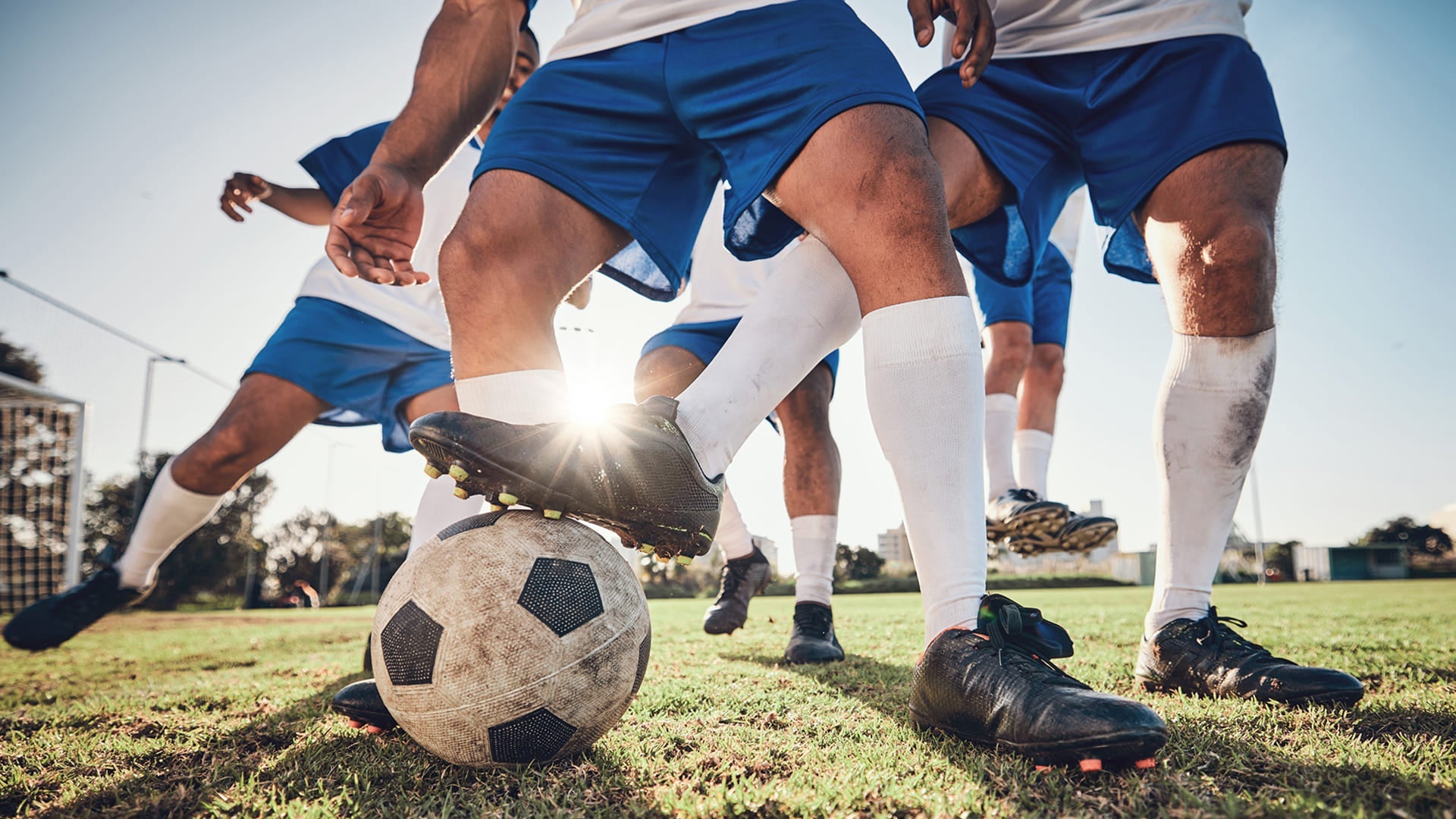
Limited contact sports allow some physical interaction but restrict it to reduce injury risk. Contact is often controlled and usually part of specific rules or moments in the game.
- Examples:Basketball, soccer, and volleyball.
- Contact like shoulder bumps or brief holds happens but aggressive tackling or hitting is penalized.
- These sports balance agility, strategy, and quick thinking without constant physical clashes.
If you prefer a sport that challenges your speed and coordination with occasional contact, these might be a good fit. How do you handle sudden physical challenges in fast-paced games?
Non-contact Sports With Contact Elements
Some sports are primarily non-contact but still include moments where physical contact can occur, often accidentally or as part of competition. The contact here is usually less intense and less frequent.
- Examples:Tennis, badminton, and track events.
- Players focus on skill, technique, and speed, with contact being rare and usually unintentional.
- These sports minimize physical risk while maintaining competitive excitement.
Think about your favorite non-contact sport. Have you experienced moments where contact surprised you or changed the flow of the game? Understanding these moments can prepare you to stay focused and safe.

Credit: www.youtube.com
Thrills Of Contact Sports
Contact sports offer more than just physical activity. They bring intense moments that keep players and fans on edge. The combination of speed, power, and skill creates unforgettable experiences. Every match is a mix of challenge and excitement that fuels passion.
Adrenaline And Excitement
The rush of adrenaline in contact sports is unmatched. Each hit and fast move sparks a burst of energy. This feeling pushes players to give their best. It keeps the heart racing and focus sharp.
Excitement builds in every play. The unpredictable nature of contact sports makes them thrilling. Fans and players feel this energy deeply. It creates a powerful connection to the sport.
Competitive Spirit
Contact sports bring out a strong competitive drive. Players want to win and prove their skills. This spirit pushes athletes to train harder and perform better.
Competition also teaches respect. Players learn to face challenges and opponents fairly. This builds character and sportsmanship in every match.
Team Dynamics And Camaraderie
Teamwork is key in contact sports. Players depend on each other for success. This builds trust and strong bonds among teammates.
Camaraderie grows through shared goals and struggles. Teams celebrate wins and support each other in losses. This sense of belonging adds joy to the sport.
Essential Skills Needed
Contact sports demand a unique set of skills to excel and stay safe. Players must combine physical ability with mental strength. These skills help in managing the fast pace and physical challenges of the game. Understanding these essentials improves performance and reduces injury risk.
Physical Strength And Endurance
Strength is key in contact sports. It helps players absorb impacts and maintain control. Endurance allows athletes to keep up their energy throughout the match. Both are vital for lasting through intense physical activity without losing power or focus.
Agility And Coordination
Quick movements and body control make a big difference. Agility helps players change direction fast. Coordination ensures smooth and precise actions. These skills improve balance and reaction time, which are crucial in avoiding tackles and making plays.
Mental Toughness
Contact sports challenge the mind as much as the body. Mental toughness means staying focused under pressure. It helps players overcome pain and fatigue. Confidence and discipline support decision-making and teamwork during tough moments.
Credit: www.olympics.com
Common Challenges Faced
Contact sports pose unique challenges for athletes. These challenges affect both the body and mind. Understanding these difficulties helps players stay safe and perform well.
Injury Risks And Prevention
Injuries are common in contact sports. Bruises, sprains, and fractures happen often. Serious injuries like concussions can occur too. Proper training reduces these risks.
- Use protective gear like helmets and pads
- Follow correct techniques during play
- Warm up and stretch before activities
- Rest enough to allow recovery
Managing Physical And Mental Stress
Contact sports demand high physical effort. This can cause muscle fatigue and soreness. Mental stress also builds from pressure to perform. Both need careful management.
- Maintain a balanced diet and hydration
- Practice relaxation and breathing exercises
- Get enough sleep to restore energy
- Talk to coaches or counselors about stress
Balancing Aggression With Control
Aggression drives success in contact sports. It helps players compete strongly. But uncontrolled aggression leads to penalties and injuries. Learning control is key.
- Stay focused on the rules of the sport
- Channel aggression into positive energy
- Use teamwork to support fair play
- Practice self-awareness during matches
Training And Preparation
Training and preparation form the backbone of success in contact sports. These sports demand not just physical strength but also sharp skills and stringent safety measures. Focusing on the right areas can transform your game and keep you injury-free.
Conditioning And Fitness
Your body needs to be ready for the intense physical demands of contact sports. This means working on endurance, strength, speed, and agility. A well-rounded fitness routine helps you react faster and sustain energy throughout the game.
Consider incorporating interval training, weightlifting, and flexibility exercises into your schedule. I once trained with a rugby team where agility drills made a noticeable difference in how quickly players avoided tackles. Could your current fitness routine prepare you for the rapid, unpredictable nature of contact sports?
Skill Development Drills
Mastering the specific skills of your sport is crucial. These drills focus on improving techniques like tackling, passing, or blocking. Repetition builds muscle memory, helping you perform under pressure without hesitation.
For example, practicing controlled contact drills can help you understand the right way to engage with opponents safely. Have you practiced your sport-specific skills enough to maintain control when the game speeds up?
Safety Measures And Equipment
Protecting yourself should never be an afterthought. Wearing the correct gear such as helmets, pads, or mouthguards reduces the risk of serious injuries. Regularly checking your equipment ensures it functions properly when you need it most.
Safety also includes learning proper techniques to minimize harm to yourself and others. Think about whether your current preparation includes a strong focus on injury prevention. Are you confident that your training habits prioritize your long-term health?
Credit: storelli.com
Impact On Personal Growth
Contact sports shape more than just your physical abilities. They challenge your mindset and character, pushing you to grow in ways that stretch beyond the playing field. The impact on personal growth is profound, offering lessons in discipline, teamwork, and confidence that you carry into everyday life.
Building Discipline And Resilience
Contact sports demand a high level of discipline. You learn to stick to training schedules, follow strategies, and control your emotions under pressure.
When you face tough opponents or injuries, resilience becomes your strongest asset. Each setback teaches you to bounce back stronger, turning challenges into stepping stones.
Have you ever noticed how consistent practice improves your focus and patience? These qualities translate into your personal and professional life, helping you meet goals with determination.
Enhancing Teamwork Skills
Playing contact sports means relying on others and being reliable yourself. You quickly realize that winning depends on cooperation, not just individual talent.
Effective communication becomes second nature as you coordinate plays and support teammates during high-pressure moments.
Think about how this experience improves your ability to work with colleagues or friends toward a shared goal. You learn to listen, adapt, and contribute actively in any group setting.
Boosting Confidence
Stepping onto the field and facing physical challenges builds a strong sense of self-confidence. Each success, no matter how small, reinforces your belief in your abilities.
Overcoming fear of contact or competition shows you that you can handle difficult situations with courage.
How often do you find this newfound confidence helping you speak up or take risks outside sports? It’s a powerful change that grows with every match you play.
Frequently Asked Questions
What Defines A Contact Sport?
A contact sport involves physical interaction between players. It includes tackles, hits, or body contact during play. Examples are football, rugby, and hockey. These sports require protective gear to ensure player safety. Contact is a key part of the game’s challenge and strategy.
Are All Team Sports Contact Sports?
No, not all team sports are contact sports. Some team sports like volleyball or basketball involve minimal or controlled contact. Contact sports specifically allow or require physical collisions as part of gameplay. The level and type of contact vary between different sports.
What Are Common Injuries In Contact Sports?
Common injuries include bruises, sprains, fractures, and concussions. These occur due to collisions or falls during play. Protective equipment and rules aim to reduce injury risks. Proper training and safety measures help players avoid serious harm.
How Do Contact Sports Benefit Players?
Contact sports improve physical fitness, coordination, and teamwork skills. They boost mental toughness and discipline through competitive play. Players also develop quick decision-making and resilience. These benefits contribute to overall health and social interaction.
Conclusion
Contact sports involve physical contact between players during play. These sports build strength, teamwork, and quick thinking. They also carry risks, so safety matters a lot. Protective gear and rules help reduce injuries. Many enjoy contact sports for fun and challenge.
Understanding the basics helps players stay safe and enjoy the game. Whether playing or watching, contact sports offer excitement and skill. They teach discipline and respect for opponents. A love for contact sports grows with practice and care.