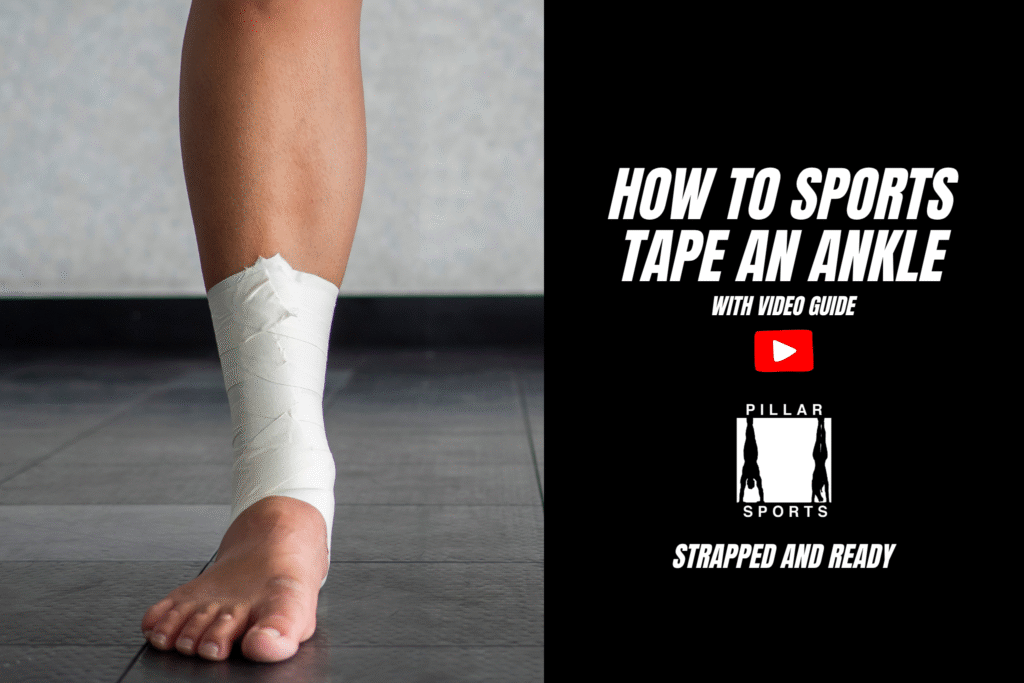
How to Wrap an Ankle for Sports: Easy Steps for Ultimate Support
If you play sports, you know how easy it is to twist or strain your ankle. Wrapping your ankle the right way can protect it from injury and help you recover faster if you get hurt.
But wrapping an ankle isn’t always simple—too tight or too loose can cause more problems. You’ll learn step-by-step how to wrap your ankle correctly. This simple skill can keep you on your feet and in the game. Ready to learn how to protect your ankle like a pro?
Keep reading.
Preparing The Materials
Getting ready to wrap your ankle for sports means first gathering the right materials. Having everything prepared saves time and helps you apply the wrap correctly. It also ensures your ankle gets the right support to prevent injuries or aid recovery.
Choosing The Right Tape
Not all tapes are created equal. Athletic tape is designed to stick well but still allow some flexibility. Look for tape that is about 1.5 to 2 inches wide; this size gives good coverage without being bulky.
Consider tape that is breathable and hypoallergenic if you have sensitive skin. Avoid duct tape or other household tapes—they lack the necessary stretch and can cause irritation. You might want to try kinesiology tape for added support and muscle activation, but it requires different wrapping techniques.
Gathering Additional Supplies
Besides tape, gather scissors, pre-wrap foam, and possibly an elastic bandage. Pre-wrap foam protects your skin and makes the tape easier to remove. Scissors are essential to cut the tape cleanly and avoid jagged edges that could peel off during activity.
Having an elastic bandage can help secure the wrap further and provide compression. It’s a good idea to have some adhesive spray or tape remover on hand to make tape removal painless. Don’t forget a clean towel or wipes to dry your ankle before wrapping—tape sticks best to dry skin.
Assessing The Ankle Condition
Before you start wrapping your ankle, it’s essential to assess its current condition carefully. Understanding the severity of the injury or strain helps you decide how tight and supportive the wrap should be. Taking a moment to check your ankle can prevent further damage and speed up your recovery.
Checking For Swelling Or Bruising
Look closely at your ankle for any visible swelling or bruising. Swelling usually indicates inflammation or fluid buildup, which means you should avoid tight wrapping to prevent cutting off circulation. Bruising can point to a more serious injury, like a sprain or tear, requiring gentle support and possibly medical attention.
Gently press around the ankle to feel for tenderness or warmth, signs that inflammation is present. Ask yourself: does the swelling increase throughout the day? This can influence how you manage the wrap and whether you need to rest more.
Determining The Level Of Support Needed
Once you know the ankle’s condition, decide how much support to provide. Mild discomfort or slight instability might only need a light wrap to keep the joint stable. More severe pain or a feeling that your ankle could give out means you should apply firmer support with a more structured wrap.
Think about your planned activity. Will you be running, jumping, or walking lightly? Your support level should match the intensity of your movement to protect without restricting blood flow or mobility excessively. Ask yourself: do you feel confident moving with the wrap on, or is it too tight or loose?
Positioning The Ankle
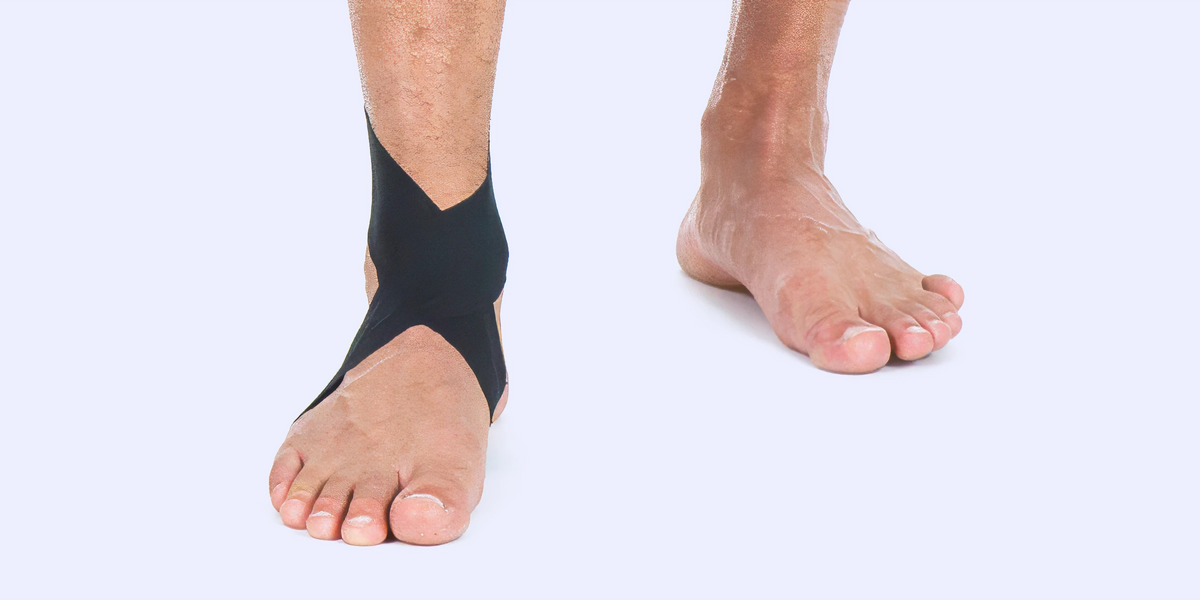
Positioning the ankle correctly is key for effective support during sports. The ankle must be stable and ready to move safely. Proper placement helps prevent injuries and aids healing. This section covers how to align the foot and ensure comfort while wrapping.
Proper Foot Alignment
Start by placing the foot at a 90-degree angle to the leg. This position keeps the ankle in a neutral state. Avoid pointing the toes up or down too much. Keep the foot flat on the ground if possible. This alignment reduces strain on ligaments and tendons. It also allows the wrap to fit snugly without cutting off circulation.
Ensuring Comfort
Comfort is vital for wearing the wrap during sports activities. Use a soft, breathable wrap to avoid skin irritation. Wrap the ankle firmly but not too tight. Check for any numbness or tingling, which signals poor circulation. Leave room for natural movement, especially around the heel and ankle bones. Adjust the wrap as needed to maintain a balance between support and comfort.
Credit: www.vivehealth.com
Starting The Wrap
Starting the wrap is the most important phase when you want to protect your ankle for sports activities. Getting this part right sets a solid foundation for stability and support throughout the game. If you miss the basics here, the wrap might loosen or fail to hold the ankle properly.
Creating The Anchor
Begin by placing the ankle at a 90-degree angle to your leg. This position keeps the foot neutral and ready for wrapping.
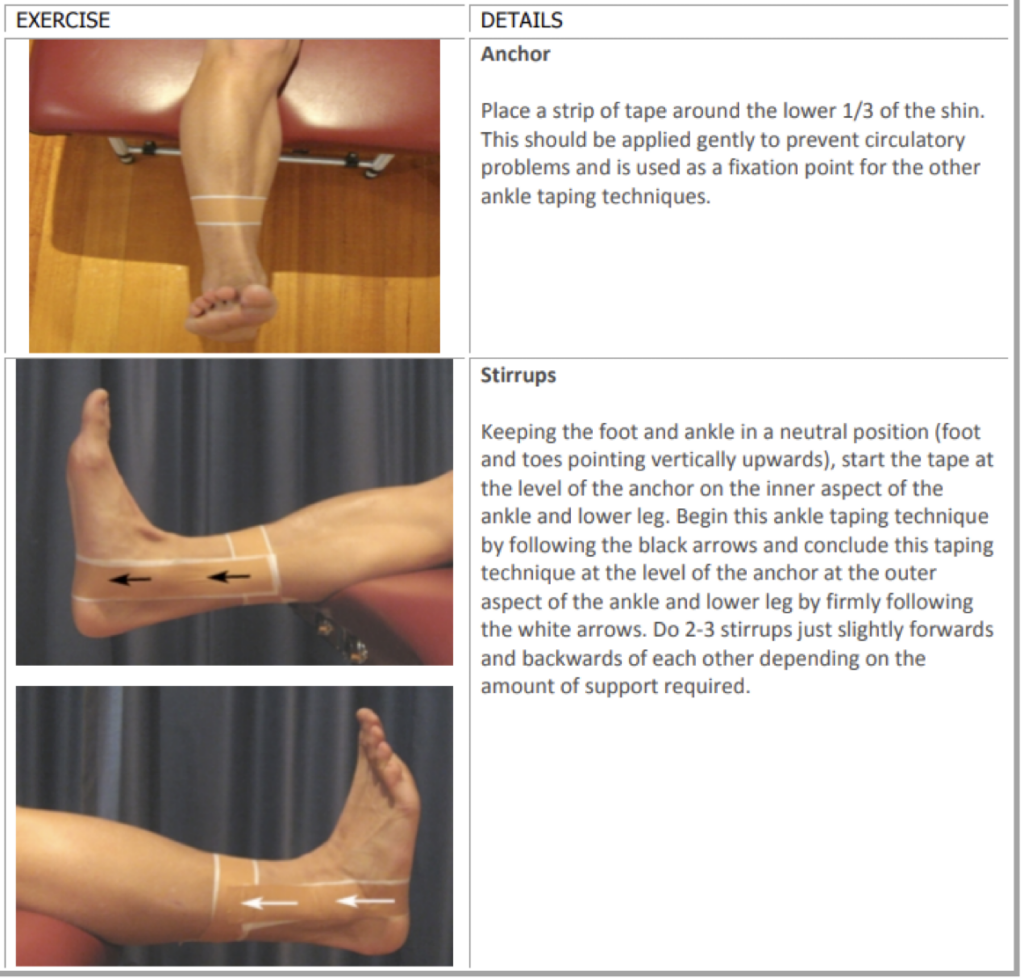
Use the tape or bandage to circle around the lower part of your leg, just above the ankle bone. This first loop acts as the anchor, holding everything in place.
Make sure the anchor is snug but not too tight—you want to avoid cutting off circulation. Check by pressing a fingertip on your skin; it should bounce back quickly.
Applying Initial Tension
As you start wrapping from the anchor, gently pull the tape to apply tension. This tension is key to providing support without discomfort.
Keep a consistent stretch while wrapping. Uneven tension can cause the wrap to bunch up or slide, reducing its effectiveness.
Ask yourself: Does the wrap feel firm but comfortable? If it feels too loose or too tight, you might need to adjust and start over.
Building The Support
Building the support around your ankle is the key to preventing injuries and enhancing performance during sports. The way you apply the tape can make a huge difference in how stable and secure your ankle feels. Focus on creating a firm base that locks the joint without cutting off circulation or limiting necessary movement.
Crossing The Tape For Stability
Start by anchoring the tape around your lower leg and foot. Then, apply strips in a crisscross pattern over the ankle joint. This crossing technique mimics the natural support of ligaments, helping to keep your ankle from rolling sideways.
Make sure each strip overlaps the previous one by about half its width. This overlap creates a tighter, more secure hold. Think about how sports trainers wrap ankles—you want that same level of firm support without discomfort.
Layering For Reinforcement
Once you have the basic cross pattern, add extra layers to the most vulnerable areas. Focus on the sides of your ankle where sprains often happen. Use multiple layers to reinforce these spots and reduce the risk of twisting.
Don’t wrap too tightly; instead, build up support gradually with each layer. This approach not only strengthens the tape job but also allows you to adjust the pressure as needed during the activity. How much layering feels right can depend on your ankle’s condition and the sport you play.
Credit: benchmarkphysio.com.au
Securing The Wrap
Securing the wrap is the final and most important part of ankle taping. It holds the support in place during movement. Without proper securing, the wrap can loosen and fail to protect the ankle.
Focus on making the wrap snug but comfortable. The goal is to limit ankle motion without cutting off circulation. A well-secured wrap helps reduce injury risk and supports healing.
Final Strips For Closure
Use additional strips of tape to lock the wrap. Place them over the end of the bandage to keep it from unraveling. Wrap these strips around the ankle, covering all loose edges.
Apply the strips evenly on both sides of the ankle. This creates a strong, balanced hold. Avoid placing strips too tightly to prevent discomfort or swelling.
Checking For Tightness
Test the wrap’s tightness by moving the ankle gently. The wrap should feel firm yet flexible. Check for any numbness or tingling, which means it is too tight.
Make sure toes stay warm and can move slightly. If the wrap feels uncomfortable, adjust or remove and reapply it. Proper tightness keeps blood flowing and provides good support.
Testing Mobility
Testing mobility after wrapping your ankle is crucial to ensure the wrap supports your joint without restricting necessary movement. You want to feel secure, not stiff or uncomfortable. This phase helps you identify if adjustments are needed before hitting the field or court.
Performing Basic Movements
Start by gently moving your ankle through its normal range of motion. Point your toes up and down, then try side-to-side movements. Pay attention to any tightness or pain during these motions.
Walking a few steps can also reveal if the wrap feels too loose or too tight. Does your ankle feel stable as you shift weight from heel to toe? If your movement feels awkward or restricted, it’s worth rewrapping to improve flexibility.
Ensuring Comfort And Security
Comfort is just as important as security. The wrap should hold your ankle firmly without cutting off circulation. Check for numbness, tingling, or coldness in your foot—signs the wrap might be too tight.
Ask yourself: Can you flex your foot enough to perform your sport’s movements? If not, adjust the tension or reposition the wrap. Remember, a well-wrapped ankle protects without limiting your ability to perform.
Common Mistakes To Avoid
Wrapping an ankle for sports requires care and attention. Avoiding common mistakes helps protect the ankle and improves support. Many make errors that reduce the effectiveness of the wrap or cause discomfort. Understanding these mistakes ensures better results and safer activity.
Over-tightening The Tape
Wrapping too tight cuts off circulation. This causes numbness and swelling. The ankle feels cold or blue. Tight wraps limit movement and cause pain. The goal is firm support, not squeezing. Check for signs of poor blood flow often. Loosen the tape if needed. Proper tightness keeps blood flowing and supports the joint well.
Neglecting Proper Technique
Skipping steps weakens the wrap’s support. Incorrect tape placement can leave the ankle unstable. Overlapping tape too loosely or too tightly reduces effectiveness. The tape should cover key areas like the heel and around the ankle bones. Failing to anchor the tape properly leads to slipping during activity. Follow a clear wrapping sequence for best results. Practice helps perfect the technique and avoid errors.
Tips For Optimal Support
Getting the right support from your ankle wrap can make all the difference during sports. It’s not just about wrapping tightly but wrapping smartly. Paying attention to key tips can help you protect your ankle and boost your confidence on the field.
Regular Practice For Skill
Wrapping your ankle well takes practice. The first few times, your wrap might feel too tight or too loose. Try wrapping before practice sessions to build muscle memory.
Notice how the wrap feels during movement. Does it stay secure? Does it restrict your motion too much? Adjust based on those feelings.
Over time, you’ll develop a rhythm that fits your foot shape and activity level. Have you ever tried wrapping your ankle without looking? That’s a good test of your skill.
Adjusting Techniques For Different Sports
Not all sports demand the same ankle support. Basketball players often need more lateral stability due to quick side-to-side moves. Runners might prioritize compression and swelling control instead.
Think about the movements you make most. Do you jump a lot? Sprint? Change direction sharply? Adjust your wrap to reinforce those stresses.
For example, adding figure-eight patterns can help with side-to-side stability, while a simple circular wrap may suffice for jogging. Are you tailoring your wrap to your sport’s unique demands?
Credit: www.tiktok.com
Frequently Asked Questions
How Tight Should Ankle Wrap Be For Sports?
An ankle wrap should be snug but not too tight. It must support without cutting off circulation. Check comfort and ensure toes stay warm and pink.
When Is The Best Time To Wrap An Ankle?
Wrap your ankle before sports to prevent injury. Also, wrap immediately after a sprain to reduce swelling and support healing.
What Type Of Bandage Is Best For Ankle Wrapping?
Use an elastic, breathable bandage for ankle wrapping. It provides flexibility, support, and comfort during physical activities.
Can Ankle Wrapping Improve Sports Performance?
Yes, ankle wrapping stabilizes the joint, reducing injury risk. It boosts confidence and allows better movement in sports.
Conclusion
Wrapping an ankle correctly helps protect it during sports. It supports the joint and can reduce pain. Use firm but gentle pressure to avoid cutting off circulation. Practice the steps slowly to get it right. A well-wrapped ankle can keep you active and safe.
Always check comfort and adjust as needed. Stay safe and enjoy your game with proper ankle care.