How to Sports Wrap an Ankle: Expert Tips for Fast Recovery
If you’ve ever twisted your ankle during a game or workout, you know how painful and frustrating it can be. Knowing how to sports wrap an ankle properly can make a big difference in reducing pain, swelling, and speeding up your recovery.
In this guide, you’ll learn simple, step-by-step techniques to wrap your ankle like a pro. Whether you’re dealing with a minor sprain or just want extra support during activity, mastering this skill will give you confidence and help protect your ankle when it matters most.
Keep reading to discover how easy it is to wrap your ankle the right way.
Benefits Of Ankle Sports Wrapping
Wrapping an ankle for sports offers many important benefits. It helps protect the ankle during activity. Wrapping provides support and limits harmful movements. It also helps control swelling after injury. These benefits work together to keep the ankle safe and help athletes perform better.
Prevention Of Further Injury
Sports wrapping reduces the risk of new injuries. It keeps the ankle stable and stops it from twisting. This lowers the chance of sprains or strains. Wrapping also reminds athletes to move carefully. This extra caution protects the ankle during intense play.
Support And Stability
Wrapping adds firm support to weak or injured ankles. It holds the joint in place to prevent unwanted movement. This support helps athletes feel more confident. It allows them to stay active without pain or fear of damage. The wrap acts like an extra layer of strength.
Reduction Of Swelling
Compression from the wrap helps reduce swelling quickly. It stops fluid from building up around the injury. Less swelling means less pain and faster healing. Wrapping also improves blood flow to the area. This speeds up recovery and reduces stiffness.
Credit: www.tiktok.com
Materials Needed For Wrapping
Knowing exactly what materials you need before wrapping an ankle can save you time and ensure the wrap is effective. Having the right supplies helps protect the ankle properly and provides the support it needs during sports activities. Let’s break down the essential items that you should have ready before you start wrapping.
Types Of Tape
Choosing the right tape is crucial. Athletic tape comes in different widths, usually 1.5 to 2 inches, allowing you to customize the support. Rigid tape offers strong support but limits movement, while elastic tape provides flexibility and compression.
Think about your sport and the level of support your ankle needs. Do you prefer more stability or some movement? This will guide your tape choice.
Padding Supplies
Padding protects your skin from irritation and adds comfort. Foam or cotton underwrap is commonly used beneath the tape to prevent chafing. You might also want to use heel and lace pads to avoid blisters and pressure points.
Have you ever experienced tape rubbing off or causing blisters? Adding padding can make a big difference during long games or training sessions.
Scissors And Adhesive
Sharp scissors are essential for cutting tape cleanly and quickly. Dull scissors can fray tape edges, reducing the wrap’s effectiveness. You’ll also want adhesive spray or tape adherent to keep the tape from slipping, especially if you sweat a lot.
Imagine your tape loosening halfway through the game—annoying, right? Using adhesive products can keep your wrap secure no matter how intense the action gets.
Step-by-step Wrapping Guide
Wrapping an ankle correctly can make a huge difference in support and injury prevention. It’s not just about putting tape on; it’s about how you prepare, position, and apply the tape to ensure stability and comfort. Let’s walk through the essential steps to help you wrap an ankle like a pro.
Preparation And Positioning
Start with a clean, dry ankle free of oils or lotions. This helps the tape stick better and last longer during activity.
Position the ankle at a 90-degree angle. This means your foot should be flat, neither pointing down nor flexed up. Holding this position prevents the tape from being too tight or too loose once you start moving.
Think about the area you want to protect. Are you dealing with swelling or a previous injury? Adjust your wrapping approach accordingly to provide extra support where needed.
Application Of Padding
Use padding to protect the skin from irritation caused by the tape. Foam or felt pads work well around the ankle bones or any bony areas.
Apply padding smoothly without wrinkles. Uneven padding can cause discomfort or even blisters during activity.
Don’t forget to cover any spots where your skin feels sensitive. Adding padding there can make a big difference in comfort.
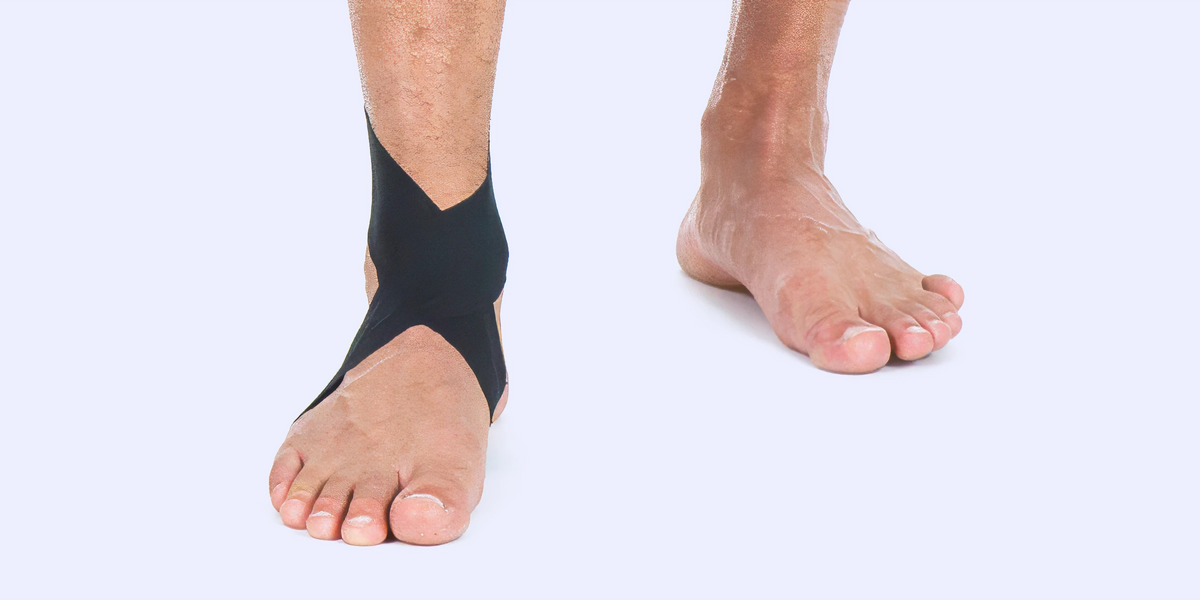
Proper Tape Technique
- Anchor strips:Begin with anchor strips around the lower calf and the foot’s arch. This sets the foundation for your wrap.
- Stirrup strips:Apply tape from one side of the ankle under the heel to the other side. These strips provide side-to-side stability.
- Figure-eight strips:Wrap tape in a figure-eight pattern around the ankle and foot. This locks the ankle in place and limits unwanted movement.
- Heel locks:Finish with heel locks for extra security. These loops around the heel prevent the tape from slipping during activity.
Keep the tape snug but not too tight. You want support without cutting off circulation. Check for numbness or color changes in your toes as a quick test.
Have you ever wrapped your ankle only to find the tape bunches or loses grip? Paying attention to each step makes your wrap last longer and feel better.
Credit: www.vivehealth.com
Common Mistakes To Avoid
Sports wrapping an ankle helps support and protect it during activity. Avoiding common mistakes ensures the wrap works well. Mistakes can reduce support or cause discomfort. Focus on the right technique to keep the ankle stable and safe.
Too Tight Wrapping
Wrapping too tightly cuts off blood flow. This causes numbness, tingling, and swelling. The ankle may feel cold or change color. Always check the wrap’s tightness by moving your toes. The wrap should be snug but allow circulation.
Incorrect Tape Direction
Wrapping tape in the wrong direction weakens support. The tape must follow the ankle’s natural movement. Apply tape from the foot to the leg, not the other way. Proper direction helps prevent the ankle from rolling or twisting.
Inadequate Padding
Skipping padding causes skin irritation and blisters. Padding cushions the ankle and reduces friction. Use soft padding under the tape, especially on bony areas. This protects skin and makes the wrap more comfortable.
Tips For Enhanced Recovery
Proper care after wrapping an ankle helps speed up healing. Simple habits improve recovery and reduce swelling. Follow these tips to support your ankle and feel better faster.
Rest And Elevation
Rest stops more damage to the injured ankle. Avoid putting weight on it for a day or two. Elevate the foot above heart level to reduce swelling. Use pillows to keep the ankle raised while sitting or lying down.
Ice Therapy
Apply ice packs to the ankle for 15-20 minutes each time. Cold reduces pain and swelling by narrowing blood vessels. Use ice every 2 to 3 hours during the first 48 hours. Wrap ice in a cloth to protect the skin from frostbite.
Gentle Exercises
Start gentle movements after swelling goes down. Simple ankle circles or toe flexes improve blood flow. Avoid heavy exercise until the ankle feels stronger. Gradual movement helps regain flexibility and prevents stiffness.
When To Seek Professional Help
Knowing when to seek professional help after wrapping a sports injury is crucial. Not every ankle pain needs a doctor, but some signs indicate deeper damage. Ignoring these signals could make your injury worse or slow your recovery.
Persistent Pain
If the pain in your ankle doesn’t ease after a day or two of rest and wrapping, it’s a red flag. Pain that lingers or gets worse might mean a sprain is more severe than you thought. You should consult a healthcare professional who can assess if there’s a tear or fracture.
Severe Swelling
Swelling is normal after an ankle injury, but severe or rapidly increasing swelling is a warning sign. If your ankle looks distorted or the swelling doesn’t reduce with ice and elevation, seek medical advice. Professional evaluation can rule out broken bones or serious ligament damage.
Loss Of Mobility
Can you move your ankle freely, or does it feel locked or extremely stiff? Losing the ability to move your ankle or bear weight without sharp pain means you need professional help. Early diagnosis and treatment prevent long-term issues like chronic instability or arthritis.
Credit: www.tiktok.com
Frequently Asked Questions
How Do You Properly Sports Wrap An Ankle?
Start by securing the wrap around the foot’s arch. Then, spiral the wrap upward, covering the ankle snugly. Finish by fastening the wrap to provide firm support without cutting off circulation.
When Should You Use An Ankle Sports Wrap?
Use an ankle wrap during physical activities to prevent injuries. It helps stabilize weak ankles or supports healing from minor sprains.
Can Ankle Wrapping Reduce Swelling After Injury?
Yes, wrapping the ankle compresses tissues and limits swelling. It aids recovery by improving blood flow and reducing inflammation.
What Materials Are Best For Ankle Sports Wraps?
Elastic bandages or cohesive wraps are ideal. They offer stretch, support, and comfort while allowing movement and breathability.
Conclusion
Sports wrapping an ankle helps protect and support it during activity. Use a clean, elastic wrap and apply it firmly but not too tight. Start from the foot, move around the ankle, and secure the wrap well. This method reduces swelling and lowers injury risk.
Practice wrapping before playing sports to feel confident. Remember, proper care aids faster recovery. Stay safe and keep your ankles strong!