How Much are My Sports Cards Worth: Discover the Value
Have you ever wondered, “How much are my sports cards worth?” Whether you’ve been collecting for years or just found a stack in your attic, knowing the value of your cards can be exciting—and a little confusing. Your collection could be worth more than you think, but finding out the true price takes more than a quick guess.
You’ll discover simple ways to check your cards’ worth, avoid common mistakes, and unlock hidden value in your collection. Keep reading, and you might be surprised by what’s waiting inside your sports cards.
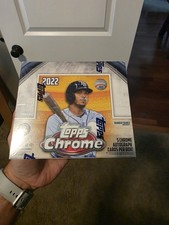
Credit: www.cardboardconnection.com
Factors Affecting Sports Card Value
Knowing how much your sports cards are worth means understanding several key factors that influence their value. Each card carries its own story, and small details can greatly affect its price. Let’s break down what really matters when you check the value of your sports cards.
Player Popularity
The player on the card is often the biggest driver of its value. Cards featuring legendary athletes or current superstars usually demand higher prices. Think about a rookie card of a Hall of Famer versus a lesser-known player—there’s a big difference in demand.
Have you noticed how a player’s career milestones or off-field reputation can suddenly spike interest? Your card’s worth might rise or fall depending on how the player is performing or perceived.
Card Condition
Condition is critical. Cards with sharp corners, no creases, and vibrant colors fetch better prices. Even minor damage can cut value significantly.
Consider how you handle your cards—have you protected them properly? Using sleeves and hard cases isn’t just for looks; it preserves your investment.
Rarity And Print Runs
The fewer cards produced, the rarer and usually more valuable they are. Limited editions, short print runs, or error cards often catch collectors’ eyes.
Ask yourself: is your card part of a mass-produced set, or is it a rare find? This question can guide you to understand its market standing.
Autographs And Special Features
Cards with authentic autographs or game-used memorabilia pieces add a premium to value. These special features create uniqueness.
However, authenticity matters. A genuine autograph verified by a trusted source can boost your card’s price, while questionable signatures might hurt it.

Credit: www.reddit.com
Popular Methods To Estimate Card Worth
Estimating the worth of sports cards involves various approaches. These methods help collectors and sellers understand a card’s market value. Each approach offers unique insights and tools. Using multiple methods provides a clearer picture of your card’s true value.
Online Price Guides
Online price guides offer quick access to card values. These websites list current prices based on recent sales and trends. They update regularly to reflect market changes. Users can search by player, year, or card set. Price guides are user-friendly and free or subscription-based.
Auction Results
Auction results reveal what buyers actually pay for cards. Sites like eBay show completed sales and final prices. Review sold listings to see realistic market demand. Auction prices can fluctuate based on card condition and rarity. This method shows real-time value through competitive bidding.
Professional Grading Services
Professional grading assigns a quality score to your card. Companies like PSA, Beckett, and SGC grade cards on condition and authenticity. Graded cards often sell for higher prices due to verified quality. The grading report adds trust and transparency for buyers. This method helps set a premium value for top-condition cards.
Sports Card Marketplaces
Sports card marketplaces connect buyers and sellers directly. These platforms show listing prices and completed sales. Marketplaces provide a wide variety of cards and price ranges. Users can compare similar cards to gauge value. It’s a practical way to track supply and demand trends for specific cards.
How To Assess Your Card’s Condition
Assessing the condition of your sports card is a key step in figuring out its value. Small details can make a big difference in price, so knowing what to look for helps you avoid surprises. Take your time and look carefully at each part of the card to get a clear picture of its state.
Checking Edges And Corners
Edges and corners show wear quickly, so inspect them closely. Look for any fraying, bends, or whitening. Even slight damage here can lower the card’s worth significantly.
Hold the card under good light and tilt it to spot any dents or chips. Ask yourself: Are the corners sharp and intact, or do they show signs of handling? This simple check often reveals the card’s real condition.
Surface Inspection
Examine the card’s surface for scratches, stains, or dirt. Run your eyes over the front and back to spot any marks that could reduce its appeal. Surface quality affects both the card’s look and its grade.
Use a magnifying glass if needed to see tiny scratches or print defects. Remember, even a small crease or fingerprint can affect the card’s value. Have you noticed any spots that don’t belong?
Centering And Print Quality
Centering refers to how the image sits on the card. Poor centering, where the image is off to one side, lowers the card’s grade. Check if the borders are even around the picture.
Print quality matters too. Look for clear, sharp images without blurriness or fading. A well-centered card with crisp printing usually commands a higher price.
Using Grading Scales
Grading scales help you understand your card’s condition in a standard way. The most common scale runs from 1 (Poor) to 10 (Gem Mint). Knowing this scale lets you compare your card with others on the market.
Consider submitting your card to professional graders if it looks valuable. Their detailed report can boost buyer confidence and increase sale price. Do you think your card could reach a high grade?
Using Grading Companies Effectively
Using grading companies can help you understand your sports cards’ true value. These services evaluate your card’s condition and assign a grade. This grade makes your card more trusted by buyers and collectors. Knowing how to use grading companies effectively saves time and money. It also helps you get the best possible price for your cards.
Top Grading Services
- Professional Sports Authenticator (PSA) – Industry leader known for strict grading.
- Beckett Grading Services (BGS) – Popular for basketball and baseball cards.
- Certified Guaranty Company (CGC) – Trusted for comic and sports cards grading.
Submission Process
Start by choosing the right grading company for your card type. Prepare your cards by placing them in protective sleeves or holders. Fill out the submission form carefully with accurate card details. Ship your cards using a secure and trackable method. Wait for the grading company to inspect and grade your cards.
Impact On Card Value
Graded cards often sell for higher prices than ungraded ones. A high grade means the card is in excellent condition. Lower grades indicate wear or damage, which lowers value. Grading adds credibility and trust to your card’s condition claim. Collectors prefer graded cards for their verified quality and protection.
Costs And Turnaround Times
| Service | Cost Range | Turnaround Time |
|---|---|---|
| PSA | $20 – $100+ | 2-8 weeks |
| BGS | $15 – $80+ | 3-6 weeks |
| CGC | $10 – $50+ | 1-4 weeks |
Costs vary by card value and service level. Faster services cost more. Plan submissions based on your budget and timeline.
Selling Your Sports Cards
Selling your sports cards can bring good money if done right. Knowing where to sell, how to price, and how to handle buyers helps get the best deal. Protect your collection and wallet by learning key selling tips.
Choosing The Right Platform
Pick a platform that fits your card type and sale goals. Online marketplaces like eBay reach many buyers quickly. Specialty sports card forums attract collectors who value rare cards. Local shops offer face-to-face deals but may offer less money. Consider fees, audience, and convenience before choosing.
Setting A Competitive Price
Research recent sales of similar cards to find a fair price. Price too high, and cards may not sell. Price too low, and you lose money. Factor in card condition and rarity. Use price guides and auction results to guide you. Start with a price that is attractive but leaves room for negotiation.
Negotiation Tips
Stay polite and patient with buyers. Respond quickly to questions to keep interest alive. Be ready to explain why your card is worth the price. Offer small discounts or bundle deals to close sales. Avoid rushing to accept the first offer. Know your lowest acceptable price before negotiating.
Avoiding Scams And Pitfalls
Watch for buyers who want to pay outside secure platforms. Use trusted payment methods like PayPal. Verify buyer profiles and reviews before shipping cards. Insure valuable shipments to protect against loss. Keep clear records of all transactions. Never share personal info beyond what is necessary for the sale.
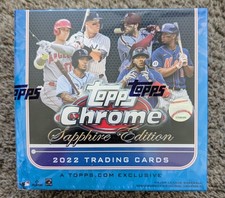
Credit: www.cardboardconnection.com
Trends Influencing Sports Card Prices
Sports card prices change due to several key trends. These trends shape how much collectors are willing to pay. Understanding them helps you know your card’s true value.
Current Market Trends
The sports card market often follows popular patterns. Certain sports or players gain attention fast. This raises card prices quickly. New card releases and vintage cards both impact prices. Social media also plays a big role in spreading hype.
Impact Of Player Performance
A player’s success directly affects card value. Winning games or breaking records can boost prices. Poor performance or injuries usually lower value. Rookie cards of rising stars often attract high demand. Fans want cards connected to players with strong careers.
Economic Factors
Wider economic conditions influence sports card prices. When the economy is strong, collectors spend more. During downturns, prices tend to drop. Inflation can increase the cost of rare cards. Interest rates and disposable income also affect buying habits.
Collector Demands
Collectors’ preferences shape which cards rise in value. Limited edition and graded cards are often worth more. Cards in mint condition attract serious buyers. Popular themes, like autographs or game-used memorabilia, increase demand. Trends in collecting shift over time, affecting card prices.
Frequently Asked Questions
How Can I Find My Sports Cards’ Current Market Value?
You can check your sports cards’ value using online price guides, auction sites, and collector forums. These platforms offer updated prices based on recent sales and market trends.
What Factors Influence The Worth Of Sports Cards?
Card condition, rarity, player popularity, and card age significantly affect sports cards’ value. Grading by professional services also boosts a card’s market price.
Are Graded Sports Cards Worth More Than Ungraded Ones?
Yes, graded sports cards usually command higher prices. Grading authenticates the card’s condition and protects it, increasing buyer confidence and value.
Where Can I Sell My Sports Cards For The Best Price?
You can sell your sports cards through online marketplaces, auction houses, or local card shops. Research each option to get the best deal.
Conclusion
Knowing your sports cards’ worth helps you make smart choices. Prices change with demand and card condition. Checking recent sales gives a good price idea. Grading cards can add value but costs money. Keep your cards safe to keep their value high.
Use trusted sources for accurate information. Your collection might be worth more than you think. Stay patient and watch the market closely. Enjoy collecting, and make decisions that feel right.