
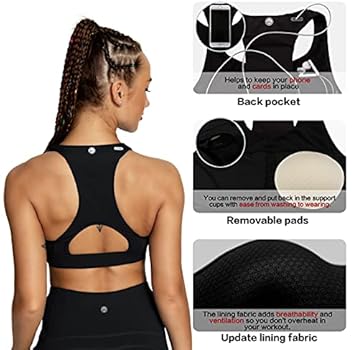
Putting on a sports bra might seem simple, but doing it the right way can make all the difference in your comfort and support. If you’ve ever struggled with straps digging in or felt like your bra just doesn’t fit right during a workout, you’re not alone.
Getting it on correctly can boost your confidence and help you move freely without distractions. Keep reading, and you’ll learn easy, step-by-step tips to make sure your sports bra fits perfectly every time. Your body—and your workouts—will thank you.

Credit: www.amazon.co.uk
Choosing The Right Sports Bra
Choosing the right sports bra is key for comfort and support. The right fit can reduce pain and improve your workout. Understanding different types, your size, and material helps make the best choice. This guide breaks down these important points.
Types Of Sports Bras
Sports bras come in various styles designed for different activities. Low-impact bras suit yoga and walking. Medium-impact bras work well for cycling and hiking. High-impact bras offer strong support for running and aerobics.
- Compression bras press the breasts against the chest.
- Encapsulation bras support each breast separately.
- Combination bras use both methods for extra support.
Finding Your Size
Size matters more than style. Measure your band size around the ribcage. Measure your bust at the fullest point. Subtract band size from bust size to find cup size. Try on different sizes to find a snug but comfortable fit.
| Measurement | How to Measure |
|---|---|
| Band Size | Measure around the ribcage, just under the breasts |
| Bust Size | Measure around the fullest part of the breasts |
Material Matters
Material affects comfort and sweat control. Look for fabrics that wick moisture away. Nylon and polyester blends dry quickly. Cotton can feel soft but holds sweat. Mesh panels increase breathability. Choose material based on your workout needs.
Preparing To Wear Your Sports Bra
Preparing to wear your sports bra helps ensure proper fit and support. Taking a moment to adjust it can prevent discomfort during workouts. The right setup makes all the difference for your exercise experience.
Adjusting Straps And Bands
Start by loosening the straps and band. This makes it easier to put on the bra. Once on, pull the band snugly around your ribcage. Adjust the straps so they sit comfortably on your shoulders. Avoid straps that dig into your skin or slip off. The band should feel firm but not too tight.
Checking For Comfort
Move your arms to test the fit. Make sure the bra stays in place without pinching. Check that the cups fully cover your breasts without gaps. Breathe deeply to ensure the band does not restrict your chest. Comfort here means better support and less distraction during activity.
Step-by-step Guide To Putting It On
Putting on a sports bra the right way helps you stay comfortable and supported. It feels better during exercise and protects your skin. Follow this step-by-step guide to put on your sports bra properly. It covers different styles and how to adjust the fit for the best support.
Front Closure Vs. Pullover Styles
Sports bras come in two main styles. Front closure bras have hooks or zippers at the front. They are easy to put on and take off. Pullover bras have no clasps. You wear them by pulling over your head. Choose the style that feels easiest for you.
Correct Positioning
Hold the bra with the straps facing up. Slip your arms through the straps if it is a pullover style. For front closure, fasten the hooks or zipper first. Pull the bra down so the band sits under your bust. Make sure the cups cover your breasts fully. Adjust the straps so they rest comfortably on your shoulders.
Securing The Fit
Check the band fits snugly around your ribcage. It should not be too tight or loose. Adjust the straps to avoid digging into your skin. Move your arms and shoulders to test comfort and support. The bra should stay in place without riding up. Fix any twists in the fabric for smooth contact with your skin.
Common Mistakes To Avoid
Putting on a sports bra seems simple but can be tricky. Many make common mistakes that reduce comfort and support. Avoid these errors to feel better and perform well during workouts.
Wearing The Wrong Size
Choosing the wrong size is a top mistake. Too tight causes pain and breathing trouble. Too loose offers no support and leads to discomfort. Always check your measurements. Sizes can differ by brand. Try on bras before buying. A good fit feels snug but not tight.
Ignoring Strap Adjustments
Straps need proper adjustment. Loose straps cause bouncing and poor support. Tight straps dig into your shoulders and cause pain. Adjust straps so they stay in place without digging in. Check them every time you wear the bra. Small tweaks make a big difference in comfort.
Not Checking Support Levels
Sports bras offer different support levels. Low, medium, and high impact support suits various activities. Using low support for running can cause pain and injury. High support bras might be too stiff for yoga. Pick a bra that matches your activity’s intensity. Support affects how well the bra protects your breasts.
Tips For Maintaining Comfort
Keeping your sports bra comfortable throughout your workout can make a huge difference in your performance and enjoyment. Comfort isn’t just about how it feels when you first put it on—it’s about how it supports you as you move. Paying attention to small adjustments and knowing when it’s time to replace your bra can keep discomfort at bay.
Adjusting During Activity
It’s normal for your sports bra to shift as you move, especially during high-intensity workouts. If you feel any pinching or excessive tightness, don’t ignore it. Take a moment to pause and adjust the straps or band to relieve pressure.
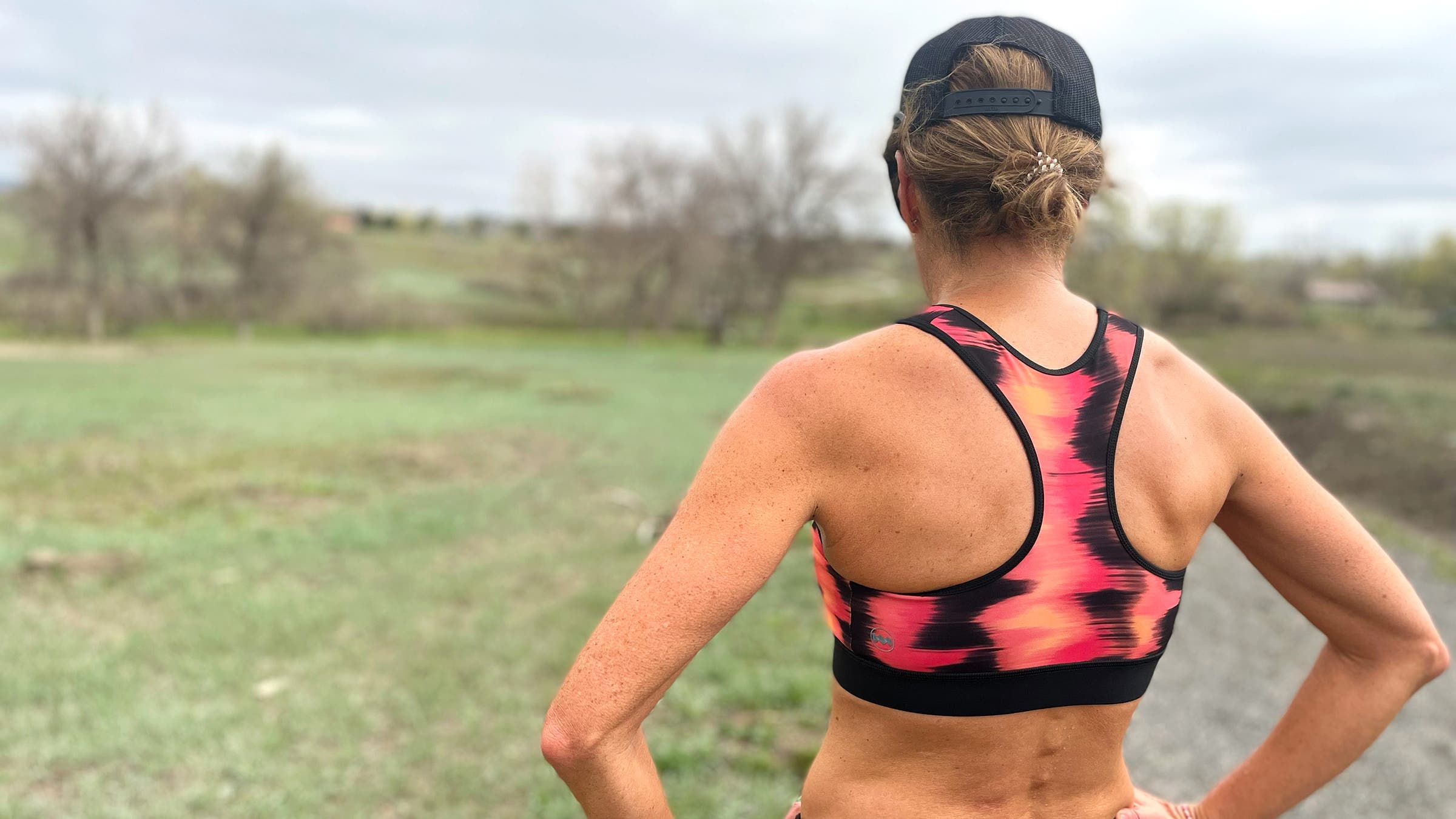
Consider using bras with adjustable straps or front closures for easier tweaks on the go. If your bra has a wide band, make sure it stays flat against your skin without rolling up. Small fixes like this can prevent chafing and distraction.
Have you ever noticed that discomfort grows as your workout progresses? That’s a sign to pay attention and adjust early before it becomes painful or affects your form.
When To Replace Your Sports Bra
Sports bras lose their support over time, even if they look fine on the outside. If you start feeling more bounce or less snugness, it’s time to think about a new one.
Watch for stretched-out elastic, worn fabric, or hooks that no longer fasten securely. These signs mean your bra isn’t providing the support your body needs.
Ask yourself: does your bra still feel as comfortable and supportive after washing? If not, replacing it can prevent discomfort and potential injury during workouts.
Credit: www.outsideonline.com

Credit: www.runnersworld.com
Frequently Asked Questions
How Do I Put On A Sports Bra Correctly?
Start by loosening the straps and hooks. Step into the bra or pull it over your head. Adjust straps and clasp the hooks securely for comfort and support.
What Is The Best Way To Adjust Sports Bra Straps?
Adjust straps so they fit snugly but not too tight. Straps should stay in place without digging into your shoulders or causing discomfort during movement.
How Can I Ensure My Sports Bra Fits Well?
Choose a size that feels supportive without restricting breathing. Check that the band is snug and cups fully cover your breasts without spillage.
Should I Fasten My Sports Bra In Front Or Back?
Most sports bras are designed to fasten in the back. You can also fasten in front and then rotate it around for easier wear.
Conclusion
Putting on a sports bra correctly helps you feel comfortable and supported. Take your time and follow the steps carefully. A good fit prevents pain and keeps you active longer. Remember to choose the right size and style for your body.
Practice makes it easier each time you wear it. Stay confident and enjoy your workout without distractions. Simple habits make a big difference in how you feel. Wearing your sports bra right helps you focus on what matters most.