How Should a Birkenstock Fit: Ultimate Guide for Perfect Comfort
If you’ve ever slipped on a pair of Birkenstocks, you know they feel different from other shoes. But how do you know if they fit just right?
Getting the perfect fit isn’t just about comfort—it can change the way you walk, support your feet, and even protect your health. You’ll discover simple tips to find the ideal Birkenstock fit, so you can enjoy every step without any pain or discomfort.
Keep reading to learn how to make your Birkenstocks feel like they were made just for you.

Credit: www.reddit.com
Choosing The Right Size
Choosing the right size for Birkenstocks is key to comfort and support. The fit should feel snug but not tight. Proper sizing helps avoid blisters and foot pain. This section guides you through measuring your foot and understanding Birkenstock sizing.
Measuring Your Foot
Measure your foot at the end of the day. Feet swell slightly during the day, so this timing gives the most accurate size. Stand on a piece of paper with your heel against a wall. Mark the tip of your longest toe. Measure the distance between the heel and toe mark in centimeters or inches.
Repeat the process for the other foot. One foot is usually slightly larger. Use the larger measurement to find your Birkenstock size.
Understanding Birkenstock Sizing
Birkenstocks use European sizes. These differ from US and UK shoe sizes. Check a size conversion chart to match your foot measurement with Birkenstock sizes.
Birkenstocks also come in two widths: regular and narrow. Choose based on your foot’s width. A narrow fit is best for slim feet. Regular width suits most people.
Birkenstock sandals should feel snug at first. The cork footbed will mold to your foot shape over time. Avoid buying larger sizes expecting them to stretch.
Adjusting The Straps
Adjusting the straps on your Birkenstocks is crucial to getting the perfect fit. The right strap tension keeps your foot secure without causing discomfort. Small adjustments can make a big difference in how your sandals feel throughout the day.
Importance Of Strap Position
The position of the straps directly affects your foot’s stability. If the straps are too loose, your foot slides around, which can lead to blisters or uneven wear on the footbed. Too tight, and they can pinch your skin or restrict blood flow, making your feet ache after a few hours.
Think about how your foot naturally moves as you walk. The straps need to hold your foot firmly but still allow enough room for natural flexing. This balance prevents both slipping and pressure points, ensuring comfort and support.
Achieving The Ideal Fit
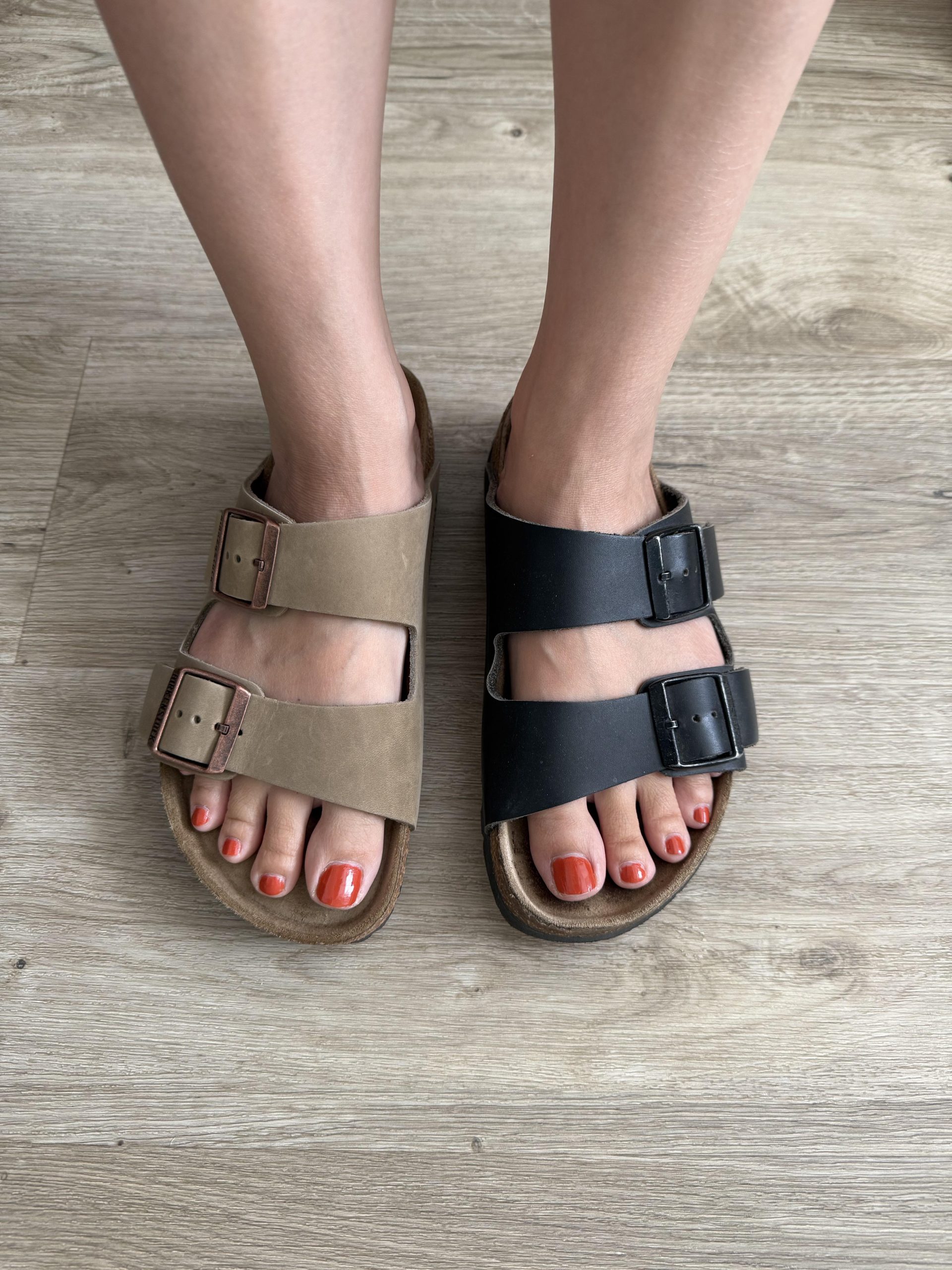
Start by loosening all straps before slipping your foot in. Once your foot is in place, adjust the straps so they hug your foot snugly. You should be able to slide one finger comfortably between the strap and your foot.
- Check the strap over your instep first—this controls most of the foot’s movement.
- Adjust the toe strap next, making sure it’s not digging into your skin.
- If your Birkenstocks have a heel strap, adjust it last to lock your foot in place.
Ask yourself: Does your foot feel secure without pressure? Can you walk naturally without your foot slipping forward? These questions help you fine-tune the fit.
Remember, strap adjustments can change throughout the day as your feet swell or shrink. Don’t hesitate to tweak the straps for better comfort when needed.
Assessing Arch Support
Assessing arch support is key to finding the right Birkenstock fit. The footbed is designed to hold your foot securely. Proper arch support helps reduce foot fatigue and improves comfort during long wear. Understanding how your foot aligns with the arch can prevent pain and ensure stability.
Identifying Proper Arch Placement
The arch of your foot should rest comfortably on the raised contour of the footbed. It should not hang off the edge or feel pinched. A correct fit means the footbed’s arch matches the shape of your foot’s arch. Check for even pressure along the arch area when standing.
- Stand barefoot on a flat surface.
- Place the Birkenstock footbed against your foot.
- Ensure the arch contour supports your foot’s curve.
- Feel for any gaps or pressure points.
Proper placement supports your foot’s natural shape. This prevents slipping and enhances comfort.
Customizing Arch Support
Not all feet have the same arch height. Some may need extra support or slight adjustments. Birkenstocks allow slight molding to match your foot’s curves better. Wearing the sandals for a few hours helps the cork footbed soften and shape around your arch.
- Wear your Birkenstocks at home to break them in.
- Check if the arch feels snug but not tight.
- Use thin insoles if extra lift is needed.
- Consult a specialist for custom orthotics if required.
Customizing arch support improves comfort and foot health over time. A well-fitted arch reduces strain and promotes natural walking.

Credit: www.reddit.com
Evaluating Toe Space
Evaluating toe space is essential to make sure your Birkenstocks feel comfortable throughout the day. Your toes need room to move naturally, but not so much that your foot slides around. Finding that perfect balance can change how you enjoy your sandals.
Ensuring Adequate Room
Check that there is a small gap—about a thumb’s width—between your longest toe and the end of the footbed. This space prevents your toes from hitting the edge when you walk. If your toes feel cramped or pressed against the front, the Birkenstocks may be too small.
Also, your toes should lie flat and spread out naturally on the footbed. Tight spaces can restrict movement and cause discomfort over time. Try walking around your home to feel if your toes have enough room to flex without slipping.
Avoiding Toe Cramping
Toe cramping usually happens when the sandal is too narrow or the footbed is too short. If you feel tightness or pinching around your toes, consider sizing up or choosing a wider width. Don’t ignore early signs of discomfort; they often lead to blisters or foot fatigue.
Think about how your toes behave during daily activities. Do they scrunch up or stay relaxed? If your toes curl unnaturally, your Birkenstocks aren’t fitting correctly. You want your toes to rest comfortably without effort, so you can wear your sandals all day without pain.
Breaking In Your Birkenstocks
Breaking in your Birkenstocks is key to enjoying their comfort. The cork footbed needs time to mold to your feet. This process creates a personalized fit that supports your arches. Patience during this phase leads to happy feet and long-lasting wear.
Gradual Adjustment Process
Wear your Birkenstocks for short periods at first. Start with 1 to 2 hours a day. Increase wear time slowly over several days. This helps your feet adapt to the new shape. Avoid wearing them all day right away. This approach prevents blisters and soreness.
Dealing With Initial Discomfort
Some tightness or pressure is normal at the start. Your feet need to get used to the firm footbed. Use thick socks to soften the feel during the first wears. Walking on carpeted floors can reduce friction. If pain lasts more than a week, check the fit again.

Credit: www.reddit.com
Maintaining Comfort Over Time
Keeping your Birkenstocks comfortable over time takes more than just picking the right size. The way they adjust to your feet and how you care for them daily plays a big role in maintaining that perfect fit. Paying attention to small changes can make a huge difference in how your sandals feel after months or years of wear.
Regular Adjustments
Your Birkenstocks have adjustable straps for a reason. As the cork footbed molds to your foot shape, the straps might loosen or tighten. Check them regularly and adjust to keep your foot secure without squeezing.
Think about how your feet swell during the day. You might need to loosen the straps in the afternoon and tighten them in the morning. This simple habit helps avoid discomfort and blisters.
Monitoring Wear And Tear
Birkenstocks are durable but not indestructible. Keep an eye on the soles and footbed for signs of wear like thinning cork or loss of grip. These changes affect support and can cause discomfort or even foot pain.
Replacing worn-out parts can extend the life of your sandals. Did you know many stores offer footbed replacements? It’s a smart way to keep your Birks feeling fresh without buying a new pair.
Frequently Asked Questions
How Tight Should Birkenstocks Fit?
Birkenstocks should fit snugly but not tightly. Your heel must stay secure without pinching. Toes should have enough room to move freely. Proper fit ensures comfort and support during wear.
Can Birkenstocks Be Too Loose?
Yes, Birkenstocks that are too loose cause instability. Loose straps lead to foot sliding and discomfort. A well-fitted sandal keeps your foot stable and supported.
Should My Toes Hang Over Birkenstock Soles?
No, toes should not hang over the sole edges. Proper fit means your toes stay on the footbed. This prevents discomfort and maintains the sandal’s support.
How To Check If Birkenstocks Fit Well?
Wear the sandals and walk around. Your heel should stay in place. The straps should not pinch or rub. Toes must move comfortably without slipping off.
Conclusion
Finding the right Birkenstock fit matters for comfort and foot health. Choose a size that feels snug but not tight. Your toes should move freely without slipping. The footbed must support your arches well. Wear them around the house first.
This helps the shoes mold to your feet. Remember, a good fit lasts longer and feels better. Take time to try different sizes if needed. Happy feet lead to happy steps.

Similar Posts