How Many People Fit Inside Madison Square Garden: Discover Facts
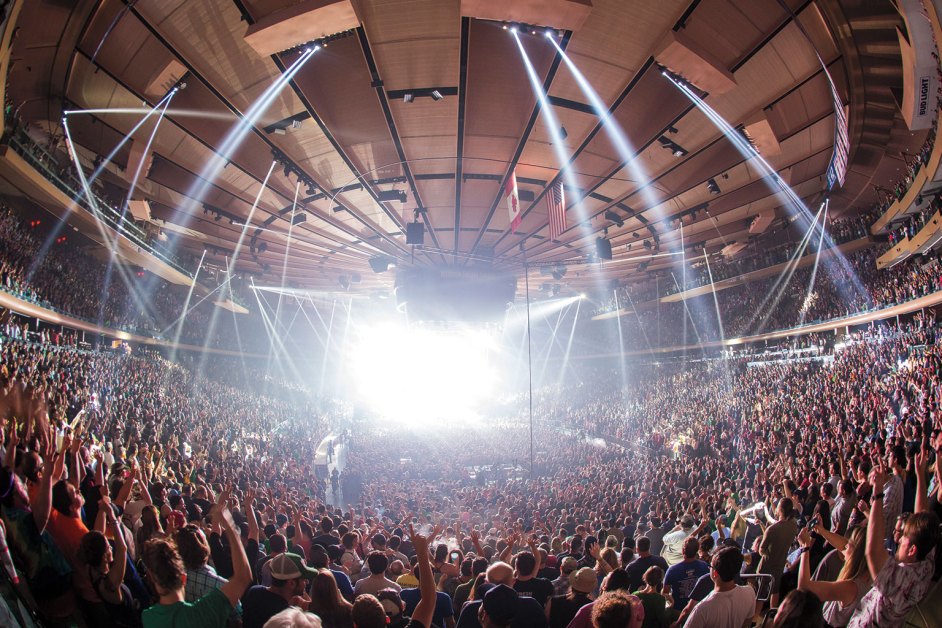
Have you ever wondered just how many people can fit inside Madison Square Garden? Whether you’re planning to attend a big game, a concert, or simply curious about this iconic venue, knowing its capacity can give you a whole new perspective.
Imagine being part of a crowd so huge that the energy feels electric, yet everyone fits comfortably inside one place. You’ll discover the exact number of people Madison Square Garden can hold and why this matters for your next visit.
Keep reading to find out what makes this arena special and how its size impacts your experience.

Credit: www.instagram.com
Madison Square Garden Capacity
Madison Square Garden is one of the most famous arenas in the world. Its capacity changes depending on the event type. This flexibility allows it to host sports, concerts, and many other events. Knowing its capacity helps fans understand the size and energy of the crowd during events.
Seating For Sports Events
For basketball and hockey games, Madison Square Garden holds about 19,000 people. The seats are arranged close to the playing area. This setup gives fans a great view of the action. The seating is divided into lower, middle, and upper levels.
Concert And Event Configurations
Concerts can fit more people than sports games. The stage setup changes the seating layout. For concerts, the arena can hold up to 20,000 attendees. Some seats are removed to make room for the stage and equipment. This allows for standing areas near the stage.
Standing Room And Vip Areas
Standing room spaces increase total capacity. These areas are often near the stage or along the arena sides. VIP sections offer premium seating and exclusive services. VIP areas have fewer seats but better comfort and views. They add a special experience for guests.

Credit: www.tiqets.com
Factors Affecting Capacity
Understanding the factors that affect how many people fit inside Madison Square Garden is key to grasping its versatile nature. Capacity isn’t fixed; it shifts based on several important elements. These details help you appreciate why the same venue can feel different depending on the event you attend.
Event Type And Setup
The kind of event significantly influences how many people Madison Square Garden can hold. Concerts often allow for more standing room on the floor, increasing capacity compared to sports games where seats are fixed around the court or rink.
Think about a basketball game versus a music festival inside the arena. The basketball court limits floor seating, but a concert stage setup can open up more space for fans to stand or sit closer together. Your experience changes because the layout shifts to fit the event’s needs.
Safety Regulations
Safety rules play a major role in determining capacity. Fire codes, emergency exits, and crowd control measures ensure everyone inside stays safe. These rules often cap the number of attendees to prevent overcrowding.
Have you ever noticed signs about emergency exits or restrictions on bringing certain items inside the arena? Those guidelines aren’t just for show—they directly impact how many people can be inside at once.
Temporary Modifications
Temporary changes, like additional seating or stage extensions, can either increase or reduce the number of people Madison Square Garden can hold. Sometimes, event organizers add platforms or VIP areas that take up extra space.
Imagine a special event where extra seats are added on the floor or parts of the venue are closed off for equipment. These adjustments make capacity flexible, adapting the arena to fit unique event requirements.
Historical Attendance Records
Madison Square Garden isn’t just a venue; it’s a place where history is made through unforgettable events and massive crowds. Its historical attendance records reveal not only the sheer size of its audience but also the passion and energy that fill the arena during key moments. Understanding these records helps you appreciate the scale and impact of gatherings held here.
Highest Crowds Ever Recorded
The highest attendance ever recorded at Madison Square Garden reached over 20,000 spectators. This number varies slightly depending on the event type—sports, concerts, or special shows—but it consistently hits that impressive mark.
One standout record was set during the 1970 NBA Finals, where the crowd swelled to around 20,789 fans. This peak attendance showcases the Garden’s ability to pack in tens of thousands of people, creating an electric atmosphere.
Have you ever wondered what it feels like to be part of such a vast crowd, all eyes glued to the same moment? The energy is palpable, and it’s no surprise these events become legendary.
Notable Events And Their Attendance
- Elton John Concert (1975):Drew approximately 20,000 fans, marking one of the largest concert attendances at the Garden.
- Madison Square Garden Wrestling Events (1980s):Regularly packed with over 18,000 passionate wrestling fans, setting the tone for modern sports entertainment.
- New York Knicks Playoff Games:Often reached near-capacity crowds, with attendance hovering around 19,000 during crucial playoff runs.
- Historic Boxing Matches:Some fights brought in crowds exceeding 19,500, highlighting the Garden’s place in boxing history.
Each event’s attendance tells a story about the cultural and social importance of Madison Square Garden. Knowing these numbers can give you a fresh perspective on how much impact a single event can have, both on attendees and the broader public.
Comparing With Other Arenas
Understanding how Madison Square Garden stacks up against other arenas can give you a clearer idea of its scale and design. Comparing capacities and layouts helps you appreciate why certain venues feel more packed or spacious during events. Let’s look closely at what sets Madison Square Garden apart from others.
Capacity Differences
Madison Square Garden can hold around 20,000 people for concerts and slightly fewer for sports events. This number is impressive but not the largest.
For example, the Staples Center in Los Angeles accommodates about 21,000 spectators, while the United Center in Chicago holds over 23,000. On the other hand, the Tokyo Dome fits around 55,000 people, almost triple the size.
These differences affect the atmosphere you experience. Would you prefer the intimacy of a smaller crowd or the energy of a massive audience? Your choice might change depending on the event type.
Design And Space Utilization
Madison Square Garden is known for its multi-purpose design, which means it adapts to various event types quickly. This flexibility sometimes limits how many seats can fit because space must be available for different setups.
In contrast, arenas like the Mercedes-Benz Stadium in Atlanta use innovative designs to maximize seating without sacrificing comfort. They often have retractable roofs and movable sections to adjust the space efficiently.
Have you noticed how some arenas feel more cramped even with fewer seats? It often comes down to how the space is arranged rather than just the number of seats. This impacts your overall experience, from visibility to comfort.
Future Plans And Renovations
Madison Square Garden is planning several updates to improve the experience. These future plans aim to modernize the venue and adjust its seating layout. The changes focus on comfort, visibility, and overall capacity. Renovations will help keep the arena competitive and attractive for events.
Proposed Changes To Seating
The new design includes wider seats and better legroom. Some sections will be restructured for easier access. Technology upgrades will enhance the viewing experience for every guest. VIP areas may be expanded with premium seating options. The goal is to blend comfort with style and function.
Impact On Capacity
Seating changes could affect how many people fit inside. Some areas might lose seats due to added space. Other parts could gain seats through smarter layout planning. Overall, the capacity may stay close to current numbers or slightly change. Balancing comfort and capacity is a key focus of renovations.
Credit: m.yelp.com
Frequently Asked Questions
How Many People Can Madison Square Garden Hold?
Madison Square Garden has a seating capacity of approximately 20,000 for most events. This includes concerts, sports, and other large gatherings, making it one of the largest indoor arenas in New York City.
Does Seating Capacity Vary By Event Type?
Yes, seating changes based on the event. For example, basketball games seat around 19,800 people, while concerts may hold up to 20,000 with floor seating arrangements.
Is Madison Square Garden The Largest Arena In Nyc?
No, while Madison Square Garden is iconic, it is not the largest arena in New York City. Other venues like the Barclays Center offer different capacities depending on event setups.
Can Madison Square Garden Host Standing-room-only Events?
Yes, some events allow standing-room-only tickets, increasing total capacity slightly beyond seated limits. This is common during concerts and special events to maximize attendance.
Conclusion
Madison Square Garden holds a large crowd for many events. Its seating capacity changes based on the event type. For basketball, it fits about 20,000 fans. Concerts can hold a similar number or more. This arena stands as a famous spot in New York.
People come from everywhere to enjoy shows here. Knowing its size helps plan visits and tickets. The space inside Madison Square Garden makes every event special.

Similar Posts