How Long Has Basketball Been an Olympic Sport: Unveiling History

Have you ever wondered how long basketball has been part of the Olympic Games? If you’re a fan of the sport or just curious about its history, this question might have crossed your mind.
Knowing when basketball first became an Olympic sport can give you a deeper appreciation for the game you love. You’ll discover the fascinating story behind basketball’s Olympic debut and how it has grown on the world’s biggest stage. Keep reading to uncover facts that might surprise you and connect you even more with basketball’s global journey.
Early Beginnings Of Basketball
Basketball’s early days reveal a simple start that led to worldwide fame. The sport began as a creative solution to indoor exercise during winter. It quickly captured attention and grew in popularity, especially in the United States. Understanding these roots helps explain how basketball became an Olympic sport.
Invention By Dr. James Naismith
In 1891, Dr. James Naismith invented basketball in Springfield, Massachusetts. He wanted a new indoor game to keep his students active. The first game used a soccer ball and two peach baskets as goals. Naismith wrote thirteen basic rules to guide the play. The game focused on skill, teamwork, and fun.
The simplicity of the rules made basketball easy to learn and teach. It quickly spread to other schools and communities. Naismith’s invention laid the foundation for a sport that would grow globally.
Growth And Popularity In The U.s.
Basketball gained fast popularity across the United States after its creation. Schools, colleges, and community clubs started forming teams. The sport became a way for young people to stay active and compete. By the early 1900s, basketball leagues and tournaments were common.
Its appeal came from fast-paced action and teamwork. Players could use speed, strategy, and skill to win games. This attracted many fans and helped basketball spread beyond its original home.

Credit: www.olympics.com
Basketball’s Introduction To The Olympics
Basketball’s journey to becoming an Olympic sport is a fascinating story that shows how a game invented in a small gym quickly grew into a global phenomenon. Understanding when and how basketball first appeared in the Olympics helps you appreciate its impact on the world stage. Let’s look at the key moments that marked basketball’s Olympic debut and official inclusion.
Debut At The 1904 St. Louis Games
Basketball made its first Olympic appearance at the 1904 St. Louis Games, but not as an official medal sport. Instead, it was showcased as a demonstration event alongside other sports trying to gain Olympic recognition. This early appearance gave basketball exposure to an international audience, even though it wasn’t yet part of the official program.
Interestingly, the 1904 event highlighted basketball’s appeal beyond the United States, where it was created just over a decade earlier. However, the lack of formal competition meant it didn’t attract the global participation seen in later years. It was a stepping stone that raised questions about basketball’s potential as a permanent Olympic sport. How do you think this early exposure influenced the sport’s growth worldwide?
Official Inclusion In 1936 Berlin Olympics
Basketball became an official Olympic sport in 1936 during the Berlin Games. This was a turning point that allowed teams from different countries to compete for medals, marking the start of basketball’s real Olympic history. The event took place outdoors on clay and sand courts, a far cry from today’s indoor arenas.
The 1936 tournament featured 23 teams, reflecting basketball’s growing global reach. The United States won the first gold medal, setting the stage for its long-standing dominance. This moment proved that basketball had earned its place in the Olympics and would continue to grow alongside other major sports. How might the sport’s Olympic status have changed your own experience with basketball?
Evolution Of Olympic Basketball
Basketball’s journey in the Olympic Games reflects more than just a sport’s timeline—it mirrors shifts in global culture and competition. Since its Olympic debut, basketball has transformed dramatically, influenced by historical events and the growing diversity of competing nations. Understanding this evolution helps you appreciate the game beyond the court.
Impact Of World War Ii
World War II caused a major pause in the Olympic Games, halting many sports, including basketball. The 1940 and 1944 Olympics were canceled, disrupting the momentum basketball had gained since its first appearance in 1936.
When the Games resumed in 1948, the world had changed, and so had basketball. Many players and teams had to rebuild, and the sport’s global reach expanded as countries aimed to showcase their strength through athletic excellence.
Have you ever wondered how global conflicts shape sports? The resilience of basketball post-WWII is a clear example of how sports can unite and inspire after widespread disruption.
Rise Of International Teams
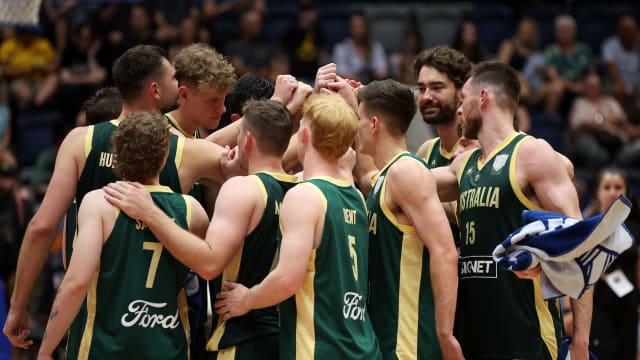
Initially, basketball was dominated by the United States, but over time, international teams have made significant strides. Countries like the Soviet Union, Yugoslavia, and later Spain and Argentina challenged this dominance with unique playing styles and strong teamwork.
This shift brought new excitement to Olympic basketball, introducing diverse strategies and raising the level of competition. Watching different countries compete can teach you a lot about adaptability and innovation in sports.
Think about the last Olympic basketball game you watched. Did you notice how international styles influenced the gameplay? This evolution continues to shape the sport and offers fresh lessons for players and fans alike.
Credit: www.olympics.com
Iconic Olympic Moments
Basketball has delivered some unforgettable moments at the Olympics, moments that have shaped the sport’s legacy and inspired millions around the world. These iconic events highlight not just athleticism but also the spirit of competition and unity that the Olympics represent.
The 1992 Dream Team
The 1992 U.S. men’s basketball team, famously known as the “Dream Team,” changed Olympic basketball forever. Featuring legends like Michael Jordan, Magic Johnson, and Larry Bird, they dominated the competition with unmatched skill and teamwork.
This team was the first to include active NBA players, raising the bar for international basketball. Watching them play felt like witnessing history live, as they won every game by a huge margin. Have you ever wondered how that team’s success influenced basketball’s global popularity?
Historic Women’s Basketball Achievements
Women’s basketball has also created powerful Olympic moments. The U.S. women’s team, for example, has consistently showcased skill and determination, earning multiple gold medals.
In 1996, the U.S. women’s team’s gold medal win helped boost the sport’s profile and encouraged more girls to play basketball worldwide. Their ongoing success demonstrates the importance of representation and opportunity in sports. How might your view of basketball change if you witnessed these games firsthand?
Basketball’s Influence On Global Sports
Basketball’s journey as an Olympic sport has done more than showcase the best athletes on a global stage. It has shaped the way the sport spreads worldwide, influencing cultures and inspiring new generations. The Olympics act as a powerful platform, pushing basketball beyond borders and into the hearts of fans everywhere.
Promotion Of International Players
The Olympics spotlight players from all corners of the world, not just the usual powerhouses. This exposure has helped stars from countries like Spain, Argentina, and Nigeria gain recognition.
Seeing international players compete against top talent motivates young athletes globally. You might ask yourself: How does watching a player from your country perform on such a stage impact your passion for the game?
This global visibility has encouraged scouts and teams to look beyond traditional markets. It’s created opportunities for players to join leagues worldwide and develop their skills further.
Development Of Global Leagues
Basketball’s Olympic presence has accelerated the growth of professional leagues outside the US. Countries have invested in their leagues, improving quality and competition.
Leagues in Europe, Asia, and Australia have gained momentum, attracting international talent and fans. This growth creates a cycle where better leagues produce better players, who then inspire more fans and athletes.
Think about how your local basketball scene might benefit from this trend. Could your city or country become the next hotspot for rising basketball stars?
Challenges And Controversies
Basketball’s journey as an Olympic sport hasn’t been without its hurdles. The game’s inclusion brought up debates that tested the spirit of the Olympics. Understanding these challenges helps you appreciate how the sport evolved on this global stage.
Amateur Vs. Professional Players
One major controversy was whether professional basketball players should compete in the Olympics. Initially, only amateurs were allowed to participate, which excluded NBA stars. This rule often meant the best players weren’t representing their countries.
In 1992, the rules changed, allowing professionals to play. The introduction of the U.S. “Dream Team” showed what happens when top pros hit the court. Their dominance sparked questions about fairness and competition balance.
Have you ever wondered how the level of competition shifted once professionals joined? It challenged the Olympic ideal but also raised the game’s global profile.
Political Influence In Olympic Games
Politics has also played a big role in Olympic basketball. During the Cold War, basketball became a stage for political rivalry, especially between the U.S. and Soviet Union. The 1972 men’s final, ending in a controversial Soviet victory, still sparks debate today.
Boycotts affected participation too, like in 1980 and 1984 when key teams didn’t attend due to political tensions. This altered the competition and left fans wondering what might have been.
These events show how politics can shape sports in unexpected ways. How do you think basketball’s Olympic story would change without these political twists?
Future Of Basketball In The Olympics
The future of basketball in the Olympics looks promising and full of potential. The sport continues to grow worldwide. Organizers explore new ways to keep it fresh and exciting for fans and players alike.
Changes may come in how the game is played and presented. These updates could attract more viewers and create more competition opportunities. The Olympic basketball program aims to stay modern and dynamic, reflecting the sport’s global popularity.
Potential Changes In Format
Olympic basketball might see new formats in upcoming games. Shorter games or different team sizes could be introduced. This would create faster, more intense matches that hold audience attention better. Experimenting with rules and schedules may help fit basketball into tighter Olympic timelines. These changes can also make the sport easier to understand and more accessible worldwide.
Expansion Of 3×3 Basketball
3×3 basketball has quickly gained popularity since its Olympic debut. This faster, smaller version appeals to urban and younger fans. The Olympics could expand 3×3 events with more teams and categories. This growth would offer more medals and spotlight different player skills. Expanding 3×3 basketball supports inclusion and highlights basketball’s evolving nature on the Olympic stage.

Credit: www.instagram.com
Frequently Asked Questions
When Did Basketball Debut In The Olympics?
Basketball first appeared as an official Olympic sport in 1936 at the Berlin Games. It has been included ever since.
Has Basketball Been In Every Summer Olympics?
Yes, basketball has been part of every Summer Olympics since 1936, except the 1940 and 1944 Games, which were canceled.
When Was Women’s Basketball Added To The Olympics?
Women’s basketball was introduced to the Olympics in 1976 during the Montreal Games and has been included since then.
How Has Olympic Basketball Evolved Over Time?
The Olympic basketball format, rules, and global participation have expanded, increasing competitiveness and popularity since 1936.
Conclusion
Basketball has been an Olympic sport for over 80 years. It first appeared in 1936 at the Berlin Games. Since then, it has grown in popularity worldwide. The sport brings teams from many countries together. Fans enjoy the fast pace and skillful play.
Olympic basketball showcases top players and thrilling moments. It remains a key part of the Summer Olympics today. The history of basketball in the Olympics shows its lasting appeal. A true global sport, loved by many.

Similar Posts