How Long Does It Take to Regain Fitness After Injury: Proven Timeline

Getting back to your fitness routine after an injury can feel overwhelming. You might be wondering, “How long will it take to regain my strength and stamina?” The truth is, the timeline varies, but understanding what affects your recovery can help you stay motivated and focused.
You’ll discover practical tips and realistic expectations that will guide you step by step toward reclaiming your fitness. Keep reading to learn how to bounce back smarter and stronger than before.
Factors Affecting Recovery Time
Recovery time after an injury varies widely. Many factors influence how quickly someone regains fitness. Understanding these factors helps set realistic goals and expectations. It also guides the best approach to rehab and exercise.
Type Of Injury
Different injuries heal at different rates. Muscle strains often recover faster than bone fractures. Ligament tears may need more time to regain strength. Each injury type affects movement and fitness in unique ways.
Severity Of Injury
Minor injuries usually heal within days or weeks. Severe injuries can take months or longer. The extent of tissue damage matters most. More damage means longer rest and careful rehab.
Age And General Health
Older adults often heal slower than younger people. Good overall health speeds up recovery. Chronic illnesses may delay healing. Nutrition, sleep, and stress also affect recovery time.
Previous Fitness Level
People with higher fitness levels tend to recover faster. Their muscles and cardiovascular system are stronger. They can often resume activity sooner. Beginners may need more time to rebuild strength and stamina.

Credit: bridgwaterphysiotherapy.ca
Short-term Vs Long-term Injuries
Understanding the difference between short-term and long-term injuries is key to setting realistic expectations for your fitness comeback. Each type affects your body in unique ways, influencing how quickly and effectively you can regain strength and endurance. Knowing these distinctions helps you tailor your recovery plan and stay motivated through the process.
Differences In Recovery
Short-term injuries, like a mild sprain or strain, often require days to a few weeks of rest and gentle rehabilitation. Your muscles and joints might feel weak at first, but you can usually start light activity soon after the initial healing phase.
Long-term injuries, such as a torn ligament or a broken bone, demand months of recovery and often involve surgery or physical therapy. The healing process is slower, and you may face setbacks like muscle loss or joint stiffness that require careful management.
Have you noticed how your body responds differently depending on the injury? This awareness can guide you to be patient and adjust your goals accordingly.
Impact On Fitness
Short-term injuries typically cause a temporary dip in fitness. You might lose some endurance or strength, but these can bounce back quickly once you resume regular training.
Long-term injuries can lead to significant fitness declines. Muscle atrophy, decreased cardiovascular capacity, and reduced flexibility are common challenges that extend your return timeline.
To regain your fitness, focus on gradual progression. Start with low-impact exercises and increase intensity based on your body’s feedback. This approach helps prevent re-injury and builds confidence as you improve.
Consider this: How can you adjust your mindset to treat setbacks as part of the healing journey, rather than obstacles?
Typical Recovery Phases
Understanding the typical recovery phases after an injury can help you set realistic expectations and stay motivated. Each phase plays a crucial role in how quickly and effectively you regain your fitness. Let’s break down what usually happens and what you can do to support your body through each stage.
Immediate Post-injury Phase
This phase starts right after the injury occurs. Your main focus should be on reducing pain and swelling.
Rest is vital here, but gentle movements can prevent stiffness. Ice, compression, and elevation often help speed up initial healing.
Have you noticed how rushing this stage can lead to setbacks? Taking it slow now sets a strong foundation for recovery.
Rehabilitation And Physical Therapy
Once the acute symptoms ease, you enter the rehab phase. This is where targeted exercises rebuild strength and flexibility.
Working with a physical therapist can tailor your recovery plan to your specific injury and fitness goals.
Consistency matters most—small daily improvements add up faster than you think. Are you tracking your progress to stay motivated?
Gradual Return To Exercise
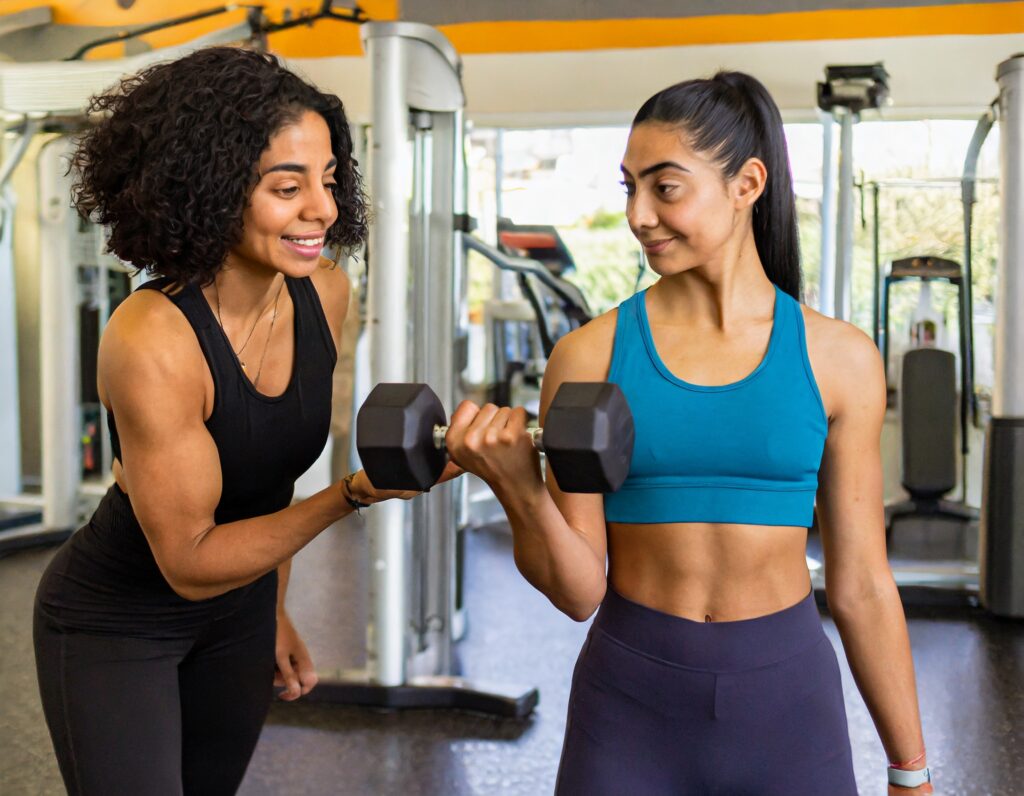
Returning to your regular fitness routine requires patience and care. Start with low-impact activities to test your body’s response.
Gradually increase intensity and duration, listening closely to any signs of discomfort.
Balancing challenge with caution can prevent re-injury. What strategies will you use to stay on track without pushing too hard?
Credit: www.stringssg.com
Estimated Recovery Timelines
Understanding how long it takes to regain fitness after an injury depends heavily on the severity of that injury. Knowing the estimated recovery timelines helps you set realistic goals and stay motivated throughout your healing journey. It also guides you to avoid rushing back too soon, which can cause setbacks.
Minor Injuries
Minor injuries like small sprains, strains, or bruises usually heal within a few days to two weeks. During this time, you can often continue light activity as long as it doesn’t cause pain.
Rest, gentle stretching, and low-impact exercises are key here. Many people find that within a week, they can return to most of their usual workouts with some modifications.
Have you ever noticed how small tweaks to your routine speed up recovery? Listening to your body and adjusting accordingly makes a big difference.
Moderate Injuries
Moderate injuries such as torn ligaments or muscle tears often require 4 to 8 weeks to heal properly. Physical therapy usually becomes part of the process to regain strength and flexibility.
This timeline allows your body to repair without risking re-injury. You may need to gradually increase intensity and avoid high-impact activities until cleared by a professional.
Think about how pacing yourself during this phase can help you come back stronger rather than rushing and facing frustration.
Severe Injuries
Severe injuries, including fractures or major surgeries, often take several months to a year for full recovery. Rehabilitation is more intensive and may involve multiple specialists.
Patience is essential here, as pushing too hard too soon can lead to complications or chronic issues. Setting small, measurable milestones keeps progress tangible and encouraging.
Ask yourself: How can breaking down big goals into smaller steps keep you focused and motivated during a long recovery?
Role Of Nutrition And Rest
Recovering your fitness after an injury is not just about exercise and physical therapy. Your body needs the right fuel and enough downtime to heal properly and rebuild strength. Nutrition and rest are the silent partners that can speed up your comeback or slow it down significantly.
Importance Of Balanced Diet
Your body requires specific nutrients to repair tissues and reduce inflammation after injury. Protein plays a crucial role because it provides the building blocks for muscle repair. Without enough protein, your recovery can drag on longer than necessary.
Vitamins and minerals like vitamin C, zinc, and calcium also support healing. I once underestimated this and skipped focusing on my diet, only to find my recovery stalled. Including colorful fruits, leafy greens, nuts, and dairy products in your meals can make a noticeable difference.
- Eat lean proteins such as chicken, fish, or legumes.
- Add fruits rich in antioxidants like berries and oranges.
- Include calcium-rich foods like yogurt or fortified plant milk.
Are you paying attention to what you eat as much as how much you move? Small changes in your diet can fuel a faster return to fitness.
Adequate Sleep And Rest
Rest is often overlooked but is just as critical as nutrition. During sleep, your body releases growth hormones that help repair muscles and tissues. Skimping on sleep slows down these processes and can increase your risk of reinjury.
In my own recovery journey, I noticed that nights with poor sleep made me feel weaker and more sore the next day. Prioritize 7-9 hours of quality sleep to let your body do the hard work while you’re still.
- Create a consistent bedtime routine to improve sleep quality.
- Avoid screens and heavy meals before bed.
- Consider naps if your night sleep is interrupted or insufficient.
How often do you push through tiredness without realizing it’s holding your recovery back? Rest isn’t a sign of weakness—it’s a strategic part of regaining fitness.

Credit: www.totalorthosportsmed.com
Strategies For Regaining Fitness
Regaining fitness after an injury requires more than just returning to your old routine. It demands smart strategies that respect your body’s current limits while pushing it toward recovery. You need to balance challenge with caution to rebuild strength and endurance effectively.
Progressive Exercise Routines
Start with gentle movements that match your healing stage. Gradually increase intensity and duration to avoid setbacks. For example, if you were used to running 5 miles, begin with walking or light jogging for short distances.
Consistency matters more than intensity at this stage. Small, steady improvements add up. Have you noticed how your body reacts when you push too hard too soon?
Incorporating Cross-training
Adding different types of exercise reduces strain on the injured area. Swimming or cycling can maintain cardiovascular fitness without stressing joints. This variety helps keep your motivation high and prevents overuse injuries.
Try alternating workouts to keep your body balanced. If you injured your knee, upper-body strength training can fill in the gaps while your leg heals. Could this approach help you stay active without risking re-injury?
Listening To Your Body
Pay close attention to pain signals and fatigue. Pain is not just discomfort—it’s your body’s way of telling you to slow down or stop. Ignoring these signs can prolong recovery or worsen the injury.
Track your progress and adjust your plan based on how you feel daily. Sometimes rest is the most productive choice. How often do you check in with your body before pushing forward?
Psychological Aspects Of Recovery
The psychological side of recovery plays a key role in regaining fitness after injury. The mind affects how the body heals and performs. Staying positive and focused can speed up progress. Many find the mental challenge harder than the physical one.
Fear of re-injury and loss of confidence can slow recovery. Mental strength helps to push through doubts and pain. Understanding these psychological factors prepares you for a smoother comeback.
Mental Resilience
Mental resilience means staying strong despite difficulties. It helps you face pain and setbacks without giving up. Building resilience involves:
- Setting small, clear goals
- Celebrating tiny wins
- Practicing positive self-talk
- Visualizing success
Resilience turns challenges into motivation. It keeps your mind focused on recovery steps. This focus boosts your body’s healing process.
Coping With Setbacks
Setbacks often occur during recovery. They can cause frustration and doubt. Managing setbacks involves:
- Accepting that progress is not always smooth
- Staying patient and calm
- Learning from mistakes or slow days
- Seeking support from friends or professionals
Viewing setbacks as part of healing helps maintain motivation. It prevents giving up too soon. Good coping skills improve overall recovery success.
Professional Guidance And Support
Recovering fitness after an injury requires more than just rest. Professional guidance and support play a key role in ensuring safe and effective progress. Experts help tailor recovery plans to individual needs and monitor healing closely. Their knowledge reduces risks of setbacks and speeds up the return to fitness.
Role Of Physical Therapists
Physical therapists design exercises to restore strength and mobility. They focus on improving movement without causing pain. Therapists teach proper techniques to avoid further injury. Their regular assessments help track recovery progress. They adjust treatment based on how the body responds. This personalized care helps rebuild fitness steadily and safely.
Importance Of Medical Supervision
Doctors provide essential oversight during recovery. They diagnose the injury’s severity and outline safe activity limits. Medical supervision ensures that healing follows the right path. Doctors order tests to monitor tissue repair and inflammation. They advise when to increase or reduce physical activity. This guidance prevents complications and supports a smooth fitness comeback.
Frequently Asked Questions
How Long Does Fitness Recovery Usually Take After Injury?
Recovery time varies by injury type and severity. Mild injuries may take weeks, while severe cases need months. Consistent rehab and proper rest speed up regaining fitness. Always follow medical advice for safe and effective recovery.
What Factors Affect Regaining Fitness Post-injury?
Age, injury severity, fitness level, and rehab quality affect recovery. Nutrition, sleep, and mental health also play key roles. Personalized rehab programs ensure faster and safer fitness restoration. Avoid rushing to prevent setbacks.
Can I Speed Up Fitness Recovery After Injury?
Yes, through proper rehab, balanced diet, and adequate rest. Gradual exercise progression and professional guidance help avoid re-injury. Staying motivated and consistent enhances recovery speed and overall fitness.
When Can I Resume Normal Workouts After Injury?
Resume workouts only after medical clearance and pain-free movement. Start with low-intensity exercises and gradually increase load. Ignoring symptoms can delay recovery and worsen the injury.
Conclusion
Regaining fitness after an injury takes time and patience. Every person heals at their own pace. Focus on small steps and steady progress. Consistency matters more than speed. Listen to your body and avoid pushing too hard. Rest and recovery are just as important as exercise.
Celebrate each improvement, no matter how small. Stay positive and keep your goals clear. Your fitness will return with care and effort. Trust the process and keep moving forward.

Similar Posts