Does Sports Tape Work: Uncovering the Truth
Have you ever wondered if sports tape really helps when you’re dealing with an injury or trying to boost your performance? You’ve probably seen athletes wearing colorful strips on their bodies and thought, “Does that actually make a difference?” The truth is, sports tape can do more than just look cool.
It might support your muscles, reduce pain, and even speed up recovery. But how effective is it for you? You’ll discover the real benefits, the science behind sports tape, and whether it’s worth adding to your gear. Keep reading to find out if sports tape can be your secret weapon.
How Sports Tape Works
Sports tape supports muscles and joints during physical activity. It helps reduce pain and prevents injuries. Athletes and active people use it to improve performance and recovery. Understanding how sports tape works can help you decide if it suits your needs.
Types Of Sports Tape
- Rigid Tape:Offers strong support to joints. Limits movement to avoid injury.
- Elastic Tape:Stretches with the skin. Helps improve circulation and reduce swelling.
- Kinesiology Tape:Mimics skin elasticity. Supports muscles while allowing movement.
Mechanisms Behind Support And Pain Relief
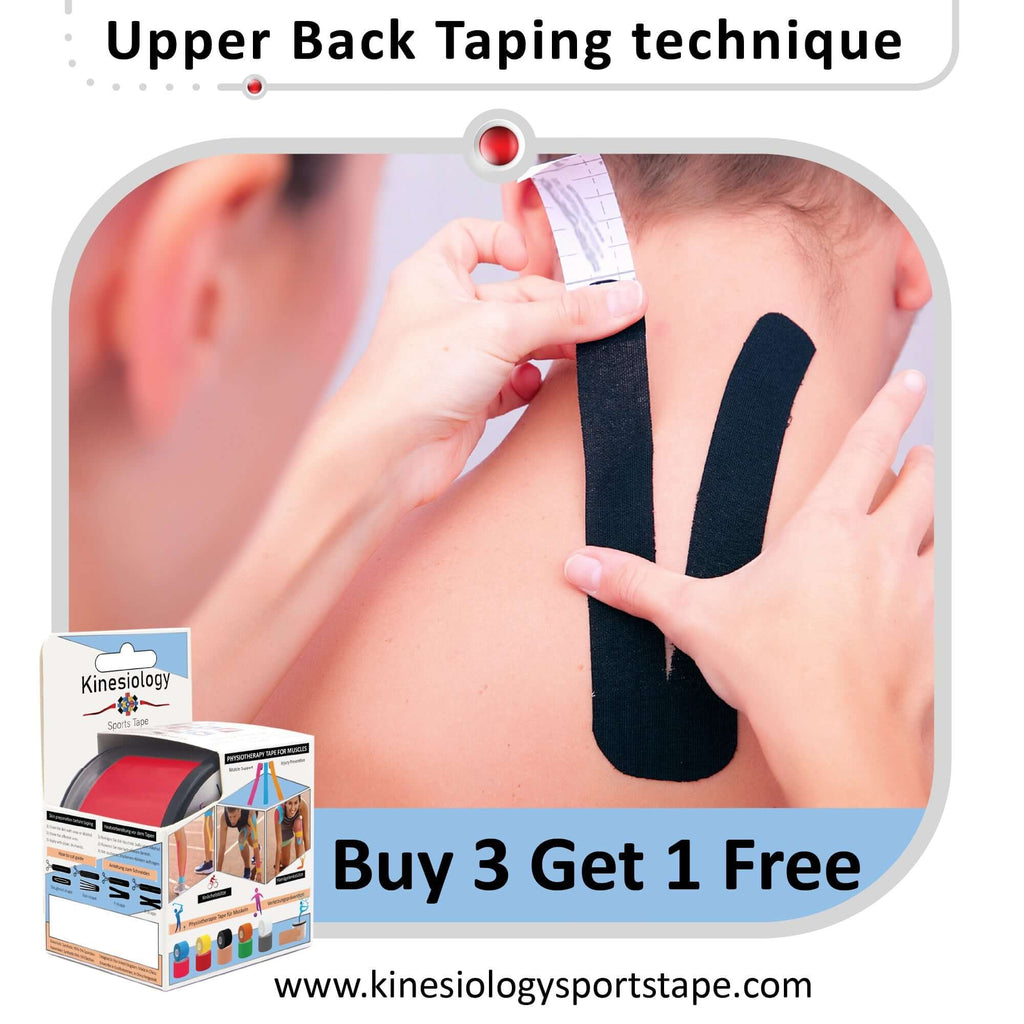
Sports tape works by lifting the skin slightly. This helps increase blood flow and reduces pressure on pain receptors.
The tape also stabilizes muscles and joints. It limits harmful movements without blocking normal motion. This support prevents strains and sprains during exercise.
By improving circulation, tape helps remove waste products from muscles. This can reduce soreness and speed up recovery.

Credit: kinesiologysportstape.com
Benefits Of Using Sports Tape
Sports tape offers many benefits for athletes and active people. It supports muscles and joints during physical activity. It also helps reduce the risk of injuries and promotes faster healing. Using sports tape can improve comfort and confidence while moving.
Injury Prevention
Sports tape stabilizes joints and muscles. It limits harmful movements that cause strains or sprains. Taping can protect weak or injured areas from further damage. It also helps maintain proper alignment during exercise. This support lowers the chance of new injuries.
Enhancing Performance
Taping can improve muscle function and endurance. It helps reduce muscle fatigue by supporting key muscle groups. The tape increases awareness of body position and movement. This feedback allows better control and coordination. Athletes may feel more secure and confident while performing.
Aiding Recovery
Sports tape promotes blood flow to injured areas. Better circulation helps reduce swelling and pain. The tape supports healing tissues without restricting movement. This balance allows gentle activity during recovery. It can speed up the return to normal function.
Scientific Evidence And Studies
Sports tape is widely used by athletes and therapists to support muscles and joints. Scientific studies explore how well it works. Researchers test its effects on pain, movement, and injury prevention. The findings help us understand if sports tape delivers real benefits or not.
Clinical Trials And Research Findings
Clinical trials have tested sports tape on different body parts like knees, shoulders, and ankles. Some studies show it can reduce pain and improve muscle function. Others find small or no effects on performance or injury risk.
- Some trials found better joint stability with tape applied.
- Others reported less muscle fatigue during activity.
- Several studies observed minor pain relief after taping.
- Few trials showed no significant difference compared to no tape.
Research also compares different tape types and application methods. Results vary, but elastic tape often receives more positive feedback. Still, effects differ by individual and sport type.
Limitations And Controversies
Many studies have small sample sizes and short follow-up periods. This limits how much we can trust the results. Some research lacks proper control groups or blinding.
Experts debate whether tape effects come from physical support or placebo. The placebo effect may explain some pain relief reported. The exact mechanisms remain unclear.
More high-quality, large-scale research is needed. This will clarify when and how sports tape works best.
Common Misconceptions
Sports tape is often misunderstood. Many believe it can fix all injuries. Others think all tape types serve the same purpose. Clearing these myths helps to use sports tape wisely and effectively.
Tape As A Cure-all
Sports tape does not heal injuries by itself. It supports muscles and joints to reduce pain. It helps prevent further injury but does not cure the original problem. Relying only on tape may delay proper treatment. Use tape as part of a full recovery plan.
Differences Between Tape Types
Not all sports tape is the same. Each type has a specific use and benefit. Here are some common types:
- Kinesiology tape:Flexible, supports muscles without limiting movement.
- Athletic tape:Stiff, limits joint motion to prevent injury.
- Cohesive tape:Sticks to itself, often used to hold bandages.
Choosing the right tape is key for best results. Using the wrong tape can reduce effectiveness or cause discomfort.
Proper Application Techniques
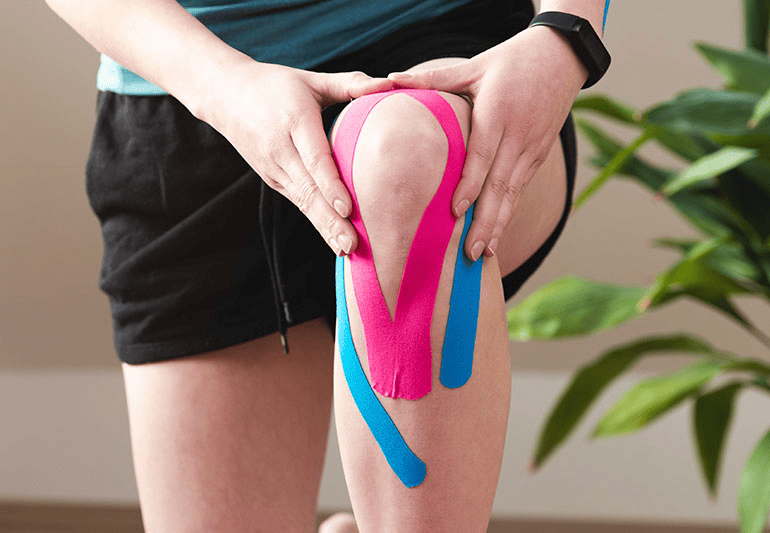
Proper application techniques play a key role in making sports tape effective. Using tape correctly supports muscles and joints, reduces pain, and prevents injuries. Poor application reduces its benefits and may cause discomfort. Understanding the right way to apply tape ensures better results and safer use.
Choosing The Right Tape
Select tape based on your needs and skin type. Kinesiology tape is stretchy and good for muscle support. Rigid tape offers strong joint stability and limits movement. Hypoallergenic tape reduces skin irritation for sensitive skin. Check tape width and length to fit the body part. Quality matters; cheap tape may peel off quickly.
Step-by-step Application Tips
- Clean and dry the skin before taping.
- Trim excess hair to improve tape adhesion.
- Round the tape edges to prevent peeling.
- Apply tape with moderate stretch, not too tight.
- Smooth the tape to activate its adhesive.
- Avoid wrinkles to prevent skin irritation.
- Test movement after taping to check comfort.
- Remove tape slowly and gently to avoid skin damage.
Credit: health.clevelandclinic.org
Alternatives To Sports Tape
Sports tape is a popular choice for support and injury prevention. Some people prefer other options for comfort, durability, or specific needs. Exploring alternatives can help find the best fit for your activity and body.
Braces And Supports
Braces and supports offer strong stability to joints and muscles. They come in various sizes and designs for knees, ankles, wrists, and more. Braces limit harmful movements and reduce the risk of injury.
Many athletes use braces during intense activities. They are reusable and often easier to apply than tape. Braces provide consistent compression and support without losing stickiness.
Compression Sleeves
Compression sleeves fit tightly around muscles and joints. They improve blood flow and reduce swelling. Sleeves also help keep muscles warm, which can prevent strains.
These sleeves are lightweight and breathable. They allow full range of motion without slipping. Many people wear them during training or recovery periods.
Physical Therapy Options
Physical therapy offers personalized care for injuries and pain. Therapists use exercises, stretches, and manual techniques to improve strength and flexibility.
Therapy can address the root cause of pain rather than just masking it. It helps restore normal movement and prevents future injuries. Many athletes include therapy in their routine for long-term health.
When To Avoid Sports Tape
Sports tape can be a helpful tool for many athletes, but it’s not always the right choice. Knowing when to avoid sports tape can save you from unnecessary pain or worsening an injury. Let’s look at some situations where using sports tape might do more harm than good.
Potential Risks And Side Effects
Using sports tape incorrectly can cause skin irritation, redness, or even allergic reactions. If your skin feels itchy or burns under the tape, it’s a sign to stop immediately. Taping too tightly may cut off circulation, leading to numbness or swelling in the area.
Have you ever taped a joint and felt your fingers or toes go cold? That’s a warning sign your tape is too tight and could cause damage. It’s better to lose a little support than risk cutting off blood flow.
Conditions Requiring Medical Attention
Sports tape should never replace professional medical care if you have serious injuries. Avoid taping over open wounds, fractures, or severe sprains without consulting a healthcare provider first. If you experience intense pain, swelling, or loss of movement, seek medical attention before applying any tape.
Think about the last time you tried to tape a badly swollen ankle. Did it help, or did the pain get worse? Your body is trying to tell you when taping isn’t enough and professional help is needed.
Credit: health.clevelandclinic.org
Frequently Asked Questions
What Is Sports Tape Used For In Athletics?
Sports tape supports muscles and joints during physical activity. It helps prevent injuries and provides stability to affected areas. Athletes use it to reduce strain and improve performance. It also aids in faster recovery by restricting harmful movements.
Does Sports Tape Reduce Pain Or Inflammation?
Sports tape can alleviate pain by supporting injured areas and improving circulation. It may also reduce swelling by lifting the skin gently. However, it is not a replacement for medical treatment. For inflammation, combining tape with rest and ice is more effective.
How Long Should Sports Tape Be Worn?
Sports tape is typically worn for one to three days depending on activity level. It should stay secure without causing discomfort or skin irritation. Extended use without breaks is not recommended. Always follow product instructions and consult a professional if unsure.
Can Sports Tape Improve Athletic Performance?
Sports tape can enhance performance by stabilizing joints and muscles. It increases proprioception, helping athletes maintain balance and coordination. However, it does not directly boost strength or endurance. Proper training and conditioning remain essential for peak performance.
Conclusion
Sports tape can help support muscles and joints during activity. It may reduce pain and prevent injuries for some people. Results vary depending on how you use the tape and your body. Always apply tape correctly to get the best effects.
Remember, tape is not a cure but a helpful tool. Consult a professional for advice on taping techniques. Keep in mind, rest and proper care are key to recovery. Sports tape works best as part of a complete injury plan.

Similar Posts